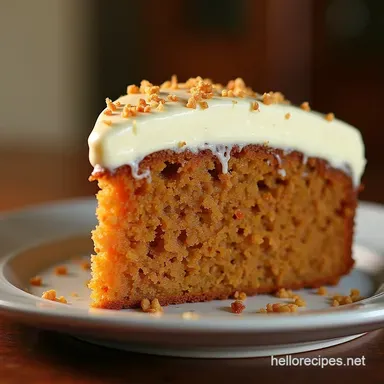
The Ultimate So Saftig German Carrot Cake
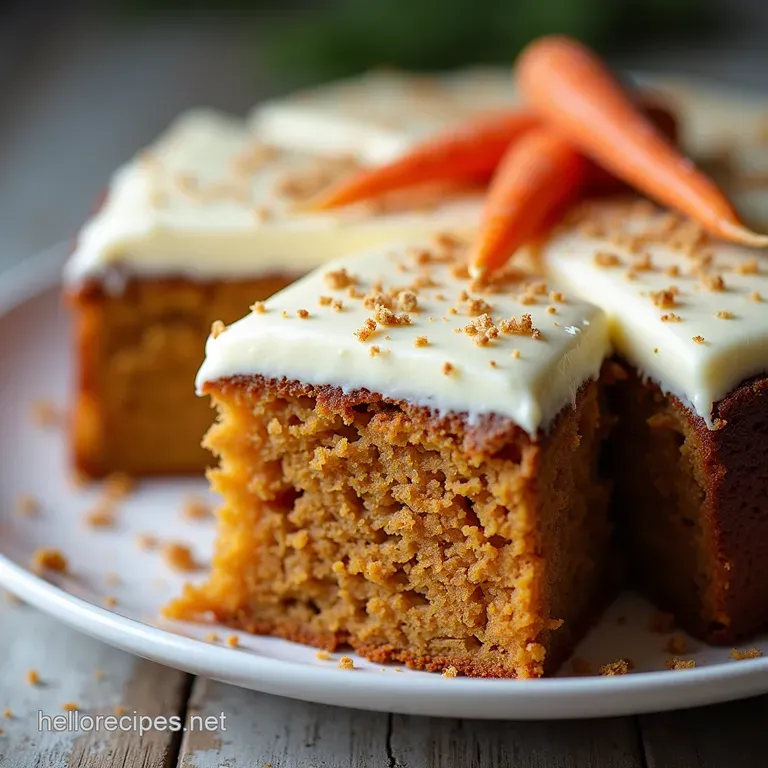
- Unlocking the Secrets to Truly Moist German Carrot Cake
- Why This Karottenkuchen Recipe Outshines the Rest
- Assembling Your Fresh Baking Arsenal
- The Crucial Components for Perfect Structure
- The Step-by-Step Journey to Baking Your Karottenkuchen
- Crafting the Iconic Cream Cheese Topping
- Elevating Your Cake Beyond the Basic Recipe
- Maximizing Shelf Life and Freshness
- Recipe FAQs
- 📝 Recipe Card
Unlocking the Secrets to Truly Moist German Carrot Cake
When you think of authentic German baking, the Karottenkuchen often stands proudly alongside pretzels and strudel. This isn't just any carrot cake; it’s a benchmark for moistness and deep, comforting flavour, perfect for elevating your collection of Homemade Cakes .
We are diving deep into the techniques that ensure this cake lives up to its reputation, resulting in a crumb that is tender, rich, and truly unforgettable. Forget everything you thought you knew about dry, crumbly sponge; our focus here is on achieving that coveted so saftig texture that German bakers prize.
Why This Karottenkuchen Recipe Outshines the Rest
The defining characteristic of a superior Karottenkuchen lies in its simplicity and the quality of its core ingredients. Unlike layered celebration cakes, this version embraces a rustic charm, relying on oil for superior moisture retention and a carefully curated spice mix to deliver warmth rather than overpowering sweetness.
This recipe is designed to be straightforward, making it an excellent candidate for weeknight baking while still being impressive enough to feature prominently during holiday gatherings, particularly as one of your go-to Easter Cakes .
A Love Letter to Authentic Kaffee und Kuchen Traditions
The cultural context of this cake is important. In Germany, Kaffee und Kuchen —the mid-afternoon coffee and cake ritual demands bakes that are satisfying but not overly decadent. This Karottenkuchen rezept adheres to that philosophy.
It’s dense enough to hold up well to slicing and storing, yet light enough to enjoy without feeling weighed down. If you are looking to serve this in a smaller format, our method translates perfectly into individual Karottenkuchen muffins , baking them slightly shorter but yielding the same fragrant results.
Bypassing Dryness: Our Moisture Infusion Technique
The primary reason this cake achieves legendary moisture levels stems from our choice of fat. We skip creaming butter entirely, opting instead for a neutral vegetable oil. Oil remains liquid at room temperature, coating the flour proteins in a way that actively inhibits gluten formation, resulting in a softer crumb that locks in moisture for days.
On top of that,, the sheer volume of finely grated carrots adds critical water content during the baking process, essentially steaming the cake from the inside out. This is the secret weapon for creating a karottenkuchen saftig every single time you bake it.
The Essential Spice Blend for Deep Flavour
Flavour depth in this cake comes almost entirely from the spice combination, as we rely less on sugary frosting for impact. We use a classic duo: robust ground cinnamon for warmth and just a whisper of fresh nutmeg. This pairing evokes the feeling of cozy home baking.
For those interested in exploring flavour nuances, consider using a springform pan or even baking it in a Karottenkuchen kastenform (loaf pan) for a denser, more sliceable texture, adjusting bake times accordingly.
Assembling Your Fresh Baking Arsenal
Before diving into the mixing, preparation is paramount. The beauty of this recipe is that it requires relatively standard pantry items, but a few specific choices especially regarding the carrots and nuts will drastically improve the final product.
Gathering your tools and ingredients ensures a smooth transition from prep station to oven.
The Crucial Components for Perfect Structure

The interaction between the grated vegetables, the leavening agents, and the liquid fat determines the cake's final texture. Ensuring every component is correctly prepared sets the stage for success, whether you plan on serving it whole or experimenting with a karottenkuchen ohne zucker version later on.
Sourcing the Best Produce: Carrot Selection Guide
For the best results in your karottenkuchen rezept , skip the pre-shredded bags. You need carrots that are finely grated think the consistency of coarse sand rather than thick ribbons.
This fine grating allows the carrot pieces to integrate seamlessly into the batter, releasing maximum moisture without creating heavy pockets in the finished bake. Generally, 3 cups packed equates to about 4 to 5 medium sized carrots.
A quick run through a food processor with the grating disc achieves perfection in seconds.
Nut & Texture Enhancers: To Toast or Not to Toast?
We incorporate chopped walnuts, a traditional inclusion that adds a necessary crunch against the tender cake crumb. However, never add them untoasted! Toasting the walnuts briefly in a dry skillet releases their volatile oils, intensifying their nutty flavour profile significantly.
Once toasted, allow them to cool completely before folding them into the batter; adding warm nuts can interfere with the baking soda's reaction.
Essential Tools for a Seamless Batter Experience
Because this is an oil-based cake, we avoid the creaming method entirely. This means a simple large bowl and a whisk for the wet ingredients, and another large bowl for the dry. The most important tool here is a good quality rubber spatula for folding.
The goal is gentle incorporation; we are looking to just combine the wet and dry elements to avoid developing excessive gluten, which leads to toughness.
Pre-Baking Prep: Lining Pans Like a Pro
Use a 9 inch springform pan for the classic height, or a 9x13 rectangular pan for easier serving. Prepare the chosen vessel meticulously: grease the sides thoroughly, flour lightly, and this is the pro move cut a circle of parchment paper to perfectly fit the bottom.
This guarantees a clean release once the cake has cooled slightly, preventing any breakage when transferring it for cooling or frosting.
The step-by-step Journey to Baking Your Karottenkuchen
The assembly process is deceptively simple, following the classic 'muffin method' where wet ingredients meet dry ingredients last. This speed is part of why this recipe remains a favourite for busy bakers.
Mixing Dry Ingredients: Achieving Aeration Without Overworking
Begin by thoroughly whisking together the sifted flour, sugar, baking soda, cinnamon, nutmeg, and salt in your largest bowl. Whisking is crucial here as it acts as a preliminary sifting, ensuring the leavening agent (baking soda) is evenly distributed throughout the flour, which prevents sinking or uneven rising later.
Incorporating Wet Elements and Finely Grated Carrots
In a separate bowl, lightly whisk your eggs before streaming in the vegetable oil and vanilla extract until fully emulsified. Pour this liquid mixture into the dry ingredients. Using your spatula, fold the ingredients together only until the flour streaks have just disappeared.
Overmixing at this stage develops gluten, which ruins the promised moistness. Finally, gently fold in the finely grated carrots and the toasted walnuts until they are evenly spotted throughout the batter.
Baking Dynamics: Monitoring for Golden Perfection
Transfer the finished batter into your prepared pan, smoothing the top gently. Bake at 350° F ( 175° C). Standard cakes take about 40 to 50 minutes. To check for doneness, insert a wooden skewer or thin knife into the centre.
It should emerge with only a few moist crumbs clinging to it not wet batter, but not bone dry either. Pull it from the oven immediately when done to prevent carryover heat from drying out the edges.
Chilling and Spreading: The Art of Frosting Application
Cooling is non-negotiable for successful frosting. Let the cake sit in the pan for about 15 minutes, then carefully release the sides and transfer it to a wire rack to cool completely .
Attempting to apply the karottenkuchen mit frosting to a warm cake results in a melted, oily disaster. Ensure the cake is cool to the touch ideally room temperature before proceeding to the next glorious stage.
Crafting the Iconic Cream Cheese Topping
The frosting is the crowning glory, providing the essential tangy counterpoint to the earthy, sweet cake. We use high-quality, full fat cream cheese and softened butter, beating them until they achieve an impossibly light and fluffy base before introducing the sugar.
Elevating Your Cake Beyond the Basic Recipe
While the base recipe is outstanding, simple additions can transform this traditional bake. For a more complex flavour profile, consider substituting some of the oil with unsweetened applesauce if you are working toward a karottenkuchen ohne zucker alternative, although this slightly changes the crumb structure.
Alternatively, folding in a cup of crushed pineapple (drained very well) adds an extra layer of tropical moisture and brightness.
Maximizing Shelf Life and Freshness
Because of the high oil content, this Karottenkuchen stays fresh longer than butter based cakes. However, due to the dairy content of the cream cheese frosting, refrigeration is required once frosted.
Vegan Adaptations: Substituting for Traditional Fats
For those interested in a Karottenkuchen vegan option, the substitutions are fairly straightforward. Replace the eggs with flax eggs (1 tablespoon ground flaxseed mixed with 3 tablespoons water per egg) or commercial egg replacer.
For the fat, use a neutral flavoured coconut oil or an additional neutral vegetable oil. The cream cheese frosting can be made beautifully using high-quality vegan block cream cheese alternatives, ensuring they are beaten thoroughly with vegan butter sticks.
Optimal Storage Conditions: Keeping It Baked and Beautiful
If unfrosted, the cake keeps beautifully wrapped tightly at cool room temperature for up to three days. Once frosted, transfer the Karottenkuchen to an airtight container in the refrigerator.
Allow it to sit at room temperature for about 30 minutes before serving to let the frosting soften up again this makes a world of difference in texture.
Flavour Variations: Adding Apple or Pineapple Notes
A popular variation involves adding finely diced or grated apple along with the carrots. The apple releases pectin, which enhances the perceived moisture. Similarly, drained crushed pineapple offers a lovely burst of sweetness that pairs wonderfully with the cinnamon and walnuts, offering a delightful textural variance.
Serving Suggestions: Pairing with Your Favourite Brew
This is a robust cake that stands up well to strong beverages. Serve slices slightly chilled or at room temperature alongside a strong, dark roast coffee or a traditional German Schwarztee (black tea).
For a truly delightful experience, accompany it with the ritual of afternoon coffee, cementing this gorgeous Karottenkuchen as the perfect centerpiece for any casual gathering.
Recipe FAQs
Why is my Karottenkuchen coming out dry? I thought this recipe was meant to be moist!
That's a common baking woe, but we can sort it out! The secret to the ultimate moistness here is the oil; make sure you didn't accidentally swap it for butter in the batter. Also, ensure you aren't overbaking start checking it around the 40-minute mark by testing the centre with a skewer.
A few moist crumbs clinging to it are perfect; if it’s bone dry, it’s already overdone!
Can I make this Karottenkuchen ahead of time, or does it need to be eaten straight away?
This cake is actually better the next day, much like a proper shepherd's pie! The spices need time to meld with the carrots, enhancing the flavour overnight. Store it wrapped tightly at room temperature for up to three days, or in the fridge if your kitchen is particularly warm (though let it come to room temp before serving).
My frosting keeps turning out sloppy, what’s the trick for that classic thick German cream cheese topping?
The biggest culprit for sloppy frosting is temperature your cream cheese and butter must be softened, but not melted. Beat the fat ingredients together until they are truly light and fluffy before gradually adding the sifted powdered sugar.
If it’s still too loose, pop the bowl into the fridge for 15 minutes before beating it again; chilling helps firm things up nicely.
Do I really need to toast the walnuts, or can I just chuck them in straight from the bag?
While you certainly can skip it, toasting the nuts is a dead simple step that makes a world of difference it truly wakes up their flavour, taking them from dusty to delicious! Just a few minutes in a dry, warm frying pan until you can smell them is all it takes.
It’s the difference between a nice cake and one that makes you stop talking mid-bite!
I'm not keen on walnuts; what's a good substitute for the nuts in this recipe?
No worries, swapping nuts is easy as pie! Pecans are a fantastic, buttery alternative that work wonderfully with cinnamon. If you prefer something lighter, slivered almonds work beautifully, especially if you toast them first.
For a chewy twist that pairs well with the spices, consider folding in some golden raisins or chopped dried apricots instead.
Moist German Karottenkuchen