Lemon Garlic Butter Chicken Thighs Recipe with Green Beans
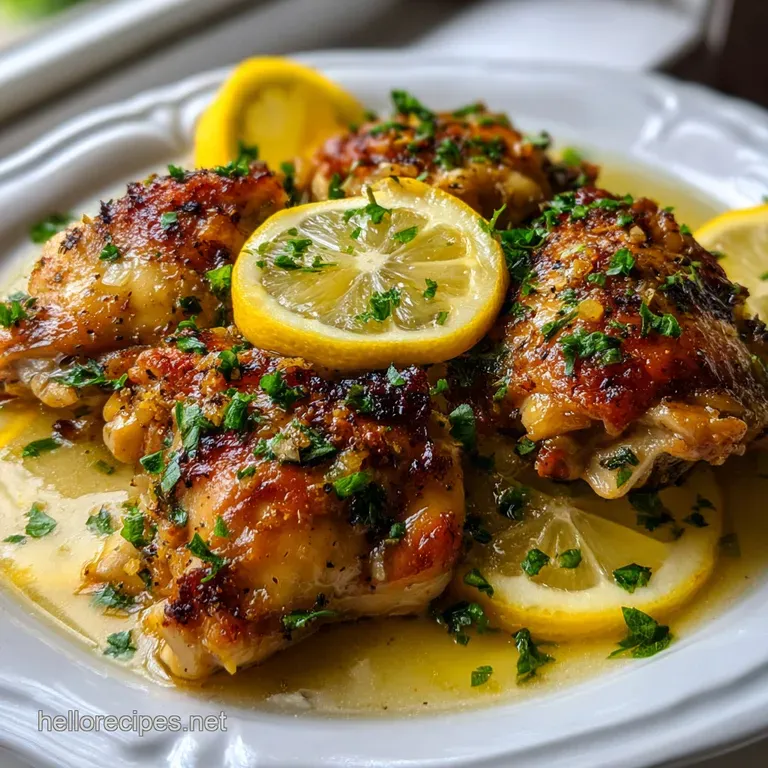
- Time: Active 10 mins, Passive 25 mins, Total 35 mins
- Flavor/Texture Hook: Shatter crisp skin with zesty butter sauce
- Perfect for: High protein weeknight dinners and meal prep
- Innovative Lemon Garlic Butter Chicken Thighs Recipe
- Essential Culinary Specs and Performance
- Ingredient Analysis and Chemical Roles
- Necessary Hardware for over High heat Cooking
- Step-By-Step Gastronomy Execution Guide
- Correcting Technical Gastronomy Failures
- Innovative Flavor Variations and Adaptations
- Scaling Proportions and Metrics
- Preservation and Thermal Reheating Methods
- Aesthetic Presentation and Visual Design
- Recipe FAQs
- 📝 Recipe Card
Innovative Lemon Garlic Butter Chicken Thighs Recipe
I remember the first time I heard the aggressive sizzle of skin hitting a hot cast iron skillet. It wasn't just a sound; it was the smell of rendering fat and toasted protein filling the air, promising something far beyond a basic weeknight meal.
I used to struggle with soggy skin and dry meat, but through trial and error, I found that the secret lies in the thermal relationship between the pan and the cold butter.
This Lemon Garlic Butter Chicken Thighs Recipe with Green Beans is a complete, flavorful meal in one pan. We are going beyond the basic sear by introducing an acidic deglaze that lifts the fond (those tasty browned bits) and incorporates it into a glossy, lemon heavy sauce.
It's a technical approach that yields a sophisticated result, proving that one pan meals don't have to sacrifice gastronomy for convenience.
You can expect a dish where the chicken skin has a distinct shatter when bitten, while the meat remains succulent thanks to the bone in insulation. The green beans act as a secondary heat sink, absorbing the rendered chicken fat while maintaining a vibrant, snappy bite.
We are looking for that specific moment when the garlic turns pale gold and the citrus vapor hits the back of your throat, signaling the sauce is ready to emulsify.
The Thermodynamics of Skin Rendering
Lipid Liquefaction: High initial heat triggers the subcutaneous fat to melt and escape the skin, allowing the collagen to dehydrate and become brittle. This process prevents the rubbery texture often found in under seared poultry.
| Thickness | Internal Temp | Rest Time | Visual Cue |
|---|---|---|---|
| 2.5 cm (standard) | 74°C (165°F) | 5 mins | Juices run completely clear |
| 3.5 cm (large) | 74°C (165°F) | 7 mins | Bone joint moves easily |
| 2 cm (small) | 74°C (165°F) | 3 mins | Skin is mahogany brown |
Maintaining a consistent temperature is the most critical variable when executing this Thighs Recipe with Green Beans. If the pan temperature drops too quickly after adding the meat, you'll end up steaming the protein rather than searing it, which ruins the texture of the skin.
Essential Culinary Specs and Performance
We need to treat each component as a functional part of the whole. For this Thighs Recipe with Green Beans, we use 680g (1.5 lb) of bone in, skin on thighs to ensure the meat doesn't dry out during the 25 mins of total cook time.
The bone acts as a thermal conductor, distributing heat evenly through the center of the muscle.
| Element | Science Role | Pro Secret |
|---|---|---|
| Cold Butter | Emulsification Agent | Use cubes straight from the fridge to thicken the sauce naturally |
| Lemon Juice | Protein Denaturant | The acid balances the heavy lipids and brightens the palate |
| Avocado Oil | High Smoke Point | Allows for a 200°C+ sear without the oil breaking down or smoking |
The 450g (1 lb) of green beans provide a structural bed for the chicken in the oven, preventing the bottom of the thighs from becoming submerged in liquid. This preserves the crispiness we worked so hard to achieve during the stovetop phase.
Ingredient Analysis and Chemical Roles
Selecting high-quality ingredients is an innovative way to ensure the final dish exceeds expectations. Grass fed butter, for example, has a higher beta carotene content and a more complex fatty acid profile, which deeply impacts the flavor of the final glaze.
- 1.5 lb chicken thighs (bone in, skin on): The primary protein source. Why this? Bone in retains more moisture during the roasting process than boneless cuts.
- Substitute: Boneless thighs (reduce oven time by 8 mins).
- 1 lb fresh green beans: The fiber rich vegetable base. Why this? They hold their shape and snap better than softer vegetables under high heat.
- Substitute: Asparagus spears.
- 3 tbsp unsalted grass fed butter: The fat source for the sauce. Why this? Cold butter creates a stable emulsion with the lemon juice.
- Substitute: Ghee (but the sauce won't be as velvety).
- 5 cloves garlic: The aromatic foundation. Why this? Minced garlic releases more allicin, providing a sharper flavor profile.
- Substitute: 1 tsp garlic powder (not recommended for fresh aroma).
- 1 large lemon (zest and juice): The acidic brightness. Why this? Fresh zest provides essential oils that bottled juice lacks.
- Substitute: Lime juice for a more tropical profile.
Similar to the technique used in my Chicken Thighs in recipe, we are layering flavors starting with the protein and finishing with a pan reduction that captures every ounce of flavor.
Necessary Hardware for over High heat Cooking
To execute this Garlic Butter Chicken Thighs Recipe with Green Beans correctly, your equipment must be able to handle rapid temperature transitions. A heavy bottomed skillet, preferably cast iron or stainless steel (such as a 12 inch All Clad), is essential for even heat distribution and retention.
- Cast Iron Skillet: Provides the thermal mass needed for a superior sear.
- Microplane: Crucial for getting that fine, aromatic lemon zest without the bitter white pith.
- Digital Thermometer: The only way to guarantee the chicken reaches exactly 74°C without overcooking.
- Chef's Knife: For finely mincing the garlic to maximize surface area.
Using a high smoke point oil like avocado oil is a sustainable choice for your indoor air quality and the integrity of the dish. It allows us to reach the necessary searing temperatures without the oil decomposing into bitter compounds, which would mask the delicate lemon and oregano notes.
step-by-step Gastronomy Execution Guide

- Dry the protein. Pat the 1.5 lb chicken thighs with paper towels until the skin feels tacky and matte. Note: Moisture is the enemy of a crisp sear.
- Season aggressively. Rub the skin with 1 tbsp avocado oil, 0.5 tsp sea salt, and 0.5 tsp cracked black pepper.
- Initiate the sear. Place thighs skin side down in a cold skillet, then turn heat to medium high. Cook for 8-10 mins until the skin is deep golden and releases easily. Note: Starting cold renders the fat more efficiently.
- Scent checkpoint 1. As the chicken sears, look for the nutty, toasted aroma of rendering fat; it should smell like savory popcorn.
- Remove and rest. Take the chicken out of the pan and set it aside on a plate; leave about 1 tbsp of fat in the skillet.
- Sauté the aromatics. Toss in the 5 cloves of minced garlic and 1 tsp dried oregano, stirring for 30 seconds until the garlic is fragrant and pale tan.
- Deglaze the pan. Pour in 0.25 cup chicken bone broth and 3 tbsp lemon juice, scraping the bottom of the pan until the liquid turns dark and opaque.
- Mount the sauce. Whisk in the 3 tbsp of cold cubed butter one piece at a time until the sauce is thick and velvety.
- Combine and roast. Add the 1 lb green beans to the pan, toss to coat, and place the chicken back on top. Bake at 200°C (400°F) for 15 mins until the beans are tender crisp.
- Scent checkpoint 2. The kitchen should fill with a sharp, bright citrus vapor mixed with the earthy scent of roasted oregano.
Chef's Tip: If you want a more intense citrus punch, add the lemon zest after the pan comes out of the oven. The volatile oils in the zest are heat sensitive and will provide a fresher aroma if not overcooked.
This method is somewhat similar to my Lemon Chicken with recipe, where the sauce is built directly in the roasting pan to maximize efficiency and flavor retention.
Correcting Technical Gastronomy Failures
One of the biggest hurdles when making this Butter Chicken Thighs Recipe with Green Beans is managing the moisture from the vegetables. If the green beans are wet when they hit the pan, they will lower the temperature and steam the chicken from below, ruining the crispness of the skin.
Why Your Chicken Skin Is Rubbery
If the skin isn't crisp, it's usually due to insufficient fat rendering. This happens if the pan wasn't hot enough or if the chicken was crowded, causing the surface to boil in its own juices rather than fry.
| Problem | Root Cause | Solution |
|---|---|---|
| Bitter Sauce | Garlic burnt during sautéing | Add garlic only when the pan has cooled slightly or with the broth |
| Greasy Texture | Butter melted too fast | Ensure butter is ice cold and whisked into simmering (not boiling) liquid |
| Soggy Beans | Overcrowded pan | Use a larger skillet or roast on a sheet pan if doubling the recipe |
If you encounter a broken sauce where the fat has separated, you can often fix it by adding a teaspoon of warm water and whisking vigorously over low heat. This re establishes the emulsion between the lemon juice and the butter fats.
Common Mistakes Checklist
- ✓ Never skip drying the chicken; even a little moisture prevents the Maillard reaction.
- ✓ Don't flip the chicken too early; wait for it to release naturally from the pan surface.
- ✓ Avoid using bottled lemon juice; the lack of acidity and zest will lead to a dull flavor.
- ✓ Use cold butter for the sauce; room temperature butter will split and become oily.
- ✓ Check the internal temperature at the thickest part of the thigh, not touching the bone.
Innovative Flavor Variations and Adaptations
While this Garlic Butter Chicken Thighs Recipe with Green Beans is balanced as written, you can adapt it based on your dietary needs or seasonal availability. The core technique of pan searing and oven finishing remains the same.
- Mediterranean Twist: Add 2 tbsp of capers and a handful of halved cherry tomatoes during the oven phase for a profile similar to a Lemon Chicken Romano recipe.
- Spicy Chili Lemon: Whisk 1 tsp of red pepper flakes into the butter sauce for a heat forward finish.
- Sustainable dairy-free: Replace the butter with 2 tbsp of full fat coconut cream to maintain the velvety texture without the lactose.
- The Quick Boneless Switch: If using boneless thighs, reduce the oven time to 10 minutes to prevent the protein fibers from tightening and becoming tough.
| Fresh Component | Shortcut | Flavor Impact |
|---|---|---|
| Hand minced Garlic | Jarred Garlic | Less pungent, slightly sweeter/acidic |
| Fresh Lemon Juice | Bottled Lemon | Flatter acidity, lacks bright citrus oils |
| Bone in Thighs | Boneless Thighs | Faster cook time but less succulent meat |
Decision Shortcuts: If you want extra crispy skin, let the salted chicken sit uncovered in the fridge for 2 hours before cooking. If you want a thicker sauce, dust the chicken skin with a tiny pinch of cornstarch before searing.
If you want softer beans, blanch them in boiling water for 2 minutes before adding them to the pan.
Scaling Proportions and Metrics
Scaling this Thighs Recipe with Green Beans requires attention to pan surface area. If you double the recipe, you cannot fit everything into one standard skillet without steaming the meat.
- Scaling Down (2 Servings): Use 0.75 lb chicken and 0.5 lb beans. Reduce the broth to 2 tbsp but keep the butter at 2 tbsp to ensure the sauce still has enough body to emulsify.
- Scaling Up (8 Servings): Use two skillets or sear the chicken in batches. Transfer everything to a large roasting pan for the oven phase. Use 1.5x the salt and spices rather than doubling them to avoid over seasoning.
- Metric Precision: For professional results, aim for 340g of chicken per two servings and 225g of green beans.
Preservation and Thermal Reheating Methods
Storage: Store leftovers in an airtight glass container for up to 4 days. The sauce will solidify in the fridge due to the butter content, but it will liquefy again upon heating.
Freezing: This recipe freezes well for up to 3 months. However, the green beans will lose their snap and become softer after thawing. To freeze, ensure the chicken and sauce are completely cold before sealing in a freezer safe bag.
Reheating: Avoid the microwave if you want to preserve the skin texture. Reheat in a 175°C (350°F) oven for 10-12 mins. This allows the fat in the skin to crisp up again while the sauce gently warms.
Zero Waste Tip: Don't discard the lemon rinds after juicing. Toss them into the pan during the roasting phase to infuse the air with extra citrus oils, or use them to make a quick sustainable cleaning spray by soaking them in white vinegar.
Aesthetic Presentation and Visual Design
To make this Butter Chicken Thighs Recipe with Green Beans look as good as it tastes, focus on the contrast of colors. The deep mahogany of the chicken skin should pop against the bright, verdant green of the beans.
- The "Zest" Factor: Save a small portion of the fresh lemon zest to sprinkle over the dish just before serving. This provides a "pop" of bright yellow and a fresh aromatic hit.
- Negative Space: Don't pile the chicken directly on top of all the beans. Leave some beans visible around the edges to show off the glossy butter sauce.
- Garnish: A few sprigs of fresh oregano or flat leaf parsley can add a layer of visual sophistication and a hint of fresh herbal scent.
Scent checkpoint 3. When you pull the pan from the oven, the aroma should be balanced between the savory, heavy scent of roasted chicken and the high, sharp notes of cooked lemon.
Kitchen Myths Debunked: "Searing seals in the juices." In reality, searing is for flavor (Maillard reaction) and texture. Moisture is actually lost during searing; the succulence comes from not overcooking the internal meat. "You should wash your chicken." Never do this.
It spreads bacteria around your kitchen and adds surface moisture that prevents the skin from ever getting truly crispy. "Butter burns too easily for searing." This is why we use avocado oil for the initial over high heat sear and add the butter at the end to build the sauce at a lower temperature.

Recipe FAQs
Is bone-in, skin-on chicken thighs necessary for this recipe?
No, boneless thighs can substitute, but expect changes. Boneless cuts cook significantly faster; reduce the final oven time by about 8 minutes to prevent drying out the meat.
How do I guarantee the chicken skin becomes shatteringly crisp?
Dry the skin thoroughly and start in a cold pan. Excess moisture steams the skin, preventing the Maillard reaction; starting cold allows the fat to render slowly before the heat sets the crisp texture.
How to build the velvety lemon garlic butter sauce correctly?
Whisk cold butter cubes into the simmering acidic reduction just off the heat. This technique, known as mounting the sauce, creates a stable emulsion that suspends the fat, preventing it from separating into an oily pool.
Can I substitute the fresh lemon juice with bottled concentrate?
No, stick with fresh zest and juice for optimal flavor. Bottled juice lacks the bright volatile oils found in fresh zest, which are crucial for balancing the richness of the butter.
What temperature should the chicken thighs reach before being considered done?
The internal temperature must hit 74°C (165°F) in the thickest part. Use a digital thermometer to verify this point; resting for 5 minutes after pulling from the oven allows carryover cooking to complete the process safely.
How to adapt this recipe for a quick, dairy-free alternative?
Substitute butter with full fat coconut cream to maintain the velvety texture. If you're interested in adapting the cooking style for maximum crispness indoors, check out our guide on How to Make recipe.
What side dish pairs best with the intense lemon garlic flavor?
Simple starches or fresh greens provide the best counterbalance. This zesty sauce pairs wonderfully with crusty bread to soak up the drippings, similar to the technique used in building the sauce for our Pesto Chicken Sandwich recipe.
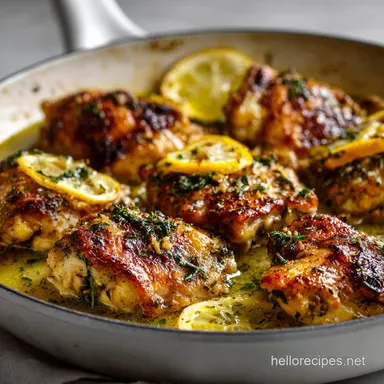
Lemon Garlic Butter Chicken
Ingredients:
Instructions:
Nutrition Facts:
| Calories | 422 kcal |
|---|---|
| Protein | 24 g |
| Fat | 33 g |
| Carbs | 8 g |
| Fiber | 4 g |
| Sugar | 2 g |
| Sodium | 415 mg |
