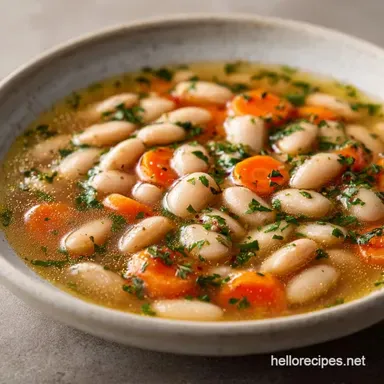
Hearty Bean and Vegetable Soup: Velvety and Plant-Based
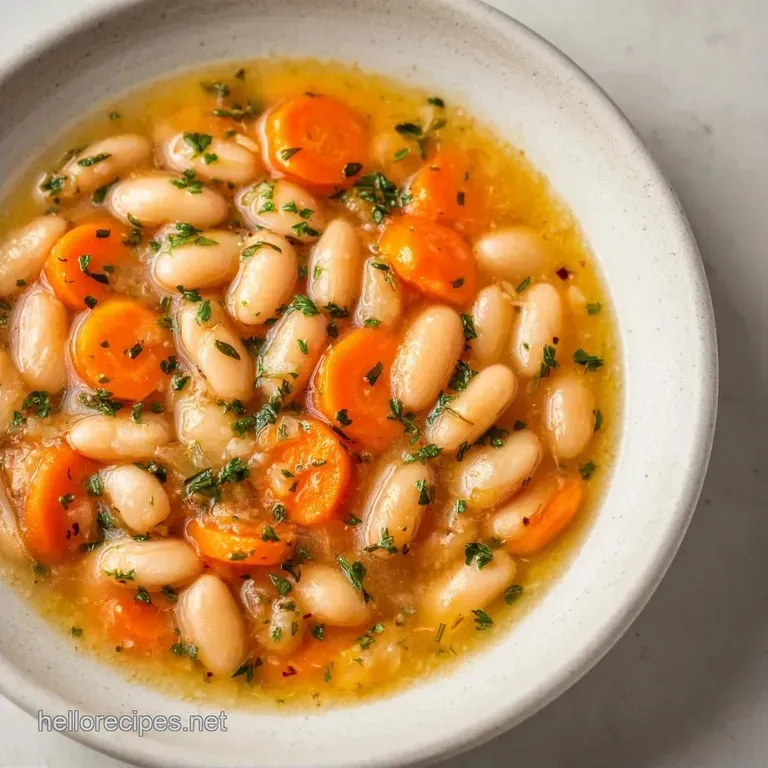
- Time: 15 min active + 30 min simmering
- Flavor/Texture Hook: Velvety broth with chunky, tender vegetables
- Perfect for: Easy weeknight dinner or cold weather meal prep
- Hearty Bean and Vegetable Soup
- The Secret to a Thick Broth
- Essential Hearty Soup Details
- The Core Flavor Components
- The Right Tools for Soup
- Cooking Steps and Aroma Cues
- Fixing Common Soup Issues
- Creative Mix ins and Swaps
- Storing and Saving Leftovers
- Best Side Dish Pairings
- Recipe FAQs
- 📝 Recipe Card
Hearty Bean and Vegetable Soup
Ever wonder why some vegetable soups taste like thin, salty water while others feel like a warm hug in a bowl? The secret usually isn't some fancy ingredient, but how the vegetables are layered and how the broth is thickened.
I remember the first time I tried making a plant based soup for a group of friends who loved their cream based chowders. I was terrified it would feel "light" or unsatisfying, but the moment that pot started simmering, the smell of fire roasted tomatoes and thyme filled the kitchen and everyone knew it was going to be a hit.
This Hearty Bean and Vegetable Soup is all about that satisfaction. It's vibrant, chunky, and has a depth of flavor that makes you forget there's no meat in the pot. We're using cannellini beans for their creamy texture and gold potatoes that hold their shape just long enough to be tender without turning into mush.
You can expect a dish that is brightened up at the very end with a squeeze of lemon juice, which cuts through the starchiness of the beans and potatoes. It's a simple process, but it's designed to maximize every single scent and flavor note. Let's get into how to make this a staple in your kitchen.
The Secret to a Thick Broth
Most people think you need a roux or a cornstarch slurry to get a soup to feel "hearty." But in this recipe, we use a trick that's as old as time: the bean mash. By crushing a few of the cannellini beans directly against the side of the pot, you release their natural starches into the liquid. This creates a velvety consistency similar to the richness found in a homemade loaded potato soup, but keeps everything plant based and light.
- Starch Release
- Mashing the beans breaks the cell walls, releasing amylopectin which binds the water and fats in the broth.
- Acid Balance
- Adding lemon juice at the end doesn't just add flavor, it physically brightens the heavy notes of the beans and potatoes.
- Aromatic Layering
- Sautéing the "mirepoix" (onion, carrot, celery) first creates a base of sweetness that balances the acidity of the tomatoes.
- Residual Wilting
- Adding the kale at the very end using only the residual heat prevents the greens from turning a dull olive brown color.
| Method | Prep Time | Texture | Best For |
|---|---|---|---|
| Fast (Canned/Pre cut) | 10 mins | Smooth, consistent | Busy weeknights |
| Classic (Fresh Chop) | 25 mins | Rustic, chunky | Weekend cooking |
| Slow Cooker | 15 mins | Very soft, integrated | Set and forget meals |
Essential Hearty Soup Details
When you're putting together a plant based dish, the quality of your base determines everything. I've found that using fire roasted tomatoes instead of plain canned ones adds a smoky, charred note that mimics the flavor of a slow cooked meat stock. According to Serious Eats, the roasting process caramelizes the sugars in the tomatoes, providing a deeper, more complex flavor profile that anchors the entire soup.
The choice of cannellini beans is also intentional. They have a thinner skin and a creamier interior than kidney or black beans, which makes them the perfect candidate for the thickening trick. If you look at the USDA FoodData, cannellini beans are packed with soluble fiber, which not only helps you feel full but also contributes to that silky mouthfeel as they break down during the simmer.
The gold potatoes are another key. Unlike Russets, which can disintegrate and make a soup grainy, gold potatoes have a waxy texture. They stay in distinct cubes, providing a satisfying chew against the softness of the beans.
This contrast is what makes the Hearty Bean and Vegetable Soup feel like a complete meal rather than just a side dish.
The Core Flavor Components
For the best results, stick to these specific ingredients. I've listed some substitutes, but keep in mind that changing the bean or the potato will change the overall thickness of the broth.
- Extra Virgin Olive Oil (2 tbsp): The base for our aromatics. Why this? Adds a fruity, peppery note. (Sub: Avocado oil)
- Yellow Onion (1 medium, diced): The sweetness foundation. Why this? Balanced flavor, not too sharp. (Sub: White onion)
- Carrots (2 medium, sliced): For earthy sweetness. Why this? Adds color and nutrition. (Sub: Parsnips)
- Celery (2 stalks, diced): The salty, herbal bridge. Why this? Essential for the mirepoix base. (Sub: Fennel)
- Garlic (4 cloves, minced): The pungent kick. Why this? Fresh garlic is non negotiable here. (Sub: 1 tsp garlic powder)
- Cannellini Beans (2 cans, 15 oz each, drained/rinsed): The protein and thickener. Why this? Creamiest white bean option. (Sub: Great Northern beans)
- Fire Roasted Diced Tomatoes (1 can, 14.5 oz): For smoky acidity. Why this? Much more flavor than plain diced. (Sub: Diced tomatoes + 1/2 tsp smoked paprika)
- Gold Potatoes (2 medium, cubed small): For heartiness. Why this? Holds shape better than Russets. (Sub: Red potatoes)
- Low Sodium Vegetable Broth (6 cups): The liquid gold. Why this? Control the salt levels yourself. (Sub: Water + veg bouillon)
- Dried Thyme (1 tsp): The earthy herbal note. Why this? Pairs perfectly with carrots and beans. (Sub: Dried oregano)
- Bay Leaf (1): For a subtle, floral depth. Why this? Cuts through the starchiness. (Sub: Omit)
- Sea Salt (1 tsp): To wake up all the flavors. Why this? Clean, sharp saltiness. (Sub: Kosher salt)
- Black Pepper (1/2 tsp): For a tiny bit of heat. Why this? Classic pairing. (Sub: White pepper)
- Fresh Kale or Spinach (3 cups, chopped): For color and nutrients. Why this? Adds a fresh, bitter contrast. (Sub: Swiss chard)
- Fresh Lemon Juice (1 tbsp): The "brightness" agent. Why this? Wakes up the whole pot. (Sub: Apple cider vinegar)
- Fresh Parsley (1/4 cup, chopped): The final fresh touch. Why this? Clean, grassy finish. (Sub: Cilantro)
| Original Ingredient | Substitute | Why It Works |
|---|---|---|
| Cannellini Beans | Chickpeas | Similar protein; Note: Nuttier flavor, less creamy |
| Gold Potatoes | Sweet Potato | Adds sweetness; Note: Changes color to orange/yellow |
| Kale | Spinach | Same nutrients; Note: Wilts much faster, milder taste |
| Vegetable Broth | Mushroom Broth | Deepens umami; Note: Much bolder, earthier flavor |
The Right Tools for Soup
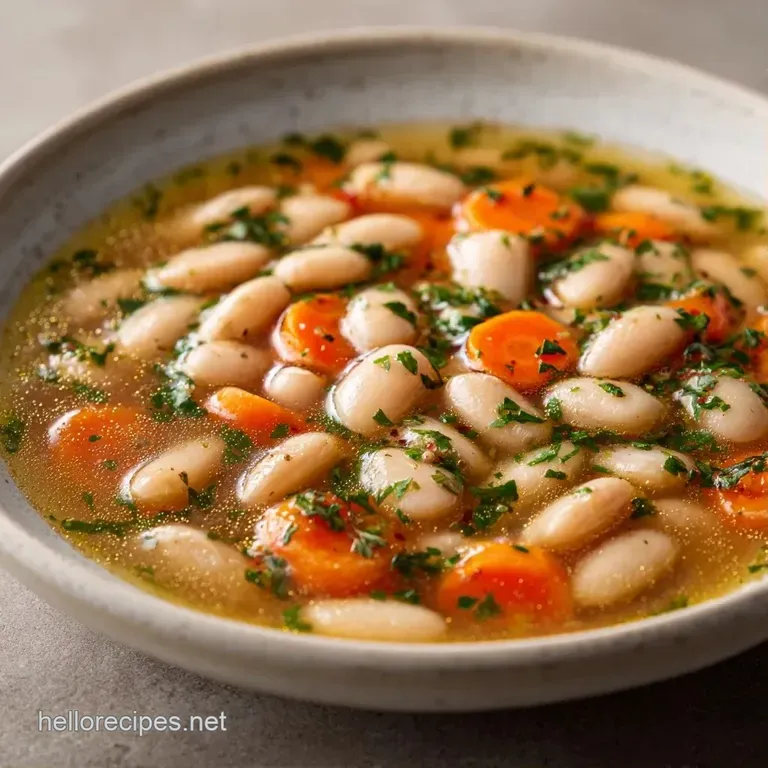
You don't need a professional kitchen to nail this, but a few specific tools make the process way smoother. I always reach for a Dutch oven because the heavy bottom prevents the vegetables from scorching during the initial sauté.
If you use a thin pot, the onions tend to stick or burn in the center, which adds a bitter taste you don't want.
A sharp chef's knife is key for the mirepoix. When your onion, carrot, and celery are roughly the same size, they cook at the same rate. I've seen people put huge chunks of carrot with tiny diced onions, and by the time the carrots are soft, the onions are basically gone.
Consistency in your chop equals consistency in your flavor.
Finally, have a sturdy potato masher or just a large spoon ready. Since we're mashing beans directly in the pot, you want something that can handle the heat and the pressure. Honestly, I just use the back of a wooden spoon to press the beans against the side of the pot - it's faster and gives you more control over how much you thicken.
Cooking Steps and Aroma Cues
This is where the magic happens. Pay attention to the smells - they're your best guide to knowing when to move to the next step. When you're prepping your greens, you can use a similar chopping technique to what I suggest for my green bean casserole to keep the pieces uniform.
Phase 1: Building the Flavor Foundation
- Heat the olive oil in your Dutch oven over medium heat. Wait until the oil shimmers but isn't smoking.
- Add the diced onion, carrots, and celery. Sauté for 6-8 minutes. Note: You're looking for the onions to become translucent and the carrots to soften slightly.Scent cue: The kitchen should smell sweet and savory, like a classic Sunday roast.
- Stir in the minced garlic. Cook for exactly 60 seconds. Note: Garlic burns quickly and becomes bitter, so don't let it brown.Scent cue: A sharp, pungent aroma that fills the room instantly.
Phase 2: The Simmer and Thicken
- Add the diced tomatoes, cubed potatoes, drained beans, thyme, and the bay leaf. Stir everything together so the vegetables are coated in the oil and garlic.
- Pour in the 6 cups of vegetable broth. Increase the heat to bring the mixture to a boil.
- Once boiling, immediately reduce the heat to low. Simmer uncovered for 20 minutes. Visual cue: The potatoes should be fork tender and the broth should look slightly thickened.
- Use a spoon to mash a small handful of beans against the side of the pot. Note: Do this in 3-4 different spots to ensure the starch integrates evenly.
Phase 3: The Finishing Touches
- Remove the bay leaf (don't forget this, or someone will find it in their bowl!). Stir in the chopped kale or spinach. Let it wilt in the residual heat for 2 minutes. Visual cue: The greens should turn a bright, vibrant emerald.
- Stir in the fresh lemon juice and chopped parsley. Scent cue: The heavy, earthy smell of the soup is suddenly cut by a zingy, citrusy freshness.
Fixing Common Soup Issues
Even the best home cooks run into snags. The most common issue with this Hearty Bean and Vegetable Soup is getting the consistency just right. Because potatoes and beans vary in starch content, your results might differ slightly from mine.
My soup is too thin/watery
This usually happens if the potatoes weren't starchy enough or if you didn't mash enough beans. If you've finished the soup and it still feels like a broth rather than a hearty meal, just take a cup of the soup (beans and liquid) out, blend it or mash it in a bowl, and stir it back in.
The flavor tastes dull or flat
This is almost always a lack of acid. When a soup tastes "brown" or flat, it doesn't need more salt - it needs acid. Add an extra teaspoon of lemon juice or a splash of apple cider vinegar. You'll notice the other flavors suddenly "pop."
The vegetables are mushy
This happens if the heat was too high during the simmer or if the potato cubes were too small. Keep your simmer at a very low bubble. If you see large bubbles breaking the surface, turn the heat down.
| Problem | Root Cause | Solution |
|---|---|---|
| Bitter taste | Burnt garlic | Start over or balance with a pinch of sugar |
| Dull color | Overcooked kale | Stir in greens at the very last second |
| Too salty | Broth reduction | Add a splash of water or an extra potato |
Common Mistakes Checklist
- ✓ Did you rinse the canned beans? (Prevents a "tinny" taste)
- ✓ Did you remove the bay leaf? (Avoids a choking hazard)
- ✓ Is the simmer low? (Prevents mushy vegetables)
- ✓ Did you add the lemon at the end? (Preserves the bright flavor)
- ✓ Did you mash the beans? (Creates the heartiness)
Creative Mix ins and Swaps
Once you've nailed the base, you can start playing with the flavor profile. This recipe is a great canvas for multicultural fusion. For a Mediterranean twist, stir in some chopped Kalamata olives and a sprinkle of dried oregano instead of thyme.
The saltiness of the olives pairs beautifully with the creaminess of the cannellini beans.
If you want a more "Old Fashioned Bean and Vegetable Soup" vibe, swap the fire roasted tomatoes for a tablespoon of tomato paste and add a pinch of smoked paprika. This gives it a deeper, redder color and a more traditional, rustic taste that reminds me of the soups my grandmother used to make.
For those who want a Hearty White Bean Vegetable Soup without the red tones, simply omit the tomatoes entirely. To keep the depth of flavor, I recommend adding a teaspoon of white miso paste or a bit of parmesan rind while the soup simmers. This adds the umami "oomph" that the tomatoes usually provide.
If you're looking for a Hearty Bean Soup Vegetarian option that feels even more decadent, stir in a tablespoon of nutritional yeast or a dollop of vegan cashew cream right before serving. It gives the broth a cheesy, rich quality that kids especially love.
Storing and Saving Leftovers
Soup is almost always better the next day because the flavors have more time to marry. This Hearty Bean and Vegetable Soup stores beautifully in the fridge for 4-5 days. Just make sure you let it cool down slightly before putting it in an airtight container to avoid condensation, which can make the vegetables soggy.
For the freezer, this soup is a champion. I usually freeze it in quart sized glass jars or freezer bags, leaving about an inch of headspace for expansion. It stays fresh for up to 3 months. One thing to note: the potatoes can sometimes get a slightly grainy texture after freezing.
To fix this, just give the soup a good stir and a quick mash of a few beans when you reheat it to re emulsify the broth.
When reheating, I prefer the stovetop over the microwave. Heat it over medium low, adding a splash of water or broth if it has thickened too much in the fridge. If you're reheating a frozen block, let it thaw in the fridge overnight first.
To keep things zero waste, don't throw away your veggie scraps! I keep a bag in the freezer for onion skins, carrot ends, and celery leaves. When the bag is full, I simmer them in water for two hours to make a homemade vegetable broth for the next batch of soup. It's a total win for your wallet and the planet.
Best Side Dish Pairings
While this soup is a meal in itself, the right side dish turns it into a feast. The most obvious choice is a thick, crusty piece of sourdough bread. I love brushing the bread with garlic butter and toasting it under the broiler until the edges are charred.
The crunch of the toast is the perfect contrast to the velvety soup.
If you want something lighter, a crisp arugula salad with a simple lemon olive oil vinaigrette works wonders. The peppery bite of the arugula cuts through the richness of the beans and potatoes, keeping the meal feeling balanced and fresh.
For a more filling pairing, try a side of roasted garlic focaccia or even a small bowl of quinoa mixed with fresh herbs. If you're serving this for a crowd, I like to put out a "topping bar" with grated parmesan (or vegan parm), red pepper flakes for heat, and a few extra lemon wedges.
It lets everyone customize their bowl to their own taste.
Recipe FAQs
Is this soup gluten-free?
Yes, it is entirely gluten-free. All ingredients, including the vegetable broth and cannellini beans, contain no wheat or gluten.
Can I use dried beans instead of canned?
Yes, but they must be soaked and cooked first. Dried beans take significantly longer to soften than canned ones. For another way to use legumes, try our Tuscan white bean variation.
How can I make this soup lower in sodium?
Use a no-salt added vegetable broth. You can also rinse the canned cannellini beans thoroughly and reduce the amount of added sea salt.
What’s the best way to brighten the flavor if it tastes a little flat?
Stir in fresh lemon juice at the very end. The acidity cuts through the earthiness of the beans and potatoes to wake up the other savory flavors.
What are some common mistakes to avoid when making hearty vegetable soup?
Avoid overcooking the greens. Adding kale or spinach too early makes them mushy and brown; instead, stir them in during the final two minutes of cooking.
How to thicken the broth without adding flour?
Mash a handful of beans against the side of the pot. This releases natural starches into the liquid, creating a creamier texture without altering the flavor profile.
Which spices are recommended for white bean soup?
Dried thyme and a bay leaf are the primary aromatics. These pair perfectly with the gold potatoes and cannellini beans for a classic, savory depth.
Hearty Bean And Vegetable Soup