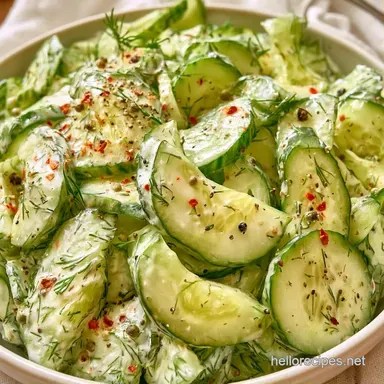
Old Fashioned Dill Seed Pickles: Extra Crunchy
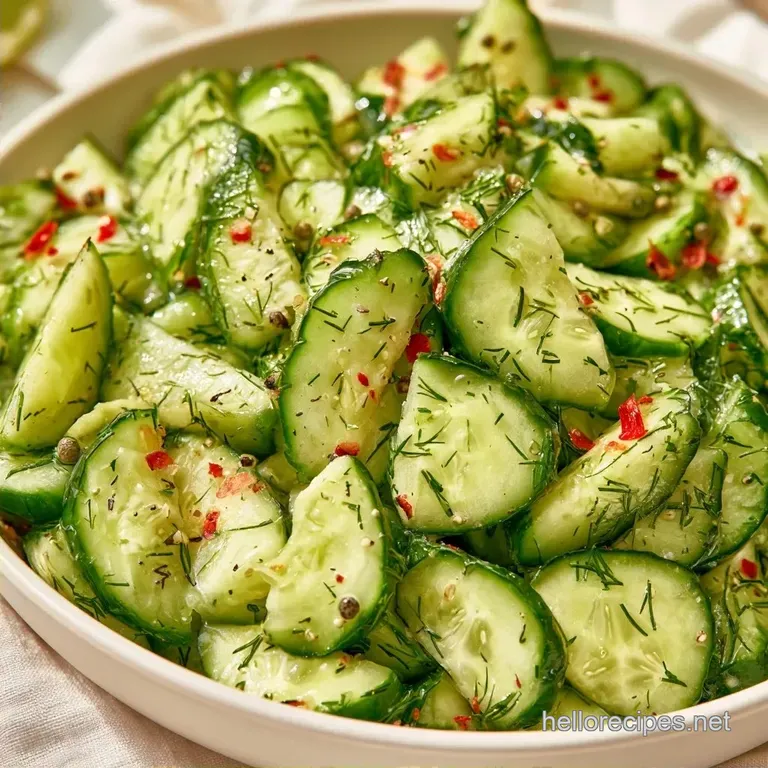
- Time: 30 min active + 24 hrs chilling
- Flavor/Texture Hook: Tangy, vinegary bite with savory dill tones
- Perfect for: Weekly meal prep, topping sandwiches, or appetizer trays
- Easy Old Fashioned Dill Seed Pickles
- Why These Stay Crunchy
- Gathering Your Essentials
- Equipment Needed
- Making the Pickles
- Solving Common Problems
- Try These Flavor Twists
- Adjusting the Batch Size
- Common Pickle Misconceptions
- Storing Your Jars
- The Best Pairings
- Very High in Sodium
- Recipe FAQs
- 📝 Recipe Card
That pungent, vinegary aroma that hits you as soon as you open the jar is pure nostalgia. For many, this style evokes the old-school immigrant delis where jars steeped in cold brine for weeks. It wasn't about sophisticated techniques just honest ingredients and a bit of patience.
I remember these being a staple in our refrigerator, always crisp with a slight spicy kick. Most commercial brands taste like syrup and preservatives, whereas these homemade pickles have a clean, vivid acidity.
You'll end up with a bold, salty snack that cuts right through rich dishes. Making your own Dill Seed Pickles is a budget friendly victory that brings a professional deli vibe to your kitchen.
Easy Old Fashioned Dill Seed Pickles
Getting these right is all about the prep. If you're too lazy with the cucumber trim, you'll end up with something mushy. But when you do it right, the snap is loud enough to hear across the room.
It's a fast process, really. Most of the work is just chopping and packing. Once the brine hits the jars, the waiting game begins. Trust me, the 24 hour wait is where the magic happens as the salt and vinegar penetrate the core of the cucumber.
Why These Stay Crunchy
You don't need a lab to understand why some pickles turn into sponges while others stay firm. It comes down to a couple of simple physical changes.
The Blossom Trim: The end of the cucumber opposite the stem contains enzymes that break down pectin. Cutting off 1/8 inch of that end stops the softening process before it starts.
Brine Temperature: Pouring the brine while hot helps the liquid penetrate the skin quickly, but the immediate move to the fridge locks in the structure.
Since these are refrigerator style, they avoid the long boiling times of canned versions, which often overcook the vegetable. If you want a different approach to the liquid, you can check out this dill pickle brine for more ideas.
| Method | Prep Time | Texture | Best For |
|---|---|---|---|
| Fresh Fridge | 30 mins | Extra Snap | Short term snacking |
| Canned | 2 hours | Softer | Long term pantry storage |
| Quick Soak | 10 mins | Firm/Raw | Immediate use |
Gathering Your Essentials
I prefer using Persian or Kirbypass cucumbers. Their thin skins and tiny seeds provide a crispier texture and prevent a soggy center.
Dill Seed Pickle Recipe Ingredients:
- 3 lbs Kirbypass or Persian cucumbers, sliced into spearsWhy this? Thinner skins allow for better brine penetration
- 12 cloves garlic, smashedWhy this? Smashed cloves release more aromatic oils than slicing
- 3 tbsp dill seedsWhy this? Provides a deeper, earthier flavor than fresh dill
- 1 tbsp red pepper flakesWhy this? Introduces a gentle heat that isn't overwhelming
- 12 whole black peppercornsWhy this? Contributes a sharp, woody note
- 2 cups distilled white vinegar (5% acidity)Why this? Ensures the correct acidity for safety and tang
- 2 cups filtered waterWhy this? Removes any chlorine taste found in tap water
- 3 tbsp kosher saltWhy this? Dissolves cleanly without an iodine aftertaste
- 1 tbsp cane sugarWhy this? Softens the acidity without making the pickles sweet
What Each Ingredient Does
| Ingredient | Role | If You Don't Have It |
|---|---|---|
| Distilled Vinegar | Ensures acidity & preservation | Apple cider vinegar (will be sweeter/browner) |
| Kosher Salt | Extracts moisture for a better snap | Sea salt (use slightly less) |
| Dill Seeds | Primary flavor profile | Fresh dill sprigs (less intense) |
| Cane Sugar | Cuts the harsh vinegar edge | Honey or maple syrup |
Equipment Needed
No specialized equipment is required for this recipe; a few basic tools will suffice.
Start with six clean, pint sized glass jars. You will also need a medium saucepan for the brine and a sharp chef's knife to create precise cucumber spears. I recommend using a slotted spoon to ensure the vegetables are packed tightly.
Making the Pickles
Follow these instructions to ensure you achieve a consistent result every time.
- Rinse the cucumbers well under cold water. Trim about 1/8 inch off the blossom end of each to maintain maximum crispness, then slice them into lengthwise spears.
- Distribute the crushed garlic, dill seeds, peppercorns, and red pepper flakes equally among the 6 pint jars.
- Pack the cucumber spears firmly into each jar, leaving roughly 1/2 inch of headspace at the top. Note: Packing them tightly keeps them from floating
- In a medium saucepan, mix the white vinegar, water, kosher salt, and sugar.
- Heat the mixture over medium high until it simmers, stirring until the salt and sugar have fully integrated.
- Carefully add the hot brine to the jars, making sure the cucumbers are fully covered.
- Gently tap the jars on the surface to clear out any air bubbles.
- Seal the lids and allow them to reach room temperature.
- Move the jars to the refrigerator to chill for at least 24 hours.
Chef's Note: For a more pungent flavor, let the brine sit for 10 minutes before pouring. This slightly reduces the initial "cooking" effect on the cucumber.
Solving Common Problems
Even the easiest recipes can go sideways. Most pickle issues are related to temperature or the type of cucumber used.
If your pickles feel soft, you likely skipped the blossom trim or used "slicing" cucumbers, which are bred for salads and have softer cell walls. If the garlic turns a weird blue green color, don't panic. It's a natural reaction between the sulfur in garlic and the acid in vinegar. It's safe to eat.
Why are my pickles floating?
Cucumbers have air pockets. If they float, the exposed tops won't pickle and might get mushy. Press them down with a spoon or use a small glass weight.
Handling Cloudy Brine
Cloudiness usually comes from impurities in the water or the type of sugar used. It doesn't affect the taste, but using distilled water usually keeps the liquid crystal clear.
| Problem | Root Cause | Solution |
|---|---|---|
| Soft Texture | Blossom end not removed | Trim 1/8" off the blossom end |
| Dull Flavor | Brine not simmering | Ensure salt/sugar dissolve fully |
| Floating Spears | Air bubbles trapped | Tap jars or press down with spoon |
Try These Flavor Twists
After mastering the standard Dill Seed Pickles, you can experiment with the aromatics.
The Spicy Version: Double the red pepper flakes or put a sliced habanero in each jar. This creates a slow burning heat that intensifies as you eat.
The Garlic Bomb: Include an additional 4 cloves of garlic per jar, making these an ideal choice for burger toppings.
The Half Sour Style: Cut the vinegar by half and increase the salt. This results in a flavor similar to a fermented deli pickle, though their fridge life will be shorter.
If you're preparing a larger platter, these go perfectly with smoked corned beef for a complete deli style feast.
Adjusting the Batch Size
Making a double or half batch is simple, but don't just multiply everything blindly.
Cutting it in half: Use 1.5 lbs of cucumbers and half the brine ingredients. You'll likely only need 3 pint jars.
Doubling the recipe: Use 6 lbs of cucumbers. When doubling the brine, I find that reducing the total liquid by about 10% prevents the jars from overflowing. Only increase the salt and spices to 1.5x the original amount instead of 2x, as these flavors intensify in larger volumes.
Decision Shortcut:
- Extra tang? → add 1 tbsp extra vinegar
- More heat? → add 1 tsp extra red pepper flakes
- Sweeter finish? → increase sugar to 2 tbsp
Common Pickle Misconceptions
You'll hear a lot of "rules" about pickling that aren't actually true.
One big myth is that you must boil the cucumbers to make them safe. For refrigerator pickles, you don't. The acidity of the vinegar does the preservation work, and skipping the boil is exactly why these stay so crisp.
Another one is that sugar is necessary for the brine to "stick" to the vegetable. It's not. The sugar is purely for flavor balance. You can omit it entirely if you prefer a harsh, salty snap.
Storing Your Jars
These live in the fridge. Because they aren't processed in a water bath, they aren't shelf stable.
Keep them refrigerated and they'll stay great for about 4 to 6 weeks. The texture will slowly soften over a month, so try to eat them within the first 30 days.
Zero Waste Tip: Don't dump the leftover brine. It's basically a seasoned salt vinegar solution. Use it as a marinade for chicken breasts or pour a bit over steamed potatoes for a quick flavor hit. You can also use it to quick pickle some sliced red onions.
The Best Pairings
Dill Seed Pickles are the ultimate palate cleanser. They work because they provide a sharp contrast to fatty, rich foods.
The most obvious pairing is a deli sandwich with melted swiss and roast beef. But they also add a nice bite to a traditional potato salad, where the acidity cuts through the creamy mayo.
For a simple snack, serve them alongside some sharp cheddar cheese and a handful of salty almonds. The brine is so punchy that you don't need any other condiments on the plate.
Very High in Sodium
1755 mg 1755 mg of sodium per serving (76% 76% of daily value)
The American Heart Association recommends a daily sodium limit of 2,300mg, with an ideal limit of 1,500mg for most adults to reduce cardiovascular risk.
Tips to Reduce Sodium
-
Reduce Kosher Salt-30%
Cut the amount of kosher salt by half. For refrigerator style pickles, you can significantly reduce salt without compromising the quality of the crunch.
-
Incorporate Lemon Juice-15%
Substitute a portion of the salt with fresh lemon juice to provide a bright, acidic 'bite' that mimics the sensation of salt on the palate.
-
Boost Vinegar Ratio-10%
Slightly increase the distilled white vinegar or add apple cider vinegar to enhance the tartness, allowing you to use less salt while maintaining flavor.
-
Enhance Aromatics
Double the amount of garlic, dill seeds, and peppercorns to create a bolder, more complex flavor profile that distracts from lower sodium levels.
Recipe FAQs
Is there a difference between dill and dill seed?
Yes, seeds offer a more concentrated, pungent flavor. While fresh dill is grassy and bright, seeds provide a deeper aromatic punch that stands up better to the vinegar brine.
How much dill seed should I use per quart?
Use 1 tablespoon of seed. This ratio scales down the official recipe's 3 tablespoons used for six pint jars to ensure consistent flavor in larger containers.
How to make homemade dill pickle juice?
Simmer white vinegar, water, kosher salt, and sugar in a saucepan until all solids dissolve. If you enjoyed mastering the brine balance here, see how the same principle works in our zesty brine for a standalone juice recipe.
Is it true that the blossom end doesn't affect the texture?
This one's false: Slicing 1/8 inch off the blossom end removes enzymes that cause softening, which is the secret to keeping your spears crunchy.
Which technique makes these pickles taste professional?
Pack the cucumber spears tightly into the jars. This minimizes air gaps and ensures the vegetables are fully submerged, allowing the brine to penetrate the cucumbers evenly.
Dill Seed Pickles in 35 Minutes