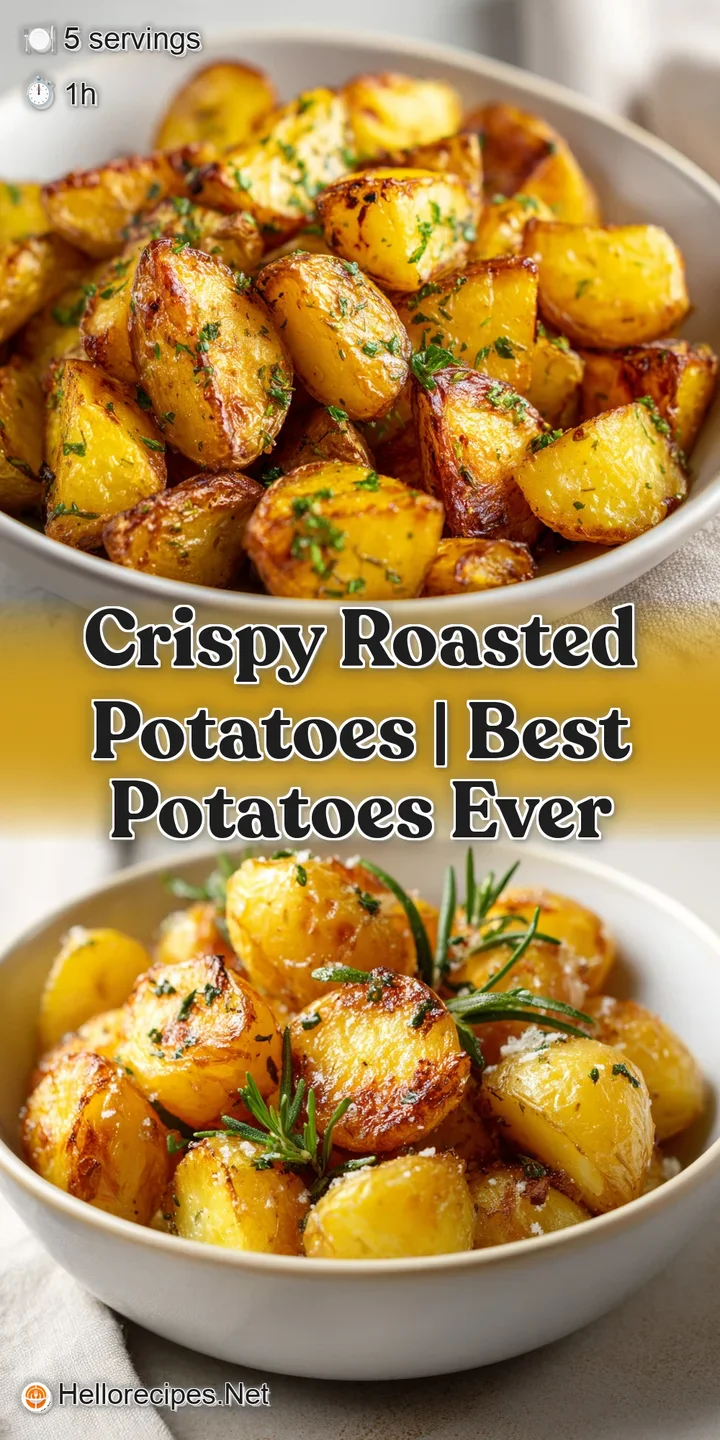
Crispy Roasted Potatoes: Shatteringly Crisp
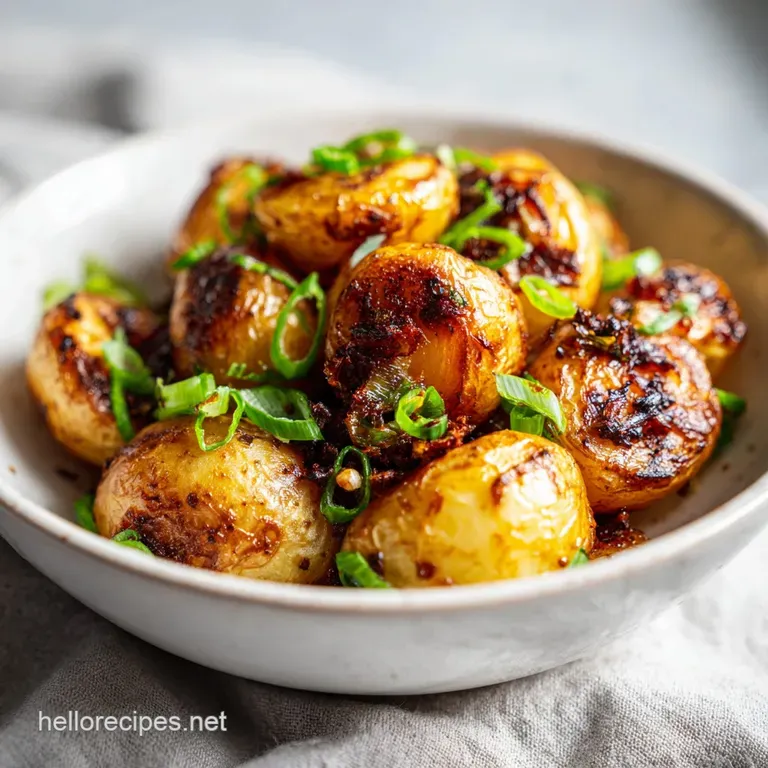
- Time: Active 15 minutes, Passive 45 minutes, Total 60 minutes
- Flavor/Texture Hook: Shatteringly crisp exterior with a buttery, velvety center
- Perfect for: Sunday roasts, holiday feasts, or a distinctive side for steak night
- Making the Best Potatoes You'll Ever Taste
- Why the Starch Slurry Works
- Essential Components and Clever Swaps
- Necessary Tools for Crispy Results
- Steps for Shatteringly Crisp Spuds
- Fixing Common Potato Texture Problems
- Flavor Variations and Ingredient Tweaks
- Keeping and Reheating Your Leftovers
- Modern Garnish and Plating Ideas
- Recipe FAQs
- 📝 Recipe Card
Making the Best Potatoes You'll Ever Taste
Forget everything you’ve been told about needing a deep fryer or liters of expensive duck fat to achieve that legendary crunch. The biggest myth in the potato world is that high heat alone creates crispness. It doesn't.
If you just throw raw spuds into a hot oven, you end up with a tough, leathery skin and a middle that feels a bit like cardboard. I used to think the local Irish pub had some secret industrial equipment, but the truth is far more interesting and honestly, much easier to pull off in a standard home kitchen.
You don't need a culinary degree to master these, but you do need to embrace a little bit of "kitchen violence." We are going to intentionally beat these potatoes up until they look like a blurry, starchy mess.
That mess is exactly what transforms into a golden, craggy crust that literally shatters when you bite into it. It's a modern Irish approach taking a humble, rustic staple and using a clever chemical trick to make it feel like a five star side dish.
Right then, let's look at why this works before we get our hands dirty.
The aroma in your kitchen is going to change the second these hit the oven. You'll move from the earthy, damp scent of raw starch to a toasted, nutty fragrance that signals the olive oil is doing its job.
By the time you toss in that fresh rosemary at the end, the scent of pine and roasted garlic will have everyone wandering into the kitchen asking when dinner is ready. Trust me on this, once you try the "scruffing" method, you’ll never go back to the old way of roasting.
Why the Starch Slurry Works
The secret isn't just the heat; it's the alkalinity and the physical surface of the spud. When we add a specific mineral to the mix, we change how the potato behaves under pressure.
- Pectin Breakdown: Adding baking soda to the mix raises the pH level, which causes the potato's pectin (the "glue" holding the cells together) to break down faster on the surface.
- Slurry Formation: Aggressive tossing creates a thick paste of gelatinized starch on the outside of each chunk, which dehydrates in the oven to form a thick, crunchy shell.
- Convection Efficiency: The irregular, "scruffed" surface area creates thousands of tiny peaks and valleys that trap hot oil and air, leading to a much more even and intense browning.
| Method | Time | Texture | Best For |
|---|---|---|---|
| Traditional Roast | 60 mins | Leathery skin, soft | Basic weeknight sides |
| Baking Soda Scruff | 45 mins | Glass like crunch | Dinner parties/Holidays |
| Double Fry | 30 mins | Uniformly crisp | Fast food style cravings |
The difference between a "good" potato and the best potatoes you will ever taste often comes down to the variety of the spud itself. In Ireland, we love a floury potato, and the Russet is the perfect modern substitute for those traditional varieties.
Because Russets are high in starch and low in moisture, they are the absolute best potatoes for roasting if you want that contrast between a dry, crispy shell and a steaming, soft interior.
Essential Components and Clever Swaps
Every single ingredient here has a functional role. We aren't just seasoning for flavor; we are seasoning for physics. The olive oil isn't just for fat it's the heat transfer medium that ensures every nook and cranny of that starchy slurry gets blasted by the oven's heat.
| Ingredient | Science Role | Pro Secret |
|---|---|---|
| Russet Potatoes | High starch content | Leave the skins on for extra structural integrity and a rustic look. |
| Baking Soda | Alkaline catalyst | Don't skip this; it's what creates the "fuzz" that turns into crunch. |
| Extra Virgin Olive Oil | Heat conductor | Use a high-quality oil for a fruity finish that mimics expensive fats. |
To keep things interesting, here is how you can swap things out if your pantry is looking a bit bare. Keep in mind that some swaps will slightly alter the final texture or the "shatter" factor.
- Russet Potatoes: Yukon Gold. Why this? They provide a creamier, waxier interior but won't get quite as crunchy.
- Extra Virgin Olive Oil: Beef tallow or duck fat. Why this? These animal fats have a higher smoke point and add an incredible savory depth.
- Fine Sea Salt: Kosher salt. Why this? Larger crystals provide a nice "pop" of saltiness on the finished crust.
- Garlic Powder: Granulated onion. Why this? Offers a similar savory "umami" punch without the risk of burning as easily.
- Smoked Paprika: Sweet paprika or cayenne. Why this? Changes the flavor profile from smoky to bright or spicy.
- Fresh Rosemary: Fresh thyme or sage. Why this? Both herbs stand up well to the heat and provide an earthy, autumnal aroma.
Necessary Tools for Crispy Results
You don't need a laboratory, but you do need a few specific items to ensure you aren't steaming your potatoes instead of roasting them. The biggest enemy of a crispy potato is crowded space and trapped moisture.
First, you'll need a large stainless steel mixing bowl. You want something big enough that you can really throw those potatoes around. A small bowl will prevent you from getting that "slurry" we’re looking for. Second, a large rimmed baking sheet is vital.
If the sides are too high, they trap steam; if the pan is too small, the potatoes will touch and steam each other.
Finally,, make sure your oven is calibrated. We are aiming for 220°C (425°F). If your oven runs cool, you'll end up with greasy spuds. If you find your oven is always a bit temperamental, you might want to try air fryer jacket potatoes for a faster, more controlled environment, though you won't get the same volume as this sheet pan method.
Steps for Shatteringly Crisp Spuds
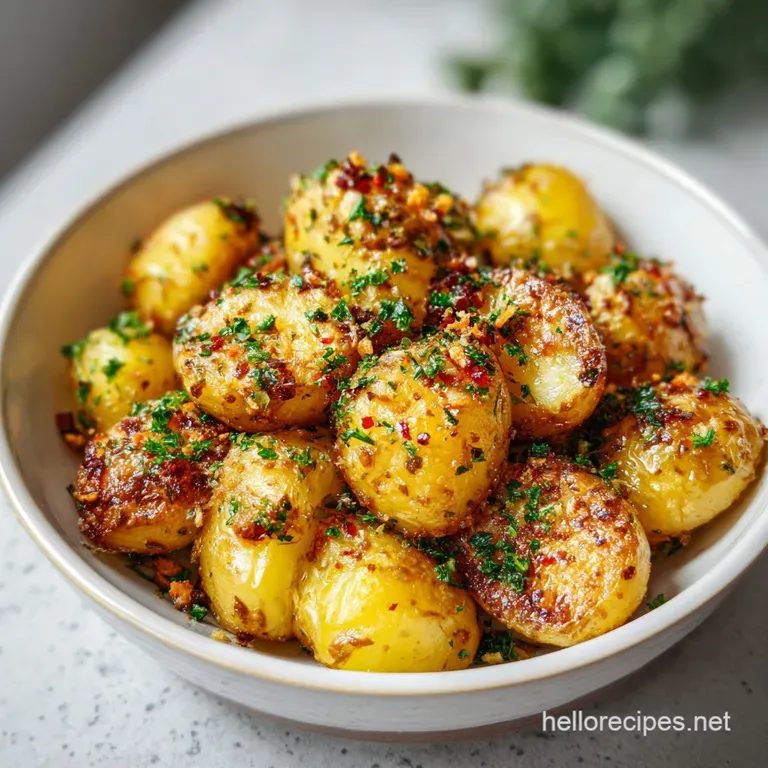
- Scrub 3 lbs of Russet potatoes under cold water. Cut them into 1 inch chunks, keeping the sizes as uniform as possible. Note: Uniformity ensures they all finish cooking at the exact same time.
- Place the potato chunks into your large mixing bowl. Add 4 tbsp extra virgin olive oil, 1 tsp salt, 1 tsp garlic powder, 0.5 tsp smoked paprika, and 1 tsp baking soda.
- Toss the potatoes aggressively for 60 seconds. Use a heavy spoon or your hands to "scruff" the edges until a thick, grey ish starchy paste coats every piece. The potatoes should look messy and beaten up.
- Slide a large rimmed baking sheet into the oven while it preheats to 220°C (425°F). Note: A hot pan prevents the potatoes from sticking and starts the searing process immediately.
- Carefully spread the potatoes onto the preheated pan in a single layer. Ensure there is space between each piece.
- Roast for 20 minutes without touching them. Wait until the bottom crust is fully set and golden before attempting to flip.
- Flip the potatoes and continue roasting for another 25 to 30 minutes. Roast until they are deep mahogany and sound hollow when tapped with a spatula.
- Remove the pan from the oven. Immediately toss the hot potatoes with 1 tbsp finely minced fresh rosemary. Listen for the sizzle as the herbs hit the residual oil.
- Serve immediately while the exterior is at its peak "shatter" state.
Fixing Common Potato Texture Problems
Even with the best intentions, potatoes can be finicky. The most common issue is the dreaded "soggy bottom," which usually happens because of trapped moisture or not enough fat. If your potatoes are sticking, don't panic and try to rip them off give them another five minutes.
They will naturally release once the crust has formed.
Why Your Potatoes Are Soggy
If your spuds come out limp, it's usually because the pan was overcrowded or the oven temperature dropped too low. When potatoes are too close together, the moisture they release turns into steam, which softens the starch instead of crisping it.
Why Your Garlic Tastes Bitter
Garlic powder is great, but if it burns, it turns acrid. This usually happens if you use a thin, cheap baking sheet that has "hot spots." Using a heavy duty pan helps distribute the heat more evenly across all 3 lbs of your potatoes.
| Problem | Root Cause | Solution |
|---|---|---|
| Potatoes sticking | Pan wasn't hot enough | Preheat the baking sheet for 10 mins before adding spuds. |
| Soft exterior | Overcrowded pan | Use two sheets or roast in batches to allow steam to escape. |
| Burnt herbs | Herbs added too early | Always add fresh herbs after roasting to preserve color and oils. |
Chef's Tip: If you really want to level up the texture, freeze your potato chunks for 10 minutes after tossing them in the slurry but before putting them in the oven. This "flash chills" the starch and helps it crisp up even faster when it hits the 220°C heat.
Common Mistakes to Avoid:
- ✓ Never use "waxy" boiling potatoes for this specific recipe; they won't hold the slurry.
- ✓ Don't be gentle when tossing; you need to physically damage the surface of the potato.
- ✓ Avoid using a silicone mat; the potatoes need direct contact with the metal pan for maximum crunch.
- ✓ Resist the urge to flip them too early the first 20 minutes are crucial for building the base crust.
- ✓ Make sure your rosemary is completely dry before mincing; moisture will dampen the crunch.
Flavor Variations and Ingredient Tweaks
While the classic rosemary and garlic combo is a staple of Irish contemporary cooking, you can easily adapt this base to fit different cuisines. The "slurry" technique works with almost any dry spice blend.
If you’re looking for a different vibe, try a "Chili Lime" version. Swap the rosemary for fresh cilantro and the paprika for chipotle powder. Once they come out of the oven, hit them with a squeeze of fresh lime juice. The acid cuts through the olive oil beautifully.
For a more traditional "Pub Style" finish, toss the hot potatoes in a mix of grated Parmesan and black pepper. The cheese melts into the crannies of the crust and creates a savory, lacy texture.
If you find yourself making these often, you might start wondering about other ways to prep spuds. While these are the ultimate for crunch, sometimes you want something softer, like silky smooth mashed potatoes, which use a completely different starch management technique to achieve that velvety finish.
| Servings | Potato Weight | Oil Amount | Pan Size |
|---|---|---|---|
| 2 People | 1.2 lbs (550g) | 2 tbsp | Small quarter sheet |
| 5 People | 3.0 lbs (1.36kg) | 4 tbsp | Large half sheet |
| 10 People | 6.0 lbs (2.72kg) | 8 tbsp | Two large half sheets |
When scaling up to 6 lbs for a big crowd, remember that your oven's recovery time will be slower. Every time you open the door to rotate two pans, you lose significant heat. Increase your total cook time by about 10 minutes to compensate.
Keeping and Reheating Your Leftovers
Let's be honest: these are rarely left over. But if you do have a few stray chunks, don't you dare put them in the microwave. Microwaving a crispy potato is a crime against cooking; it turns that beautiful shatter crisp crust into a rubbery, sad mess.
Storage: Place cooled potatoes in an airtight container. They will stay fresh in the fridge for up to 4 days. You can also freeze them in a single layer on a tray, then transfer to a bag. They’ll last 2 months in the freezer.
Reheating: The only way to bring back the crunch is dry heat. Put them back on a baking sheet at 200°C (400°F) for about 8-10 minutes.
If they are frozen, don't thaw them just put them straight into the hot oven for 15-20 minutes.
Zero Waste Tip: If you have potato peels left over from other recipes, don't toss them! Toss those skins in a little olive oil and salt and bake them at the same time as your roast potatoes. They turn into "Irish crisps" that are perfect for snacking on while you finish the rest of dinner.
Modern Garnish and Plating Ideas
In contemporary Irish cooking, we focus heavily on color balance to make rustic food look "photographic" and distinctive. A pile of brown potatoes can look a bit dull, so we use three specific color accents to make the dish pop.
First, the Deep Pine Green of the rosemary. By adding it at the very end, the needles stay vibrant rather than turning black and bitter. Second, the Dusty Orange of the smoked paprika. This provides a warm base glow to the potatoes that makes them look even more golden.
Finally, the Bright White of flaky sea salt (like Maldon). Sprinkle this from a height just before serving; the crystals catch the light and signal to the brain that there's a satisfying crunch coming.
For the best presentation, don't just dump them in a bowl. Use a wide, flat wooden board or a slate platter. Spread them out so the "shatter" crust is visible on as many pieces as possible. Garnish with a few whole sprigs of rosemary to give it that "just out-of the-garden" feel.
The contrast between the dark platter, the golden potatoes, and the bright green herbs makes for a truly distinctive centerpiece.
The potatoes youll ever taste aren't about fancy ingredients; they are about mastering the physical transformation of starch. Once you see that first batch come out of the oven, glowing and crackling, you'll understand why this is the only way I ever make them now.
You’ve got the science, the steps, and the tricks now go make some noise in that kitchen!
Recipe FAQs
What is the most flavorful potato?
Russets are the top choice for roasting. Their high starch content creates a superior, thick, starchy paste when tossed with oil, resulting in a deeper, crunchier crust than waxy varieties.
Are potatoes good for a cardiac diet?
Yes, when prepared with heart healthy oils. Using extra virgin olive oil rather than saturated fats makes these a wholesome, nutrient dense component of a balanced meal.
Which potato is best for diabetics?
No specific potato is a "miracle" food for diabetes. However, portion control and pairing these potatoes with lean proteins or fiber rich vegetables can help manage glucose responses.
Do potatoes help with serotonin?
Yes, potatoes are a source of carbohydrates that assist in serotonin production. Consuming healthy complex carbohydrates supports the brain's ability to synthesize this neurotransmitter, potentially boosting mood.
Is it true I should move the potatoes immediately after putting them on the pan?
No, this is a common misconception. You must leave the potatoes undisturbed for the first 20 minutes of roasting at 425°F to allow the bottom crust to set properly.
How to get the crispiest texture possible?
Toss the potatoes aggressively for 60 seconds to create a thick, starchy slurry on the surface. If you enjoyed achieving this crust texture, you can apply similar principles for crispness in our Air Fryer Sweet Potato recipe.
How to ensure the potatoes don't end up unevenly cooked?
Cut the potatoes into uniform 1 inch chunks during preparation. Keeping the pieces the same size ensures they all finish roasting at the exact same time.
Crispy Roasted Potatoes
Ingredients:
Instructions:
Nutrition Facts:
| Calories | 313 kcal |
|---|---|
| Protein | 5.4 g |
| Fat | 11.1 g |
| Carbs | 49.4 g |
| Fiber | 3.5 g |
| Sugar | 1.1 g |
| Sodium | 480 mg |
