The Golden Crown Sage Apple and Crispy Prosciutto Brioche Dressing
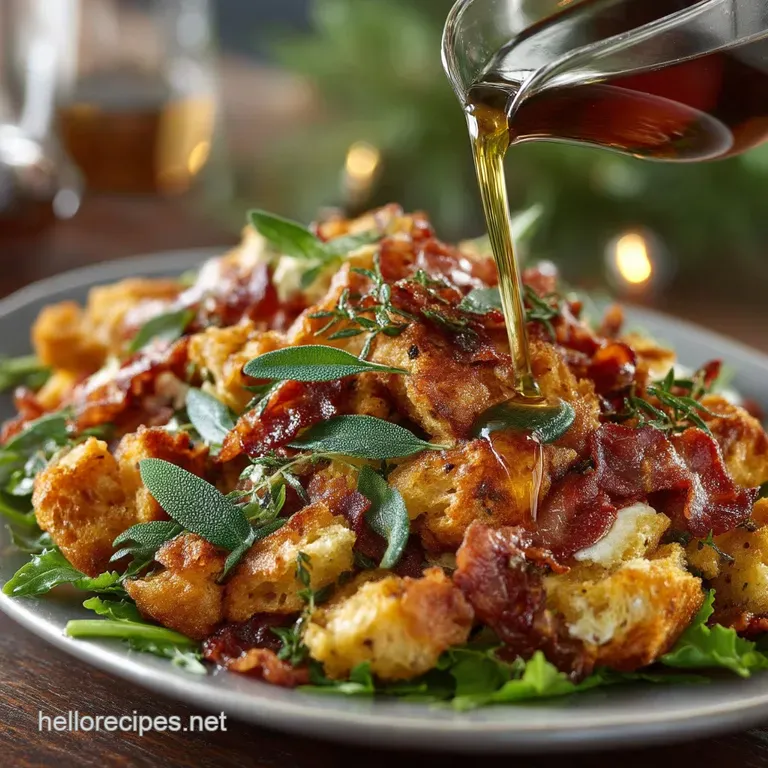
Why This Brioche Dressing Is What You Should Make for Thanksgiving
If you are currently planning your Thanksgiving Dinner and wondering what should i make for thanksgiving dinner that truly stands out, the answer lies in elevating the humble stuffing. This Sage, Apple, and Crispy Prosciutto Brioche Dressing is the definitive upgrade.
It’s a medium difficulty recipe, demanding 30 minutes of active prep time and 45– 50 minutes in the oven, but the results a generous 10 12 servings of golden perfection are entirely worth the investment.
Forget serving the same old boring side; this recipe brings a necessary layer of sophistication and depth to the traditional Thanksgiving Menu .
Ditching the Soggy Status Quo for Perfection
The primary reason most home cooks struggle with stuffing is moisture control, often resulting in a dense, heavy brick rather than a light, airy side dish. Our strategy, known as "dressing" since we cook it outside the bird in a 9x13 inch casserole dish, completely eliminates the risk of uneven cooking.
The crucial preparation step here is drying the bread. We need 1.5 pounds (680 g) of brioche cubes spread on a large baking sheet and left exposed for a minimum of four hours, or ideally, overnight.
This dryness is non-negotiable; it creates the structural integrity required to absorb the three lightly whisked large eggs and the 3.5 to 4 cups of warmed stock without turning into glue when mixed.
The Role of Buttery Brioche in Ultimate Texture
Standard sandwich bread lacks the rich fat content necessary to withstand the baking process while remaining light. Brioche, with its high butter and egg ratio, acts like a sponge, soaking up the flavorful liquid (low-sodium chicken or turkey stock) while maintaining distinct, fluffy internal pockets.
When baked, these cubes develop a robust, golden crust on top while the interior remains incredibly moist and tender. This duality the crispy exterior giving way to the velvety heart is exactly What You Should Make for Thanksgiving to impress your guests.
A Symphony of Savory, Sweet, and Salty Notes
The flavor profile is engineered for balance. We utilize the salty, intense flavor of 4 ounces (115 g) of finely chopped prosciutto. This is cooked first, rendering its fat, which then forms the aromatic base for the vegetables.
This meaty crunch is beautifully juxtaposed with the crisp acidity of two large diced Granny Smith apples. When combined with the earthy depth of fresh sage (1/4 cup) and thyme (1 tbsp), you achieve a complex layering that delivers sweetness, salt, and savory warmth in every spoonful.
Sourcing the Luxe Components for Your Thanksgiving Table
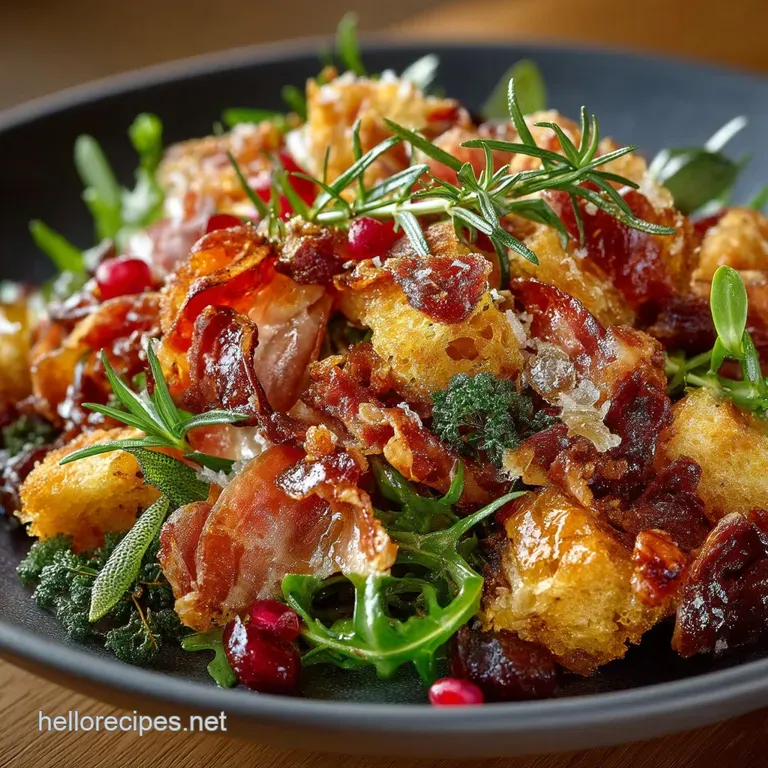
Mastering this dressing hinges on using high-quality components and executing the initial preparation steps precisely. We are aiming for a luxurious dish, meaning shortcuts on ingredient quality are off the table.
The Crucial Difference: Fresh Sage vs. Dried
While dried herbs are acceptable for long simmered stews, the stuffing requires the bright, aromatic essence of fresh herbs. You absolutely must use 1/4 cup of finely chopped fresh sage leaves, along with 1 tablespoon of fresh thyme.
Dried sage is often dusty and overwhelmingly medicinal, which would destroy the subtle harmony of the apples and prosciutto. The fresh sage, cooked briefly in the rendered fat, perfumes the entire dish beautifully.
Preparing the Prosciutto for Maximum Crispness
Unlike bacon or sausage, prosciutto is delicate and must be treated carefully to achieve optimal crispness. Begin by melting 2 tablespoons of the total 1/2 cup (115 g) of unsalted butter in a large skillet.
Add the chopped prosciutto and render it over medium heat for about five to seven minutes until it is deeply colored and crunchy. Crucially, remove the crispy pieces with a slotted spoon and set them aside they will be added back right before baking to preserve their texture but keep the rendered fat in the pan.
This flavorful fat, combined with the remaining butter, is what we use to sauté the large yellow onion and three celery stalks.
Sizing Up the Brioche Cubes for Texture
The 1 inch cube size is intentional for the 1.5 lb brioche loaf. Too small, and the cubes dissolve into mush; too large, and they struggle to absorb the liquid evenly. After cutting, the mandatory drying process is paramount.
If you skip the overnight drying, you can expedite the process by baking the cubes at 250° F ( 120° C) for 20 minutes until they are crunchy, but ensure they do not brown.
This structure allows the dressing to remain light, which is key to executing an Easy Thanksgiving Menu component that tastes complex.
Essential Kitchen Arsenal Check
Before starting, ensure you have the proper tools. You will need a standard 9x13 inch casserole dish, which should be lightly buttered. A large, heavy bottomed skillet or Dutch oven is necessary for rendering the prosciutto and building the aromatic base.
Finally, because this recipe serves 10 12 people, you need a seriously large, sturdy mixing bowl it should almost feel like a small bucket to toss the dried bread without crushing it.
Related Recipes Worth Trying
- Easy Burnt Cheesecake Viral Basque Recipe for Creamy Perfection — Forget fussy bakes This Easy Burnt Cheesecake Recipe delivers a spectacularly creamy interior and that iconic deeply browned top Get our foolproof baking tips
- The Ultimate Crispy Chicken Parmesan Recipe Comfort Food Classic — Achieve shatteringly crisp Chicken Parmesan with this foolproof guide featuring homemade sauce and Panko breading Your new favourite Italian American...
- The Cheesiest Baked Mac and Cheese Recipe Ultimate Comfort Food — Make the Ultimate Comfort Food Mac and Cheese with this foolproof recipe for a creamy sauce and crispy panko topping Your search for the best homemade mac...
Achieving the Perfect Balance: The Golden Steps to Stuffing Mastery
The process for this dressing is designed to layer flavors systematically before the final bake, ensuring every cube is perfectly saturated and aromatic.
Phase One: Rendering Fat and Building Aromatics
After you have rendered the prosciutto, add the remaining unsalted butter to the skillet, heating the combination of butter and prosciutto fat. This is where we soften the diced onions and celery, cooking them gently for eight to ten minutes until fully translucent.
Next, we stir in the diced Granny Smith apples, sage, and thyme. Sautéing the apples for just five minutes allows them to soften slightly while retaining enough structure so they don't disintegrate during baking.
Season this mix aggressively with 1.5 tsp of Kosher salt and 1 tsp of black pepper before removing it from the heat to cool slightly.
Phase Two: The Liquid Soak and Flavor Infusion
In the massive mixing bowl, combine the dried brioche cubes and the reserved crispy prosciutto. Scrape the slightly cooled aromatic mixture (onions, celery, apples, herbs) over the bread. The next step requires finesse: binding the mixture.
Whisk the three eggs separately, then gradually whisk in the warmed chicken or turkey stock. Using warm stock (not cold, not boiling) facilitates even, quick absorption. Pour this liquid slowly over the bread mixture. Start with 3.5 cups, then use the remaining half cup only if the mixture appears dry.
Toss the bread very gently with a large spatula, coating every cube without resorting to vigorous stirring, which would compress the texture. The ideal consistency is when the mixture holds its shape loosely when squeezed.
Baking to Golden Brown Perfection
Transfer the mixture into your prepared 9x13 dish. Resist the urge to press it down; we want natural air pockets to ensure a light interior. We employ a two-stage baking method. First, cover the dish tightly with foil and place it in a preheated oven at 375° F ( 190° C) for 30 minutes.
The foil traps steam, ensuring the internal moisture properly cooks the eggs and softens the brioche perfectly. After the initial steaming period, remove the foil.
How to Know When This Thanksgiving Side Is Done
The second stage of baking, uncovered, takes an additional 15– 20 minutes. This is where the magic happens the top layer develops its signature golden brown, crunchy crust.
The dressing is fully cooked when the internal temperature reaches 165° F ( 74° C). The crust should be visibly dark golden and crisp to the touch. Once achieved, allow the dish to rest for ten minutes before serving.
This rest period ensures the internal juices redistribute and the structure sets, guaranteeing the optimal serving texture.
Troubleshooting, Timing, and Customizing What You Should Make for Thanksgiving
Planning a multi course meal means logistics are as important as technique. Integrating this rich side dish into your overall timeline is crucial for a smooth Thanksgiving Dinner .
Make-ahead Strategies for Stress Free Serving
Knowing what should i cook first for thanksgiving is the key to holiday success. The inactive prep time for this recipe drying the bread is the longest step ( 4 hours minimum or overnight) and can be done days ahead.
On top of that,, you can complete Phase One (rendering prosciutto and sautéing all the aromatics and apples) up to two days in advance and store the mixture in the refrigerator.
On the morning of the feast, simply gently warm the aromatics slightly, combine them with the dry brioche and the liquid bind, and transfer to the dish. This strategy drastically reduces the total active time from five hours down to about 90 minutes on Thanksgiving Day, making for a truly manageable Easy Thanksgiving Menu .
Reheating Tips: Restoring the Crisp Exterior
While this dressing is best served immediately after its 10-minute rest, holiday schedules sometimes necessitate reheating. If you need to restore the exterior crispness, avoid microwaving entirely.
Reheat individual servings (or the whole dish) in a 350° F ( 175° C) oven, uncovered, for about 15 minutes.
Covering it with a sheet of foil for the first 10 minutes can help prevent excessive drying, removing the foil only for the last five minutes to refresh the crust.
Flavor Variations and Ingredient Swaps
If you've mastered the brioche dressing base, you can easily adapt the profile to complement the rest of your Thanksgiving Menu . For a sweeter twist, consider replacing half the Granny Smith apples with dried cranberries and adding 1/2 cup of toasted pecans.
If you need robust Veggie Side Dishes but want to keep the dressing decadent, try the Mushroom Forest variation: omit the apples and prosciutto, sautéing 8 ounces of wild mushrooms with a drizzle of truffle oil, and using beef stock for deep umami flavor.
For those craving meatier stuffing, substituting the prosciutto with 1/2 pound of mild Italian sausage, removed from its casing and browned, yields fantastic results.
Common Stuffing Mistakes to Avoid
The two biggest errors are related to texture. First, ensure the brioche is bone dry; soft bread cubes equal a heavy final product. Second, heed the warning about overmixing in Phase Two. Gentle tossing is essential to keep the air pockets that guarantee a light, fluffy interior.
By planning the logistics carefully and avoiding these pitfalls, you can focus instead on important decisions, such as what should i make for thanksgiving dessert (perhaps a classic pumpkin pie paired with salted caramel sauce) rather than stressing over a soggy side dish.
Recipe FAQs
The biggest stuffing fear! How do I stop this from turning into a soggy, gluey mess?
Ah, the eternal stuffing dilemma! The secret, old chap, is in the preparation of the brioche. It absolutely must be bone dry before you add the liquids, otherwise, it turns into a heavy paste rather than a light dressing. Stick it on the counter overnight, or use the emergency 250°F oven trick.
Secondly, use the 'squeeze test' when adding the stock: the mixture should be moist enough to hold its shape when you squeeze a handful, but liquid shouldn't run out. That delicate balance is the difference between soggy and spectacular.
Thanksgiving is chaos can I prep this dressing the day before to save time?
Absolutely, prepping ahead is a massive time saver! You can handle Stage 1 (drying the bread, cooking the prosciutto, and sautéing the aromatics) fully the day before. Keep the dry brioche/prosciutto mix separate from the cooked aromatic mixture.
For the best texture, only combine the stock and eggs with the bread mixture and assemble in the dish about an hour before baking. If you assemble the dish entirely and chill it overnight, you may need to add an extra 10 15 minutes to the initial covered baking time to ensure it heats through evenly.
I can’t get hold of brioche locally. What is the best alternative bread for this recipe?
If you’re struggling to locate a decent brioche loaf, traditional Challah bread is a superb substitute as it offers a similar rich, buttery crumb that holds its structure brilliantly.
You could also use a good quality Italian pane, but steer clear of basic sliced white bread it just doesn't have the personality or fat content needed here.
Whatever bread you choose, ensure it is cut into uniform cubes (about 1 inch) and dried thoroughly; this applies across the board!
If I'm feeling traditional, is this What You Should Make for Thanksgiving stuffing safe to cook inside the turkey?
While historically, stuffing went straight into the bird, for food safety and quality, we strongly recommend cooking this dressing outside in the casserole dish. When stuffing is cooked inside the turkey, it must reach 165°F (74°C) which usually means the turkey itself gets overcooked and dry while you wait for the deep centre of the stuffing to reach temperature.
Our ‘Golden Crown’ recipe is a dressing, cooked separately. This ensures a beautifully crisp top, a moist interior, and guarantees a safer, better textured result. Job's a good un!
We always have masses of leftovers. How should I store this, and can I freeze it?
You’re not alone; Thanksgiving leftovers are part of the fun! Cool the dressing completely as quickly as possible (don't leave it out for hours). Transfer it to an airtight container and refrigerate for up to 3 days.
To reheat, cover it with foil and warm it through in the oven until piping hot (165°F). You can freeze it, but freezing and thawing often changes the texture slightly. If you must freeze, ensure it is tightly wrapped and use within 1 month, reheating from frozen or thawed.
Brioche Dressing What To Make For Thanksgiving