Whole 30 Incredible Meal Recipe with Roasted Chicken
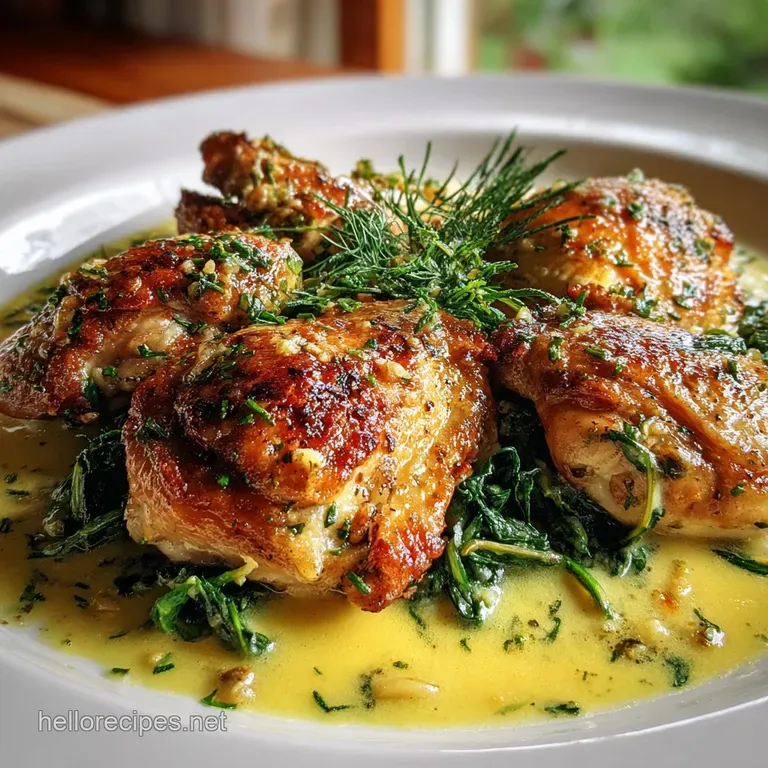
- Time: Active 15 minutes, Passive 35 minutes, Total 50 minutes
- Flavor/Texture Hook: Shatter crisp skin paired with a velvety, mustard infused pan sauce
- Perfect for: Sustainable meal prep or an innovative weeknight dinner
- Building Deep Flavor Profiles with Sustainable Roasted Chicken Thighs
- Precise Quantitative Metrics for Your Incredible Roasted Chicken Meal
- Sourcing Quality Ingredients for Your Sustainable Roasted Chicken Recipe
- Essential Kitchen Technology for Achieving Maximum Chicken Skin Crispness
- Step-By-Step Guide for This Chicken Recipe
- Navigating Thermal Dynamics to Prevent Common Roasted Chicken Errors
- Innovative Flavor Variations for Your Weekly Roasted Chicken Prep
- Sustainable Storage and Reheating Tips for Your Chicken Leftovers
- Sophisticated Plating Architectures for Your Next Roasted Chicken Dinner
- Expert Solutions for Mastering Your Whole 30 Chicken Roast
- Recipe FAQs
- 📝 Recipe Card
You know that specific sound when chicken skin hits a hot pan and it just sings? It is that sharp, high pitched sizzle that promises a crunch so loud your neighbors might actually hear it.
For a long time, I struggled with the idea of "healthy" cooking because I thought it meant sacrificing that specific textural joy, but this Whole 30 incredible meal recipe with roasted chicken changed my entire perspective on what home gastronomy can be.
I remember my first attempt at a strict clean eating month; I was surviving on steamed greens and protein that had the structural integrity of a yoga mat. It was miserable. But once I started playing with the technology of heat transfer and the chemistry of pan sauces, everything clicked.
This recipe is not just about following rules, it is about using real science to make ingredients like coconut milk and ghee work harder for you.
This Whole 30 incredible meal recipe with roasted chicken will become a new favorite in your kitchen, mostly because it feels indulgent while remaining completely compliant. We are moving away from the "diet food" mindset and leaning into high flavor, sustainable cooking that actually satisfies.
Right then, let's get into how we build these layers of flavor.
Building Deep Flavor Profiles with Sustainable Roasted Chicken Thighs
The Science of Why it WorksMaillard Reaction: The intense heat from the ghee causes amino acids and sugars on the skin to reorganize, creating a brown, savory crust with hundreds of new flavor compounds.
Fat Emulsification: The stone ground mustard contains natural mucilage that acts as a stabilizer, binding the coconut milk fats to the chicken bone broth for a smooth, cohesive sauce.
When we talk about building layers, we start with the protein itself. Using bone in, skin on thighs is a deliberate choice for better thermal distribution. The bone acts as a heat conductor from the inside out, while the skin provides a fatty barrier that prevents the meat from drying out during the oven finish.
It is a more sustainable way to cook because you are using the whole cut, and the flavor payoff is significantly higher than a standard boneless breast.
If you are looking to expand your spice cabinet for dishes like this, I often find that a custom Poultry Seasoning recipe provides a more complex foundation than store-bought mixes. In this specific recipe, the sage and smoked paprika work together to mimic the depth of a traditional slow roast, even though we are finishing the whole thing in under an hour. It is about working smarter with your ingredients to achieve that "all day" flavor profile.
| Component | Science Role | Pro Secret |
|---|---|---|
| Chicken Thighs | Myoglobin & Collagen | Use bone in to prevent the meat from tightening too quickly |
| Stone ground Mustard | Natural Emulsifier | The seeds provide texture and keep the sauce from breaking |
| Full fat Coconut Milk | Lipid Saturation | Adds a velvety mouthfeel without the need for heavy dairy |
| Smoked Paprika | Phenolic Compounds | Provides a "grilled" aroma even when using a standard oven |
The interaction between the acidic lemon juice and the fats in the coconut milk is also vital. In gastronomy, we use acid to "cut" through heavy lipids, which brightens the entire dish and prevents the coconut flavor from becoming too dominant.
You won't even realize you're eating a dairy-free meal because the texture is so rich and the flavors are so balanced.
Precise Quantitative Metrics for Your Incredible Roasted Chicken Meal
To get this 30 incredible meal recipe with roasted chicken exactly right, you need to respect the ratios. Cooking is often an art, but the physics of a good sear requires precision. We are looking for specific visual and auditory cues throughout the process.
- Chicken Thighs: 4 large pieces (approx. 800g total).
- Ghee: 2 tbsp (for high smoke point rendering).
- Liquid Base: 0.5 cup bone broth + 0.5 cup coconut milk.
- Vegetables: 1 lb Yukon Gold potatoes + 2 cups Brussels sprouts.
When you lay the chicken into the skillet, you should hear a constant, aggressive hiss. If it sounds like a gentle bubble, your pan isn't hot enough. We need that immediate thermal shock to start the rendering process. This is the same logic I use in The Crispy Chicken recipe to ensure the exterior sets before the interior overcooks.
Trusting the internal temperature is the only way to guarantee juicy results. While the recipe calls for 35 minutes of total cook time, the actual checkpoint is an internal temperature of 165°F (74°C).
This accounts for carryover cooking, where the temperature rises slightly after you remove it from the heat source.
Sourcing Quality Ingredients for Your Sustainable Roasted Chicken Recipe
Quality matters immensely when you are working with a limited ingredient list. Because we aren't hiding behind processed thickeners or sugars, the integrity of your produce and protein will dictate the final outcome.
- Chicken Thighs: 4 large bone in, skin on (approx. 800g) Why this? Fat content keeps meat moist during over high heat roasting
- Sea Salt: 1 tsp Why this? Coarse grains draw out surface moisture for better browning
- Cracked Black Pepper: 0.5 tsp Why this? Provides a sharp contrast to the rich ghee
- Smoked Paprika: 1 tsp Why this? Adds color and a subtle "wood fired" depth
- Dried Rubbed Sage: 1 tsp Why this? Earthy notes that pair perfectly with poultry
- Ghee: 2 tbsp (Substitute: Avocado oil, but you'll lose the buttery aroma)
- Stone ground Mustard: 2 tbsp (Substitute: Dijon mustard for a smoother texture)
- Full fat Coconut Milk: 0.5 cup (Substitute: Cashew cream for a more neutral flavor)
- Garlic: 3 cloves, minced Why this? Provides the aromatic foundation for the pan sauce
- Chicken Bone Broth: 0.5 cup Why this? Richer in gelatin than standard stock, adding body
- Lemon Juice: 1 tbsp Why this? Essential acid to balance the coconut milk fats
- Baby Yukon Gold Potatoes: 1 lb, halved (Substitute: Parsnips for a lower carb option)
- Brussels Sprouts: 2 cups, halved Why this? High surface area for maximum caramelization
- Avocado Oil: 1 tbsp Why this? High smoke point for roasting the vegetables
| Original Ingredient | Substitute | Why It Works |
|---|---|---|
| Ghee (2 tbsp) | Avocado Oil (2 tbsp) | Same high smoke point. Note: Lacks the toasted butter flavor profile |
| Coconut Milk (0.5 cup) | Cashew Cream (0.5 cup) | Similar creamy viscosity with a much milder, nutty finish |
| Yukon Gold Potatoes (1 lb) | Parsnips (1 lb) | Maintains the starchy bite but adds a distinct sweetness |
If you decide to swap the potatoes for parsnips or even carrots, keep in mind that root vegetables have different sugar contents. Parsnips will brown much faster because of their higher natural sugar, so you might need to toss them halfway through the roasting time.
It is all about monitoring the technology of your specific oven.
Essential Kitchen Technology for Achieving Maximum Chicken Skin Crispness
You don't need a professional kitchen to make an incredible meal recipe with roasted chicken, but you do need the right tools for heat retention. A heavy bottomed skillet is your best friend here.
I personally swear by a 12 inch cast iron skillet (like a Lodge) because it holds thermal energy better than stainless steel, ensuring the temperature doesn't drop when you add the cold meat.
You will also need a large rimmed baking sheet for the vegetables. Crowding your vegetables is the fastest way to ruin a roast. When they are too close together, they release moisture that gets trapped, effectively steaming the food instead of roasting it.
We want the air to circulate freely so the edges of the Brussels sprouts can get dark and crispy.
Finally, a reliable digital meat thermometer is non negotiable. I spent years guessing if chicken was done by "poking it," and honestly, it’s a recipe for dry dinner. Technology is there to help us; use a probe to hit that 165°F mark exactly.
It makes the difference between a good home cook and a great one.
step-by-step Guide for This Chicken Recipe
1. The Dry Brine Prep
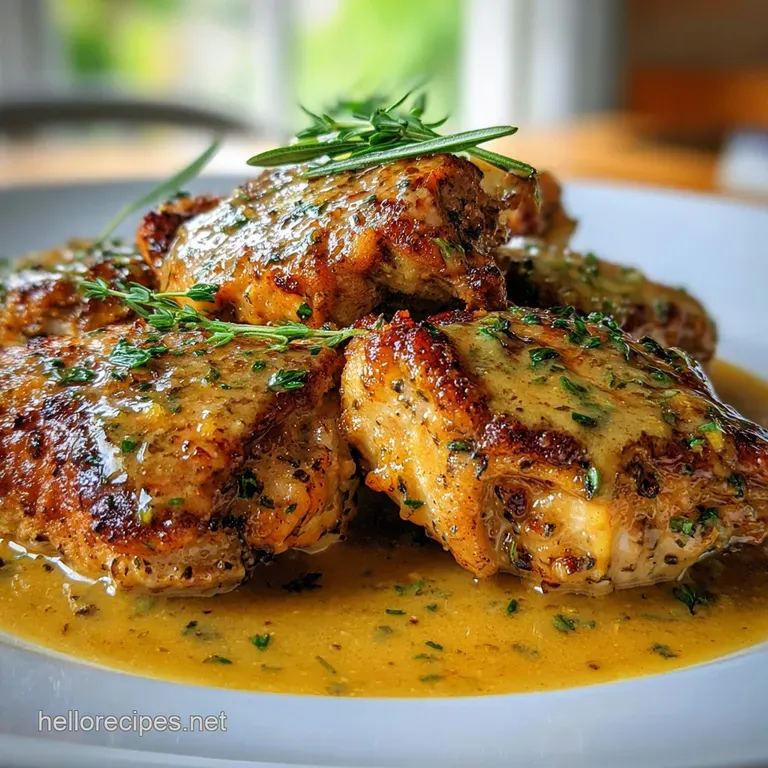
Pat the 800g of chicken thighs extremely dry with paper towels. Note: Surface moisture is the enemy of a crispy sear. Combine the sea salt, pepper, paprika, and sage in a small bowl, then rub it generously over the skin and underside of each thigh.
2. Vegetable Foundation
Preheat your oven to 400°F (200°C). Toss the halved potatoes and Brussels sprouts with 1 tbsp of avocado oil and a pinch of salt on a baking sheet, spreading them out into a single layer.
3. Rendering the Fat
Heat 2 tbsp of ghee in your skillet over medium high heat. Place the chicken skin side down. Note: Don't move them for at least 5-6 minutes. Cook until the skin is deep golden brown and releases easily from the pan.
4. The Flip and Sear
Turn the chicken over and sear the bottom side for about 3 minutes. This seals the juices and begins the internal cooking process. Remove the chicken from the skillet and set it aside on a plate.
5. Aromatics and Deglazing
In the same skillet, add the minced garlic and sauté for 1 minute until fragrant but not burnt. Pour in the 0.5 cup bone broth, using a wooden spoon to scrape up all the brown bits (the fond) from the bottom.
6. Emulsifying the Sauce
Whisk in the 2 tbsp of mustard and 0.5 cup of coconut milk. Bring the mixture to a gentle simmer until the sauce thickens slightly and looks uniform. Stir in the lemon juice at the very end to keep the flavor bright.
7. The Oven Transition
Place the chicken thighs back into the skillet, nestled into the sauce but keeping the skin above the liquid line. Put the skillet and the vegetable baking sheet into the oven at the same time.
8. The Final Roast
Bake for 20-25 minutes. Check the internal temperature reaches 165°F and the vegetables are tender and charred. The skin should look like it is ready to shatter.
9. The Resting Phase
Remove the skillet from the oven and let the chicken rest for 5 minutes. Note: This allows the muscle fibers to relax and reabsorb the juices.
10. The Plating Finish
Serve the chicken drizzled with the extra pan sauce, alongside a heap of the roasted potatoes and sprouts. The contrast between the creamy sauce and the crunchy vegetables is what makes this meal recipe with roasted chicken so special.
Navigating Thermal Dynamics to Prevent Common Roasted Chicken Errors
The most frequent issue I hear about when making a recipe with roasted chicken is rubbery skin. This usually happens because people are afraid of high heat. If you don't hear that aggressive sizzle when the meat hits the pan, you aren't rendering the subcutaneous fat.
That fat needs to melt away so the skin can crisp up. If it stays trapped, the skin remains flabby.
Another pitfall is "sauce breakage." This is when the oil separates from the liquid, leaving you with a greasy mess. This usually happens if the sauce boils too violently after the coconut milk is added. Keep it at a gentle simmer.
If it does break, you can usually save it by whisking in a teaspoon of warm bone broth very quickly to re emulsify the fats.
Fixing Rubbery Chicken Skin Issues
This is almost always a result of moisture or temperature. If you take the chicken straight from a plastic package and put it in the pan, it will steam. You must pat it dry. Also, avoid covering the pan with a lid once it goes in the oven; lids trap steam, which will instantly soften that skin you worked so hard to crisp.
| Problem | Root Cause | Solution |
|---|---|---|
| Dry Meat | Overcooked past 175°F | Pull from oven at 160-165°F and let rest |
| Broken Sauce | Boiling too hard | Whisk in a splash of broth and reduce heat |
| Soggy Vegetables | Pan was overcrowded | Use two baking sheets or a larger one |
Handling Bone In Heat Distribution
Bone in thighs take longer to cook than breasts, but they are much more forgiving. If you find the outside is browning too fast while the inside is still raw, lower your stovetop heat slightly and let the oven do more of the work.
The bone acts as a thermal reservoir, so once it gets hot, it stays hot, cooking the meat from the center.
Trusting the Internal Temperature
Don't rely on the "clear juices" myth. Sometimes the juices are clear but the meat is still under 165°F, and sometimes they have a pink tint even when fully cooked (especially near the bone). A digital thermometer is the only objective way to ensure safety and quality in your cooking.
Innovative Flavor Variations for Your Weekly Roasted Chicken Prep
Once you've mastered the base version of this 30 incredible meal recipe with roasted chicken, you can start experimenting with different flavor profiles. The technology of the cook remains the same, but the aromatics can change entirely.
The Mediterranean Flavor Twist
Instead of sage and smoked paprika, use dried oregano and lemon zest in the rub. Swap the stone ground mustard for some compliant sun dried tomato pesto and add a handful of kalamata olives to the pan sauce. This creates a bright, salty profile that feels like a summer dinner in Greece.
The Smoky Chipotle Kick
If you like heat, replace the paprika with chipotle powder. Use lime juice instead of lemon and add some fresh cilantro to the sauce right before serving. This version pairs incredibly well with roasted sweet potatoes instead of Yukons, as the sweetness balances the smoky heat.
Parsnip for Potato Substitute
For those watching their glycemic index, parsnips are an innovative choice. They have a more complex, herbal sweetness than potatoes. When roasted at 400°F, they develop a beautiful crust.
Just be aware they cook slightly faster than baby Yukons, so cut them into larger chunks to ensure they don't burn while the chicken finishes.
Sustainable Storage and Reheating Tips for Your Chicken Leftovers
Meal prep is all about sustainability both for your schedule and your food waste. This recipe with roasted chicken actually tastes better the next day as the flavors in the sauce have time to meld. However, reheating chicken while keeping the skin crispy is a technical challenge.
- Fridge: Store in an airtight container for up to 4 days. Keep the sauce in a separate jar if possible to prevent the skin from getting soggy.
- Freezer: You can freeze the cooked chicken and sauce for up to 3 months. Let it thaw in the fridge overnight before reheating.
- Zero Waste Tip: Save the bones! Once you've eaten the meat, throw the bones into a pot with water, carrot scraps, and onion skins. Simmer for 4 hours to make your own bone broth for the next time you make this recipe.
To reheat, avoid the microwave if you can. It turns the skin into wet paper. Instead, place the chicken and vegetables in a skillet or air fryer at 350°F for about 10 minutes. This will re crisp the skin and heat the meat through without drying it out.
If the sauce has thickened too much in the fridge, just whisk in a teaspoon of water or broth when you warm it up.
Sophisticated Plating Architectures for Your Next Roasted Chicken Dinner
Gastronomy isn't just about how food tastes; it is about how we experience it. When serving this Whole 30 incredible meal recipe with roasted chicken, think about contrast. You have a rich, beige sauce, golden brown chicken, and vibrant green Brussels sprouts.
Start by placing a generous spoonful of the mustard sauce on the bottom of a shallow bowl or plate. Use the back of the spoon to swoop it into a circle. Place the chicken thigh directly in the center, ensuring the skin stays clear of the sauce to maintain its crunch.
Arrange the potatoes and sprouts around the edges, letting some of them tumble into the sauce.
Finish the dish with a sprinkle of fresh herbs or a final squeeze of lemon juice. The acidity of the fresh lemon hitting the warm chicken releases aromatics that will make the dish smell incredible as it hits the table.
It is these small, innovative touches that take a simple home meal and make it feel like a professional creation.
Expert Solutions for Mastering Your Whole 30 Chicken Roast
Searing meat does not "seal in juices." This is a common kitchen myth. Moisture loss occurs regardless of whether you sear the meat or not. The real reason we sear is for the Maillard reaction that complex flavor and texture that only comes from over high heat browning.
The juices are actually retained by not overcooking the meat and letting it rest properly after it comes out of the oven.
low-fat coconut milk is a mistake. In this recipe, we rely on the lipids in full fat coconut milk to create the emulsion for the sauce. If you use the watery "lite" version, the sauce will be thin and won't cling to the chicken.
Always go for the canned, full fat version for the best gastronomy results.
Don't skip the "pat dry" step. I know it feels like an extra task, but if the skin is wet, the energy from the pan goes into evaporating that water instead of browning the skin. You end up with grey, boiled looking meat.
Take 30 seconds to use a paper towel; it is the most important 30 seconds of the whole process.
Stovetop vs Oven Comparison
| Feature | Stovetop Searing | Oven Roasting |
|---|---|---|
| Primary Goal | Texture & Maillard Reaction | Even Heat & Through Cooking |
| Heat Direction | Conductive (from bottom) | Convective (surrounds food) |
| Risk Factor | Burning the skin | Drying out the interior meat |
Decision Shortcut
- If you want a thicker sauce: Simmer the sauce for an extra 3 minutes before adding the chicken back in.
- If you want more crunch: Put the chicken under the broiler for the last 60 seconds of cooking.
- If you are short on time: Cut the potatoes into smaller quarters so they roast faster.
The beauty of this Whole 30 incredible meal recipe with roasted chicken is its adaptability. Whether you are a seasoned cook or just starting your sustainable food journey, these principles of heat and emulsification will serve you well.
It is a dish that proves you don't need dairy or grains to create something truly sophisticated and satisfying. Let's crack on and get that skillet hot!

Recipe FAQs
Can I substitute the chicken thighs for breasts?
No, it's not recommended for this recipe. Thighs have more fat, which keeps them moist during high heat roasting and helps render crispy skin. Breasts can dry out quickly and won't achieve the same texture.
What's the secret to crispy chicken skin?
Pat the chicken completely dry and use high heat for searing. Surface moisture steams the skin instead of browning it, and a good sear initiates the fat rendering process essential for crispiness. If you enjoyed mastering this technique, see how temperature precision is applied in our How to Make My Grandmother's Seasoned Lemon Herb Chicken in 30 Minutes recipe.
My pan sauce broke, what went wrong?
This usually happens if the sauce boils too vigorously after adding the coconut milk. Keep the sauce at a gentle simmer to maintain the emulsion. If it breaks, try whisking in a teaspoon of warm bone broth quickly to re-emulsify the fats.
Can I use low-fat coconut milk?
No, low-fat coconut milk is not suitable for this recipe. Full fat coconut milk is crucial for creating the rich, velvety texture of the pan sauce due to its lipid content. Lite versions will result in a thin, broken sauce.
How do I know when the chicken is cooked through?
Use a digital meat thermometer to check for an internal temperature of 165°F (74°C). Relying on visual cues like "clear juices" can be misleading; the thermometer provides the most accurate and safe measurement.
How can I store and reheat leftovers?
Store leftovers in an airtight container in the fridge for up to 4 days. For reheating, use an oven or air fryer at 350°F (175°C) for about 10 minutes to re-crisp the skin and heat evenly.
What other vegetables can I roast with the chicken?
Root vegetables like carrots or parsnips, as well as broccoli florets, work well. Adjust roasting times based on the vegetable's density; denser vegetables may need a head start. You might also enjoy exploring other hearty dishes like our Beef Bourguignon Deep Rich Classic French Stew Recipe.
Whole 30 Roasted Chicken Meal
Ingredients:
Instructions:
Nutrition Facts:
| Calories | 678 kcal |
|---|---|
| Protein | 42g |
| Fat | 48g |
| Carbs | 26g |
| Fiber | 5g |
| Sugar | 4g |
| Sodium | 785mg |
