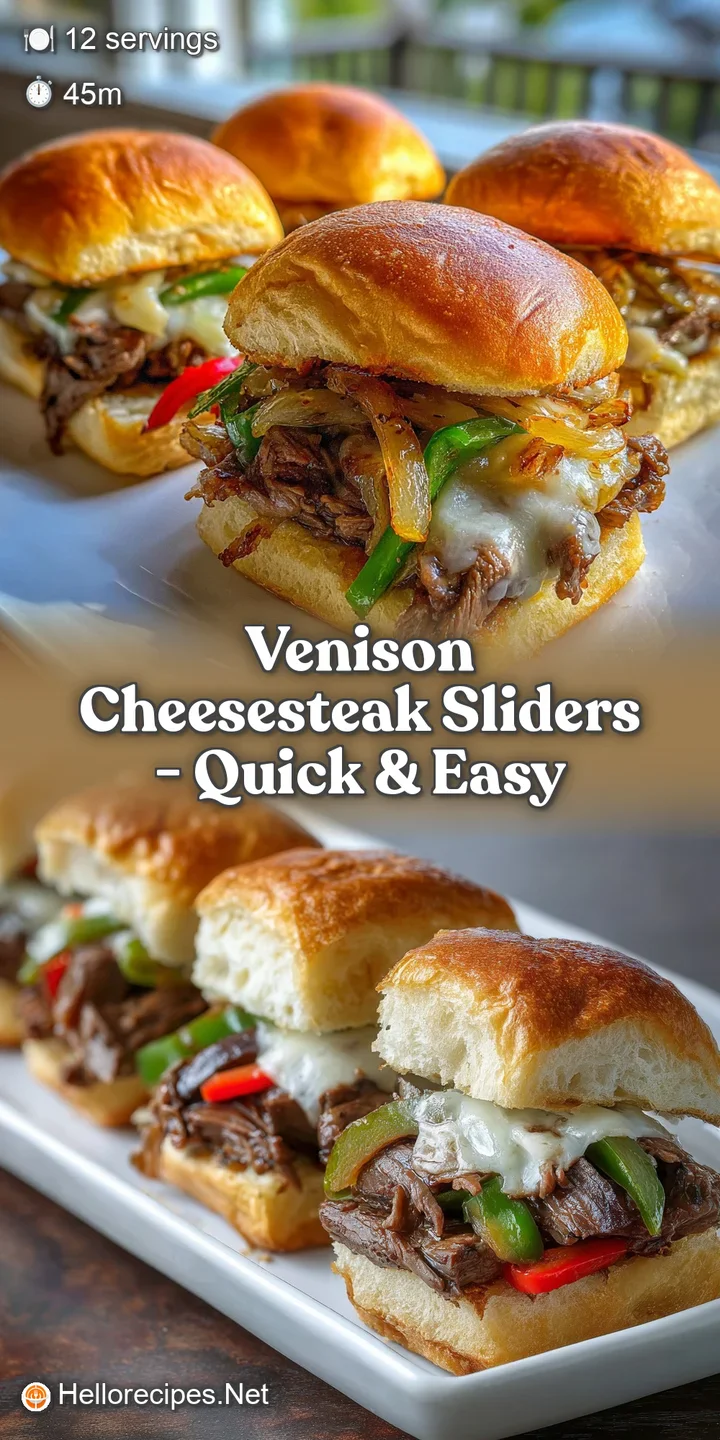
Venison Cheesesteak Sliders: Savory & Sweet
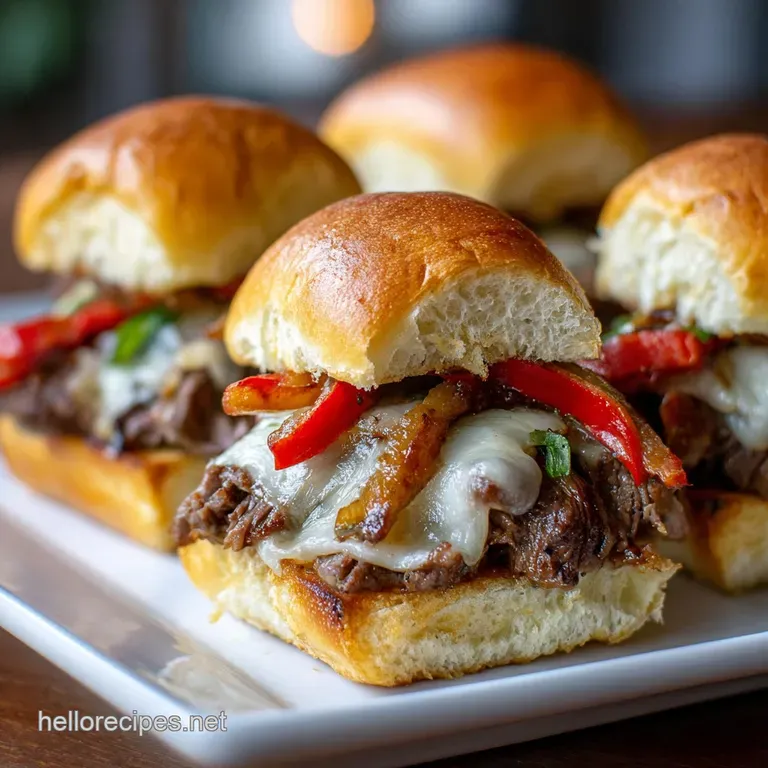
- Time: Active 20 minutes, Passive 25 minutes, Total 45 minutes
- Flavor/Texture Hook: Shatter crisp buttery tops meeting a tender, savory sweet core
- Perfect for: High protein game day snacks or sustainable weeknight dinners
- Savory Venison Cheesesteak Sliders for Game Day
- Innovative Gastronomy for Sustainable Meat
- Quick Calculation for Perfect Results
- Analyzing the Core Flavor Elements
- Sourcing Sustainably Harvested Venison Elements
- Essential Precision Tools for Cooking
- Executing the Multi Texture Assembly
- Solving Texture and Temperature Issues
- Adapting Flavors and Ingredient Swaps
- Debunking the Gamy Myth and Other Misconceptions
- Maximizing Freshness and Minimizing Waste
- Curating the Ideal Side Pairings
- Recipe FAQs
- 📝 Recipe Card
Savory Venison Cheesesteak Sliders for Game Day
Listen, I've spent enough time in hunting camps to know that venison backstrap is usually treated with a "don't touch it" reverence, usually just seared and sliced. But one rainy Tuesday, I had a half thawed roast and a serious craving for something messy and indulgent.
The result was this hybrid of a Philly classic and a slider that actually honors the meat instead of masking it. The sizzle of that thin shaved venison hitting the ghee in a screaming hot cast iron pan is a sound that honestly makes my kitchen feel like a high end bistro.
We’re going for a specific contrast here: the earthy, lean depth of the venison against the sharp, processed kick of the cheese sauce and the sweetness of Hawaiian rolls. It’s an innovative take on sustainability, taking a prize cut (or a solid sirloin) and turning it into something 12 people can fight over.
Most people overcook venison because they're afraid of the "wild" taste, but we’re going to use technology specifically your freezer and a very sharp knife to get that chip steak texture that melts in your mouth.
Trust me on this one: don't even bother with low-fat cheese here. Venison is incredibly lean, so we need those fats from the provolone and the butter glaze to carry the flavor across your palate. We've all made the mistake of let’s say, "optimizing" for health and ending up with dry, crumbly sliders.
We’re not doing that today. We’re building something velvety, rich, and frankly, a bit of a showstopper.
Innovative Gastronomy for Sustainable Meat
Protein Denaturation: Venison lacks the intramuscular fat of beef, so rapid cooking at high heat prevents the muscle fibers from tightening into a rubbery texture. By shaving the meat paper thin, we maximize surface area for the Maillard reaction while ensuring the heat penetrates almost instantly.
Capillary Action: The "anti soggy" barrier is created by layering the provolone directly onto the bottom bun before the meat. This prevents the juices from the onions and peppers from migrating into the bread, keeping the base structurally sound while the top stays soft.
Steam Modulation: Covering the sliders with foil for the first half of baking uses the internal moisture of the vegetables to finish the cheese melt. Removing it for the final ten minutes allows the sugars in the rolls to caramelize into that signature golden "shatter" crust.
| Thickness | Internal Temp | Rest Time | Visual Cue |
|---|---|---|---|
| Paper Thin | 130°F (Medium Rare) | 0 mins | Meat turns from maroon to grey brown instantly |
| 1/4 Inch Strips | 135°F | 3 mins | Slight pink remains in the center of the fold |
| Ground Venison | 160°F | 2 mins | No visible pink; juices run clear |
The transition from raw game to a seared Philly filling happens in seconds, not minutes. Because venison is so lean, the window between "tender" and "leather" is tiny, which is why the "chip steak" method is the superior way to handle this protein.
Quick Calculation for Perfect Results
| Servings | Ingredient Adjustments | Pan Size | Cook Time |
|---|---|---|---|
| 6 Sliders | 0.75 lb Venison, 1/2 Onion | 8x8 Inch | 20 minutes |
| 12 Sliders | 1.5 lbs Venison, 1 Onion | 9x13 Inch | 25 minutes |
| 24 Sliders | 3 lbs Venison, 2 Onions | Two 9x13 Pans | 30 minutes (rotate racks) |
Managing the volume is easy as long as you don't overcrowd the skillet during the initial sear. If you’re doubling this for a bigger crowd, sear the meat in two batches to maintain that over high heat sizzle rather than steaming the meat in its own juices.
Analyzing the Core Flavor Elements
This isn't just a list of items; it's a structural hierarchy of flavors designed to balance the metallic notes of wild game with high fat aromatics.
| Component | Science Role | Pro Secret |
|---|---|---|
| Venison Backstrap | Lean Protein Base | Freeze for 20 mins before slicing for translucent, thin cuts |
| Avocado Oil/Ghee | High Smoke Point Fat | Ghee adds a nutty depth that mimics aged beef fat |
| Provolone Slices | Moisture Barrier | Use non smoked provolone to let the venison's natural flavor lead |
| Hawaiian Rolls | Sweet Contrast | Do not pull them apart before slicing the whole slab in half |
Chef's Tip: Add a tiny splash of espresso or dark soy sauce to the meat while searing. It deepens the "umami" profile and makes the venison taste significantly richer without adding weight.
Sourcing Sustainably Harvested Venison Elements
- 1.5 lbs Venison Backstrap or Sirloin: Ensure all silver skin is removed; this is the culprit behind "tough" bites.
- 2 tbsp Avocado Oil or Ghee: Essential for that over high heat sear without the oil breaking down.
- 1 tsp Coarse Sea Salt & 0.5 tsp Cracked Black Pepper: Simple seasoning to respect the meat.
- 1 tsp Worcestershire Sauce: Adds the necessary fermented acidity to cut through the richness.
- 1 Large White Onion & 1 Green Bell Pepper: The classic aromatic duo for any Philly inspired dish.
- 2 cloves Garlic: Mince these fresh; the jarred stuff lacks the pungency we need.
- 1 Pack (12 count) Hawaiian Sweet Rolls: The pillowy vehicle for our savory filling.
- 8 Slices Provolone Cheese: Acts as the structural glue.
- 0.5 cup Cheez Whiz or Sharp Cheddar Sauce: For that authentic, velvety "Philadelphia" mouthfeel.
- 4 tbsp Unsalted Butter & 0.5 tsp Garlic Powder: Melted together for the final glaze.
- 1 tsp Dried Oregano: Adds an earthy, herbaceous finish to the crust.
| Original Ingredient | Substitute | Why It Works |
|---|---|---|
| Venison Backstrap | Beef Flank Steak | Similar grain structure, though beef has higher fat content |
| Ghee | Duck Fat | Adds an incredible luxury and high smoke point. Note: Stronger flavor |
| Cheez Whiz | Gruyère Sauce | More sophisticated, but lacks the nostalgic "salty" punch |
If you find yourself with extra venison after this, the same thin slicing technique works beautifully for a quick stir fry. If you're looking for a different vibe entirely, you might enjoy the flavors in this BBQ Chicken Sliders recipe for your next gathering.
Essential Precision Tools for Cooking
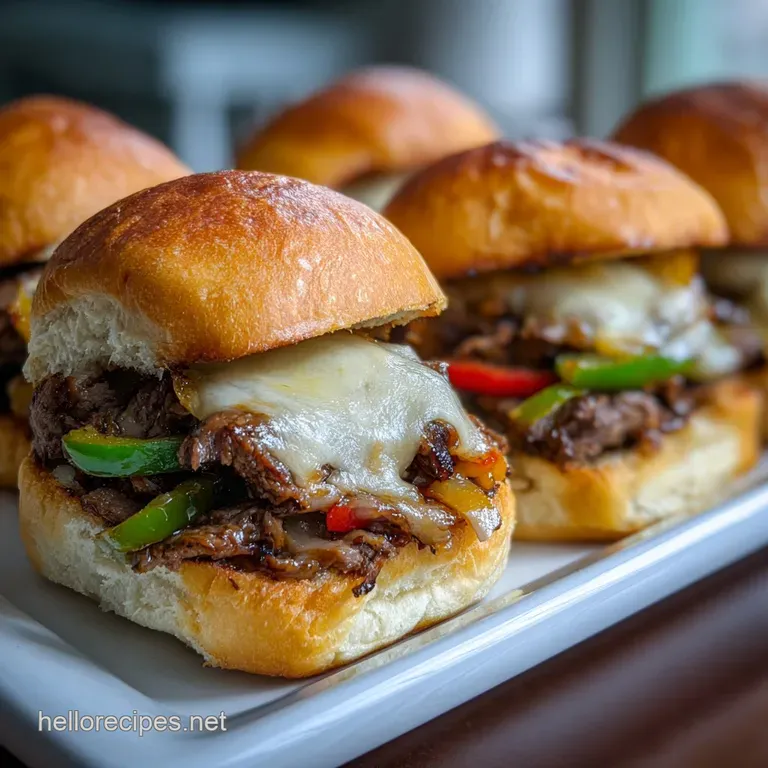
To get that restaurant quality finish, you need a heavy bottomed pan. A cast iron skillet is non negotiable here because it holds heat better than stainless steel when that cold meat hits the surface.
You'll also want a serrated bread knife; using a standard chef's knife to cut the rolls usually results in squishing the bread rather than slicing it.
Finally,, grab some heavy duty aluminum foil. We use it to create a pressurized steam environment during the first half of the bake, which is the secret to getting the cheese to fuse with the meat perfectly.
Executing the Multi Texture Assembly
Slicing for Tenderness
Place your cleaned venison in the freezer for about 20 minutes. Note: This firms up the proteins, allowing you to shave it into paper thin ribbons. Slice against the grain into the thinnest pieces possible.
Searing the Filling
Heat the avocado oil or ghee in a large skillet over high heat until a drop of water dances and evaporates. Add the onions and peppers, sautéing for 5 minutes until soft and slightly charred.
Searing the Meat
Push the vegetables to the side and add the venison in a single layer. Season with salt, pepper, and Worcestershire sauce, cooking for only 2 minutes until the red color just disappears.
Building the Foundation
Slice the entire block of rolls in half horizontally. Place the bottom half in a baking dish and layer 4 slices of provolone across the bread. Note: This creates the moisture barrier mentioned earlier.
Adding the Umami
Spread the seared meat and vegetable mixture evenly over the provolone. Drizzle the Cheez Whiz or cheddar sauce over the top, then layer the remaining 4 slices of provolone.
Finishing with the Glaze
Place the top half of the rolls onto the meat. Whisk the melted butter, garlic powder, and oregano together and brush generously over the tops until every crevice is coated.
The Two Stage Bake
Cover the dish tightly with foil and bake at 350°F for 15 minutes. Remove the foil and bake for another 10 minutes until the tops are mahogany brown and crisp.
Final Rest
Let the sliders sit for 5 minutes before cutting. Note: This allows the cheese to set so the filling doesn't slide out when you bite into it. Use a sharp knife to follow the natural lines of the rolls.
Solving Texture and Temperature Issues
Why Your Venison Feels Tough
If the meat feels like rubber, it was likely overcooked or sliced with the grain. Venison has almost no fat to lubricate the fibers, so once it passes medium rare, the proteins tighten significantly. Always slice against the grain to shorten those fibers before they ever hit the heat.
Managing Excess Moisture
Sometimes the peppers and onions release too much water, which can threaten the integrity of the bottom bun. If your skillet looks "soupy" after sautéing the vegetables, drain the liquid before adding the meat.
| Problem | Root Cause | Solution |
|---|---|---|
| Soggy Bottoms | Vegetable runoff | Layer cheese first; drain sautéed vegetables |
| Dry Meat | Overcooking | Sear on high for < 2 mins; use "chip steak" thinness |
| Rolls Burning | Sugar caramelization | Tent with foil if browning too quickly at the end |
Common Mistakes Checklist
- ✓ Ensure the venison is "shaved" thin, not cubed; cubes will always be tougher.
- ✓ Don't skip the freezer step for the meat; it's the only way to get the right texture.
- ✓ Preheat the cast iron for at least 3 minutes before adding the ghee.
- ✓ Use provolone as a literal shield between the meat and the bread.
- ✓ Avoid "low moisture" cheese; you want a high melt factor for that velvety finish.
Adapting Flavors and Ingredient Swaps
Utilizing Ground Venison
If you don't have backstrap, you can use ground venison. Brown it with the onions and peppers, but be sure to add a tablespoon of butter to the pan since ground venison is notoriously dry. It won't have the "shaved steak" feel, but it's equally savory.
The Spicy Swap
For those who want more heat, swap the green bell peppers for sliced jalapeños or pepperoncini. The vinegar from the pepperoncini actually works beautifully with the iron rich venison, acting as a bright foil to the heavy cheese.
Adapting for the Slow Cooker
While not a traditional slider method, you can slow cook a venison roast in beef broth and pepperoncini juice for 8 hours, shred it, and then proceed with the slider assembly. This is a great "set it and forget it" alternative for a busy Sunday.
If you find this assembly method useful, it's very similar to the process in my Cheeseburger Sliders The recipe, which uses a similar sheet pan technique for efficiency.
Debunking the Gamy Myth and Other Misconceptions
Many believe that "soaking venison in milk" is a requirement to remove the gamy flavor. In reality, that "off" flavor usually comes from poor field dressing or the silver skin and fat.
If you clean your meat properly and remove all the connective tissue, the flavor is clean and sophisticated, more like a lean grass fed beef than anything "wild."
Another myth is that you can't get a good sear on venison without burning it. Because the meat is so lean, people often lower the heat to "be safe," but this just steams the meat. High heat and a short duration is the technological secret to a tender, browned crust.
Maximizing Freshness and Minimizing Waste
Storage: These keep in the fridge for up to 3 days in an airtight container. To reheat, avoid the microwave, which turns the bread into a gummy mess. Instead, wrap them in foil and pop them in a 350°F oven for 10 minutes.
Freezing: You can freeze the assembled, unbaked sliders for up to 2 months. Wrap them tightly in plastic wrap and then foil. Bake from frozen at 325°F for about 40 minutes, removing the foil for the last 10.
Zero Waste: Save your venison trimmings! Even the silver skin and scraps can be simmered with onion peels and carrot tops to make a rich, dark game stock for future stews or gravies. If you have leftover cheese sauce, it’s a crime not to use it as a dip for some salty pretzels the next day.
Curating the Ideal Side Pairings
Since these sliders are quite rich and savory, I usually lean toward something with high acidity or a sharp crunch for balance. A vinegary coleslaw or a simple cucumber salad provides a bright contrast to the heavy provolone and butter glaze.
If you want to stay in the slider family but want something a bit more traditional, you could pair these with The Baked Ham recipe to give your guests two distinct flavor profiles one wild and earthy, one sweet and salty. Adding some sweet potato fries on the side is also a great move, as their natural sugars complement the caramelized Hawaiian rolls perfectly.
Recipe FAQs
Can I use ground venison instead of backstrap?
Yes, ground venison works well. Brown it with the onions and peppers, adding an extra tablespoon of butter since ground venison is very lean. It won't have the shaved steak texture but will still be savory.
How do I prevent the bottom buns from getting soggy?
Layer provolone cheese directly onto the bottom bun first. This creates a crucial moisture barrier that prevents juices from the sautéed vegetables and meat from soaking into the bread.
Is it true that venison needs to be soaked in milk to remove gaminess?
No, this is a common misconception. The "gamy" flavor usually stems from improper field dressing or residual silver skin and fat. Proper cleaning and slicing against the grain yield a clean, sophisticated flavor.
How thin should I slice the venison?
Slice the venison paper thin, almost translucent. Freezing the meat for about 20 minutes beforehand firms it up, making it much easier to shave into these delicate ribbons for maximum tenderness.
What's the best way to reheat leftover sliders?
Avoid the microwave; it makes the bread gummy. Instead, wrap the sliders tightly in foil and reheat them in a 350°F oven for about 10 minutes until warmed through.
What kind of cheese is best for these sliders?
Use a good melting cheese like provolone and a cheddar sauce. Venison is very lean, so the fat from these cheeses is essential for carrying flavor and achieving a rich, velvety texture, similar to how fat balances flavors in our The BEST Swedish Meatballs Creamy Gravy Recipe.
Can I make these sliders ahead of time?
Yes, you can assemble and freeze the unbaked sliders. Wrap them well and bake from frozen at 325°F for about 40 minutes, removing the foil for the last 10 minutes.
Venison Cheesesteak Sliders
Ingredients:
Instructions:
Nutrition Facts:
| Calories | 315 calories |
|---|---|
| Protein | 19.7g |
| Fat | 15.8g |
| Carbs | 17.4g |
| Fiber | 1.2g |
| Sugar | 4.8g |
| Sodium | 485mg |
