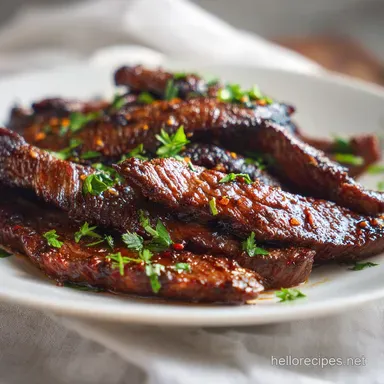
Failure-Proof Steak Fajitas: Charred and Tender
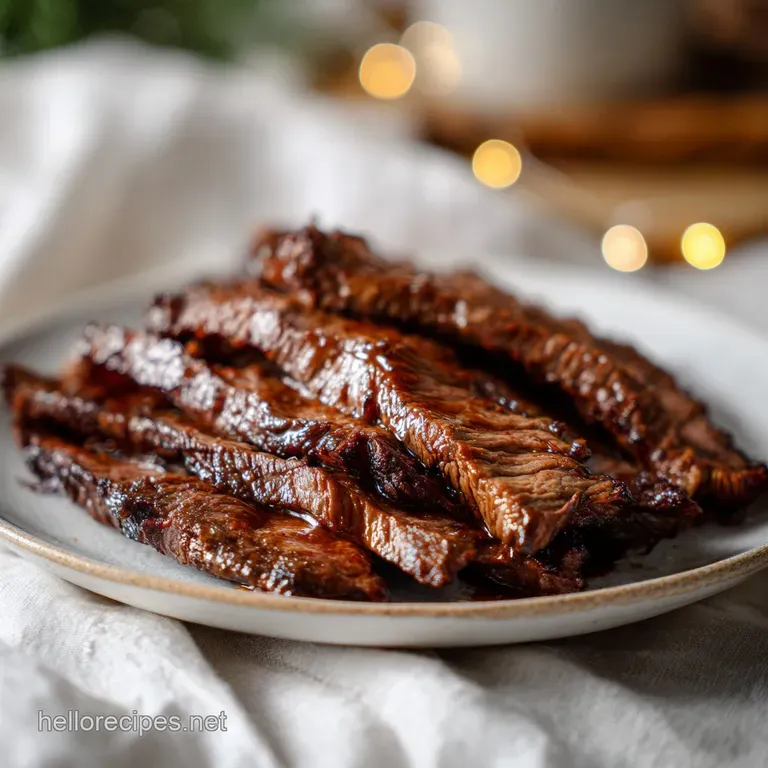
- Time:15 minutes active + 3 hours 10 mins marinating = Total 3 hours 25 mins
- Flavor/Texture Hook: Sizzling charred beef with velvety blistered peppers
- Perfect for: A vibrant weeknight dinner that feels like a restaurant feast
That loud, aggressive hiss when the meat hits the pan is the sound of victory. For the longest time, my home version of this dish was a disaster. I used to throw everything in the pan at once, thinking "more is more," but all I got was a grey, rubbery pile of beef swimming in a pool of brown liquid.
It wasn't a sear, it was a slow boil, and the texture was basically like chewing on a leather shoe.
Then I realized the problem wasn't the meat, it was the crowd. By overloading the pan, I was dropping the temperature and steaming the food instead of charring it. Once I started cooking in small batches and letting the cast iron get almost white hot, everything changed.
Now, we've got a method that guarantees that smoky, charred crust while keeping the inside juicy. These Steak Fajitas are all about the contrast between the bright, zingy lime and the deep, earthy notes of toasted cumin. Trust me on this, once you stop overcrowding your skillet, you'll never go back.
Steak Fajitas
The goal here is to balance the richness of the flank steak with a sharp, acidic punch. Flank steak is a hardworking muscle, which means it can be tough if you don't treat it right. That's why the marinade is non negotiable.
The soy sauce adds a hit of umami that you don't get from salt alone, while the lime juice breaks down the tough fibers, making each bite feel more velvety.
When you're assembling your Steak Fajitas, the contrast of textures is what makes the meal. You want the snap of a slightly undercooked pepper, the sweetness of a caramelized onion, and the charred edge of the beef. It's a vibrant mix of flavors that feels multicultural and bold. If you're looking for something even more indulgent, you might consider a different cut, like the one used in a ribeye steak preparation, but flank is the gold standard for that classic strip cut look.
Right then, let's talk about the heat. You need your pan to be shimmering before the meat even touches it. If you put the beef in too early, you lose that crust. I always wait until a drop of water literally dances and disappears instantly on the surface of the metal.
That's how you get the Steak Fajitas to have that authentic, smoky restaurant quality without needing a commercial grill.
The Trick for Tender Meat
- Acidic Breakdown: Lime juice acts as a natural tenderizer, loosening the protein bonds in the flank steak so it doesn't feel rubbery.
- Umami Boost: Soy sauce provides glutamates that deepen the beefy flavor, creating a richer profile than salt alone.
- Surface Moisture: Patting the meat dry before searing prevents steam from forming, allowing the oil to fry the surface for a charred crust.
- Grain Alignment: Slicing against the muscle fibers shortens the chew, making the meat feel tender rather than stringy.
The difference between a soggy mess and a sizzle often comes down to the cooking method. While the stove is my go to for speed and char, some people prefer the oven for larger groups.
| Method | Time | Texture | Best For |
|---|---|---|---|
| Stovetop | 10 minutes | Charred & Crispy | Maximum flavor, small batches |
| Oven | 20 minutes | Soft & Uniform | Large crowds, hands off |
Component Analysis
Understanding what each ingredient does helps you tweak the recipe on the fly. I've learned that some ingredients are there for flavor, while others are doing the heavy lifting for texture.
| Ingredient | Science Role | Pro Secret |
|---|---|---|
| Lime Juice | Protein Denaturant | Fresh is mandatory; bottled lacks the bright zing |
| Soy Sauce | Salt/Umami Agent | Replaces some salt for a deeper, darker crust |
| Smoked Paprika | Aromatic/Color | Adds a "grilled" flavor even if using a stove |
| Flank Steak | Protein Base | Lean and fibrous, ideal for over high heat searing |
It's important to remember that flank steak's structure is very linear. According to the USDA FoodData, flank steak is a lean cut, which means it can overcook quickly. Keeping an eye on the clock is key.
The Building Blocks
Gather your ingredients first. I hate it when I'm halfway through searing and realize I forgot to mince the garlic.
- 1 lb flank steak Why this? Great flavor and easy to slice into strips
- 3 tbsp olive oil Why this? Standard base for the marinade
- 2 tbsp fresh lime juice Why this? Essential for tenderizing the beef
- 1 tbsp soy sauce Why this? Adds depth and a darker sear
- 2 cloves garlic, minced Why this? Pungent aroma that rounds out the spices
- 1 tsp chili powder Why this? Provides a mild, earthy heat
- 1 tsp ground cumin Why this? The signature "taco" scent
- 1/2 tsp smoked paprika Why this? Mimics the flavor of a charcoal grill
- 1/2 tsp salt Why this? Basic flavor enhancer
- 1/4 tsp black pepper Why this? Subtle bite to contrast the lime
- 2 tbsp neutral oil Why this? High smoke point for searing
- 2 large bell peppers, sliced into strips Why this? Sweetness and vibrant color
- 1 large white onion, sliced into half moons Why this? Sharpness that mellows when cooked
- 8-12 flour tortillas Why this? Soft vessel to hold the filling
For the flank steak, if you can't find it, skirt steak is a great substitute. It's slightly fattier, which actually makes the Steak Fajitas even more juicy, though the texture is a bit coarser.
For the oil, stick to something like canola or avocado oil for the searing - don't use extra virgin olive oil for the over high heat part, as it will smoke and taste bitter.
The Cooking Process
Let's crack on with the actual cooking. Remember, patience during the marinating phase is what separates the amateurs from the pros.
- Combine the flank steak, olive oil, lime juice, soy sauce, minced garlic, chili powder, cumin, smoked paprika, salt, and black pepper in a Ziploc bag or glass container. Note: Using a bag ensures every inch of the meat is coated.
- Massage the steak for a minute to ensure seasoning penetrates the meat and refrigerate for 2 to 4 hours. Note: Don't go over 12 hours or the lime will make the meat mushy.
- Remove the steak from the refrigerator 20 minutes before cooking to bring it toward room temperature. Note: This prevents the pan temperature from plummeting when you add the meat.
- Heat a cast iron skillet over high heat and add neutral oil. Wait until the oil is shimmering and just starting to smoke.
- Sear the steak strips in small batches to prevent overcrowding and ensure a deep, charred crust. Note: Cook for about 2-3 mins per side until you see a dark brown sear.
- Sauté the sliced bell peppers and onions in the same pan until they are vibrant and blistered. Cook for 4-5 mins until the edges are blackened but the center still has a snap.
- Slice the steak against the grain into thin strips. Note: As Serious Eats explains, cutting across the fibers is the only way to ensure the meat isn't chewy.
- Assemble Steak Fajitas using warmed flour tortillas and desired optional toppings. Note: Warm your tortillas in a dry pan for 30 seconds for a velvety texture.
Fixing Sizzle Issues
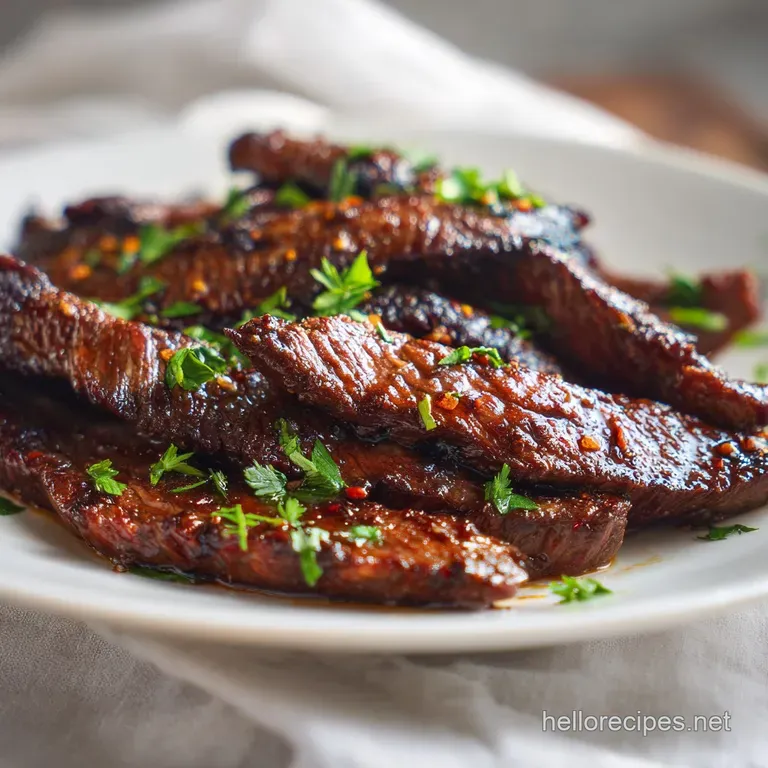
Even the best of us mess up. Maybe your kitchen is too cold, or your pan isn't as hot as you thought. If your Steak Fajitas aren't hitting the mark, it's usually a temperature issue.
Troubleshooting Common Issues
| Issue | Solution |
|---|---|
| Why Your Meat Is Chewy | This usually happens for two reasons: you didn't marinate long enough, or you sliced with the grain. If you slice parallel to the muscle fibers, you're forcing your teeth to do the work the knife shou |
| Why Your Vegetables Are Soggy | Soggy veggies are the result of overcrowding the pan. When you put too many peppers and onions in at once, they release moisture that can't evaporate quickly enough, so they boil in their own juices. |
| Why the Meat Released Water | If your pan wasn't hot enough, the meat won't sear instantly. Instead, the proteins contract slowly and push the juices out. By the time the pan gets hot, the meat is sitting in a pool of water, which |
Common Mistakes Checklist:
- ✓ Did you pat the steak dry before searing?
- ✓ Is the pan shimmering with oil before adding meat?
- ✓ Did you slice the beef against the grain?
- ✓ Did you let the meat rest for 5 mins before slicing?
- ✓ Are you cooking the veggies in the same pan to catch the beef drippings?
Scaling for Different Crowds
When you're making Steak Fajitas for a party, the temptation is to just double everything in one giant pan. Don't do it. You'll end up with a soggy mess.
If you're scaling down (half batch), use a smaller skillet so the oil doesn't spread too thin and burn. You can reduce the cooking time by about 20%, but keep the heat high.
If you're scaling up (2x or 4x), only increase the salt and spices to 1.5x. Spices can become overwhelming when scaled linearly. Most importantly, work in batches. Sear the meat in fours, set it aside on a platter, and then do the veggies.
If you try to do 4 lbs of beef in one go, you've just made beef stew, not Steak Fajitas.
If you're using an oven for a large crowd, spread everything on a sheet pan and broil on high for 8-10 mins. It's not as charred as the skillet, but it's way more convenient.
| Batch Size | Pan Strategy | Spice Adjustment | Note |
|---|---|---|---|
| Single (1 lb) | 12 inch skillet | Baseline | Best for texture |
| Double (2 lb) | 2 batches per pan | 1.5x spices | Avoid overcrowding |
| Party (4 lb) | Sheet pan / Broiler | 2x spices | More convenient, less char |
Truths About Searing
There's a lot of noise out there about how to cook beef. Let's clear a few things up so you can focus on the flavor of your Steak Fajitas.
One big misconception is that searing "seals in the juices." It doesn't. In fact, the high heat actually causes more moisture loss from the surface. The reason we sear isn't to keep the juice in, but to create a complex layer of flavor on the outside.
Another myth is that you need to "rest" the meat for 20 minutes. While resting is important, for thin strips used in Steak Fajitas, 5 minutes is plenty. If you wait too long, your meat will be cold by the time it hits the tortilla, and you'll lose that satisfying sizzle.
Saving Your Leftovers
Steak Fajitas are great the next day, but they can get a bit sad if you just microwave them. The tortillas get rubbery and the beef gets tough.
Storage Guidelines: Store the cooked beef and vegetables together in an airtight container in the fridge for up to 3 days. Keep the tortillas in a separate bag so they don't soak up the juices and turn into mush.
For the freezer, you can freeze the cooked mix for up to 2 months, but the peppers will lose some of their snap.
Zero Waste Tips: Don't throw away the stems of your bell peppers or the onion skins. Toss them into a freezer bag with other veggie scraps to make a homemade stock later.
Also, if you have leftover marinade in the bag, don't use it as a sauce unless you boil it for several minutes first to kill any raw meat bacteria.
Best Side Pairings
To round out the meal, you need sides that provide a cool contrast to the heat of the Steak Fajitas. I love something creamy and tangy to cut through the richness of the beef.
A classic choice is a side of cilantro lime rice or a zesty corn salad. For a more creative twist, you might try some Steak Fajita Bombs as an appetizer before the main course. If you're feeling like a different protein entirely for your next meal, Sizzling Chicken Fajitas are a fantastic, lighter alternative that uses similar techniques.
For those who want a complete feast, a side of black beans simmered with a bit of cumin and garlic is the way to go. The earthiness of the beans anchors the brightness of the lime, making the whole spread feel balanced and filling.
Right then, you've got everything you need to nail these Steak Fajitas. Just remember: high heat, small batches, and always slice against the grain. Your kitchen is about to smell like a dream, and your friends are going to be seriously impressed. Now, let's get that pan screaming hot and get to cooking!
Recipe FAQs
What type of steak is best for fajitas?
Flank steak is the ideal choice. Its coarse grain holds marinades well and provides a satisfying chew when sliced thinly against the grain.
Are fajitas good for diabetics?
Yes, provided you manage the carbohydrates. Focus on the lean protein and vegetables, and consider limiting the number of flour tortillas used per serving.
What's the best way to make steak fajitas?
Marinate flank steak for 2 to 4 hours, then sear in a high-heat cast iron skillet. Cook the meat in small batches to ensure a deep, charred crust before sautéing the peppers and onions. These pair perfectly with a side of garlic parmesan steak fries.
What is a good marinade for steak fajitas?
Combine olive oil, lime juice, soy sauce, garlic, and a blend of chili powder, cumin, and smoked paprika. This combination balances acidity and earthiness to effectively tenderize the meat.
Why is my steak chewy?
You likely sliced with the grain or didn't marinate long enough. Slicing across the muscle fibers shortens the meat's length, making it much easier to chew.
Why are my vegetables soggy?
The pan was overcrowded. When too many peppers and onions are added at once, they release moisture that boils the vegetables instead of searing them.
Is it true that I should slice the steak with the grain for better texture?
No, this is a common misconception. Slicing against the grain is essential to break up tough muscle fibers for a tender, professional result.
Steak Fajitas for 4 Servings: Tender