The Classic Crème Unfailingly Smooth American Buttercream for Every Occasion
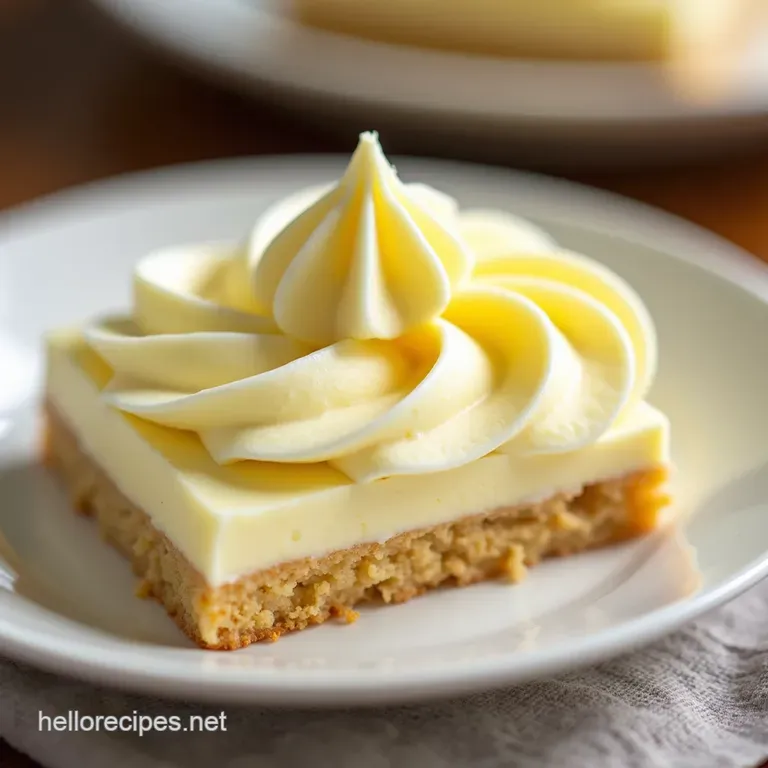
- Beyond the Bucket: Why This American Buttercream Stands Apart
- The Chef’s Promise: Achieving Bakery-Grade Perfection at Home
- The Foundation: Sourcing the Finest Components
- Precise Measurements for Predictable Results
- The Whipping Sequence: Building the Creamy Structure
- Troubleshooting Technique: Correcting Consistency Issues Mid-Mix
- Troubleshooting Texture Nightmares: Banish Graininess Forever
- Optimizing Your Delicious Buttercream Frosting: Storage and Longevity
- Creative Twists: Customizing Your Classic Recipe
- Recipe FAQs
- 📝 Recipe Card
Beyond the Bucket: Why This American Buttercream Stands Apart
When you think of a classic celebration, you inherently picture a slice of cake adorned with generous swirls of creamy topping. That topping, more often than not, is the iconic American Buttercream Frosting .
However, there is a vast ocean between the gritty, overly sweet tubs found in grocery aisles and the luxurious, bakery grade finish you can achieve at home. My goal here is to elevate this seemingly simple creation from mere sugar delivery system to a truly exquisite component of your dessert.
This Buttercream Frosting Recipe focuses rigorously on technique, ensuring every batch yields that enviable, spreadable texture that professionals chase. This isn't just a topping; it’s the crowning glory of your baking endeavor, perfect for both elaborate Buttercream Frosting for Cake applications and delicate rosettes on Buttercream Frosting for Cupcakes .
The Chef’s Promise: Achieving Bakery Grade Perfection at Home
The secret to making an Easy Buttercream Recipe truly exceptional lies not in exotic ingredients, but in the meticulous management of temperature and aeration. We are aiming for a result that is rich without being heavy, and sweet without being cloying.
Achieving this balance requires respect for the core Buttercream Frosting Ingredients . This promise is simple: follow these steps, and you will master the Best Buttercream Frosting you have ever tasted one that holds its shape beautifully while melting delicately on the tongue.
Defining the Ultimate Spreadable Texture
What sets superior frosting apart is its "spreadability." The ideal texture for this Homemade Buttercream Frosting is one where it yields gently under the pressure of a palette knife, gliding smoothly over the crumb of the cake without tearing it.
It should possess enough body to maintain sharp piping edges, yet melt slightly upon contact with the warmth of your mouth. This is the elusive, Silky Smooth Buttercream texture we are building through careful emulsion.
Your Essential Toolkit for Flawless Buttercream Frosting
While you can achieve this with a vigorous hand mixer, a stand mixer fitted with the paddle attachment is highly recommended for this process. The paddle attachment provides consistent, powerful mixing necessary for adequate aeration without introducing excessive air that can cause the frosting to deflate later.
On top of that,, having a fine mesh sieve ready is non-negotiable. Skipping the sieve when incorporating your powdered sugar is the primary cause of granular texture in less than-perfect batches.
Setting the Stage: Room Temperature Mastery for Butter
The most critical element before mixing begins is the state of your butter. Forget using melted butter; this will result in a greasy, separated disaster. The butter must be at a cool, pliable room temperature.
If you press a finger gently into a stick, it should yield softly without your finger sinking straight through. This slight firmness allows the butter to beat into a pale, fluffy structure, trapping air effectively, which is essential for the structure of our final Buttercream Frosting .
The Foundation: Sourcing the Finest Components
To create the Best Buttercream Frosting , you must use ingredients that perform well under agitation. Since butter is the primary component, its quality dictates the final flavour profile.
We are keeping this classic recipe pure, focusing on building flavour complexity through richness rather than added flavourings right away, though we certainly have options for customization later.
Precise Measurements for Predictable Results
Accuracy is paramount when developing fat and sugar emulsions. Too much fat, and the frosting will weep; too much sugar, and it will be stiff and overtly sweet. The ratio outlined here starting with 1 cup of butter to 4 cups of powdered sugar is the established benchmark for a stable American buttercream.
Choosing Your Fat: Salted Versus Unsalted Butter Dynamics
For this recipe, unsalted butter is the preferred fat. Working with unsalted butter grants you complete control over the final seasoning. We will introduce a precise amount of fine sea salt later in the process.
If you choose to use salted butter, you must omit the added salt entirely and be aware that the overall flavour profile will skew saltier, requiring you to potentially taste and adjust down.
The Sweet Science: Selecting the Right Powdered Sugar Grind
Powdered sugar, or icing sugar, is more than just sweetness; it provides structure through its fine particle size. To achieve a truly Silky Smooth Buttercream , the sugar must be sifted.
This breaks up any compacted clumps and removes cornstarch clumps that often form in the bag, ensuring seamless integration into the butter matrix.
Flavor Architects: Vanilla Extract Quality and Alternatives
The vanilla presence should be noticeable but not overpowering. Using a high-quality pure vanilla extract, providing that deep, warm note, makes a profound difference. If you are aiming for a pure white frosting for stark contrasts on a cake, you might consider substituting the vanilla with clear vanilla extract, which carries the flavour without the brown tint.
Related Recipes Worth Trying
- The Ultimate Moist Karottenkuchen Recipe with Cream Cheese Frosting — Achieve the perfect saftig German Karottenkuchen This easy recipe delivers rich spice and that essential cream cheese frosting every time Get the foolproof...
- The Best Moist Carrot Cake Recipe with Tangy Frosting — Forget dry sponges This definitive Carrot Cake Recipe guarantees a perfectly moist crumb and is perfect for Easter or afternoon tea Get the foolproof steps here
- My GoTo Classic Banana Cake Recipe Tender Moist Tangy Cream Cheese Frosting — Ditch dry loaves This ultimate Classic Banana Cake recipe is impossibly moist using buttermilk overripe bananas Top it with tangy cream cheese frosting...
The Whipping Sequence: Building the Creamy Structure
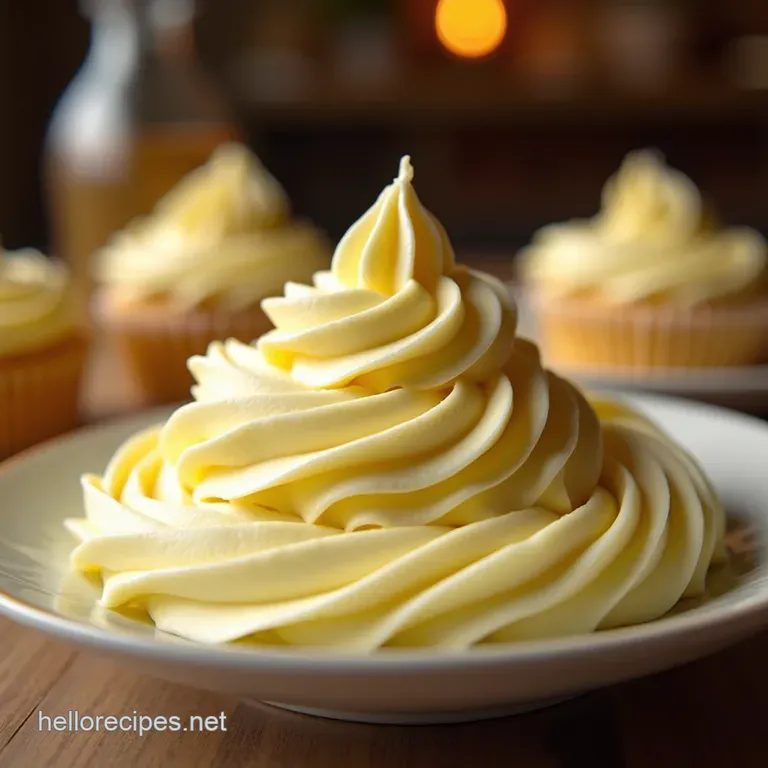
This is where technique separates the amateur from the expert. The process involves building structure in defined stages, moving from fat aeration to gradual sugar incorporation, and finally, to liquid emulsification.
Creaming the Fat: The Critical First Stage Aeration
Begin by placing your room temperature butter into the mixing bowl. Beat it alone on medium speed for a solid three to four minutes. Watch closely as the butter transforms; it should lighten significantly in colour, becoming pale yellow, and increase in volume as air is successfully incorporated.
This initial aeration is the scaffolding for the entire batch of Buttercream Frosting for Cake .
Incorporating Sweetener Gradually: Avoiding the Sugar Cloud Explosion
Reduce the mixer speed to the absolute lowest setting. This is vital to prevent a cloud of confectioners' sugar from enveloping your kitchen. Add the sifted powdered sugar one cup at a time, mixing just until the sugar is incorporated into the butter before adding the next cup.
After all the sugar is added, increase the speed slightly and mix for one minute, scraping the bowl thoroughly.
The Liquid Factor: Introducing Milk or Cream for Smoothness
Now we introduce the liquid necessary to bind the sugar and fat into a creamy emulsion. Start with three tablespoons of cold or room temperature heavy cream or whole milk. Add it slowly, a teaspoon at a time, allowing it to mix fully before adding more. This controlled addition prevents the mixture from becoming soupy.
The liquid softens the mixture just enough to achieve that desired smooth consistency.
The Final Polish: Whipping Until Light and Airy
Once the liquid is incorporated and the mixture looks relatively smooth, increase the mixer speed to medium high. Let it run for a full three to five minutes. This final whip is the polisher; it refines the texture, further lightening the colour and ensuring every particle is fully bound.
This extended high speed mixing is what transforms good Buttercream Frosting Ingredients into a truly Silky Smooth Buttercream .
Troubleshooting Technique: Correcting Consistency Issues Mid-Mix
If your frosting seems too thick or stiff after all the sugar is incorporated but before the liquid is added, resist the urge to add too much milk. Instead, try beating it on medium speed for an extra minute; sometimes, more aeration is all it needs.
If it remains stubbornly stiff, only then should you slowly drizzle in extra liquid, one teaspoon at a time, until you reach the perfect flow.
Troubleshooting Texture Nightmares: Banish Graininess Forever
If, despite your best efforts, your frosting tastes or feels slightly grainy, it’s almost certainly undissolved powdered sugar. The fix requires patience. Set the mixer speed to medium and add one more tablespoon of your liquid (cream or milk). Beat for another four minutes.
The slight increase in moisture often helps the remaining sugar crystals dissolve into the fat matrix. If graininess persists after this, you may need to switch to a No Powdered Sugar Buttercream alternative next time, perhaps one using a Swiss Meringue base, but for this American version, time and a touch more liquid are usually the cure.
Optimizing Your Delicious Buttercream Frosting: Storage and Longevity
This frosting is excellent for immediate use, but sometimes you need to prepare ahead. It serves perfectly as Buttercream Frosting for Cupcakes made the day before.
The Fix: Re-Emulsifying Overly Soft or Separated Batches
If your kitchen is too warm and your frosting has become overly soft or even slightly separated (looking greasy), do not panic. Transfer the bowl to the refrigerator for 15 minutes. Once slightly chilled, return it to the mixer and beat it again starting on low speed and gradually increasing.
The chilling helps the butter re-solidify, allowing the paddle to re-emulsify the mixture back into stability.
Temperature Control: When to Chill and When to Temper
When storing, always place plastic wrap directly against the surface of the Buttercream Frosting . This prevents a hard 'skin' from forming, which can be disastrous when trying to re-incorporate it later.
If you refrigerate it, allow it to come back to true room temperature about an hour on the counter before attempting to beat it back to life. Cold butter will break the emulsion immediately upon mixing.
Extending Shelf Life: Safe Freezing Protocols for Buttercream
This stable American recipe freezes beautifully. Store it in an airtight container in the freezer for up to three months. When you are ready to use the frozen batch, allow it to thaw slowly in the refrigerator overnight, then let it temper on the counter for several hours until it is completely soft but still cool to the touch before beating it until fluffy again.
Creative Twists: Customizing Your Classic Recipe
Once you’ve mastered the base, feel free to experiment with making your signature Homemade Buttercream Frosting .
Flavor Infusions: Adding Zest, Cocoa, or Extracts
For a vibrant citrus flair, add the finely grated zest of an orange or lemon alongside your vanilla extract, substituting a teaspoon of the liquid with the corresponding fresh juice for balance.
For chocolate lovers, whisk 1/4 cup of high-quality sifted cocoa powder into the dry ingredients along with the powdered sugar. For a richer note, brown butter can be used in place of the standard butter just ensure it cools completely (to room temperature) before beating!
Recipe FAQs
My Buttercream Frosting always ends up gritty or grainy how do I stop that?
That grainy texture is usually down to the powdered sugar not dissolving properly, or your butter being too cold when you started. Make sure you sift your icing sugar rigorously it's non-negotiable for smoothness!
Also, remember that last 3-5 minute high speed whip is key; it beats the sugar crystals so thoroughly that they virtually disappear into the butter.
My frosting looks curdled or separated after mixing is it ruined?
Don't panic; this is very common! It usually means your butter and liquid ingredients weren't the same temperature, causing the emulsion to break. Take the bowl off the mixer, give it a good scrape, and pop it into the fridge for about 10 to 15 minutes.
Bring it out, and start mixing again on low speed it should come back together like magic. It just needed a little chill time to sort itself out!
Can I make this Buttercream Frosting ahead of time, and how should I store it?
Absolutely, it keeps like a dream! For short term storage (up to 5 days), press a layer of cling film directly onto the surface of the frosting to prevent a hard 'skin' from forming, and keep it in the fridge.
Before using, let it sit at room temperature for an hour or two, then give it a quick whisk with a hand mixer to restore that lovely fluffy texture.
How do I make this frosting stiff enough for piping detailed decorations without it collapsing?
If it’s too soft for piping those lovely Victorian rosettes, the fix is simple: add more sifted powdered sugar, one tablespoon at a time, beating well after each addition until you reach the desired stiffness.
Alternatively, if your kitchen is very warm, you can chill the whole batch for 15 minutes before piping, which firms up the butter content beautifully.
I want to try a different flavour what are the easiest ways to jazz up this classic buttercream?
This American style is a blank canvas! For a zingy alternative, swap the vanilla for lemon zest and a tablespoon of fresh juice; it’s brilliant on plain sponge cakes. For chocolate, whisk in 3 tablespoons of good quality, sifted cocoa powder along with the sugar stages, perhaps substituting a tablespoon of milk for strong, cooled espresso for a mocha hit.
Why does this recipe call for salt, and can I leave it out if I’m making a very sweet cake?
Think of the salt as the supporting actor that makes the star shine! Even in sweet things, a pinch of salt is vital to balance the overwhelming flavour of the sugar and butter, preventing that one-note sugary taste. I strongly advise keeping the 1/4 teaspoon in; it really elevates the vanilla flavour, honest.
Silky Smooth Buttercream Frosting
Ingredients:
Instructions:
Nutrition Facts:
| Calories | 639 kcal |
|---|---|
| Protein | 0.0 g |
| Fat | 27.2 g |
| Carbs | 37.5 g |
| Fiber | 0.0 g |
| Sodium | 13340 mg |
