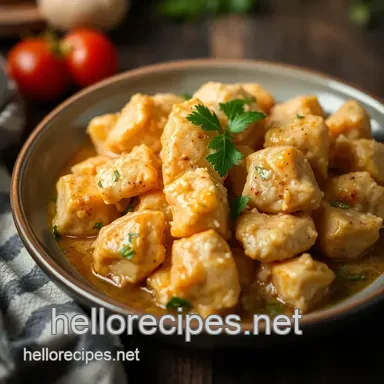
Sautéed Coconut Chicken Delight: Zesty and Bold
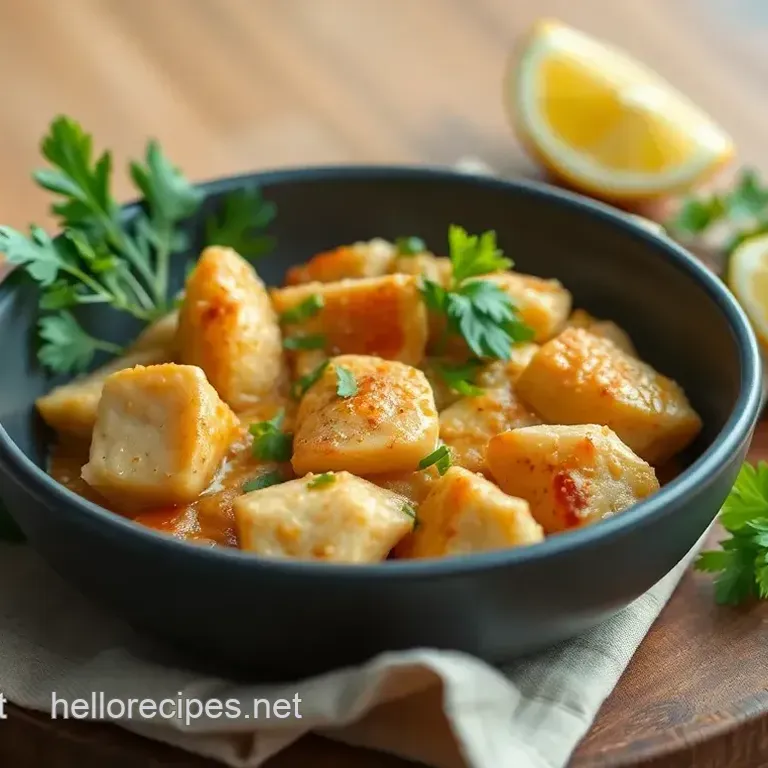
- Prep: 15 min / Cook: 15 min
- Key Highlight: A deep, mahogany glaze balanced by a zesty citrus finish
- Perfect for: Busy evenings or weekly meal planning
Let's address a common misconception about tropical dishes. Many assume that a sauce requires an entire afternoon of bubbling to achieve a complex, layered taste. I fell for that myth myself until I stopped adhering to the "low and slow" mantra for every recipe.
In reality, you can achieve that same richness in far less time by prioritizing the sear. My first attempt involved simmering everything together, resulting in a flavor that felt flat almost like warmed-up coconut milk. Everything clicked once I started properly browning the chicken.
This dish relies on heat rather than patience. The goal is a striking contrast between the charred, savory chicken and the vibrant, creamy sauce. It's a one-pot victory that tastes far more sophisticated than the actual effort required.
Why This Method Works
I've found that the order of operations is what makes this dish stand out. If you just toss everything in a pot, you miss out on the actual flavor.
Over High heat Searing: Browning the meat creates a savory crust that prevents the Coconut Chicken from tasting too sweet. It's the same logic I use for my Awesome Sauce recipe to get that punchy base.
Full Fat Binding: Using full fat coconut milk ensures the sauce stays together. The higher fat content acts as a stabilizer, so you don't end up with an oily mess on your plate.
The searing part creates those brown bits that make the sauce taste savory. Using full fat milk keeps the sauce from splitting when it hits the heat.
Recipe Specs
This is a fast paced dish. You'll spend about as much time prepping as you do at the stove, making it a great choice for when you're starving but want something that feels innovative.
The result is a rich, creamy sauce that clings to the meat. Since it's a single pan meal, you aren't stuck with a mountain of dishes afterward.
Ingredient Roles and Swaps
The balance here is between the richness of the coconut and the acidity of the lime. If you skip the lime, the dish feels heavy. If you skip the turmeric, you lose that vivid, golden color.
| Ingredient | What It Does | Best Swap |
|---|---|---|
| Full fat Coconut Milk | Creates a rich, creamy base | Coconut cream (dilute with a splash of water) |
| Lime Juice | Cuts through the fat with acidity | Rice vinegar (adds a slightly different tang) |
| Turmeric Powder | Adds earthy flavor and gold color | Curry powder (more complex, less earthy) |
| Soy Sauce | Provides salt and deep umami | Tamari or Coconut Aminos (for gluten-free) |
The Essential Gear
While any standard kitchen works, a few specific tools help. A large skillet is essential so the chicken has plenty of room to brown instead of steaming.
I prefer stainless steel or cast iron, as they retain heat better than non-stick pans, ensuring a deep mahogany crust on the Coconut Chicken. You'll also need a sturdy spatula and a whisk for the sauce.
Steps to the Plate
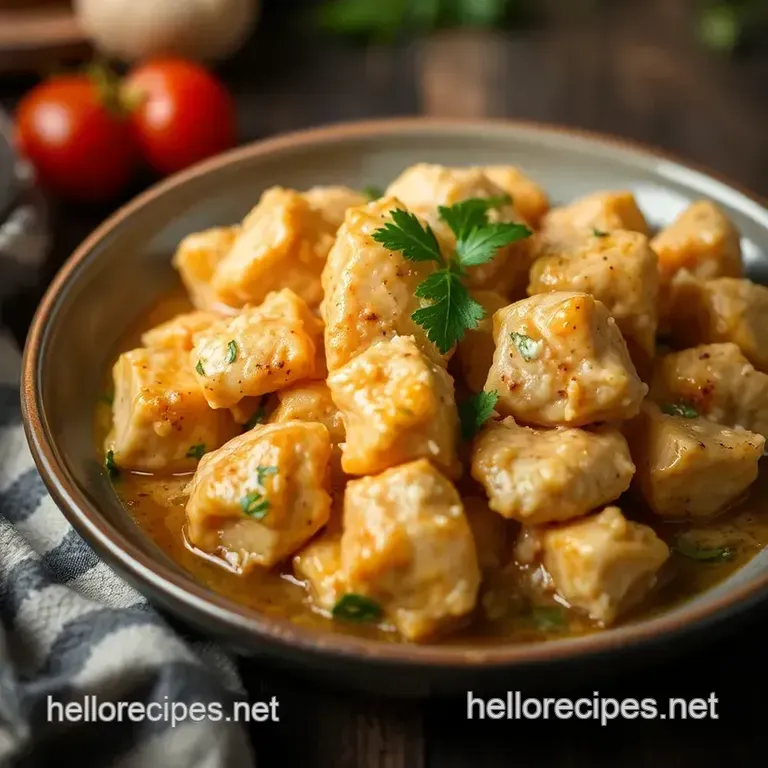
Time to start cooking.
- Use a paper towel to pat the chicken pieces dry. Note: Dry meat browns better, while wet meat merely steams. Season with 1 tsp salt and ½ tsp black pepper.
- In a small bowl, whisk together 400ml coconut milk, 15ml soy sauce, 15ml lime juice, 2g turmeric, and 1g cumin.
- Warm 15ml neutral oil in a wide pan over medium high heat until it begins to glisten.
- Arrange the chicken in a single layer. Sear for 3-4 minutes until a golden brown crust forms.
- Flip the pieces and cook for another 3 minutes. Transfer the meat to a plate to keep it warm.
- Add the diced onion to the remaining fat. Sauté for 3 minutes until the onion is translucent.
- Stir in the minced garlic, grated ginger, and 2g red chili flakes. Cook for 30 seconds until you smell the fragrance.
- Pour in the coconut milk blend. Deglaze the pan by scraping the browned bits into the liquid.
- Bring the sauce to a gentle simmer, then return the seared chicken and its juices to the pan.
- Simmer for 5-7 minutes until the sauce reduces into a velvety glaze and the chicken is cooked through.
Chef's Note: Allow the chicken to rest for 2 minutes before serving. This ensures the juices redistribute so the meat stays tender.
Handling Common Issues
Not every meal is foolproof. For Coconut Chicken, temperature management is usually the key to success.
Fixing Sauce Separation
If your sauce starts to split or curdle, the heat is likely too high. Lower the burner to medium low and whisk gently. To avoid this, opt for full fat milk rather than "lite" varieties.
Stopping Overcooked Meat
Chicken breasts can dry out quickly. Simmering for too long after the initial browning leads to a rubbery texture. Keep that simmer to 5-7 minutes just enough to thicken the sauce and ensure the centers are cooked through.
Managing Too Much Salt
If the soy sauce makes the dish overly salty, stir in some extra lime juice. This addition of acid offsets the saltiness and adds a bright note to the meal.
Preventing a Bland Sauce
If the taste feels flat, you may not have seared the chicken sufficiently. The caramelized residue on the pan provides essential depth. In the future, let the meat sear undisturbed for a full 4 minutes.
Side Dish Pairings
Since the Coconut Chicken is quite indulgent, pairing it with contrasting sides is key. Something light or airy is ideal for absorbing the extra sauce.
I recommend serving it atop steamed jasmine rice, or cauliflower rice if you prefer a lower calorie alternative. For a bit of texture and a sharp edge to balance the coconut cream, try adding charred bok choy or steamed snap peas.
For another indulgent sauce with a Mediterranean flair, you might enjoy this Creamy Tuscan Chicken, but keep things tropical for this particular meal.
Storage and Waste
This meal stores nicely, though the sauce tends to thicken as it chills.
Keep any remaining portions in a closed glass jar and chill for a maximum of 3 days. Stir in a tablespoon of coconut milk or water while reheating to restore the consistency. I'd skip the freezer for this one, as the coconut milk can separate or turn grainy.
To minimize waste, save whatever coconut milk is left in the can. I like freezing the remnants in ice cube trays to add to my morning smoothies. Additionally, you can save your ginger peels and onion bits to make a vegetable stock.
Changing the Flavor
Depending on what's in your pantry, you can shift the vibe of this Coconut Chicken quite easily.
For a more Indian style feel, double the turmeric and add a pinch of garam masala. For a Thai influence, swap the soy sauce for fish sauce and add a handful of fresh basil leaves at the very end.
If you want to make this vegan, swap the chicken for extra firm tofu. Press the tofu for 20 minutes first to get the water out, then sear it exactly like the chicken.
Quick Adjustments:
- Extra tang? → add 1 tsp lime zest
- More heat? → double the chili flakes
- Thicker sauce? → simmer 2 mins longer
Method Comparison
| Feature | Stovetop Method | Oven Method |
|---|---|---|
| Texture | Deep mahogany sear | Uniformly tender |
| Effort | Requires stirring | Set and forget |
| Time | 30 minutes total | 45-50 minutes total |
Fact Checking the Kitchen
Searing meat does not "seal in" the juices. That's an old myth. The browning actually removes moisture from the surface, but it adds a massive amount of flavor through caramelization.
Another common misconception is that coconut milk will curdle the moment it boils. While extreme heat can cause it, full fat coconut milk is quite stable. A gentle simmer is perfectly safe and necessary to thicken the sauce.
Right then, that's the whole process. This Coconut Chicken is all about that balance of rich and bright. It's an innovative way to get a high impact dinner on the table without spending your whole night in the kitchen. Enjoy!
Recipe FAQs
What ingredients are required for this coconut chicken?
You will need chicken breast, full fat coconut milk, soy sauce, lime juice, turmeric, and cumin. Aromatics like ginger, garlic, onion, and red chili flakes complete the dish.
How to achieve a golden brown crust on the meat?
Pat the chicken dry with paper towels before seasoning. Cook the pieces in shimmering neutral oil without stirring for 3-4 minutes to develop a deep sear.
Is it true that these leftovers can be frozen?
False. The coconut milk can separate or become grainy after being frozen.
What is the secret to a velvety sauce?
Simmer the chicken in the coconut mixture for 5-7 minutes. This reduction process creates a thick glaze that clings perfectly to the meat.
Can I use light coconut milk instead?
You can use it, but the result will be thinner and less creamy. Full fat milk is necessary for the rich texture and body of the sauce.
Which side dishes complement this flavor profile?
Steamed jasmine rice or sautéed greens balance the richness well. If you enjoyed mastering the savory sweet balance here, see how the same principle works in our Hawaiian rolls.
Sauteed Coconut Chicken Delight In 55 Min