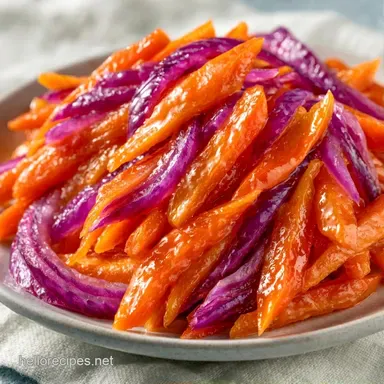
Crispy Quick Pickled Carrots
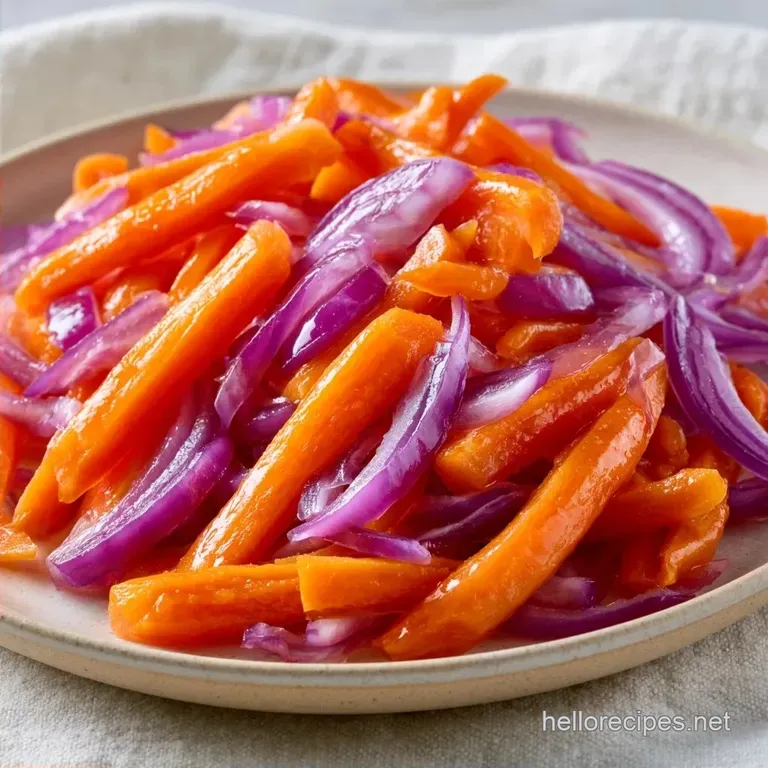
- Time: 5 min active + 1 hour 40 mins total chilling
- Flavor/Texture Hook: Snappy, vinegary, and bright
- Perfect for: Meal prep, taco nights, or banh mi
- Why This Brine Works
- Quick Decision Guide
- What Each Ingredient Does
- Ingredients and Substitutes
- Gear You'll Need
- Simple Step-by-Step Guide
- Solving Common Texture Issues
- Serving Ideas and Pairings
- Preservation Guidelines
- Easy Flavor Swaps
- Scaling Your Batch
- Debunking Pickle Myths
- Very High in Sodium
- Recipe FAQs
- 📝 Recipe Card
That sharp, vinegary snap when you bite into a cold carrot is everything. I first tried this style in a small shop where the carrots were sliced into tiny, vibrant ribbons. They cut right through the richness of the grilled pork and creamy mayo. It's a simple contrast that makes a huge difference.
Most people think you need weeks of fermentation to get a good pickle. You don't. By using a hot brine, we speed up the process so you can eat them today. This is the cheapest way to add a "fancy" touch to a basic meal.
These Pickled Carrots rely on the humble root vegetable. Carrots are great because they hold their structure under heat and acid better than cucumbers. You get a bright, acidic pop that stays crunchy for days.
Why This Brine Works
Hot Infusion: Heating the liquid helps the salt and sugar dissolve quickly. This allows the vinegar to soak into the carrots faster than a cold soak would.
Acid Balance: The sugar doesn't make it a dessert. It just softens the sharp edge of the apple cider vinegar so the flavor doesn't overwhelm your palate.
| Fresh Carrots | Quick Pickled Carrots | Best Use |
|---|---|---|
| Sweet, earthy, hard crunch | Tangy, salty, snappy | Tacos, bowls, sandwiches |
| Raw snacks | Condiment/Topping | Banh Mi, salads |
| Low acidity | High acidity | Cutting through fatty meats |
Quick Decision Guide
| Goal | What to change |
|---|---|
| More Heat | Add 1/2 tsp extra red pepper flakes |
| Sweeter Taste | Increase sugar by 1 tablespoon |
| Sharper Tang | Reduce water by 2 tablespoons |
What Each Ingredient Does
| Component | Purpose | Substitute Notes |
|---|---|---|
| Carrots | Main crunch and bulk | Daikon radish: Adds a peppery bite |
| Apple Cider Vinegar | Primary acid source | White vinegar: Sharper, less fruity |
| Granulated Sugar | Balances the acidity | Honey: Thicker, adds floral notes |
| Kosher Salt | Draws out moisture | Sea salt: Works well, use slightly less |
Ingredients and Substitutes
- 1 lb carrots, peeled and julienned Why this? Cheap, sturdy, and holds a snap.
- 1/2 medium red onion, thinly sliced (Substitute: Shallots)
- 2 cloves garlic, smashed (Substitute: Garlic powder)
- 1 cup apple cider vinegar (Substitute: Rice vinegar)
- 1/2 cup water (Substitute: White wine)
- 1/4 cup granulated sugar (Substitute: Maple syrup)
- 1 tbsp kosher salt (Substitute: Table salt)
- 1 tsp whole black peppercorns (Substitute: Cracked pepper)
- 1/2 tsp red pepper flakes (Substitute: Cayenne)
Gear You'll Need
You only need a few basics. To get the strips thin, a sharp knife or a julienne peeler works best. Opt for a glass mason jar, because plastic may stain or retain vinegar odors over time. A small saucepan is all that's required to heat your brine.
Simple step-by-step Guide
- Cut the carrots into thin ribbons or matchsticks and thinly slice the red onion.
- Layer the carrots, onions, and crushed garlic cloves tightly into a glass mason jar. Note: Packing them tightly ensures they don't float.
- Combine apple cider vinegar, water, sugar, and salt in a small saucepan over medium heat.
- Stir occasionally until the liquid reaches a gentle simmer and the sugar and salt have fully dissolved.
- Take the brine off the heat immediately.
- Pour the hot brine over the vegetables, making sure they are completely submerged.
- Add the red pepper flakes and whole black peppercorns to the jar.
- Seal the lid and leave the jar at room temperature for 30 minutes.
- Move the Pickled Carrots to the refrigerator to chill for 1 hour before serving.
Solving Common Texture Issues
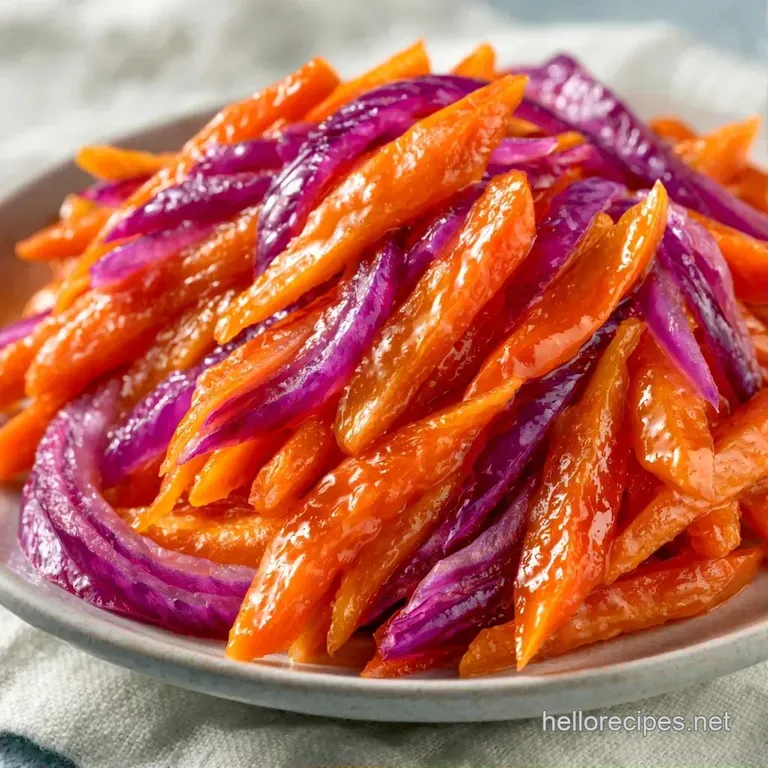
Soggy Vegetables
This happens if the brine is boiling when you pour it. The heat "cooks" the carrot instead of pickling it. Make sure the liquid is just simmering, not rolling, before it hits the jar.
Brine Too Acidic
If the vinegar taste is too sharp, you likely didn't dissolve the sugar fully. You can fix this by taking a bit of the brine, heating it with a pinch more sugar, and stirring it back in. If you love a milder tang, check out my zesty pickled red onions for a different balance.
Floating Carrots
When vegetables float, they don't pickle evenly. Press them down with a spoon or use a smaller jar so the vegetables are packed tighter. If you have extra space, add more brine to keep everything under the surface.
Serving Ideas and Pairings
These Pickled Carrots are a powerhouse for adding color to a plate. I love piling them high on a Banh Mi sandwich or using them to brighten up a bowl of quinoa and roasted chickpeas. They also work great on a vegan charcuterie board alongside some hummus and olives.
If you're doing a taco night, use these instead of a traditional slaw. The acidity cuts through the fat of carnitas or chorizo. You can even chop them smaller and mix them into a potato salad for an unexpected zing.
Preservation Guidelines
Store these in a glass jar in the refrigerator. They'll maintain their crunch for about 3 weeks, though the onion's color will eventually tint the carrots. Be sure not to leave them out of the fridge for more than a couple of hours.
If you purchased carrots with the greens attached, save the tops rather than tossing them. You can whiz them up with garlic, oil, and lemon to create a vivid green pesto. The remaining brine is also wonderful for homemade vinaigrettes or as a marinade for grilled chicken.
Easy Flavor Swaps
Asian Style Twist
Swap the apple cider vinegar for rice vinegar and add a teaspoon of grated ginger. This version is specifically great for Pickled Carrots and Daikon.
Zesty Mexican Profile
Add a sliced jalapeño and a pinch of dried oregano to the jar. This gives the Pickled Carrots a kick that pairs well with street corn.
Low Sodium Needs
Reduce the salt to 1/2 tablespoon. The carrots will be slightly less snappy, but the vinegar still provides plenty of flavor.
Scaling Your Batch
If you're making a double batch, don't just double the salt. Use 1.5x the salt and spices to avoid making the brine too aggressive. You can use a larger quart jar, but work in batches if your saucepan is too small to reach a simmer quickly.
For a tiny batch, you can use a jam jar. Reduce the time the brine spends on the heat by about 20% since smaller amounts of liquid boil much faster.
Debunking Pickle Myths
You might think boiling the vegetables is a necessary step, but it's actually a mistake. Boiling the carrots softens their cell walls, which ruins the crunch. A hot brine is sufficient to bring in flavor while keeping the snap.
Another common myth is the need for specialized "pickling salt." While pickling salt is highly pure, kosher salt is a great substitute for fridge pickles. Just stay away from salts containing iodine to ensure your brine remains crystal clear.
Now you have a quick way to create Pickled Carrots that taste genuinely fresh. It's an affordable win that makes your meal prep feel more professional. Give it a go this week.
Very High in Sodium
2150 mg 2,150 mg of sodium per serving (93% 93% of daily value)
The American Heart Association recommends an ideal limit of no more than 1,500 mg per day for most adults, with a general ceiling of 2,300 mg.
Tips to Reduce Sodium
-
Reduce Kosher Salt-30%
The primary sodium source is the kosher salt; try reducing the amount by half or using a potassium based salt substitute.
-
Increase Acidity-15%
Add a splash of fresh lemon juice or increase the apple cider vinegar to provide a sharp, tangy flavor that mimics the bite of salt.
-
Enhance Aromatics-10%
Double the amount of smashed garlic and red onion to build a deeper flavor base, making the dish satisfying with less salt.
-
Incorporate Fresh Herbs
Stir in fresh dill or chopped parsley after the pickling process to add brightness and complexity without adding sodium.
Recipe FAQs
How to pickle carrots quickly?
Simmer a brine of apple cider vinegar, water, sugar, and salt, then pour it over julienned carrots.
Tip: slice carrots into thin ribbons to maximize surface area for faster absorption.
What is the easiest way to pickle vegetables?
Pack sliced vegetables into a jar and cover them with a hot vinegar based brine.
Tip: use a glass mason jar to prevent the acid from reacting with the container.
Is it true that carrots need weeks of fermentation to taste like pickles?
Surprisingly, no. A hot brine helps the vinegar soak into the carrots in only a few hours.
Tip: leave them on the counter for 30 minutes before refrigerating to accelerate the process.
Which meals go best with these pickled carrots?
These provide a sharp acidity that balances rich dishes like my crunchy taco salad.
Tip: try them on Banh Mi sandwiches or grilled pork for a professional contrast.
Why are my pickled carrots not crunchy?
Overcooking the brine or leaving the vegetables in the hot liquid too long can soften them.
Tip: remove the brine from the heat immediately once it reaches a gentle simmer.
Do I have to use white vinegar for a simple pickle?
No, this is a common misconception. Apple cider vinegar adds a fruity depth that complements the natural sweetness of carrots.
Tip: keep the sugar ratio consistent to avoid the brine tasting too sharp.
Quick Pickled Carrots