Pickled Japanese Vegetables in 15 Minutes
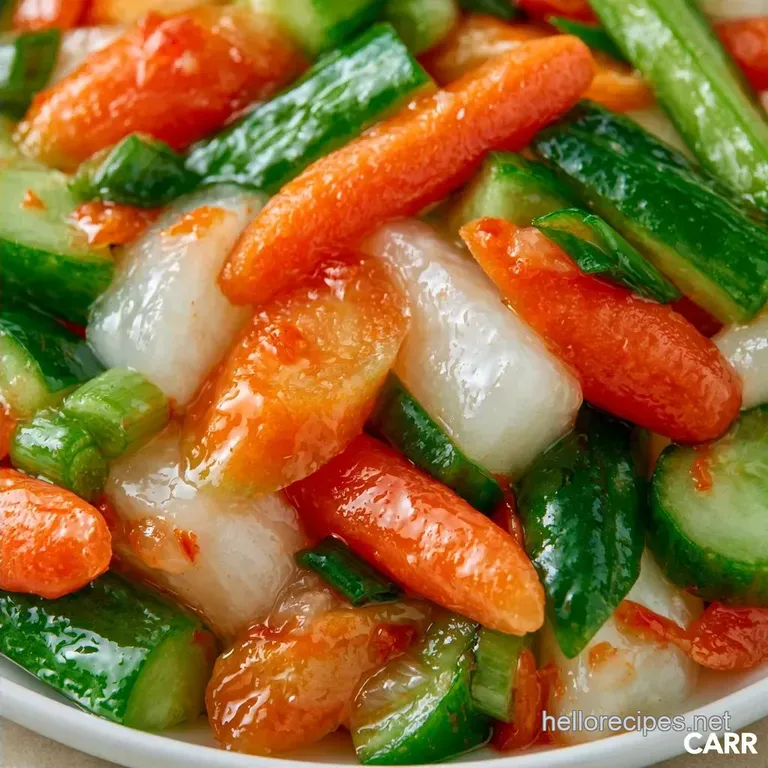
- Timeline: 15 min active + 30 min chilling
- Sensory Profile: Tangy, vivid, and very crunchy
- Ideal for: Easy weeknight sides, bento boxes, or beginner prep
The sharp, clean aroma of rice vinegar always brings back memories of tiny Tokyo izakayas. In Japan, these pickles, known as tsukemono, serve a purpose far beyond being a simple accompaniment. They act as a palate cleanser, refreshing your taste buds between bites of rich fish or savory grilled meats.
Almost every family has their own heirloom version.
I once tried the fermented rice bran technique, but the process was painstakingly slow. One batch sat too long and ended up smelling like a damp basement a total failure. Now, I stick with the Asazuke style.
This quick pickling method provides the same vibrant colors and satisfying snap without the risk of a kitchen project gone wrong.
You can expect a harmony of sweet, salty, and tart notes. This version of Pickled Japanese Vegetables uses a low-sugar brine to keep the flavor light. It is an ideal way to clear out any root vegetables lingering in your crisper drawer.
Pickled Japanese Vegetables: Easy Crunchy Guide
We want a zesty, acidic profile that complements rather than masks the natural flavor of the vegetables. Combining two vinegars creates a depth of flavor that a single variety cannot achieve. This process layers tastes, beginning with a salt treatment and concluding with fragrant ginger and garlic.
- Salt Draw
- Salt extracts moisture from the vegetable cells, ensuring they stay crisp rather than mushy.
- Vinegar Blend
- Mixing rice and apple cider vinegar pairs a gentle sweetness with a sharp edge.
- Cold Soak
- Refrigerating the vegetables ensures the brine absorbs gradually, preserving a firm bite.
| Method | Time | Texture | Best For |
|---|---|---|---|
| Quick Soak (Asazuke) | 45 mins | Extra Crunchy | Fresh salads, bentos |
| Bran Ferment (Nukazuke) | 1-2 weeks | Soft/Salty | Traditional feasts |
| Vinegar Steep (Kasuzuke) | 2-3 days | Tangy/Soft | Sushi accompaniments |
These Pickled Japanese Vegetables depend on specific ingredients for their iconic flavor. Daikon serves as the base with its peppery notes, complemented by the crisp, watery snap of Japanese cucumber. Napa cabbage adds a contrasting, softer leafiness.
Monk fruit sweetener keeps the sugar content low, though honey is a great alternative for a hint of floral sweetness. The addition of garlic and ginger elevates these simple pickles to a professional standard.
Shopping List Essentials
- 1 cup (150g) Daikon radish, peeled and sliced into rounds Why this? Provides the essential peppery base
- 1 cup (150g) Japanese cucumber, thinly sliced Why this? Thinner skin and smaller seeds than English
- 1/2 cup (75g) Carrots, julienned Why this? Adds earthy sweetness and color
- 1/2 cup (75g) Napa cabbage, chopped into 1 inch squares Why this? Absorbs brine more than root veg
- 3 tbsp (45ml) Rice vinegar Why this? Mild acidity
- 1 tbsp (15ml) Apple cider vinegar Why this? Adds a fruity, sharp edge
- 1 tsp (5g) Sea salt Why this? Essential for drawing out moisture
- 1 tsp (4g) Monk fruit sweetener Why this? Low calorie sweetness
- 1 tsp (5g) Fresh ginger, grated Why this? Adds a zesty, warming kick
- 1 clove (3g) Garlic, minced Why this? Pungent depth
- 1 tsp (2g) Toasted sesame seeds Why this? Nutty finish
- 1 stalk (5g) Green onion, thinly sliced Why this? Fresh, oniony brightness
Substitutions:
- Monk fruit: Use 1 tsp honey or maple syrup (Note: adds a slight floral taste).
- Japanese cucumber: Use Persian cucumbers (Note: similar crunch and size).
- Daikon: Use large white radishes (Note: might be slightly more pungent).
Tools You'll Need
I prefer using a mandoline for the vegetables. It ensures every slice is exactly 1/8 inch, which means they all pickle at the same rate. If you don't have one, a very sharp chef's knife works just fine.
You'll also need a large mixing bowl for the salt cure and a glass jar with a tight lid. Avoid plastic containers for the soaking phase, as the vinegar can sometimes react with the plastic or leave a lingering smell.
Step-by-step Method
It's time to prepare your batch of Pickled Japanese Vegetables.
- Cut the daikon, cucumber, carrots, and cabbage into consistent 1/8 inch (3mm) slices. Toss them all into a large mixing bowl.
- Scatter the sea salt over the vegetables. Mix gently by hand and let them sit for 10 minutes until you notice beads of water appearing on the surface. Note: This allows the salt to draw out excess moisture.
- Place the vegetables in a fine mesh strainer and drain the liquid. Avoid rinsing them, as this would remove the seasoning.
- In your glass jar, whisk the monk fruit sweetener, rice vinegar, and apple cider vinegar until the granules have dissolved.
- Stir the sliced green onions, minced garlic, and grated ginger into the mixture.
- Pack the salted vegetables into the jar, pressing down firmly to keep them fully submerged. Seal the lid and shake the jar well for 30 seconds.
- Refrigerate the jar. Chill for at least 30 minutes for a light tang, or 24 hours for a more concentrated, bold flavor.
Chef's Tip: To keep the colors bright, stir a pinch of turmeric into the brine. It won't significantly alter the taste but helps the daikon and carrots pop.
Fixing Common Issues
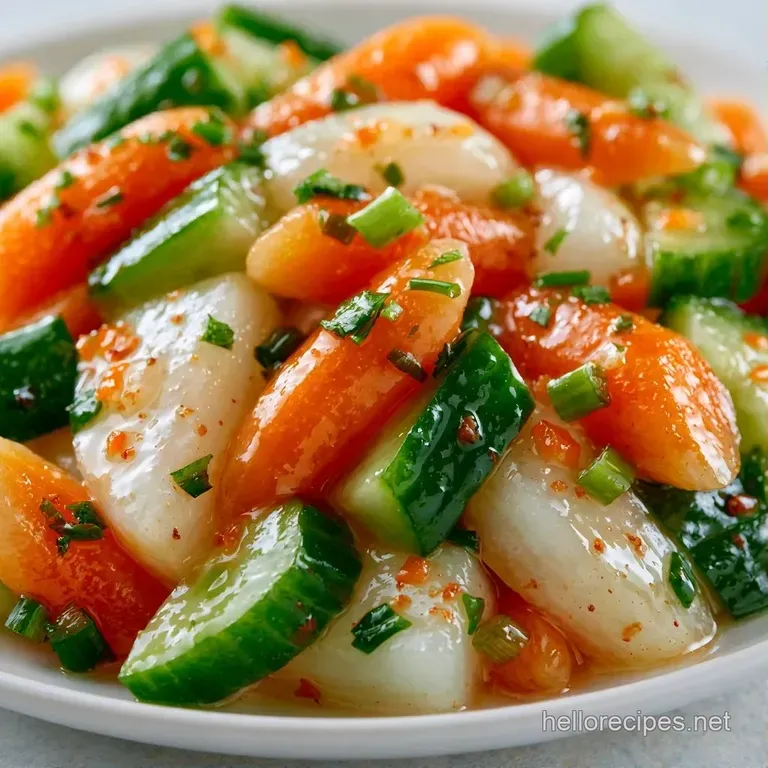
When making Pickled Japanese Vegetables, the most common struggle is the texture. If you skip the salting step, the brine just sits on the outside, and the insides stay bland. Conversely, too much salt can make them shrivel.
If your pickles taste like a salt lick, don't panic. You can't "un salt" them, but you can balance the flavor by adding a splash of water and more vinegar. This dilutes the salinity without ruining the acidity.
Fixing Too Salty Brine
If the vegetables are overly salty, rinse them quickly under cold water. Put them back in a new mixture of equal parts water and rice vinegar for 30 minutes.
Preventing Sogginess
Sogginess happens when you don't drain the salt water properly. Ensure you use a strainer and let the liquid drip for at least a minute before adding the brine.
Dealing with Dull Colors
Oxidation can make vegetables look grey. Keep the vegetables fully submerged in the liquid to block out oxygen.
| Problem | Root Cause | Solution |
|---|---|---|
| Mushy Texture | Skipped salt cure | Salt for 10 mins before brining |
| Too Salty | Too much salt / no drain | Quick rinse and re marinate |
| Bland Taste | Not enough chilling time | Chill for at least 2 hours |
| Watery Brine | Poor draining | Use a fine mesh strainer |
Fresh Flavor Variations
You can easily tweak this recipe to suit your mood. For a spicy kick, add a teaspoon of Gochugaru or sliced Thai bird's eye chilies to the jar before shaking. This adds a heat that cuts through the vinegar beautifully.
For those who like a creamier, saltier vibe, stir in a tablespoon of white miso paste. This turns the clear brine into a cloudy, savory sauce. If you're looking for something similar but different, my zesty pickled red onions use a different acid profile that's great for tacos.
For a sushi style version, increase the sweetener to 2 teaspoons and add a piece of dried kombu (kelp) to the jar. This adds a deep umami layer that makes these Pickled Japanese Vegetables taste like they came from a high end sushi bar.
Keeping Veggies Fresh
Store these pickles in a sealed jar in the fridge for a maximum of 10 days. They taste best after about two days, once the aromatics have deeply soaked into the firmer root vegetables.
Avoid freezing this dish. The freezing process breaks down the vegetable cells, resulting in a watery, mushy texture upon thawing.
To minimize waste, save the remaining brine; it works like a flavorful vinaigrette. Try it as a dressing for kale or mixed into cold noodles. Additionally, I toss the daikon and carrot peel scraps into a pot to begin a homemade vegetable stock.
Best Food Pairings
These Pickled Japanese Vegetables make for a dynamic side dish. They complement grilled salmon or a simple bowl of steamed rice perfectly. For a more substantial meal, pair them with homemade udon noodles to create a satisfying blend of textures.
They are also a refreshing choice for a vegan charcuterie board, offering a tangy balance to salty olives or creamy cashew cheeses.
For a fast lunch, add them to a bowl of quinoa with avocado and a touch of sesame oil. The pickles' acidity brightens the neutral profile of the grain.
How the Brine Works
Making Pickled Japanese Vegetables is essentially a lesson in physics. By starting with salt, you create a pressure difference that draws water out of the vegetables, causing the cells to shrink and forming a vacuum.
When the vinegar brine is added, the liquid rushes to fill those empty spaces. This is what makes the process so efficient; rather than waiting days for the vinegar to penetrate, the salt "opens the door," locking in the flavor quickly.
Before you know it, you have a jar of crisp, tangy goodness. I love these Pickled Japanese Vegetables because they require minimal effort yet make any meal feel more complete. Trust me, once you have a jar in your fridge, you'll find a way to put them on everything.
Recipe FAQs
What are pickled vegetables called in Japanese?
These preserved vegetables are known as tsukemono.
Tip: use a mandoline to get the required 1/8 inch slices for a professional look.
Is it true that all Japanese pickles require weeks of fermentation?
Not true. Quick pickles like these are ready to eat after just 30 minutes in the refrigerator.
Tip: let the jar sit for 24 hours if you prefer a deeper, more developed flavor.
How to ensure the vegetables stay crisp?
Toss the sliced vegetables with sea salt and let them sit for 10 minutes to draw out moisture.
Tip: drain the liquid using a fine mesh strainer but do not rinse the vegetables.
Which vegetables are most popular for this style?
A traditional blend features daikon radish, Japanese cucumber, carrots, and Napa cabbage.
Tip: If you liked perfecting the brine ratio, you can use a similar method for our pickled onions.
How to achieve a balanced sweet tart brine?
Whisk together rice vinegar, apple cider vinegar, and monk fruit sweetener until completely dissolved.
Tip: stir in the grated ginger and minced garlic last to keep the aromatics bright.
Pickled Japanese Vegetables