The Absolute Best Prime Rib Roast Recipe (Reverse Sear Method)
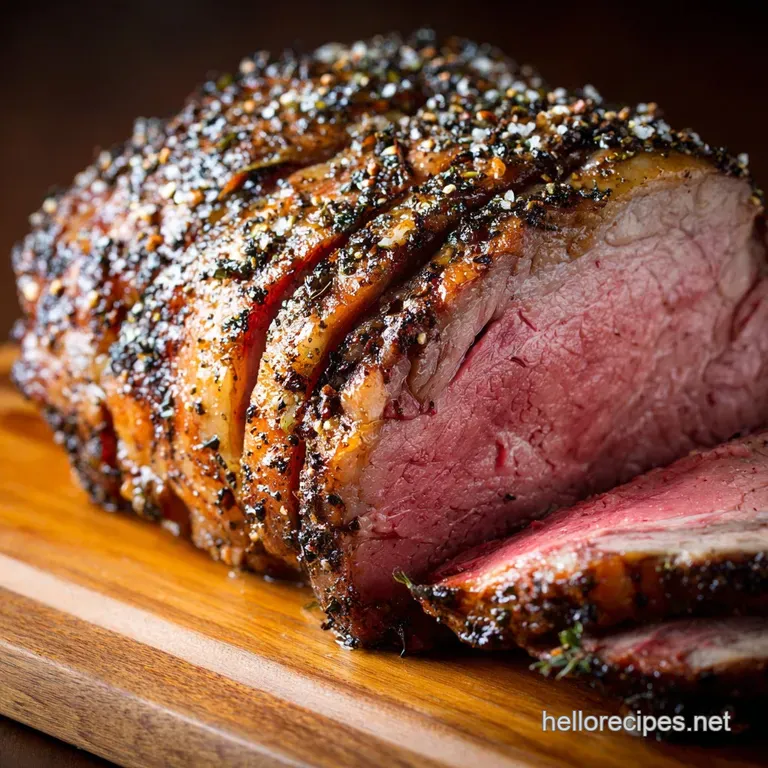
- The Ultimate Holiday Centerpiece: Reverse-Seared Prime Rib
- The Science of Perfection: Why Reverse-Searing Guarantees Success
- Essential Ingredients for a Flawless Prime Rib Rub
- Step-by-Step Guide: Cooking the Perfect Prime Rib
- Troubleshooting Your Prime Rib Roast: Tips from the Kitchen
- Essential Pairings: Sides and Sauces for Your Prime Rib Dinner
- Storing and Reheating Leftover Prime Rib
- Recipe FAQs
- 📝 Recipe Card
The Ultimate Holiday Centerpiece: Reverse Seared Prime Rib
The moment you open the oven door, that incredible aroma of seasoned roasting fat and thyme hits you; it’s pure holiday magic. When this Prime Rib Roast finally comes out, the exterior is a deeply savoury, craggy crust, guaranteeing gasps from everyone gathered around the table.
It is the perfect centerpiece, hands down.
People usually assume a roast this glorious requires professional skill or hours of frantic effort, but that is simply not true. Honestly, making a perfect Rib Roast is mostly about managing temperatures and having patience. We're talking minimal active prep time for a stunning payoff.
We are completely ditching the over high heat method that leaves the edges dry and grey. This recipe uses the reliable, chef approved reverse sear technique, ensuring that gorgeous, edge-to-edge medium rare pinkness we all crave. Trust me on this: this is the only Prime Rib Recipe you’ll ever need.
The Science of Perfection: Why Reverse Searing Guarantees Success
Why Traditional Roasting Fails and Why We Use Reverse Sear
Traditional high temperature roasting cooks the outside too fast, giving you a tough, overcooked ring of meat before the center even warms up. It’s dreadful. The reverse sear flips the script: we roast the whole Prime Rib Roast slowly at a low temperature, gently coaxing the interior up to temperature evenly across the whole cut.
That final over high heat blast is strictly for building a killer crust.
Bone-In vs. Boneless Roasts: Choosing Your Cut
Bone-in is always my preference for any Rib Roast Recipe. The bones act like a natural insulation blanket, keeping the moisture locked in and contributing huge flavour to the entire roast.
If you have a boneless cut, you absolutely need to tie it up snugly with butcher twine to ensure it cooks uniformly and maintains a nice, round shape.
Prime Rib Portion Planning: How Much Per Guest?
When planning this fantastic holiday meat, a good rule of thumb is to calculate one pound of bone-in roast per person. If your guests are light eaters, or if you are serving lots of sides, you can comfortably aim for one rib section per two people.
A three rib Prime Rib Roast is generally the perfect size for serving 6 to 8 people generously.
Achieving the Edge-to-Edge Medium Rare Center
The secret to that coveted pink center is pulling the Rib Roast early. Because of carry over cooking, the internal temperature continues to rise even after the roast leaves the oven, sometimes by as much as 10°F.
We stop the low cook phase at 120°F precisely because we want the roast to finish cooking gently while it rests, preventing the outer edges from overheating.
Maximizing the Crust: The Maillard Reaction at High Heat
We need a perfectly dry surface to trigger the Maillard reaction that process that creates deep, complex flavours and beautiful browning. That's why the overnight dry brine is non-negotiable!
The brine pulls surface moisture out, and then the extreme heat of the final sear instantly caramelizes the fat and proteins on the bone dry exterior.
The Importance of Temperature Monitoring (Not Just Time)
You absolutely cannot cook an expensive cut like this by relying on time charts. Oven thermostats lie constantly. You must own and use a reliable digital probe thermometer.
I learned this the hard way, butchering a $100 roast simply because I was too lazy to monitor the internal temperature properly.
Essential Ingredients for a Flawless Prime Rib Rub
Choosing the Right Type of Coarse Salt
I exclusively use coarse Kosher salt for the dry brine phase. Its larger crystal structure pulls moisture from the surface effectively, which is essential for our crunchy crust goal. If you only have fine sea salt, please reduce the amount you use by about one-third, or your Rib Roast will be far too salty.
Fresh Herbs and Aromatic Substitutions
The classic blend of fresh rosemary and thyme mixed into softened butter is pure perfection and gives the Prime Rib Roast its signature aroma. If you cannot find fresh herbs, use dried ones, but mix them into the fat rub thoroughly to help them hydrate before they hit the heat.
| Ingredient | Substitute Option |
|---|---|
| Fresh Rosemary/Thyme | Dried Herbes de Provence (use half the amount) |
| Unsalted Butter | Rendered Beef Tallow or Duck Fat |
| Worcestershire Sauce | Balsamic Glaze (provides tang and colour) |
Should I Tie the Roast? Preparation Before Seasoning
Unless your butcher has already secured the ribs, yes, you should absolutely tie the roast. Tying the bones tightly back onto the meat ensures everything cooks together and traps moisture.
If you’re dealing with a boneless cut, tying it prevents the roast from splaying out and becoming wider than it is tall, which would interfere with the uniform cooking of the center.
step-by-step Guide: Cooking the Perfect Prime Rib
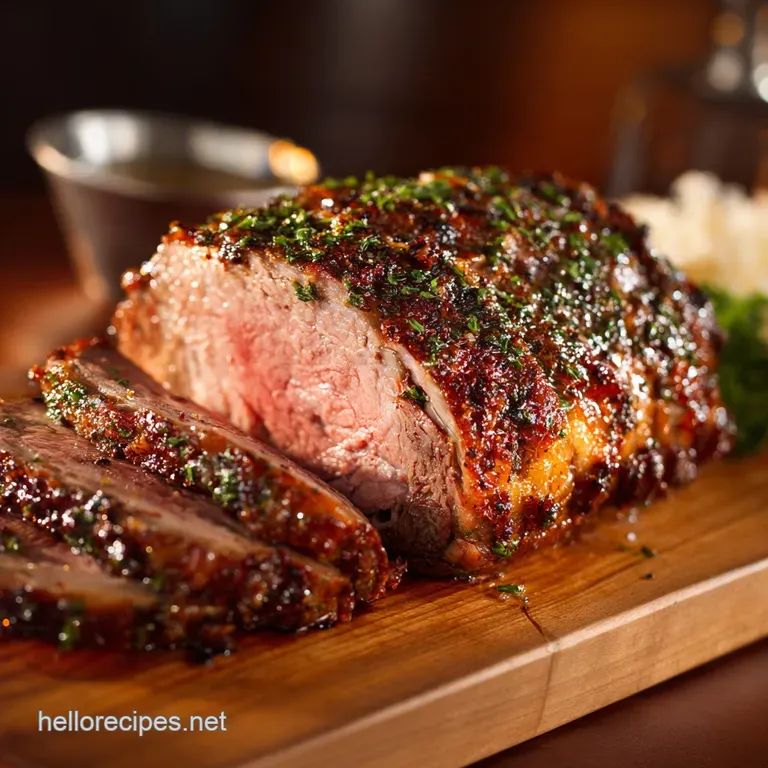
The Crucial Overnight Dry Brine
Remove your Prime Rib from its packaging and pat the entire surface bone dry with kitchen paper. Rub the roast everywhere, including the sides, with the coarse salt. Place the heavily salted Rib Roast uncovered on a rack set over a tray and refrigerate for 12 to 24 hours; this is where the magic crust begins.
Roasting Temperatures and Estimated Cooking Time
Two hours before you plan to roast, take the salted meat out of the fridge and let it sit on the counter to temper. Preheat your oven to a low 250°F (120° C) . Slather the roast with your herbed butter rub, insert your probe thermometer, and place it in the oven. Expect about 3 to 3.
5 hours for a 6lb roast to hit 120°F.
Resting the Roast: Why 30 Minutes is Non-Negotiable
Once the internal temperature hits 120°F, remove the roast immediately and tent it loosely with foil. Do not skip this step! While the roast is resting, increase the oven temperature dramatically to 500°F (260° C) .
The Final over High heat Blast for a Perfect Crust
When the oven is scorching hot, remove the foil and return the Prime Rib Roast for the final sear. Watch it closely through the oven door, as this stage is quick, usually between 8 and 15 minutes, until the crust is deep brown and crunchy.
Remove the Rib Roast once more, place it on a clean cutting board, and allow it to rest for a full 30 to 45 minutes before carving.
Chef's Note: If you pull the Prime Rib Roast from the oven and the internal temperature is already 125°F or higher, reduce the searing time to 5– 8 minutes just to crisp the fat, then rest immediately. We don't want to overcook this beautiful holiday meat!
Troubleshooting Your Prime Rib Roast: Tips from the Kitchen
Preventing the Dreaded "Grey Band"
The infamous grey band happens when the outer part of the roast cooks well beyond medium rare. The two biggest fixes are tempering the roast (leaving it out for 2 hours) and making sure you use the low-temperature reverse sear.
Starting the cook with cold meat means the oven has to work harder, overcooking the outside before the center catches up.
The Proper Technique for Carving the Roast
After the 45 minute rest, secure the roast and carefully slice the meat away from the rib bones, following the curve as closely as possible. Then, turn the detached roast so the grain is running horizontally and slice across it into your desired thickness. Always carve against the grain for maximum tenderness. (Those amazing, meaty bones are brilliant for snacks later; I might even save those for a future batch of Nanas Famous Ribs and BBQ Sauce Recipe FallOffTheBone !)
Essential Pairings: Sides and Sauces for Your Prime Rib Dinner
Preparing a Simple Pan Jus from the Drippings
Don't waste the concentrated flavour left in the bottom of your roasting pan. Pour off most of the rendered fat (save that fat for roasting potatoes later, you'll thank me). Deglaze the pan right on the stovetop by adding a cup of dry red wine or stock and scraping up every browned, delicious bit. This is your essential Au Jus. If you prefer a seriously deep, intense sauce, you could incorporate the rich reduction techniques I use for the liquid in my Sunday Best Deep Red Wine Braised Short Ribs Dutch Oven Recipe .
Recommended Starches and Seasonal Vegetable Accompaniments
For this classic Prime Rib Recipe, you need comfort. My go-to is always a massive bowl of creamy mashed potatoes and some brightly flavoured garlic and herb green beans. If you really want to go all-out for the holiday meats, fluffy Yorkshire Puddings are the mandatory, traditional accompaniment.
Storing and Reheating Leftover Prime Rib
Internal Temperature Guide for Different Levels of Doneness
Remember, these are the final internal temperatures after the rest period, which is where you want your slices to be.
- Rare: 125°F (52°C)
- Medium Rare: 130°F (54°C) (The ideal target)
- Medium: 135°F (57°C)
Safely Storing Cooked Roast in the Refrigerator
Once the roast has cooled completely, slice the leftovers and store them in an airtight container. The cooked Rib Roast is safe to eat for 3 to 4 days when properly refrigerated. If you have a substantial amount of leftovers, slicing and freezing them is your best bet for long term storage.
How to Reheat Prime Rib Without Drying It Out
Never, ever microwave your beautifully cooked Prime Rib Roast; you will kill that medium rare center. To reheat slices, place them on a rack set over a tray, cover the tray tightly with foil, and warm them slowly in a 250°F (120°C) oven until just warm, about 15 minutes. Alternatively, serve thin, cold slices with horseradish on sandwiches; honestly, they are divine. You can even adapt leftover slices into a whole new meal by following the saucing steps in my Crockpot BBQ Baby Back Ribs FallOffTheBone Easy recipe for a truly unique twist.
Recipe FAQs
Why didn't my roast come out perfectly medium rare, even though I followed the time exactly?
Time is only a guideline; the internal temperature is the critical metric for Prime Rib success. Variation in oven calibration, meat density, and starting temperature means cooking times can shift dramatically.
Always use a reliable leave-in thermometer, aiming for 120°F (49°C) before removing it for the final sear.
My crust isn't crispy after the reverse sear. How do I fix a soggy exterior?
A crunchy crust depends on maximizing evaporation before the cooking process begins. Ensure the roast is patted bone dry and left uncovered in the refrigerator for at least 6 hours, or ideally overnight, before seasoning and roasting.
Additionally, make sure your oven is fully preheated to the maximum temperature (500°F/260°C) before the final sear stage.
I don't have a roasting rack. What can I use instead to ensure proper air circulation?
Proper air circulation is crucial during the slow roast phase to ensure even cooking and prevent a soggy bottom crust. If you don't have a rack, you can use large, thick carrot and celery sticks laid parallel in the pan to elevate the roast by about an inch.
Alternatively, loosely crumple several pieces of aluminum foil into thick, stable ropes and place them beneath the meat.
How long should I rest the Prime Rib, and can I skip this step?
You must rest the roast for a minimum of 30 minutes, tented loosely with foil, after the high heat sear. Resting allows the internal muscle fibers, which have tightened during cooking, to relax and reabsorb the flavorful juices.
Skipping this step guarantees dry meat and a significant pool of valuable juice on your cutting board.
Can I use this Reverse Sear technique on a smaller cut, like a two-rib roast?
Absolutely, the reverse sear method is ideal for smaller, thicker cuts of meat like two-rib roasts or even tri-tip, but the cooking time will be drastically reduced. Monitor the temperature closely and ensure you still give it the mandatory long rest.
Because the roast is smaller, the final searing phase may only require 5 8 minutes instead of 10 15 minutes.
What is the best way to store and reheat leftover Prime Rib without drying it out?
Wrap leftover slices tightly and refrigerate them for up to four days, or freeze them for up to three months. To reheat, slice the meat thin and use a moist heat method, like warming the slices gently in hot au jus or beef stock in a covered skillet.
Avoid high heat microwave reheating, which will quickly turn the medium rare portions tough and grey.
Should I use salt or a dry rub during the overnight drying process?
It is highly recommended that you generously salt the roast (about 1 teaspoon of coarse salt per pound) before the overnight rest. This process is called dry brining, and it draws moisture to the surface before reabsorbing it, resulting in deeper seasoning and a much better crust.
Apply any other dry rub ingredients the next day, just before the slow roasting begins.
Prime Rib Reverse Sear Recipe
Ingredients:
Instructions:
Nutrition Facts:
| Calories | 1230 kcal |
|---|---|
| Protein | 95.7 g |
| Fat | 78.1 g |
| Carbs | 7.4 g |
