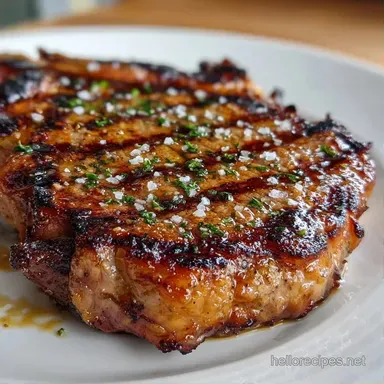
Perfect Grilled Ribeye Steak: Charred and Juicy
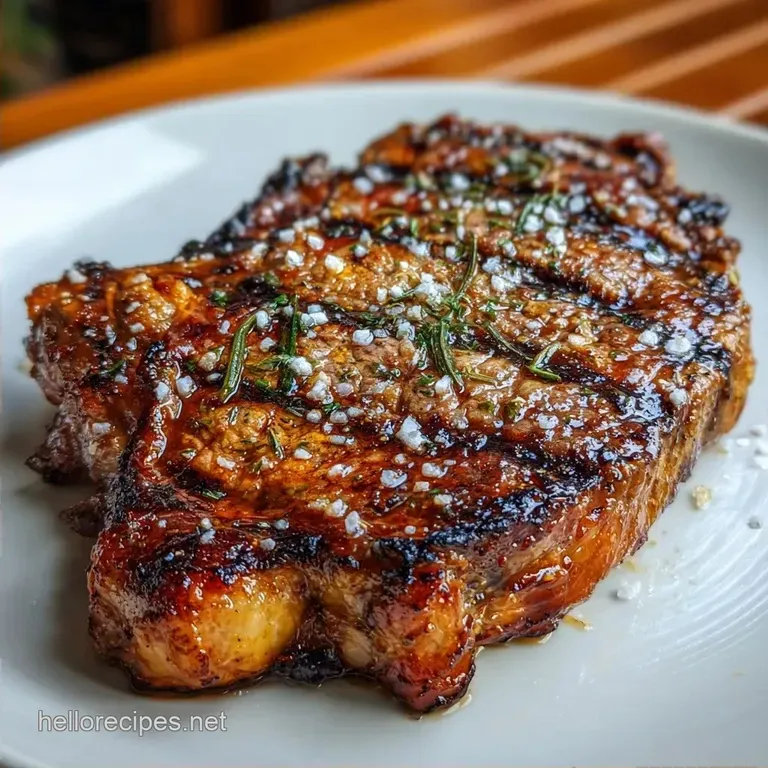
- Time: 10 min active + 12 min cooking
- Flavor/Texture Hook: Charred, salty crust with rich, melted garlic butter
- Perfect for: Date nights or a proper Sunday feast
- How to Grill a Perfect Grilled Ribeye Steak
- Why the Technique Actually Works
- Ingredient Deep Dive
- The Full Shopping List
- Tools You Will Need
- Step by Step Grilling Guide
- Solving Common Steak Problems
- Troubleshooting Common Issues
- Swaps and Other Versions
- Scaling the Recipe
- Debunking Steak Myths
- Storing and Using Leftovers
- What to Serve With It
- High in Sodium
- Recipe FAQs
- 📝 Recipe Card
That loud, violent sizzle when a cold piece of meat hits a scorching grill is a sound I love. But for too long, I dealt with the "grey steak" problem. You know the one, where the outside looks burnt but the middle is practically raw because the meat was too cold to cook evenly.
Or worse, the steak steams in its own moisture and you get a soft, pale exterior instead of a crust.
It's a frustrating way to waste a pricey cut of beef. Most people think they need a professional kitchen, but you actually just need a few specific habits.
I've figured out that the difference between a mediocre dinner and a Perfect Grilled Ribeye Steak comes down to surface moisture and heat zones. This approach fixes the grey center issue and gives you that steakhouse sear right in your own backyard.
How to Grill a Perfect Grilled Ribeye Steak
The first thing you have to do is stop treating your steak like a quick weeknight stir fry. A ribeye is thick and marbled, which means it handles heat differently than a thin flank steak. If you throw a cold from the fridge steak onto the grill, the outside overcooks before the interior even thinks about warming up.
Right then, the goal is a consistent internal temperature. By letting the meat sit out, you're giving the heat a head start. When you combine that with a bone dry surface, the fat renders faster and the meat browns in minutes.
This recipe focuses on a two zone fire. You have one side for the aggressive sear and another side for a gentle finish. It's the only way to ensure the fat cap on a ribeye actually melts rather than just charring.
Why the Technique Actually Works
Room Temperature: Taking the chill off the meat prevents the "cold core" and helps it cook evenly from edge to edge.
Dry Surface: Water on the meat creates steam, which blocks browning. Patting it dry allows the heat to hit the protein immediately for a deep crust.
Two Zone Heat: Moving the meat to a cooler area lets the internal temperature rise without burning the exterior.
| Method | Heat Type | Texture | Best For |
|---|---|---|---|
| Fast Sear | Direct High | Charred/Rare | Thin cuts (< 1 inch) |
| Classic | Two Zone | Crusty/Juicy | Thick ribeyes (1.5 inch) |
Ingredient Deep Dive
The ingredients here are simple, but they each have a specific job. Don't bother with complex rubs that contain sugar, as they'll just burn on a over high heat grill.
| Ingredient | What It Does | Best Swap |
|---|---|---|
| Kosher Salt | Pulls moisture out, then seasons deep | Coarse Sea Salt |
| Neutral Oil | Conducts heat and stops sticking | Avocado Oil |
| Unsalted Butter | Adds rich, nutty flavor at the end | Ghee |
| Lemon Zest | Cuts through the heavy fat | Lime Zest |
The Full Shopping List
I prefer buying USDA Prime if it's available. USDA Prime is the top of the range, with only about 2% of the beef in this country earning that label. These are the best for marbling, which is what makes a ribeye taste like a ribeye.
For the Steaks
- 4 (1.5 inch thick) Ribeye steaks, approx 1 lb (450g) each Why this? Thickness prevents overcooking while searing.
- 2 tbsp (30ml) Neutral oil Why this? High smoke point prevents burnt oil taste.
- 2 tbsp (12g) Coarse kosher salt Why this? Larger grains are easier to distribute evenly.
- 1 tbsp (6g) Coarsely ground black pepper Why this? Coarse grinds don't burn as fast as fine powder.
For the Garlic Butter
- 4 tbsp (57g) Unsalted butter, softened Why this? Easier to mix with aromatics.
- 3 cloves (9g) Garlic, minced Why this? Fresh garlic is punchier than powder.
- 1 tbsp (4g) Fresh parsley, finely chopped Why this? Adds a bright, fresh note.
- ½ tsp (1g) Lemon zest Why this? Brightens the heavy fat of the beef.
Tools You Will Need
You don't need a fancy setup, but a few things make it easier. A heavy duty grill, either charcoal or gas, is a must. I also recommend a digital meat thermometer. Guessing doneness by "poking" the meat is how you end up with an overcooked steak.
Use long handled tongs so you don't burn your hands when the fat flares up. A sturdy cutting board and a warm plate for resting the meat will also keep your Perfect Grilled Ribeye Steak from cooling down too fast.
Step by step Grilling Guide
Right then, let's crack on with the actual cooking. Follow these steps and don't rush the resting period.
- Remove steaks from the fridge 30–60 minutes before grilling. Note: This ensures the center isn't ice cold.
- Pat each steak bone dry with paper towels. Note: Dry meat sears, wet meat steams.
- Rub both sides of the steaks with neutral oil, then season generously with salt and pepper.
- Prepare a two zone heat setup: set one side to high heat (direct) and the other to low or off (indirect).
- Place steaks directly over high heat. Sear for 3–5 minutes per side until a deep brown crust forms.
- Move steaks to the indirect heat side if they aren't at your desired doneness.
- Mix the softened butter, minced garlic, chopped parsley, and lemon zest in a small bowl.
- Place a dollop of garlic butter on each steak during the last minute of cooking until it bubbles and melts.
- Remove steaks from the grill and let them rest on a warm plate for 5–10 minutes. Note: This lets the juices redistribute.
Chef's Note: If you want a punchy alternative to butter, try this Chimichurri Sauce recipe. It's brilliant for cutting through the richness of a ribeye.
Solving Common Steak Problems
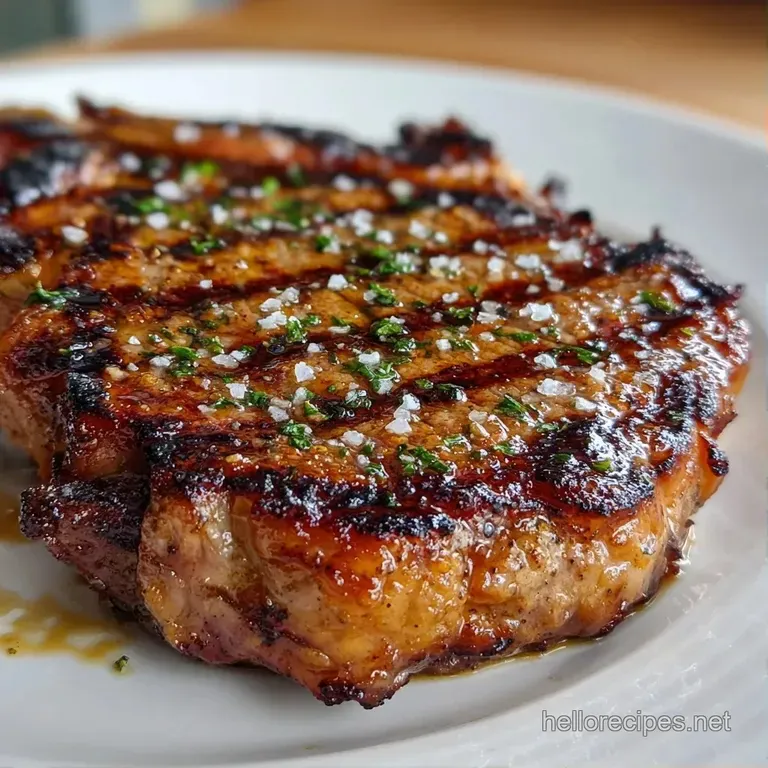
Even with a plan, grilling can be unpredictable. The most common issue is the "flare up," where dripping fat ignites and creates a fireball. This usually happens if you use too much oil or if the grill isn't cleaned. If this happens, just slide the meat to the cooler zone for a minute.
Another issue is the steak turning grey. This happens when the grill isn't hot enough or the meat is too wet. You want to hear a loud sizzle the moment the meat touches the grates. If it's quiet, your grill isn't ready.
Troubleshooting Common Issues
| Issue | Solution |
|---|---|
| Why the meat is grey | If your steak lacks a brown crust, your heat is too low or the surface was damp. Ensure the grill is screaming hot before the meat goes on. |
| Why the fat flared up | Ribeyes have a lot of fat. When it hits the coals, it drips and burns. Use the two zone method to move the meat away from the flames. |
| Why the steak is tough | Toughness usually comes from skipping the rest or overcooking. A thermometer is the only way to be sure. |
Swaps and Other Versions
If you don't have ribeye, a New York Strip works well here, though it's leaner and needs slightly less time on the heat. For those avoiding dairy, you can swap the butter for a rich olive oil infused with garlic and herbs.
If you're feeling adventurous, you can try a charcoal grilled ribeye steak recipe by adding a few chunks of hickory wood to the coals. It adds a distinctive smokiness that gas grills can't match. But regardless of the fuel, the two zone logic remains the same for a Perfect Grilled Ribeye Steak.
Choosing Your Doneness
- Rare: 120-125°F (49-52°C) - Cool red center.
- Medium Rare: 130-135°F (54-57°C) - Warm red center.
- Medium: 140-145°F (60-63°C) - Warm pink center.
Scaling the Recipe
If you're cooking for a crowd, don't try to cram 8 steaks onto a small grill. You'll drop the temperature and end up with grey meat. Work in batches instead.
For larger groups, you can sear the steaks in batches and keep the finished ones on the "cool" side of the grill, loosely covered with foil. This keeps them warm without overcooking them. If you're doubling the garlic butter, just scale the ingredients linearly, it's a simple mix.
Debunking Steak Myths
Searing meat does not "seal in the juices." This is a common misconception. Moisture loss happens regardless of how you sear it. The crust is actually about flavor and texture, not creating a waterproof barrier.
Some people think marinating for 24 hours is the only way to get flavor. For a high-quality ribeye, this can actually break down the fibers too much and make the meat mushy. A simple salt and pepper rub is all you need for a Perfect Grilled Ribeye Steak.
Storing and Using Leftovers
Leftover steak is brilliant, but reheating it is where most people fail. If you throw it in the microwave on high, you'll turn it into rubber. Instead, slice the cold steak thinly and flash fry it in a pan for 1 minute per side.
Store the steaks in an airtight container in the fridge for 3–4 days. They can be frozen for up to 2 months, but the texture will change slightly.
To avoid waste, save any fat trimmings from the ribeye. You can render them down in a pan to use as a cooking oil for potatoes or sautéed greens. It's pure flavor.
What to Serve With It
The richness of a ribeye needs something bright or acidic to balance it out. A crisp Caesar Salad is a classic choice because the lemon and parmesan cut right through the beef fat.
The Classic Steakhouse Plate
Pair your steak with a loaded baked potato and creamed spinach. This is a heavy meal, but it's the traditional way to enjoy a ribeye.
The Modern Garden Plate
Try serving the steak alongside grilled asparagus and a light arugula salad with a lemon vinaigrette. It feels a bit lighter and lets the flavor of the meat stand out.
When you finally slice into that Perfect Grilled Ribeye Steak and see the consistent pink center and the salty, dark crust, you'll know the two zone method was worth the effort. Trust the thermometer, pat the meat dry, and let it rest. Enjoy!
High in Sodium
1120 mg 1120 mg of sodium per serving (49% 49% of daily value)
The American Heart Association recommends a daily sodium limit of no more than 2,300 mg for most adults to maintain heart health.
Tips to Reduce Sodium
-
Reduce Coarse Salt-30%
Cut the coarse kosher salt in half. Since salt is the primary sodium source here, reducing the quantity is the most effective strategy.
-
Use Salt Alternatives-20%
Replace a portion of the salt with a low-sodium salt alternative or a potassium-based substitute to maintain flavor with less sodium.
-
Increase Acidity-15%
Increase the lemon zest or add a squeeze of fresh lemon juice. The acidity helps mimic the perception of saltiness on the tongue.
-
Boost Fresh Aromatics
Double the amount of minced garlic and fresh parsley. Using more fresh herbs and aromatics provides depth of flavor without adding any sodium.
Recipe FAQs
How do you cook steak on a BBQ?
Prepare a two-zone heat setup. Sear steaks over direct high heat for 3–5 minutes per side to build a crust, then move them to the indirect zone to finish cooking.
How to make restaurant quality steaks on a BBQ grill at home?
Pat the meat bone-dry and use a high-heat sear. This ensures a mahogany crust rather than steaming the meat, followed by a mandatory resting period to lock in juices.
How to season a frozen steak on a BBQ grill?
Thaw the steak completely in the fridge before seasoning. Seasoning frozen meat prevents salt penetration and stops the steak from searing, resulting in a grey, rubbery exterior.
Is it true that resting the meat is optional if you are serving it immediately?
No, this is a common misconception. Skipping the rest causes the internal juices to run out onto the plate, leaving the steak tough and dry.
Why did my steak turn out grey instead of brown?
The grill heat was too low or the meat surface was damp. Ensure the grill is screaming hot and the steaks are patted dry with paper towels before they hit the grate.
What food can I throw on the grill as a quick add-on?
Fresh vegetables are the ideal pairing. If you enjoyed mastering temperature control here, see how the same principle works for tender sweet potatoes.
How do I stop the fat from flaring up on the grill?
Move the steaks to the indirect heat zone. Ribeye fat drips and burns easily; utilizing the two-zone method allows you to move the meat away from active flames.
Grilled Ribeye Steak with Garlic Butter