Parmesan Roasted Cauliflower: Crispy Edges
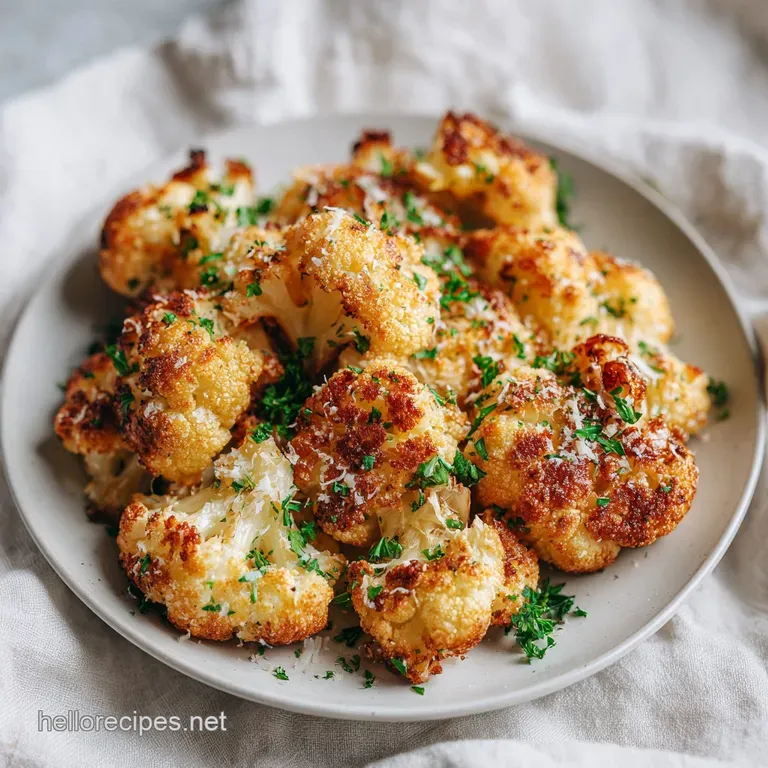
- Time: Active 15 minutes, Passive 25 minutes, Total 40 minutes
- Flavor/Texture Hook: Nutty, caramelized edges with a shatter crisp cheese coating
- Perfect for: Vibrant weeknight dinners or a plant based holiday side
- Achieving the Crispiest Parmesan Roasted Cauliflower Every Time
- High Heat Roasting Creates Deep Umami Flavors
- Selecting Vibrant Components For Maximum Flavor Impact
- Essential Kitchen Tools For Perfect Golden Results
- Mastering Every Step of the Roasting Process
- Solving Common Textural Issues in Your Kitchen
- Adapting This Recipe For Diverse Dietary Needs
- Storage Strategies For Maintaining That Perfect Crunch
- Creating a Balanced Multicultural Plant Based Feast
- Recipe FAQs
- 📝 Recipe Card
Achieving the Crispiest Parmesan Roasted Cauliflower Every Time
The moment that tray hits the oven, something happens. It starts as a faint, nutty scent, then shifts into this deep, toasted cheese aroma that fills the whole house. I used to be the person who thought cauliflower was just a sad, watery filler vegetable, usually steamed into submission and served with a shrug.
Then I discovered what over high heat roasting and a generous dusting of cheese does to those craggy little florets. It’s not just a side dish; it’s a total transformation that turns a bland brassica into something you’ll be sneaking off the pan before it even hits the table.
I remember the first time I got this right. I was trying to impress a friend who claimed to hate all things green (well, white in this case). I cranked the heat, dried the florets until they were bone dry, and waited for that specific sizzle.
When the timer went off, the cauliflower had these dark, caramelized edges that looked like burnt honey, and the Parmesan had formed a crisp, golden skirt around each piece. We didn't even use plates; we just stood over the counter and finished the entire head of cauliflower with our fingers.
That’s the kind of recipe this is.
If you’ve struggled with soggy, limp vegetables in the past, trust me on this method. We’re moving away from the "boiled until grey" era and into a world where texture is king. We are going to focus on heat management and moisture control to ensure every bite has that satisfying shatter.
You don't need fancy equipment, just a hot oven and a bit of patience. Let's get into why this method actually works and how you can replicate it in your own kitchen every single night.
High Heat Roasting Creates Deep Umami Flavors
- Evaporative Cooling: High heat (425°F) forces surface moisture to evaporate rapidly, preventing the vegetable from steaming in its own juices.
- The Maillard Reaction: This chemical reaction between amino acids and reducing sugars creates hundreds of different flavor compounds and that signature brown crust.
- Fat Emulsification: The extra virgin olive oil acts as a heat conductor, ensuring the spices and cheese adhere to every nook and cranny of the florets.
- Starch Gelatinization: The natural starches in the cauliflower soften internally while the exterior dehydrates, creating a velvety interior and a crispy exterior.
| Cooking Method | Active Time | Resulting Texture | Best For |
|---|---|---|---|
| Standard Oven | 15 minutes | Uniformly golden and crisp | Traditional family dinners |
| Air Fryer | 5 minutes | Extra crunchy, slightly drier | Quick solo lunches |
| Cast Iron Sear | 20 minutes | Charred, smoky, and rustic | Serving as "steaks" |
The success of your roast depends heavily on how you manage the space on your pan. If the florets are huddled together like they’re waiting for a bus, they will steam rather than roast. Give them room to breathe, and you’ll be rewarded with that prized crunch.
Selecting Vibrant Components For Maximum Flavor Impact
Building a flavor profile starts with the quality of your base. While we often think of cauliflower as a blank canvas, the type of fat and the age of your cheese will dictate the final complexity of the dish.
I always lean toward a multicultural approach, using smoked paprika to add a hint of fusion flair that bridges the gap between Mediterranean and Spanish influences. Using a high-quality extra virgin olive oil is non negotiable here; it provides the silky mouthfeel that balances the sharp saltiness of the Parmesan.
For those looking to expand their plant based repertoire, this technique is a foundational skill. It's quite similar to the approach I use for my Classic Roasted Eggplant Parmesan recipe, where moisture control is the difference between a soggy mess and a textural triumph. When you choose your cauliflower, look for a heavy, tight head without any brown spots. The tighter the florets, the more surface area you have for the cheese to cling to.
| Component | Science Role | Pro Secret |
|---|---|---|
| Cauliflower | Structural Base | Cut into flat edged pieces to increase contact with the hot pan. |
| Parmesan | Umami & Texture | Grate it yourself; pre shredded cheese contains potato starch that prevents melting. |
| Smoked Paprika | Flavor Depth | Adds a "grilled" aroma without needing an actual flame. |
| Garlic Powder | Aromatics | Distributes more evenly than fresh garlic, which often burns at 425°F. |
Every ingredient serves a purpose. The onion powder adds a hidden sweetness, while the freshly cracked black pepper provides a tiny bit of heat to cut through the richness of the cheese.
Essential Kitchen Tools For Perfect Golden Results
You don't need a professional kitchen to make this, but a few specific tools make the process much smoother. First and foremost, a heavy duty rimmed baking sheet is your best friend. Thin pans tend to warp at high temperatures, which can cause your oil and spices to pool in one corner.
A sturdy half sheet pan ensures even heat distribution across the entire surface.
Chef's Tip: Freeze your block of Parmesan for 15 minutes before grating. This makes the cheese firmer and allows you to create tiny, lace like shreds that melt and crisp up into a "frico" style crust rather than a clumpy mess.
Another unconventional trick I swear by is using a clean kitchen towel or even a hair dryer to blast the florets after washing them. Any water left on the surface will turn to steam in the oven, which is the enemy of the crunch.
Once they are dry, you’ll need a large mixing bowl to ensure every single piece is coated in oil. Don't try to toss them on the pan; you’ll end up with "naked" spots that won't brown properly.
Mastering Every Step of the Roasting Process
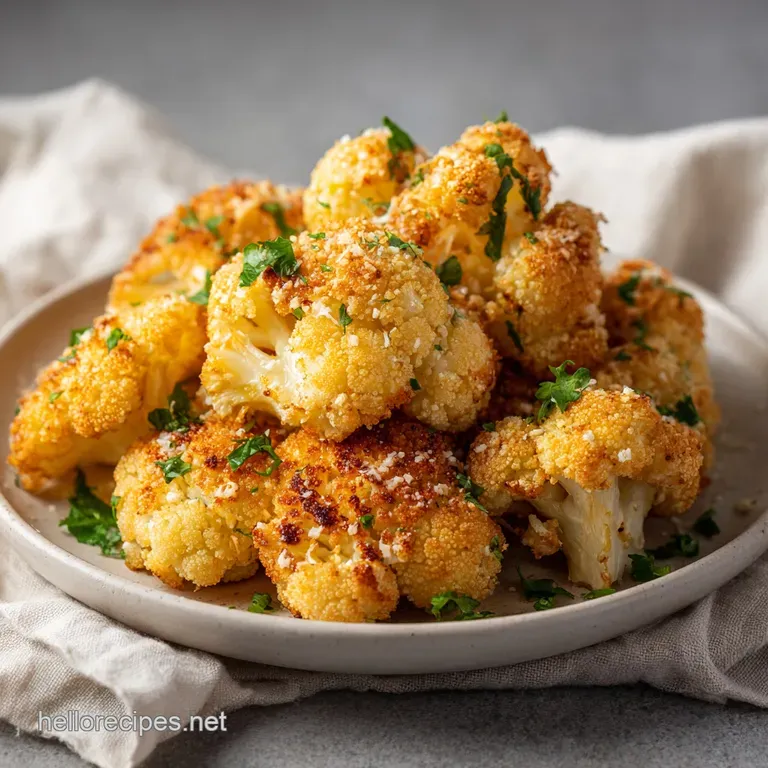
- Prep the oven: Preheat your oven to 425°F (220°C). Note: A fully preheated oven is crucial for that immediate sizzle when the pan goes in.
- Break down the head: Cut 1 large head of cauliflower into bite sized florets. Make sure they have at least one flat side to maximize pan contact.
- Dry the vegetables: Pat the florets with a lint free towel until they are completely dry to the touch.
- Whisk the coating: In a large bowl, combine 3 tbsp extra virgin olive oil, 1 tsp garlic powder, 1/2 tsp onion powder, 1/2 tsp smoked paprika, 1/2 tsp sea salt, and 1/4 tsp black pepper.
- Toss for coverage: Add the cauliflower to the bowl and toss vigorously until every crevice is glistening with oil.
- Arrange the pan: Spread the florets on a baking sheet in a single layer. Ensure no pieces are touching to allow air circulation.
- Initial roast: Bake for 20 minutes. You should hear a faint sizzling sound and smell the spices toasted.
- Add the cheese: Remove the pan and sprinkle 1/2 cup freshly grated Parmesan cheese over the top.
- Final crisp: Return to the oven for 5 minutes until the cheese is bubbling and golden brown.
- Garnish and serve: Sprinkle with 1 tbsp finely chopped fresh parsley and serve immediately while the cheese is shatter crisp.
| Original Ingredient | Substitute | Why It Works |
|---|---|---|
| Parmesan Cheese | Nutritional Yeast | Provides a nutty, cheesy flavor. Note: Won't melt or "crust" the same way. |
| Extra Virgin Olive Oil | Ghee (Melted) | Higher smoke point and adds a rich, buttery flavor profile. |
| Smoked Paprika | Cumin & Chili Powder | Shifts the flavor toward an earthy, Southwestern vibe. |
| Fresh Parsley | Fresh Cilantro | Adds a bright, citrusy finish; great for fusion style dishes. |
Using the right fat is key. Olive oil provides a beautiful flavor, but if you want an even deeper richness, a mix of oil and melted butter can work, though keep an eye on it as butter solids burn faster.
Solving Common Textural Issues in Your Kitchen
Even the simplest recipes can go sideways if you miss a tiny detail. The most common complaint with roasted vegetables is the "soggy bottom" syndrome. This usually happens because of overcrowding. If you have a massive head of cauliflower, use two baking sheets.
It’s better to have two half full pans than one overcrowded one.
Preventing Soggy Soft Florets
If your cauliflower comes out soft rather than crispy, it’s almost always a moisture issue. Either the oven wasn't hot enough, or the florets were still damp when you oiled them. Make sure your oven thermometer actually reads 425°F.
Many home ovens are off by 25 degrees, which can ruin your roast.
| Problem | Root Cause | Solution |
|---|---|---|
| Burnt Cheese | Added too early | Only add the Parmesan during the last 5 minutes of roasting. |
| Uneven Browning | Crowded pan | Use two pans or roast in batches to allow for air flow. |
| Bland Flavor | Lack of salt | Adjust salt after roasting; heat can sometimes dull the perception of saltiness. |
Avoiding Bitter Burnt Garlic
Fresh garlic is wonderful, but in a 425°F oven for 25 minutes, it will turn black and bitter. This is why we use garlic powder in the initial toss.
If you absolutely must use fresh garlic, mince it finely and toss it with the Parmesan during the final 5 minutes of cooking. This gives it just enough time to mellow without carbonizing.
Common Mistakes Checklist
- ✓ Never use frozen cauliflower for this specific recipe; the cell structure breaks down and releases too much water.
- ✓ Don't skip the "flat side" cut; a round floret has very little contact with the heat source.
- ✓ Avoid pre grated cheese; the cellulose coating prevents the cheese from fusing into a crispy crust.
- ✓ Preheat the baking sheet for 5 minutes before adding the cauliflower for an extra crispy head start.
Adapting This Recipe For Diverse Dietary Needs
This dish is naturally gluten-free and vegetarian, making it a star at any multicultural gathering. However, you can easily tweak it to fit other lifestyles. For a vegan version, I recommend a blend of nutritional yeast and almond flour.
The almond flour provides the "bulk" that cheese usually offers, while the yeast brings the umami.
If you are cooking for a crowd, scaling this recipe is simple. When doubling the recipe, you don't need to double the spices exactly. Start with 1.5x the salt and paprika, then taste. You can always add more, but you can't take it away. If you’re looking for more crispy vegetable inspiration, the techniques here are very similar to those found in this Crispiest How to recipe for sprouts.
- If you want a Keto boost: Increase the Parmesan to 3/4 cup and use avocado oil for a higher fat to carb ratio.
- If you want a spicy kick: Add 1/2 tsp of red pepper flakes to the oil mixture.
- If you want a crunchier texture: Mix 2 tbsp of Panko breadcrumbs with the Parmesan cheese.
Storage Strategies For Maintaining That Perfect Crunch
Roasted vegetables are always best eaten fresh, but leftovers can still be great if handled correctly. Store any remaining florets in an airtight container in the fridge for up to 4 days.
Do not put them in the freezer; the moisture will turn the cauliflower into mush once thawed, and you'll lose that velvety interior we worked so hard for.
To reheat, avoid the microwave at all costs. It will make the cheese rubbery and the cauliflower limp. Instead, pop them back onto a baking sheet in a 400°F oven for about 5 to 7 minutes. This will re crisp the cheese and revive the texture.
For zero waste, don't throw away the cauliflower leaves or the core! The core can be peeled and sliced into thin rounds to be roasted right along with the florets. The leaves, when tossed in a little oil and salt, become crispy like kale chips.
They add a wonderful bitterness that balances the sweet, caramelized florets.
Creating a Balanced Multicultural Plant Based Feast
This cauliflower is a chameleon. It fits perfectly next to a roast chicken, but it also shines as the star of a vibrant grain bowl. I love serving it with a side of tahini dressing or a dollop of Greek yogurt mixed with lemon zest. The acidity of a dip cuts through the richness of the Parmesan beautifully.
If you're planning a full spread, consider pairing this with other texture rich dishes. It goes incredibly well with a Vibrant Vegan Pesto Recipe drizzled over the top just before serving. The fresh basil and nutty cashews in the pesto complement the toasted Parmesan perfectly, creating a fusion of flavors that feels both sophisticated and comforting.
Whether you're serving this as a snack, a side, or a main, the key is the contrast. You want that hit of salt, the warmth of the paprika, and that unmistakable crunch. It's a dish that proves you don't need meat to have a deeply satisfying, savory meal.
Trust the high heat, keep your vegetables dry, and don't be stingy with the cheese. You've got this!
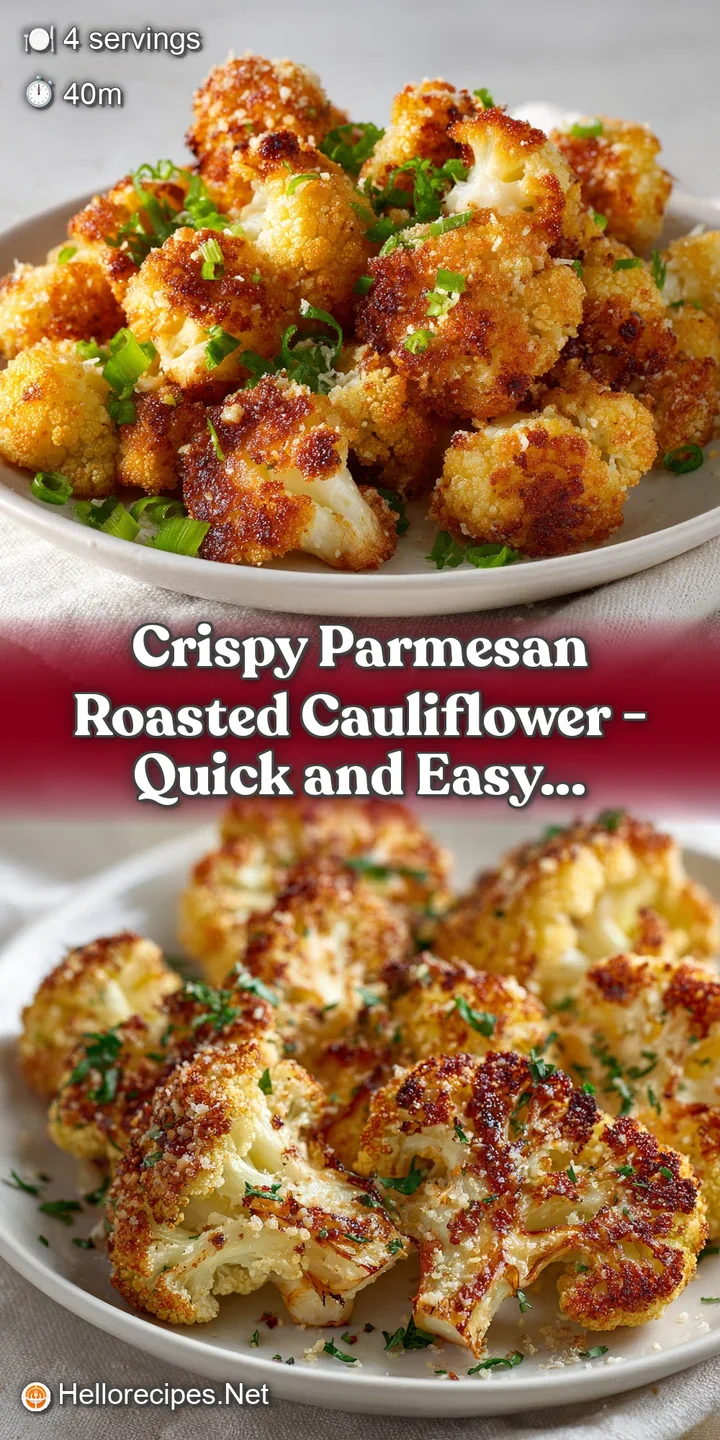
Recipe FAQs
How do you make Parmesan roasted cauliflower?
Toss dry florets in olive oil and spices, then roast at 425°F (220°C) until tender. Sprinkle with freshly grated Parmesan cheese during the final five minutes of baking to create a crisp, golden crust.
Why is my roasted cauliflower not crispy?
No, it is usually due to excess moisture or overcrowding on the pan. Ensure florets are completely dry before tossing them in oil, and arrange them in a single layer to promote roasting rather than steaming.
Should you boil cauliflower before roasting in the oven?
No, never boil cauliflower before roasting. Boiling introduces excessive water into the vegetable cells, guaranteeing a mushy texture when you try to crisp it up later at high heat.
What temperature should I roast cauliflower for maximum crispiness?
Roast at a high temperature, ideally 425°F (220°C). High heat rapidly evaporates surface moisture, triggering the Maillard reaction which leads to superior browning and texture development on the edges.
What is the key mistake when adding the Parmesan cheese?
Adding the cheese too early will cause it to burn or dry out before the cauliflower is cooked. Wait until the cauliflower has roasted for about 20 minutes, then add the cheese for the final 5 minutes so it just melts and crisps.
Is it true you must use freshly grated Parmesan cheese for the best crust?
Yes, using pre-shredded cheese prevents a true crust from forming. Pre-grated varieties contain anti caking agents like cellulose that inhibit smooth melting, unlike freshly grated cheese which melts evenly into a savory frico.
How can I store leftovers while trying to preserve the texture?
Store leftovers in an airtight container in the refrigerator, but reheat in a hot oven, not the microwave. Reheating at 400°F for about 7 minutes will reactivate the crispness, similar to how you apply heat retention principles when cooking other roasted sides like in our How to Cook recipe.
Parmesan Roasted Cauliflower Bites
Ingredients:
Instructions:
Nutrition Facts:
| Calories | 206 kcal |
|---|---|
| Protein | 9.0 g |
| Fat | 14.4 g |
| Carbs | 11.8 g |
| Fiber | 4.5 g |
| Sugar | 4.3 g |
| Sodium | 492 mg |
