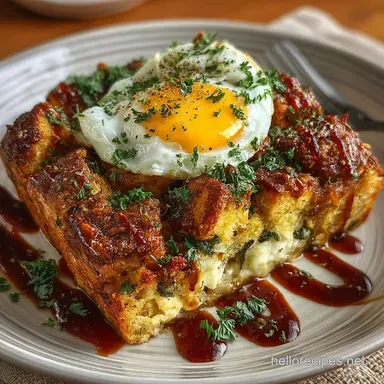
The Ultimate Overnight Eggs Benedict Breakfast Bake
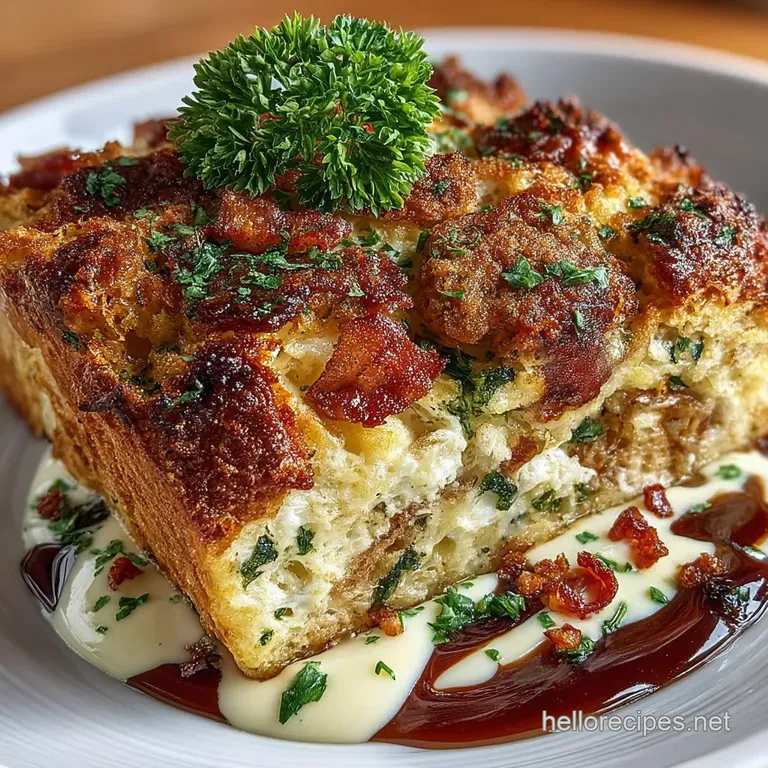
- Ditching the Hollandaise Hustle: Why This Casserole Reigns Supreme
- The Lazy Gourmet’s Guide to Brunch Perfection
- Assembling Your Flavor Components: A Detailed Inventory
- Step-by-Step Assembly for Overnight Success
- Variations on a Theme: Customizing Your Baked Eggs Benedict Casserole
- Nutritional Snapshot and Serving Suggestions
- Recipe FAQs
- 📝 Recipe Card
Ditching the Hollandaise Hustle: Why This Casserole Reigns Supreme
There is something undeniably luxurious about Eggs Benedict. The tender texture of the perfectly poached egg, the salty bite of Canadian bacon, and that vibrant, tangy swirl of Hollandaise it’s the undisputed champion of the brunch table.
However, replicating that perfection for a gathering of more than two people often requires an alarming amount of multi tasking: keeping water simmering, whisking an emulsion that threatens to break at any moment, and somehow poaching individual eggs to order.
This is where the Eggs Benedict Casserole steps in, offering a blissful reprieve. By transforming the delicate components into a robust, baked structure, we capture every essential flavour profile while demanding only one simple baking step.
It’s the easiest path to serving a crowd pleasing masterpiece.
The Lazy Gourmet’s Guide to Brunch Perfection
The genius of turning a traditionally complicated dish into a Breakfast And Brunch Casserole lies in its ability to manage texture and flavour complexity ahead of time.
We are essentially creating a strata a bread and custard bake that absorbs all those classic tastes, ensuring every single serving delivers on the rich, savory promise of the original. This method appeals directly to the cook who values both presentation and sanity.
Unpacking the Magic of make-ahead Breakfast Bakes
The real secret weapon here is time. When you assemble the dish the night before, you are not just saving morning minutes; you are actively improving the final product. This Overnight Eggs Benedict Casserole relies on the bread cubes acting like tiny, thirsty sponges, thoroughly soaking up the seasoned egg custard.
This extended chilling period transforms what could be dry bread into a moist, cohesive foundation that bakes up tender and creamy throughout, rather than just on the bottom layer.
Elevating the Classic Eggs Benedict Casserole for Any Occasion
While it shines brightest as a relaxed Sunday breakfast, this make ahead Eggs Benedict Casserole is versatile enough for holiday mornings or bridal showers. The beauty of this baked rendition is its sturdy structure, which holds up beautifully when cut into squares.
It maintains a certain level of sophistication, especially if you opt to use brioche or challah for the base, leaning into that rich, buttery crumb.
What Makes This Recipe a Weekend Essential?
Fundamentally, this recipe achieves deliciousness through simplification without compromise. We eliminate the need for poaching and the nightmare of emulsified sauce, yet we incorporate the necessary acidic tang through Dijon mustard in the custard and a simple, bright drizzle on top.
If you’ve ever admired the concept of a Pioneer Woman Eggs Benedict Casserole or dreamt of a Magnolia Eggs Benedict Casserole that doesn't require hours of attention, this blueprint delivers precisely that balance of rustic charm and elegant flavour.
Assembling Your Flavor Components: A Detailed Inventory
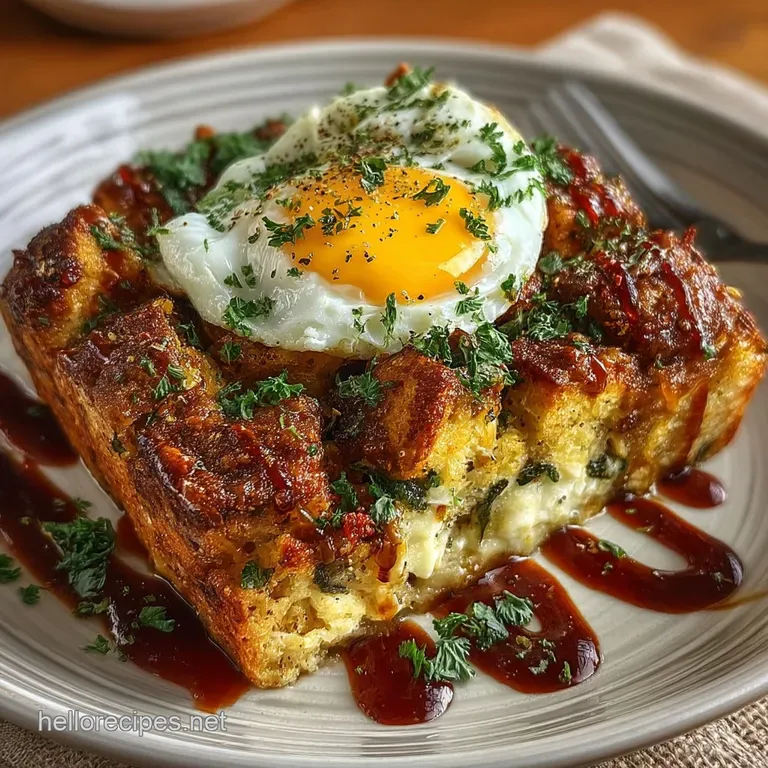
To achieve that perfect balance of savory, rich, and tangy that defines the Benedict flavour, careful ingredient selection is paramount. Since we aren’t relying on freshly poached eggs or rich, whisked sauce for the main flavour delivery, the quality of the foundational layers matters immensely.
We require hardy bread to withstand the soaking process, salty cured meat, and sharp cheese to cut through the richness of the impending bake.
The Essential List: Bread, Protein, and Dairy Needs
For the base, you will need one standard loaf, roughly a pound, of sturdy bread think challah, brioche, or even a thick cut Texas Toast, all cubed to one-inch perfection. This structure will be layered with about a cup of diced Canadian bacon or high-quality ham, providing the necessary salty backbone.
The dairy component is critical: 10 large eggs form the backbone of the custard, mixed with two cups of whole milk to ensure the final texture is creamy, not rubbery. Don't skimp on the cheese; aim for 1.5 cups of freshly shredded sharp Cheddar, which melts beautifully and offers the required flavour counterpoint.
Special Consideration for Achieving Golden Hollandaise Notes (Without the Sauce)
The essence of Eggs Benedict is that bright, slightly acidic finish. We embed the first layer of that complexity directly into the custard soak. This is achieved by whisking in two teaspoons of Dijon mustard and one teaspoon of Worcestershire sauce alongside the eggs and milk.
These ingredients add essential depth and that signature tang that would otherwise only come from the Hollandaise. For a final flourish after baking, a quick, simple drizzle made from mixing half a cup of mayonnaise, two tablespoons of fresh lemon juice, a teaspoon of American yellow mustard, and a pinch of cayenne adds the final, necessary acidic pop.
Equipment Checklist: Tools for the Perfect Bake
The beauty of making an Easy Eggs Benedict Casserole is the minimal tool requirement. You’ll need a standard 9x13 inch baking dish, which you should generously grease using about four tablespoons of melted butter.
Beyond that, a large bowl for whisking the custard and standard measuring implements are all that stand between you and brunch bliss.
Related Recipes Worth Trying
- The Best Creamed Cornbread Casserole Recipe Easy Comforting — Ditch the dry sides This Easy Creamy Corn Casserole features a rich savoury base beneath a fluffy cornbread blanket Perfect for Sunday lunch or Thanksgiving...
- The Best Deviled Eggs Recipe Silky Filling Dijon Kick — Tired of dry appetizers This Easy Deviled Eggs Recipe delivers a filling so velvety smooth its scandalous Learn the secret to the Best Deviled Eggs Recipe today
- The Snooze Button Special Ultimate Overnight Sausage Breakfast Casserole — This makeahead breakfast casserole is a savoury dream Layer sausage cheese and bread to soak overnight for a perfect morning bake Easy assembly huge payoff
Step-by-step Assembly for Overnight Success
The assembly process moves quickly once your ingredients are prepped. Start by ensuring your baking dish is thoroughly buttered to prevent sticking this is vital for clean serving later. Next, spread your bread cubes evenly across the bottom of the dish.
Scatter the diced Canadian bacon or ham liberally over the bread layer, followed by an even blanket of your sharp, shredded cheese. The next step is building the rich, creamy matrix that binds everything together.
Layering Logic: Building the Foundation of Your Casserole
With the solids layered, turn your attention to the custard. In a separate, large bowl, vigorously whisk those 10 eggs until they are homogenous and slightly frothy. Then, incorporate the two cups of milk, the Dijon, Worcestershire sauce, salt, and pepper.
Whisking thoroughly ensures the seasonings are fully distributed. The key here is slow, even pouring: drizzle this mixture over the layered bread, bacon, and cheese, ensuring that every piece of bread gets wet.
Gently press down on the top layer with a spatula to encourage maximum saturation; do not mash it, just ensure contact.
The Overnight Soak: Allowing Flavors to Meld Deeply
This is the most important, yet entirely inactive, phase of crafting this Eggs Benedict Casserole Overnight . Once fully assembled and soaked, cover the baking dish tightly with plastic wrap.
It must then go into the refrigerator for a minimum of four hours, though we strongly recommend letting it sit overnight. This chilling time allows the bread structure to fully hydrate, resulting in a final bake that is custardy and uniform, rather than having dry pockets on top and soggy bottoms.
Timing the Bake: Reaching Peak Eggy Fluffiness
When ready to bake, pull the casserole out of the refrigerator about 30 minutes prior to preheating your oven to 350° F ( 175° C). Baking typically takes between 45 and 55 minutes.
The initial 30 minutes should generally be done uncovered to begin setting the top layer. If you notice the edges browning too quickly before the centre is set, loosely tent the dish with foil for the remaining time.
The casserole is done when it looks puffed, deeply golden brown, and a knife inserted near the center comes out mostly clean a slight dampness is acceptable due to the rich custard base.
Post Oven Finishing Touches for Presentation
Resist the urge to slice immediately! Allow the baked creation to rest on the counter for 5 to 10 minutes post oven. This rest allows the internal structure to firm up slightly, ensuring cleaner slices. While resting, quickly whisk together the ingredients for your quick drizzle.
Slice the casserole into generous squares and serve immediately, ensuring each portion receives a generous drizzle of that bright, tangy topping to complete the authentic flavour experience.
Variations on a Theme: Customizing Your Baked Eggs Benedict Casserole
While the classic iteration is beloved, there are delightful ways to spin this Eggs Benedict Casserole Recipe to suit varied tastes. For those who adore the Florentine variation, lightly sauté a cup of spinach squeezed completely dry of excess water with a clove of minced garlic, and layer this mixture directly over the bacon before adding the cheese.
If you crave heat, substitute the traditional bacon with cooked, crumbled chorizo sausage for a fiery, smoky kick. For an ultra indulgent twist, swapping the standard loaf for day-old croissants creates a much flakier, richer Eggs Benedict Casserole With Croissants .
Gruyère or Swiss cheese also make excellent, nutty substitutions for Cheddar.
Nutritional Snapshot and Serving Suggestions
This casserole, while decadent, offers a substantial meal that provides excellent protein content, making it a perfect centerpiece for a substantial brunch. Per serving, you can expect a rich profile, so pairing it with lighter sides is recommended.
A vibrant, acidic fruit salad featuring citrus segments and fresh berries cuts through the richness beautifully. Alternatively, a side of simple oven-roasted home fries adds a comforting texture contrast. For beverages, a strong cup of coffee or a sparkling Prosecco pairs wonderfully.
Troubleshooting Common Casserole Conundrums
If your casserole emerges too soggy, it usually means the bread didn't have a chance to absorb the custard fully, or you may have used very fresh, soft bread. The solution for next time is utilizing day-old bread or toasting fresh cubes lightly before assembly.
If the top browns too quickly, remember the trick of loosely tenting with foil for the middle segment of the baking time.
Freezing and Reviving Leftovers Perfectly
This dish freezes exceptionally well, cementing its status as a top-tier make ahead Breakfast Bake . Once completely cooled, slice the casserole into individual portions, wrap tightly in plastic wrap, and then foil. Freeze for up to three months.
To revive, unwrap the portion, place it on an oven safe plate, cover loosely with foil, and bake at 350° F ( 175° C) until heated through, typically 25– 35 minutes.
Creative Toppings to Replace Traditional Sauce
If you wish to skip the mayonnaise based drizzle, several excellent options exist. A dollop of quality plain Greek yogurt mixed with a generous splash of lemon juice offers a clean tang.
For a richer finish, consider topping individual servings with a dollop of lightly seasoned crème fraîche right before serving. These alternatives provide that essential counterpoint to the savory bake beautifully.
Recipe FAQs
Can I really make this Eggs Benedict Casserole ahead of time, or is it a myth?
Absolutely not a myth it’s the genius of this recipe! You can assemble the entire dish, cover it tightly, and keep it in the fridge for up to 24 hours. This chilling time is vital as it allows the bread to fully soak up the custard mixture, ensuring a creamy result rather than a dry bake.
My bread cubes are too fresh; will the casserole turn out soggy?
That’s a cracking point! Sturdy, slightly stale bread is ideal because it holds its structure better during the soak. If your bread is fresh out of the bag, just spread the cubes on a baking sheet and bake them at 300°F (150°C) for about 10 minutes until they feel a bit dry that will give you that perfect Texas Toast texture.
What's the trick to getting that lovely Hollandaise flavour without making a fussy emulsion?
Our quick drizzle uses good quality mayonnaise as a stable base no whisking required! The real flavour comes from using plenty of fresh lemon juice and a good dash of Dijon mustard and cayenne pepper. It mimics that bright, tangy kick of a true Hollandaise beautifully, making brunch a doddle.
Can I swap the Canadian bacon for something else, or is it strictly necessary for an Eggs Benedict Casserole?
You certainly don’t have to stick rigidly to the bacon! You can use good quality smoked ham, or if you fancy something different, use thin slices of smoked salmon added just before serving, or even sautéed mushrooms for a vegetarian option.
Just remember, the salty, slightly sweet cured meat is what gives it that classic Benedict backbone.
My casserole top seems to be browning too fast before the middle is cooked; what should I do?
Ah, the classic oven conundrum! This usually happens because the outside cooks faster than the deep centre. Simply tent the baking dish loosely with aluminum foil halfway through the cooking time say, after about 30 minutes.
This shields the top from direct heat, allowing the inside custard to set perfectly without scorching.
Overnight Eggs Benedict Bake