Oven Baked Meatball Sandwiches: Crispy and Savory
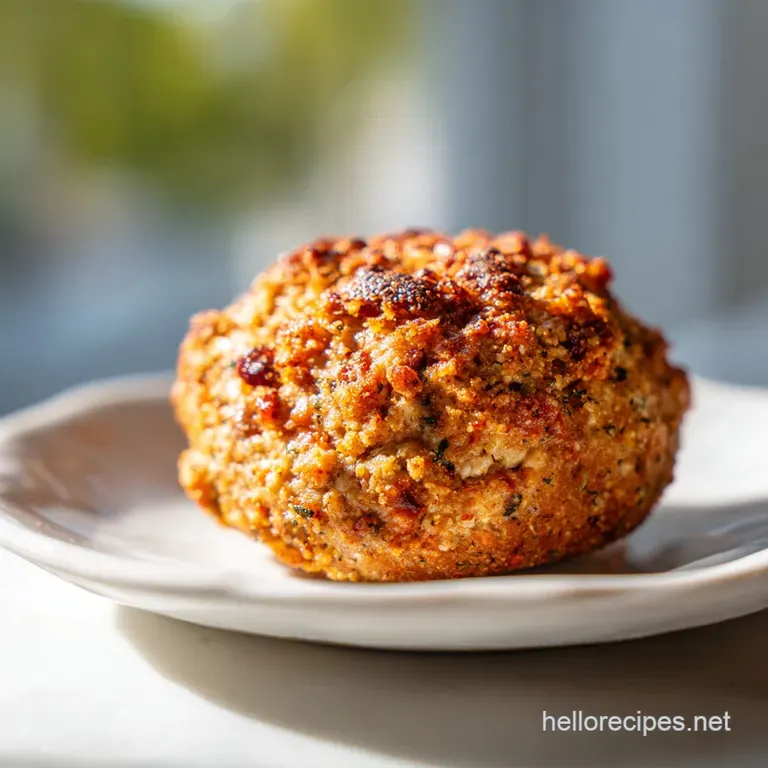
- Time: Active 10 minutes, Passive 20 minutes, Total 30 minutes
- Flavor/Texture Hook: Shatter crisp garlic crust with velvety molten cheese
- Perfect for: High efficiency weeknight dinners or modern social gatherings
- Crafting the Ultimate Oven Baked Meatball Sandwiches
- The Secret to Layering Intense Flavors
- Precision Benchmarks for Your Kitchen
- The Anatomy of Premium Sandwich Components
- Essential Tools for Sandwich Engineering
- Executing the Layered Oven Baking Method
- Mastering Texture Control and Thermal Timing
- Guidelines for Scaling and Efficiency
- Debunking Common Sandwich Misconceptions
- Guidelines for Freshness and Sustainability
- Optimizing the Final Sensory Experience
- Very High in Sodium
- Recipe FAQs
- 📝 Recipe Card
Crafting the Ultimate Oven Baked Meatball Sandwiches
Have you ever wondered why some sandwiches seem to possess a structural integrity that lasts until the final bite, while others dissolve into a soggy, unmanageable mess before you even finish the first half?
It usually comes down to the physics of moisture migration and how we utilize fats to protect the crumb of the bread. This recipe focuses on a specific technique I discovered during a particularly messy dinner party where half the subs ended up on the floor because the bread simply couldn't hold the weight of the sauce.
We are moving away from the standard "slit and stuff" method that most people use. Instead, we are looking at these oven baked meatball sandwiches through the lens of gastronomy and technology.
By engineering a specific "trench" in the hoagie roll and applying a multi stage toasting process, we create a vessel that is functionally superior. The result is a sandwich where the sauce stays with the meat, the cheese creates a waterproof seal, and the bread maintains a crunch that you can actually hear.
It is all about the layers. We are not just tossing ingredients into a bun, we are building a flavor profile from the foundation up. From the infused garlic butter that hydrates the interior of the bread to the low moisture mozzarella that provides that iconic "pull," every component has a job to do.
Trust me on this, once you understand the logic behind the "provolone barrier," you will never go back to the old way of making meatball subs.
The Secret to Layering Intense Flavors
Thermal Sealing: Placing provolone slices into the bread before adding the sauce creates a hydrophobic layer that prevents liquid from soaking into the crumb.
Enzymatic Breakdown Prevention: Simmering the marinara with the meatballs beforehand allows the sauce to reduce and thicken, ensuring it clings to the protein rather than running off.
Starch Fortification: The initial 5 minute bake at 200°C (400°F) dehydrates the surface of the bread, creating a rigid structure that can support the heavy filling.
V Trench Engineering: Cutting a wedge out of the top of the roll instead of slicing the side allows gravity to work with the sandwich, keeping all components centered and secure.
| Method | Time | Texture | Best For |
|---|---|---|---|
| Traditional Side Slit | 15 minutes | Soft and often soggy | Soft deli style rolls |
| Open Face Broil | 8 minutes | Very crispy but messy | Thin baguette slices |
| Innovative V Trench | 30 minutes | Rigid crust, molten center | Premium hoagie rolls |
When we choose the V trench method for our baked meatball sandwiches, we are prioritizing the user experience. There is nothing worse than the contents of your sandwich sliding out the back as you take a bite.
This method creates a deep pocket that acts like a cradle for the meatballs, which is especially important when you are dealing with premium, heavy Italian style meatballs.
Precision Benchmarks for Your Kitchen
| Component | Science Role | Pro Secret |
|---|---|---|
| Hoagie Rolls | Structural Chassis | Use a serrated knife for the trench to avoid compressing the internal air pockets. |
| Provolone Cheese | Moisture Barrier | Choose sharp provolone for a higher fat content, which creates a more effective liquid seal. |
| Marinara Sauce | Acidic Balance | A high viscosity sauce prevents the "seepage" effect during the final melt stage. |
| Italian Meatballs | Protein Density | Ensure meatballs are fully thawed to prevent internal steam from making the bread gummy. |
The relationship between the moisture in the sauce and the porosity of the bread is the primary challenge in any sandwich involving liquid components. By selecting a low moisture mozzarella and a thick marinara, we are managing the water activity within the sandwich.
This ensures that the heat of the oven drives off excess moisture rather than trapping it inside the bread's cellular structure.
The Anatomy of Premium Sandwich Components
The quality of your ingredients directly dictates the success of the gastronomy involved here. We need components that can withstand high heat without losing their individual identities.
- 4 individual Hoagie rolls (6-8 inches each): Look for rolls with a dense, fine crumb. Why this? Dense rolls provide more surface area for the garlic butter to adhere to.
- Substitute: Sourdough rolls for a tangier profile and even firmer structure.
- 3 tbsp unsalted butter, softened: This is the carrier for our aromatics. Why this? Butter provides the fat needed for the Maillard reaction on the bread interior.
- Substitute: Extra virgin olive oil for a more Mediterranean, herbaceous base.
- 2 cloves garlic, minced: Essential for that classic pizzeria aroma. Why this? Fresh garlic releases sulfur compounds that pair perfectly with tomato acidity.
- Substitute: Garlic confit for a milder, sweeter flavor profile.
- 0.5 tsp dried oregano: A small but mighty seasoning. Why this? Oregano contains carvacrol, which provides that nostalgic "pizza shop" scent.
- Substitute: Dried basil if you prefer a sweeter, less peppery herbal note.
- 24 Italian style meatballs, fully thawed: These are the stars of the show. Why this? Pre made Italian meatballs are seasoned to handle the bold flavors of the sauce.
- Substitute: Turkey meatballs for a leaner, lighter alternative with less saturated fat.
- 2 cups premium marinara sauce: Focus on brands with no added sugar. Why this? High sugar sauces burn too quickly in a 200°C (400°F) oven.
- Substitute: Arrabiata sauce if you want to introduce a spicy, capsicum based kick.
- 0.25 cup grated Parmesan cheese: Adds a salty, umami finish. Why this? Parmesan has a high protein to fat ratio, perfect for browning.
- Substitute: Pecorino Romano for a sharper, saltier punch of flavor.
- 8 slices provolone cheese: Your secret weapon against sogginess. Why this? Provolone melts smoothly into a continuous sheet, creating a physical barrier.
- Substitute: Muenster cheese for a milder flavor but similar melting properties.
- 1.5 cups low moisture shredded mozzarella: For the ultimate cheese pull. Why this? Fresh mozzarella releases too much water; low moisture is essential for the oven.
- Substitute: Monterey Jack for a creamy melt and neutral flavor that highlights the sauce.
- 1 tbsp fresh basil, chiffonade: Added at the very end for brightness. Why this? Fresh herbs lose their aromatic oils if cooked too long at high heat.
- Substitute: Fresh parsley for a clean, grassy finish that cuts through the fat.
- 4 pieces pickled pepperoncini (optional): The acidity balancer. Why this? Vinegar based toppings provide a necessary contrast to the rich cheese and meat.
- Substitute: Pickled jalapeños if you desire more heat and a crunchier texture.
If you find yourself with extra garlic butter, it is worth trying it on my Garlic Butter Bread Rolls recipe which uses a similar aromatic base but focuses on a softer, pillowy texture.
Essential Tools for Sandwich Engineering
You don't need a professional kitchen to execute these meatball sandwiches, but a few specific tools make the process much smoother. A high-quality serrated knife is non negotiable for cutting the "V" trench without crushing the roll.
If you use a straight edged chef's knife, you'll likely tear the delicate crust, which leads to structural failure.
A standard rimmed baking sheet is perfect for the toasting stages. I prefer a heavy gauge aluminum pan because it distributes heat more evenly than thin, dark pans that can scorch the bottom of the bread. You will also need a small saucepan to simmer the meatballs and sauce. By the way, if you are looking for a side that matches the intensity of these flavors, I often serve these alongside my BBQ Ribs recipe when hosting a large crowd, as the tangy sauce complements the savory marinara beautifully.
Executing the Layered Oven Baking Method
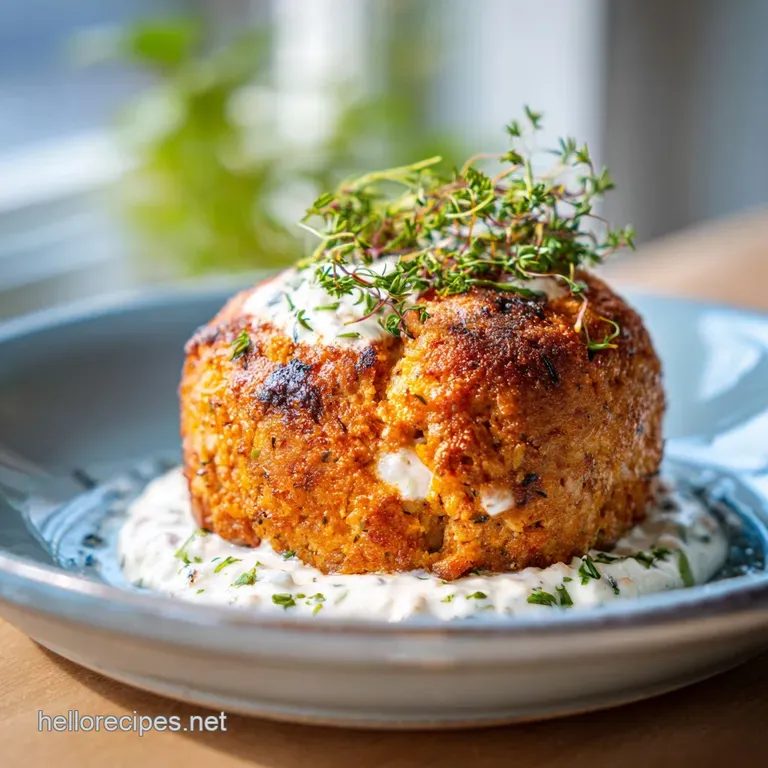
- Preheat your oven to 400°F (200°C). In a small bowl, mix the softened butter, minced garlic, and oregano until a smooth paste forms. Note: This ensures the garlic is evenly distributed so you don't get a concentrated "bite" of raw garlic.
- Take your hoagie rolls and, using a serrated knife at a 45 degree angle, cut a 'V' shape out of the top. Remove the bread wedge. Spread the garlic butter paste generously inside the newly created trench.
- Combine the 24 meatballs and 2 cups of marinara sauce in a small saucepan over medium heat. Cover and simmer for 10-12 minutes until the sauce is bubbling and the meatballs are hot in the center.
- Arrange the rolls on your baking sheet. Place two slices of provolone cheese into each trench, making sure they overlap to cover the bread completely.
- Slide the tray into the oven and toast for 3-5 minutes until the bread edges are golden and the provolone is just starting to bubble.
- Using tongs, carefully nestle 6 meatballs into each roll. Spoon the remaining sauce from the pan over the meatballs, but try to keep it contained within the cheese barrier.
- Distribute the 1.5 cups of shredded mozzarella and 0.25 cup of Parmesan over the tops. Use your fingers to press the cheese slightly into the gaps between the meatballs.
- Return the sandwiches to the oven for 5 minutes until the mozzarella is completely melted and you see small brown spots forming on top.
- Remove from the oven and let them sit for 60 seconds. This allows the cheese to set slightly so it doesn't all slide off when you move them.
- Scatter the fresh basil and pepperoncinis over the top. Serve immediately while the bread still has that signature shatter crunch.
Mastering Texture Control and Thermal Timing
One of the biggest issues people face when making baked meatball sandwiches is uneven heating. If the meatballs are cold in the center, it ruins the entire experience. This is why we simmer them in the sauce first. It ensures the protein is at a safe and pleasant temperature before it ever touches the bread.
Why Your Bread Gets Soggy
This is usually caused by the "steam trap" effect. If you wrap the sandwiches in foil before baking, the moisture from the sauce and meat has nowhere to go. It stays trapped against the bread, turning it into a sponge.
Always bake these uncovered on a sheet pan to allow the moisture to evaporate, leaving behind only the concentrated flavor.
Why the Cheese Won't Brown
If your cheese is melted but still looks pale, it might be due to the moisture content. Low moisture mozzarella is designed to brown because it has less water to evaporate before the Maillard reaction can begin.
If you're using a very high-quality cheese and it's still not browning, move the oven rack to the top position for the final 2 minutes of baking.
| Problem | Root Cause | Solution |
|---|---|---|
| Leaking Sauce | Improper trench cut | Ensure the 'V' cut doesn't go through the bottom or sides of the roll. |
| Cold Meatball Centers | Skipped the simmer | Always heat meatballs in the sauce for at least 10 minutes before assembly. |
| Burnt Garlic | Exposed garlic bits | Press the garlic butter deep into the crumb so the bread protects the garlic. |
Common Mistakes Checklist
- ✓ Never use "fresh" mozzarella packed in water for this recipe; the liquid release will ruin the bread.
- ✓ Do not skip the initial toast with the provolone; this is your primary defense against sogginess.
- ✓ Ensure meatballs are fully thawed if using frozen; ice crystals will release water during the bake.
- ✓ Avoid over filling the trench; 6 meatballs per sub is the limit for structural integrity.
- ✓ Use a serrated knife for all bread work to maintain the internal structure of the hoagie.
Guidelines for Scaling and Efficiency
If you are feeding a larger group, say 8 to 12 people, you can easily double or triple this recipe. However, keep in mind that as you add more sandwiches to the oven, the "thermal mass" increases. This means your oven might take an extra 2-3 minutes to reach the desired level of browning.
I recommend working in batches if you only have one oven rack available to ensure even airflow around each sandwich.
When scaling down for a single person, don't try to use a toaster oven unless it has a very accurate temperature control. Toaster ovens have heating elements very close to the food, which can burn the top of the cheese before the meatballs are even warm. Instead, use a smaller baking dish in a standard oven.
If you're cutting the recipe in half, you can still use the full amount of spices in the garlic butter honestly, extra garlic is rarely a mistake.
| Premium Option | Budget Alternative | Flavor Impact | Savings |
|---|---|---|---|
| Hand rolled Veal Meatballs | Frozen Italian Meatballs | Less delicate texture, but very savory | Save $15-20 |
| Aged Provolone Piccante | Deli style Mild Provolone | Less "bite" and sharp aroma | Save $5-7 |
| San Marzano Marinara | Store brand Traditional Sauce | Less natural sweetness, more acidity | Save $4-6 |
Debunking Common Sandwich Misconceptions
One persistent myth is that you must wrap meatball sandwiches in foil to "melt the cheese properly." In reality, wrapping the sandwich creates a steam chamber. While the cheese will melt, the bread will lose its structural integrity and become soft and rubbery.
An open air bake at a high temperature is the only way to achieve that professional, toasted finish.
Another misconception is that the sauce needs to be cold when added to the bread to prevent sogginess. Actually, adding cold sauce increases the total bake time required to get the meatballs hot, which often leads to the bread burning before the center is ready.
By starting with hot sauce and hot meatballs, you minimize the "dwell time" in the oven, protecting the bread from over cooking while ensuring the cheese melts perfectly.
Guidelines for Freshness and Sustainability
Storage: These sandwiches are truly best eaten fresh, but if you have leftovers, store them in the fridge for up to 2 days. Wrap them tightly in parchment paper rather than plastic wrap. The parchment allows for a tiny bit of breathability which helps prevent the bread from becoming totally mushy.
Freezing: I do not recommend freezing the fully assembled sandwich. However, you can freeze the meatballs and sauce together in a freezer safe bag for up to 3 months. When you're ready for a sub, thaw the sauce/meatball mixture and follow the assembly steps with fresh bread and cheese.
Zero Waste Tip: If you have leftover "bread wedges" from cutting the V trench, don't throw them away. Toss them with a little olive oil and salt, and bake them alongside the sandwiches for 5-8 minutes.
They make incredible croutons for a side salad, or you can pulse them in a blender to create fresh breadcrumbs for your next batch of meatballs. Even the stems of the fresh basil can be saved and tossed into a stock or a future marinara sauce for extra herbal depth.
Optimizing the Final Sensory Experience
When it comes to serving these oven baked meatball sandwiches, timing is everything. You want to hit that sweet spot where the cheese is still molten but has had a minute to stabilize. I like to serve them on a wooden board or a wire rack rather than a flat ceramic plate.
This allows air to circulate under the sandwich, preventing "sweating" which can soften the bottom crust.
As for pairings, think about contrast. The sandwich is rich, heavy, and savory. A crisp green salad with a sharp lemon vinaigrette or those pickled pepperoncinis we mentioned earlier will cut through the fat of the meatballs and cheese.
If you're feeling adventurous, a cold glass of sparkling water with a squeeze of lime provides a refreshing palate cleanser between those intense, umami heavy bites. Just remember: keep the napkins handy. A well constructed meatball sub should be sturdy, but it's still a gloriously messy affair.
Enjoy the shatter of that crust it's the sound of a sandwich done right.
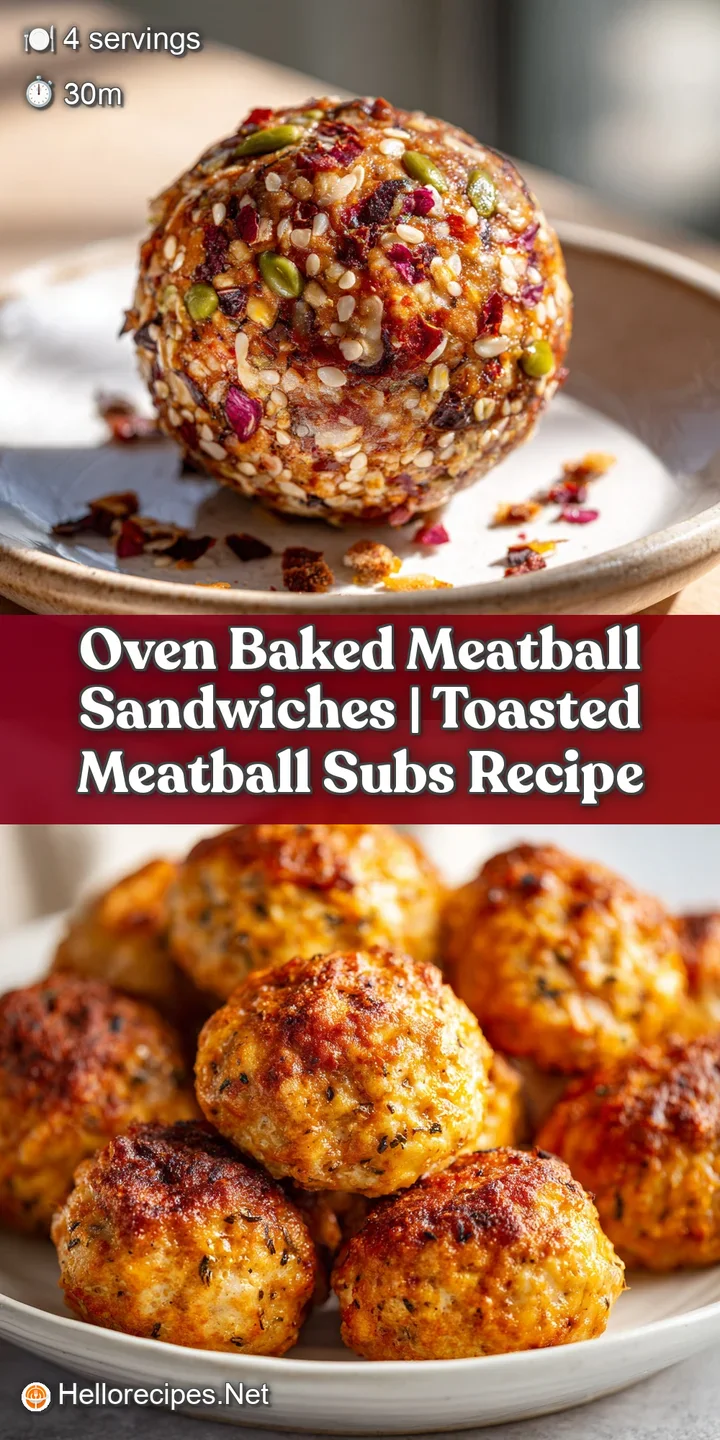
Very High in Sodium
1875 mg 1875 mg (82% 82%)
The American Heart Association recommends limiting sodium intake to no more than 2,300mg per day, with an ideal limit of less than 1,500mg per day for most adults.
Tips to Reduce Sodium
-
Choose Low-Sodium Marinara-20%
Select a premium marinara sauce that is specifically labeled as low-sodium. This is often the biggest contributor to sodium in this recipe.
-
Opt for Lower Sodium Cheeses-15%
Replace some or all of the grated Parmesan cheese and provolone cheese slices with naturally lower sodium options like fresh mozzarella or a reduced sodium provolone if available.
-
Use Unseasoned Meatballs-15%
If possible, find Italian style meatballs that are made without added salt or seasoning. If not, look for brands with lower sodium content per serving.
-
Control Garlic & Herbs
Focus on building flavor with plenty of fresh garlic and dried oregano. Ensure no salt is added during the preparation of the garlic or butter.
-
Rinse Pickled Peppers-5%
Thoroughly rinse the pickled pepperoncini under cold water before adding them to your hoagie to remove excess brine and sodium.
Recipe FAQs
What temperature do you cook meatball subs in the oven?
Set your oven to 400°F (200°C). This temperature ensures the bread gets perfectly golden and the cheese bubbles without the inside of the roll drying out.
Is it better to bake meatballs at 350 or 400 in the oven?
400°F is the ideal temperature. A higher heat is necessary to toast the hoagie rolls and melt the cheese quickly before the bread becomes soggy from the marinara sauce.
What all do you put on a meatball sandwich?
Use a base of garlic butter, provolone slices, marinara, and Italian style meatballs. Top the assembly with shredded mozzarella, grated Parmesan, fresh basil, and optional pickled pepperoncini for the best flavor balance.
What is the secret to a great meatball sub?
Create a waterproof barrier with provolone cheese. Placing the cheese directly on the bread before adding the saucy meatballs prevents the marinara from soaking into the roll and causing it to fall apart.
How to keep the bread from getting soggy?
Toast the bread with provolone slices first. This step creates a protective layer that keeps the roll crunchy even after you add the marinara covered meatballs. If you enjoyed mastering the glaze technique used in our meatloaf recipe, you will appreciate how this barrier preserves structural integrity here.
Is it okay to use fresh mozzarella instead of shredded?
No, this is a common misconception. Fresh mozzarella packed in water contains too much liquid, which will release into the sandwich during baking and result in a soggy, unappealing roll.
How to avoid bread collapse while filling?
Limit each sandwich to exactly 5-6 meatballs. Overfilling the trench compromises the structural integrity of the hoagie roll and makes the sandwich difficult to eat without it falling apart.
Oven Baked Meatball Sandwiches
Ingredients:
Instructions:
Nutrition Facts:
| Calories | 1043 kcal |
|---|---|
| Protein | 52 g |
| Fat | 62 g |
| Carbs | 68 g |
| Fiber | 4 g |
| Sugar | 12 g |
| Sodium | 1875 mg |
