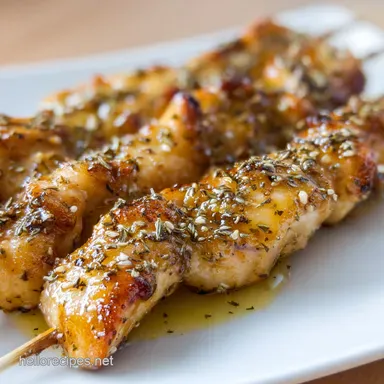
Lemon Garlic Butter Chicken Spiedini: Zesty and Buttery

- Time: 15 min active + 30 min marinating + 15 min cooking = Total 60 mins
- Flavor/Texture Hook: Zesty, buttery glaze with a slight shatter crisp exterior
- Perfect for: Cocktail parties, intimate date nights, or a fancy Sunday lunch
- This Lemon Garlic Butter Chicken Spiedini Recipe
- Why This Method Works
- The Essential Ingredient Breakdown
- Everything You Need Now
- The Right Kitchen Gear
- Step by Step Execution
- Fixing Common Cooking Issues
- Creative Flavor Twist Ideas
- Storage and Waste Tips
- The Best Side Pairings
- Recipe FAQs
- 📝 Recipe Card
The sudden, aggressive sizzle of cold butter hitting a hot pan is the sound of a dinner party actually starting. I remember the first time I tried making these for a group of friends back in the summer.
The house smelled like a bistro in Florence, with that sharp, bright hit of lemon cutting through the rich aroma of garlic. I was nervous because I'd always overcooked chicken breasts into something resembling cardboard, but the skewers changed everything.
That's the beauty of this dish. When you're hosting, you want something that looks impressive on a platter but doesn't keep you trapped in the kitchen while your guests are laughing in the other room. This lemon garlic butter chicken spiedini recipe is exactly that.
It's a balance of bright acidity and rich fat, and when you get that deep golden sear, it feels like a genuine win.
We're aiming for a specific kind of contrast here. You want the chicken to be tender, almost silky inside, but wrapped in a thin, savory crust that holds onto the sauce. Trust me on the flour step, too.
I used to skip it, thinking the marinade was enough, but the flour is what actually anchors the butter sauce to the meat. Without it, the glaze just slides off and pools at the bottom of the plate.
This Lemon Garlic Butter Chicken Spiedini Recipe
Right then, let's get into the details. When you're making this, the goal is to treat the chicken with a bit of respect. We aren't just grilling meat; we're building layers of flavor.
First comes the acid from the lemon and wine to tenderize, then the flour for texture, and finally the butter emulsion for that luxurious finish.
If you're planning this for a crowd, it's the ideal "occasion" dish. You can have the skewers threaded and ready in the fridge, then just sear and glaze them in batches. It's much more photographic than a heap of chicken breasts on a plate, and the skewers make it easy for people to grab and go if you're serving them as an appetizer.
One thing I've learned the hard way: don't over marinate. If you leave chicken in lemon juice for a whole day, the acid actually starts to "cook" the protein (think ceviche), which can make the texture mealy. Stick to the 30 minute window.
It's just enough time for the garlic and oregano to penetrate the surface without compromising the structure of the meat.
Why This Method Works
I've spent a lot of time wondering why some chicken skewers stay juicy while others dry out the second they hit the pan. It usually comes down to a few simple mechanical tricks rather than complex chemistry.
Acidic Tenderizing: The lemon juice and white wine break down the tough fibers in the chicken breast, making it more receptive to the heat. This ensures a velvety interior even with a over high heat sear.
The Starch Anchor: A light dusting of flour creates a microscopic rough surface. This is what allows the butter sauce to "grip" the chicken instead of sliding off, according to techniques often shared by King Arthur Baking.
Cold Butter Emulsion: Adding chilled butter to the pan at the end creates a stable emulsion. The cold fat prevents the sauce from breaking into a greasy puddle, resulting in a glossy, thick glaze.
Surface Area Maximization: By cutting the chicken into cubes and threading them with gaps, we increase the area exposed to the pan. This maximizes the browning, which is where all the savory depth comes from.
Since this dish can be made in different ways depending on your gear, I've put together a quick comparison to help you decide the best route for your specific event.
| Method | Time | Texture | Best For |
|---|---|---|---|
| Stovetop | 15 mins | Deep mahogany crust | Small batches, maximum flavor |
| Oven | 20 mins | Evenly golden | Large crowds, hands off cooking |
| Air Fryer | 12 mins | Very crispy | Quick weeknight meals |
The stovetop method is my go to because you can control the butter emulsion right in the same pan where the chicken seared. The browned bits left behind, or "fond," are essentially flavor gold that gets stirred right back into the sauce.
The Essential Ingredient Breakdown
Not all ingredients play the same role here. Some are for the primary flavor, while others are there to change the physical properties of the sauce or the meat.
| Ingredient | Science Role | Pro Secret |
|---|---|---|
| Dry White Wine | Acid/Deglazer | Use Sauvignon Blanc for a crisp, clean hit |
| All Purpose Flour | Binding Agent | Shake off excess; you want a veil, not a crust |
| Chilled Butter | Emulsifier | Keep it in the fridge until the exact second it's needed |
| Parmesan | Salt/Thickener | Use finely grated to ensure it melts instantly |
When picking your wine, avoid anything sweet. A sweet Riesling might work in some dishes, but here it would clash with the lemon. You want something bone dry to provide a sharp contrast to the richness of the butter.
Everything You Need Now
For the marinade and skewers, you'll need: - 1.5 lb chicken breast, cut into 1 inch cubes Why this? Consistent size ensures even cooking across all skewers - 3 tbsp olive oil Why this? High smoke point for the initial sear - 2 tbsp fresh lemon juice
Why this? Natural acid for tenderizing - 2 tbsp dry white wine Why this? Adds a complex, fermented depth - 3 cloves garlic, minced Why this? Base aromatic flavor - 1 tsp dried oregano Why this?
Classic Italian earthy note - 1 tsp kosher salt Why this? Draws out moisture for a better sear - 1/2 tsp cracked black pepper Why this? Sharp heat to balance the butter - 1/4 tsp crushed red pepper flakes Why this? Subtle
Back end warmth
For the coating and finishing sauce: - 1/4 cup all purpose flour Why this? Creates the sauce binding crust - 1/4 tsp salt Why this? Seasons the outer layer - 4 tbsp unsalted butter, chilled and cubed Why this? Essential for the
Velvety emulsion - 1 tbsp fresh lemon juice Why this? Brightens the heavy butter - 1 tbsp fresh parsley, finely chopped Why this? Fresh, grassy finish - 1 clove garlic, grated Why this? Raw garlic punch in the sauce
- 1 tbsp grated Parmesan cheese Why this? Adds umami and body
If you can't find dry white wine, don't panic. You can use a splash of chicken broth with a tiny bit more lemon juice. It won't have that same "zing," but it'll still be a winner.
| Original Ingredient | Substitute | Why It Works |
|---|---|---|
| Dry White Wine | Chicken Broth + Lemon | Similar salinity and acidity. Note: Lacks the fermented complexity of wine |
| All Purpose Flour | Cornstarch | Better crispiness. Note: Sauce may become slightly more translucent |
| Parmesan Cheese | Pecorino Romano | Similar salty, aged profile. Note: More pungent and saltier than Parmesan |
I've found that using a high-quality unsalted butter makes a massive difference here. Since we're adding salt and Parmesan, salted butter can sometimes push the dish into "too salty" territory very quickly.
The Right Kitchen Gear
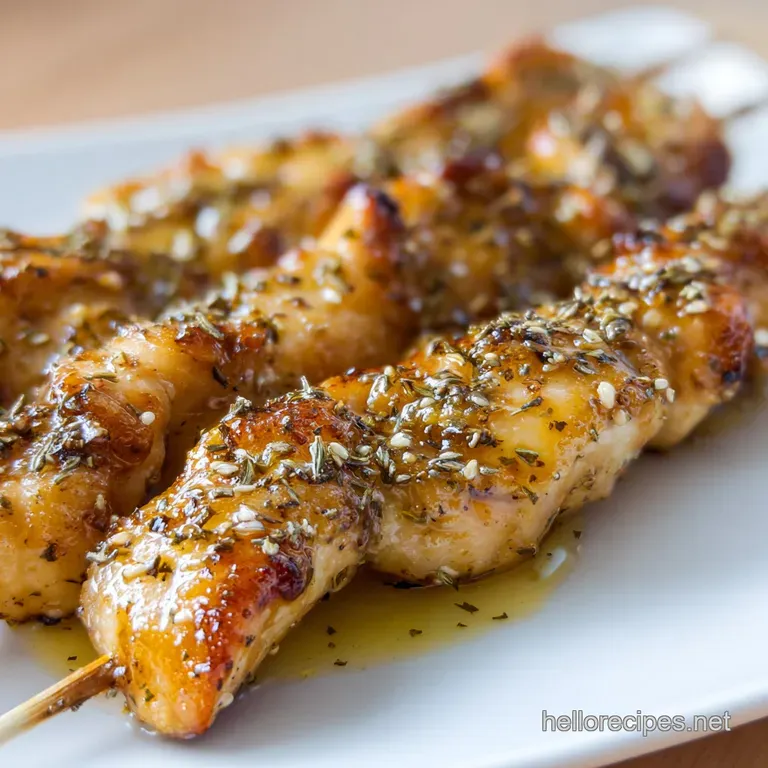
You don't need a professional kitchen, but a few specific tools make this much easier. A heavy bottomed skillet is non negotiable. I prefer a stainless steel or cast iron pan because they hold heat better than non stick.
Non stick is fine, but you won't get those beautiful brown bits on the bottom that make the sauce so rich.
You'll also need some skewers. Wooden ones are great, but remember to soak them in water for 30 minutes first. If you don't, they'll likely char or snap in the pan. Metal skewers are a better long term investment they conduct heat into the center of the chicken, helping it cook more evenly.
Finally,, a whisk is your best friend for the final stage. You need to move quickly when adding the butter to ensure it emulsifies into a glossy glaze rather than separating into oil.
Step by step Execution
Let's crack on. Follow these steps closely, and pay attention to the sensory cues the sounds and smells are your best indicators of doneness.
Prep the marinade. Whisk together the olive oil, lemon juice, white wine, minced garlic, oregano, salt, pepper, and red pepper flakes in a medium bowl. Toss the chicken cubes until fully coated and let the meat marinate for 30 minutes.
Note: Don't let it sit for hours or the lemon will change the texture.
Thread the meat. Slide the marinated chicken onto your skewers. Leave small gaps between each piece. Note: If you pack them too tightly, the sides won't sear, and you'll end up with steamed chicken.
Dust for texture. Lightly sprinkle the flour and salt mixture over the skewers. Use your hands to pat it in, then shake off any excess. Note: You want a thin veil of flour, not a thick batter.
Sear the protein. Heat a skillet over medium high heat with a splash of oil. Place the skewers in the pan. Sear for 3–4 minutes per side until a deep mahogany crust forms and the internal temperature reaches 165°F (74°C).
Remove the chicken and set it on a plate.
Deglaze the pan. Lower the heat to medium low. Add the cubed cold butter and grated garlic. Whisk constantly until the butter foams and turns a light golden brown, scraping up all those browned bits from the bottom.
Finish the glaze. Stir in the remaining lemon juice, chopped parsley, and Parmesan cheese. Whisk for 30 seconds until the sauce is glossy and velvety.
Plating. Pour the sauce immediately over the warm skewers. The heat from the chicken will help the sauce thicken slightly as it hits the meat.
Serve immediately. This dish is at its peak the moment the sauce hits the crust. Let it sit too long, and the flour coating will absorb the moisture and lose its structure.
According to Serious Eats, getting a hard sear on meat doesn't "lock in juices," but it does create a massive amount of flavor through browning. That's why we use medium high heat we want that color without drying out the center.
Fixing Common Cooking Issues
Even with a plan, things happen. Maybe the sauce looks oily, or the chicken feels rubbery. Most of these are easy fixes if you know what caused them.
Why Your Chicken Is Rubbery
This usually happens if the pan wasn't hot enough, causing the chicken to release its juices and boil in its own liquid instead of searing. Or, you might have overcooked it past 165°F. Use a meat thermometer to be sure.
Preventing Sauce Separation
If your sauce looks like a pool of yellow oil with clumps of butter, the heat was too high. The emulsion broke. You can sometimes fix this by whisking in a teaspoon of warm water or a tiny bit more lemon juice very rapidly.
Avoiding Burnt Garlic
Garlic burns in seconds over high heat. That's why we add the grated garlic only after the heat is lowered for the butter sauce. If you see black specks in your sauce, you've gone too far; start the sauce over.
| Problem | Root Cause | Solution |
|---|---|---|
| Sauce is too thin | Butter didn't emulsify | Whisk faster over medium low heat |
| Chicken is pale | Pan temperature too low | Increase heat; don't crowd the pan |
| Flour is clumpy | Too much flour used | Shake skewers more vigorously before searing |
- ✓ Use a meat thermometer to hit exactly 165°F.
- ✓ Soak wooden skewers for 30 minutes.
- ✓ Keep butter in the fridge until the final step.
- ✓ Pat the chicken dry before flouring if it's too wet.
- ✓ Deglaze the pan thoroughly to capture all the flavor.
Creative Flavor Twist Ideas
Once you've nailed the basic lemon garlic butter chicken spiedini recipe, you can start playing with the profile. The beauty of this format is that the "crust and glaze" logic works with many flavors.
For a Mediterranean shift, swap the oregano for fresh rosemary and add a few pitted Kalamata olives to the skewers. This adds a salty, briny punch that cuts through the butter beautifully. If you want something a bit more modern, try adding a teaspoon of honey to the butter sauce.
The sweetness creates a gorgeous caramelization that pairs well with the lemon.
If you're looking for something different entirely, maybe something more focused on a whole meal, you could try a Roasted Chicken meal for your next dinner. It uses a different technique but captures that same comfort.
For those wanting a spicy kick, add a pinch of cayenne pepper to the flour mixture. This creates a "hidden" heat that surprises you once you get past the buttery exterior. You can also swap the white wine for a dry sherry to give the dish a nuttier, more Spanish inspired vibe.
If you're following a keto lifestyle, simply replace the all purpose flour with a mix of almond flour and a pinch of xanthan gum. It won't be quite as "shatter crisp," but it will still hold the sauce and keep the carb count low.
Storage and Waste Tips
If you have leftovers, keep them in an airtight container in the fridge for up to 3 days. To reheat, avoid the microwave if you can. The microwave will make the chicken rubbery and the sauce oily. Instead, put the skewers back in a pan over medium heat with a tiny knob of fresh butter.
This refreshes the glaze and brings back some of that sear.
Freezing these isn't recommended. The emulsion in the butter sauce breaks during the freezing and thawing process, leaving you with a greasy mess. If you must freeze the chicken, do it before you add the butter sauce and flour.
To keep things zero waste, don't toss the lemon halves. Squeeze every last drop for the sauce, then toss the rinds into a freezer bag for future zesting or to infuse into vinegar. If you have leftover marinade, don't use it as a sauce unless you boil it for several minutes first, as it has touched raw chicken.
If you're meal prepping for the week, consider using the leftover chicken cubes in a Classic Chicken Salad for a quick lunch. The lemon and garlic flavors actually complement a creamy mayo based salad quite well.
The Best Side Pairings
Because this dish is so rich and buttery, you need sides that provide a sharp, fresh contrast. A simple arugula salad with a light balsamic vinaigrette is the gold standard here. The peppery greens cut right through the fat of the butter sauce.
Roasted asparagus or charred broccolini also work brilliantly. The slight bitterness of these vegetables balances the sweetness of the butter. If you want a starch, go for a wild rice pilaf or some lightly toasted sourdough bread to mop up every last drop of that lemon garlic glaze.
For a more filling meal, try serving the skewers over a bed of sautéed spinach. The spinach wilts down and picks up the extra sauce from the plate, making every bite feel cohesive. Avoid heavy cream based sides, as they will compete with the butter sauce and make the meal feel too heavy.
If you're serving this at a party, place the skewers on a large wooden board and surround them with lemon wedges and fresh parsley sprigs. It looks stunning and gives your guests a way to add an extra hit of acidity if they prefer it brighter.
Recipe FAQs
What exactly is chicken spiedini?
Skewered chicken seasoned and seared. In this recipe, the meat is marinated in lemon and garlic, dusted with flour, and finished with a glossy butter glaze. It pairs excellently with a side of roasted spaghetti squash.
What kind of chicken is best for spiedini?
Boneless, skinless chicken breast. Cut into 1 inch cubes, this cut provides the lean, uniform shape needed for even cooking and a consistent sear on the skewers.
What is the secret to tender chicken spiedini?
Limit marinating time to 30 minutes. Because the marinade contains lemon juice, leaving the meat to sit for hours will break down the proteins and create a mushy texture.
What are common mistakes when making the butter sauce?
Using heat that is too high. If the pan is too hot, the butter will separate into oil rather than emulsifying into a glossy glaze. Keep the heat at medium low and whisk constantly.
How to get a golden brown crust on the skewers?
Dust the skewers with the flour and salt mixture before searing. Heat your skillet over medium high and sear for 3 4 minutes per side until the internal temperature reaches 165°F.
How to reheat leftovers without them becoming rubbery?
Warm them in a pan over medium heat with a small knob of butter. Avoid the microwave, as it toughens the chicken and causes the emulsion in the butter sauce to break.
Is it true that marinating the chicken overnight improves the flavor?
No, this is a common misconception. The acid in the lemon juice will chemically "cook" the meat if left too long, resulting in a mealy texture rather than a tender one.
Lemon Garlic Chicken Spiedini