Lemon Butter Pasta with Garlic to Brighten Your Dinner
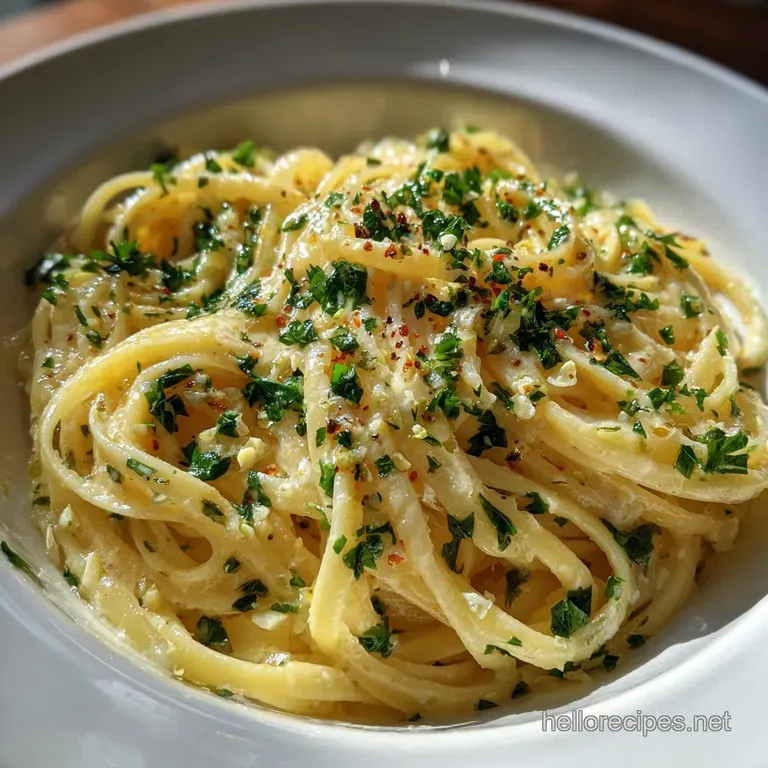
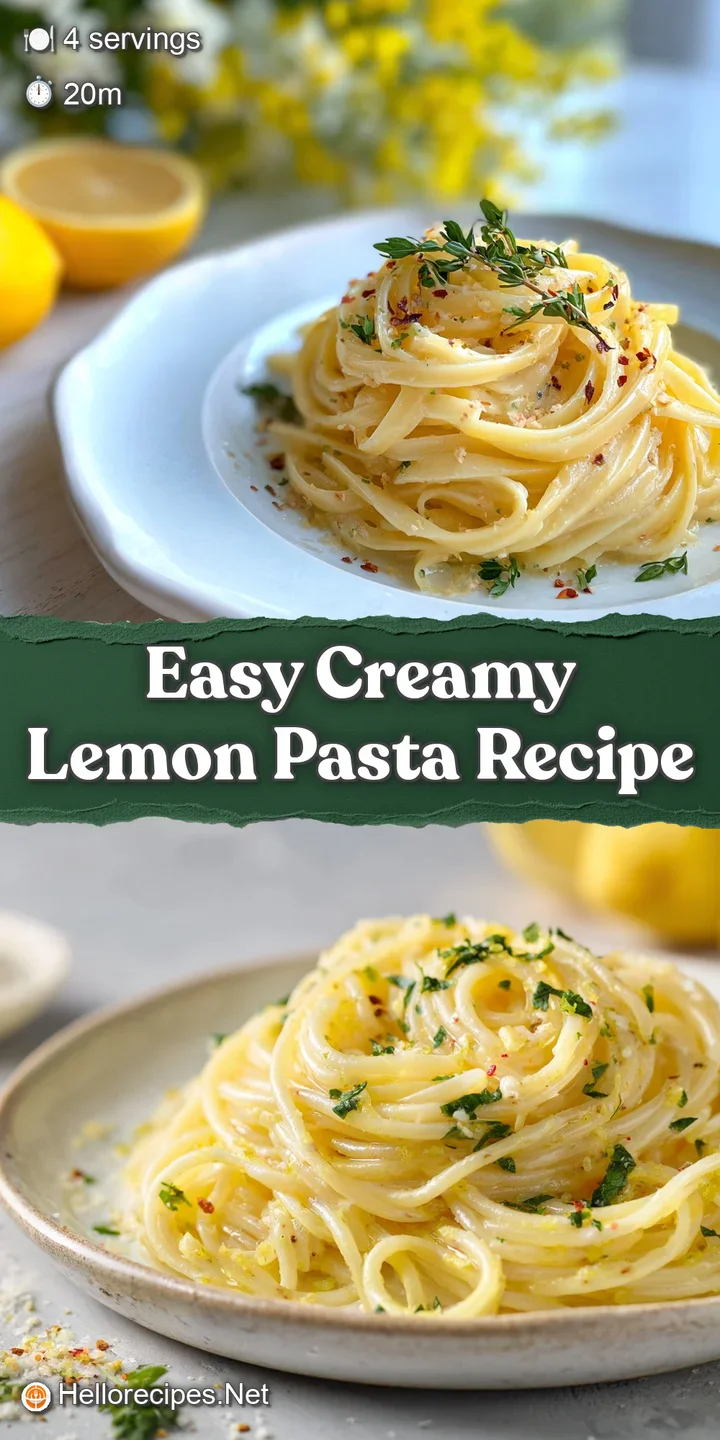
- Time: Active 15 minutes, Passive 5 minutes, Total 20 minutes
- Flavor/Texture Hook: Zesty lemon acidity balanced by velvety, garlic infused butter
- Perfect for: High efficiency weeknight dinners or a sophisticated, beginner friendly date night
- Lemon Butter Pasta with Garlic to Brighten Your Dinner
- The Science of Why it Works
- Science of Essential Pantry Components
- Necessary Tools for Gastronomic Success
- Systematic Assembly for Superior Texture
- Troubleshooting for Flawless Culinary Results
- Creative Adaptations for Diverse Palates
- Debunking Kitchen Myths
- Sustainable Storage and Reheating Methods
- Optimal Pairings and Plating Techniques
- Recipe FAQs
- 📝 Recipe Card
Lemon Butter Pasta with Garlic to Brighten Your Dinner
Imagine the sound of 1/2 cup of unsalted butter hitting a warm pan, shifting from a soft solid to a golden, foaming liquid. As you drop in 5 cloves of minced garlic, the sizzle releases an aroma that fills the kitchen, signaling that something incredible is about to happen.
This recipe for Lemon Butter Pasta with Garlic is guaranteed to brighten your dinner.
I remember the first time I tried to make a citrus pasta; I just squeezed a lemon over some noodles and called it a day. It was harsh, thin, and honestly, a bit of a letdown. But after obsessing over the gastronomy of starch and fat, I found the secret to that silky, restaurant grade coat that clings to every strand of 1 lb of linguine.
We aren't just making a sauce here, we're building a stable emulsion. By using the technology of pasta water combined with high-quality lipids, we create a texture that feels luxurious without being heavy. It is a simple dish, but the chemistry behind it is pure magic.
The Science of Why it Works
- Emulsification: The starchy pasta water acts as a bridge between the fat in the butter and the acidity of the lemon, creating a cohesive, velvety sauce rather than a greasy mess.
- Lipid Infusion: Gently heating the 5 cloves of garlic in butter allows fat soluble flavor compounds to distribute evenly throughout the entire dish.
- Acid Balance: The citric acid in the 2 lemons provides a bright contrast to the richness of the 1/2 cup of butter, stimulating salivary glands and making the flavors pop.
- Starch Gelatinization: Finishing the 1 lb of linguine directly in the sauce allows the surface starches to thicken the liquid into a glossy coating.
| Method | Time | Texture | Best For |
|---|---|---|---|
| Stovetop | 20 minutes | Silky and light | Maximum brightness and quick execution |
| Oven Finish | 30 minutes | Crispy top edges | Serving a crowd or creating a "bake" feel |
| One Pot | 25 minutes | Ultra creamy | Minimum cleanup and maximum starch retention |
Choosing the stovetop method ensures the 1/4 cup of fresh parsley stays vibrant and the lemon notes remain sharp. While the oven finish offers a different textural contrast, the stovetop version is the gold standard for achieving that specific "shatter" of flavor from the red pepper flakes against the smooth butter.
Science of Essential Pantry Components
| Ingredient | Science Role | Pro Secret |
|---|---|---|
| Linguine (1 lb) | Starch Provider | Undercook by 2 minutes to let it finish in the sauce. |
| Unsalted Butter (1/2 cup) | Fat/Emulsion Base | Use European style butter for higher fat content and creamier mouthfeel. |
| Fresh Lemons (2) | pH Adjuster | Zest first, then juice; the oils in the zest hold the most aromatic power. |
To get the most out of your ingredients, I recommend using a microplane for the 5 cloves of garlic. This creates a paste like consistency that melts into the butter, preventing any bitter, crunchy bits from ruining the velvety experience.
Necessary Tools for Gastronomic Success
- 1 lb linguine: Why this? The flat surface area is ideal for grabbing and holding onto emulsified butter sauces. (Substitute: Spaghetti or Fettuccine)
- 1/2 cup unsalted butter: Why this? Provides the lipid base for the sauce without adding uncontrolled sodium. (Substitute: high-quality extra virgin olive oil)
- 5 cloves fresh garlic: Why this? Delivers the essential aromatic backbone of the entire flavor profile. (Substitute: 1 tsp garlic powder in a pinch)
- 2 large lemons: Why this? Dual action flavoring through both essential oils in zest and citric acid in juice. (Substitute: 1.5 tbsp bottled lemon juice)
- 1/2 cup Parmesan cheese: Why this? Adds umami and acts as a secondary thickener for the emulsion. (Substitute: Pecorino Romano)
- 1/4 cup fresh parsley: Why this? Adds a necessary grassy note to cut through the richness. (Substitute: Fresh basil)
- 1/2 tsp red pepper flakes: Why this? Provides a subtle heat that balances the cool citrus. (Substitute: 1/4 tsp cayenne pepper)
- 1/4 tsp black pepper: Why this? Adds floral notes and sharp pungency. (Substitute: White pepper)
- 1 tbsp kosher salt: Why this? Essential for seasoning the pasta water and opening up the taste buds. (Substitute: 2 tsp fine sea salt)
Systematic Assembly for Superior Texture
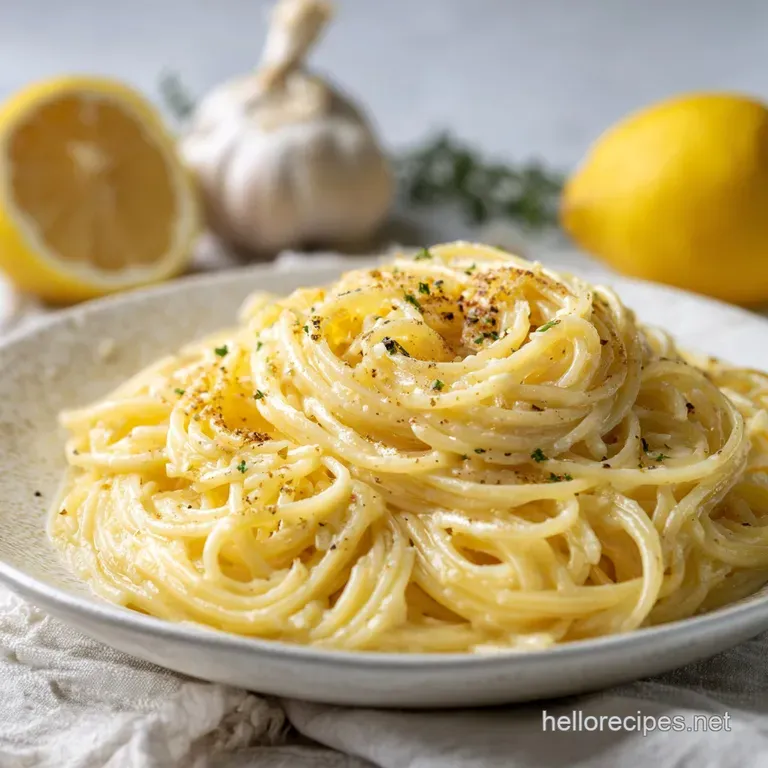
Boiling the Linguine
- Bring a large pot of water to a rolling boil and add 1 tbsp kosher salt.
- Add 1 lb linguine and cook for about 8 minutes. Note: You want it "al dente" or even slightly under, as it will finish in the pan.
- Before draining, reserve at least 1 cup of the cloudy pasta water. This is your "liquid gold" for the sauce.
Infusing the Garlic Butter
- In a large wide skillet over medium low heat, melt 1/2 cup unsalted butter.
- Add 5 cloves of minced garlic and 1/2 tsp red pepper flakes.
- Sauté for 2 minutes until the garlic is fragrant and pale gold. Do not let it brown, or the flavor will turn bitter.
Creating the Emulsion
- Whisk in the zest and juice from 2 lemons along with 1/2 cup of the reserved pasta water.
- Increase heat to medium and whisk vigorously until the liquid looks creamy and slightly thickened.
- This technique is similar to how we build the base for our 15 Minute Creamy Garlic Sauce recipe, focusing on the suspension of fats in liquid.
Marrying Sauce and Pasta
- Toss the cooked 1 lb linguine into the skillet with the sauce.
- Add 1/2 cup Parmesan cheese and 1/4 cup fresh parsley, tossing constantly for 2 minutes.
- If the pasta looks dry, add more reserved water one splash at a time until a glossy, velvety coating forms. Season with 1/4 tsp black pepper and serve immediately.
Troubleshooting for Flawless Culinary Results
Fixing a Broken Sauce
If your sauce looks oily or separated, it usually means the emulsion has broken. This happens when the heat is too high or there isn't enough starch to bind the fat. To fix this, remove the pan from the heat and add a tablespoon of room temperature pasta water, whisking rapidly.
The starch will help pull the butter and lemon juice back together into a smooth liquid.
Preventing Scorched Garlic
Garlic has a high sugar content and burns quickly, especially when minced fine. If your garlic turns dark brown or black, you must start over. The bitterness will permeate the entire 1/2 cup of butter and ruin the dish. Always start the garlic in a pan that isn't too hot, and keep it moving.
| Problem | Root Cause | Solution |
|---|---|---|
| Oily Pasta | Lack of pasta water | Add 2 tbsp of starchy water and toss vigorously to emulsify. |
| Bitter Aftertaste | Burnt garlic | Sauté garlic on lower heat and stop when it smells fragrant. |
| Dry Noodles | Pasta absorbed sauce | Add a splash of water or a knob of butter before serving. |
Common Mistakes Checklist
- ✓ Never rinse your pasta after boiling - you need that surface starch for the sauce to stick.
- ✓ Don't use the green shaker can cheese; freshly grated Parmesan melts much more smoothly.
- ✓ Avoid high heat when adding the lemon juice to prevent the butter from breaking instantly.
- ✓ Ensure your 1/4 cup of parsley is completely dry before chopping to avoid a "bruised" flavor.
- ✓ Always taste the pasta water; it should be as salty as the sea to season the 1 lb of linguine from the inside out.
Creative Adaptations for Diverse Palates
If you are cooking for a smaller crowd, you can easily scale this down. For 2 servings, use 1/2 lb of pasta and 1/4 cup of butter. Since you're using half an egg (if you were making a carbonara variant), you'd beat it and use half, but here, just halve the lemon and garlic.
Keep the red pepper flakes at 1/4 tsp to maintain the warmth without overpowering the smaller portion.
When scaling up for a dinner party (8 servings), use a very large wide pan or two separate skillets. Doubling the 1 lb of linguine to 2 lbs means you'll need to be careful with the lemon juice. I recommend starting with 1.5x the juice and adjusting to taste, as acidity can become overwhelming in large volumes.
If you are looking for a more substantial meal, this technique works beautifully as a base for proteins. You might consider pairing this with a Tuscan Shrimp Pasta recipe approach, adding seared shrimp right at the end to soak up that lemon butter.
Debunking Kitchen Myths
A common misconception is that you need heavy cream to make a "creamy" pasta sauce. In reality, the combination of butter and starchy water creates a more sophisticated, lighter emulsion that doesn't mask the delicate flavor of the lemon. Cream often dulls the brightness of the citrus.
Another myth is that you should add oil to your pasta water to prevent sticking. This actually prevents the sauce from adhering to the 1 lb of linguine. The oil coats the strands, making them too slippery for our emulsified lemon butter to grab onto.
Just stir the pasta occasionally during the first few minutes of boiling instead.
Sustainable Storage and Reheating Methods
Storage: This pasta is best enjoyed fresh, but you can store leftovers in an airtight container in the fridge for up to 3 days. I do not recommend freezing this dish, as the butter emulsion will break upon thawing, resulting in a greasy texture.
Reheating: To revive the sauce, add a splash of water or milk to the pasta before microwaving or heating in a skillet. This provides the moisture needed to re emulsify the fats.
Zero Waste Tip: Don't toss those spent lemon halves! After zesting and juicing the 2 lemons, you can use the rinds to clean your wooden cutting boards or toss them into a jar of white vinegar for two weeks to create a sustainable, citrus scented all purpose cleaner.
Optimal Pairings and Plating Techniques
When serving, focus on textural contrast. A handful of toasted breadcrumbs (pangrattato) sprinkled over the top provides a necessary "shatter" that mimics the crunch of the garlic without the risk of bitterness.
Serve this in wide, shallow bowls to allow the aroma of the 1/4 cup of parsley and lemon zest to reach the diner immediately.
The brightness of the lemon makes this a fantastic partner for green vegetables. I love serving it alongside roasted asparagus or a simple arugula salad with a light vinaigrette. The peppery greens complement the 1/2 tsp of red pepper flakes perfectly, creating a cohesive, restaurant style experience right in your own kitchen.
Recipe FAQs
What makes this lemon butter pasta sauce "silky"?
It's all about emulsification. We use the starchy pasta water to create a stable bond between the butter (fat) and lemon juice (acidity), resulting in a velvety coating that clings beautifully to the pasta. This technique is key for achieving that luxurious texture, similar to building the base for our 15 Minute Creamy Garlic Sauce recipe.
Can I substitute the linguine with another pasta shape?
Yes, other flat pasta shapes work well. Spaghetti or fettuccine are excellent alternatives because their surface area is ideal for holding onto the emulsified butter sauce. The flat shape of linguine is perfect for grabbing and holding onto emulsified butter sauces.
My sauce looks oily or separated, what went wrong?
The emulsion likely broke. This usually happens from too much heat or not enough starchy pasta water to bind the fat. Remove from heat and whisk in a tablespoon of room temperature pasta water rapidly to help re-bind the sauce.
Is it true I need heavy cream for a creamy pasta sauce?
No, this is a common misconception. Heavy cream can dull the brightness of citrus flavors. A combination of butter and starchy pasta water creates a lighter, more sophisticated emulsion that lets the lemon shine through.
How do I prevent the garlic from burning?
Start the garlic in a cool pan. Minced garlic has a high sugar content and burns quickly. Begin sautéing it over medium low heat in the butter, and stir frequently until fragrant and pale gold; never let it turn dark brown.
Can I add protein to this pasta?
Absolutely! This lemon butter sauce is a fantastic base for seafood or chicken. For a delicious variation, consider adding seared shrimp near the end, allowing them to soak up the zesty sauce, similar to how you might prepare Foolproof 30Minute Shrimp Scampi Pasta Silky LemonGarlic Sauce.
Should I add oil to the pasta water?
No, skip the oil in the pasta water. Oil coats the pasta strands, preventing the sauce from adhering properly. Instead, stir the pasta occasionally during the first few minutes of boiling to prevent sticking.
Lemon Butter Pasta Garlic
Ingredients:
Instructions:
Nutrition Facts:
| Calories | 661 kcal |
|---|---|
| Protein | 19 g |
| Fat | 28 g |
| Carbs | 84 g |
| Fiber | 4 g |
| Sugar | 3 g |
| Sodium | 485 mg |
