How to Make Caesar Salad: a Classic Recipe
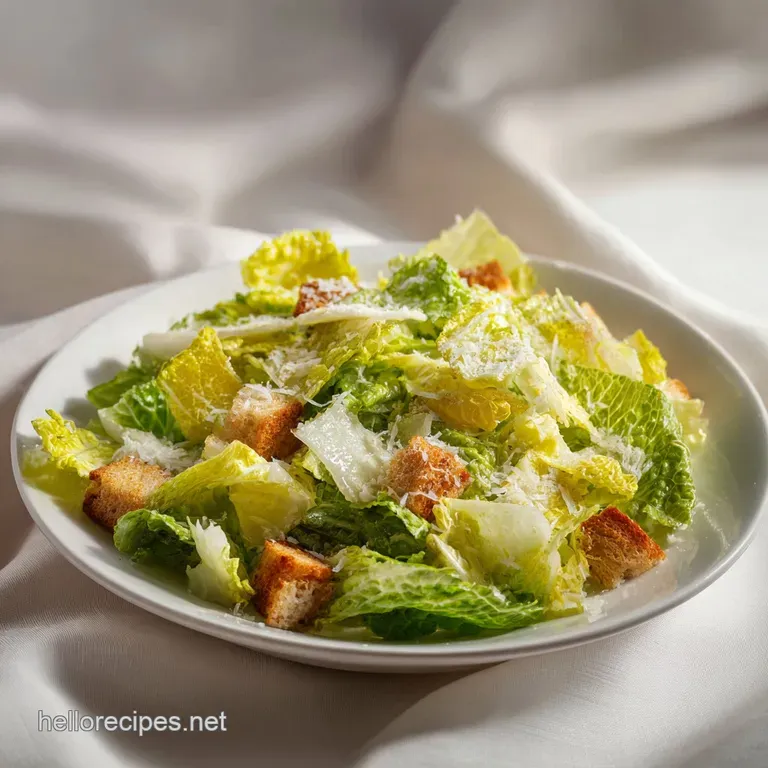
- Time: Active 15 minutes, Passive 10 minutes, Total 25 minutes
- Flavor/Texture Hook: Velvety, garlic forward dressing paired with shattering sourdough croutons
- Perfect for: Impressive dinner parties or a high end weekend lunch
- Learn How To Make Caesar Salad Perfectly
- Why Typical Recipes Often Fail
- Vital Stats and Recipe Specs
- Essential Ingredients and Smart Swaps
- Necessary Gear for Success
- Detailed Instructions for Optimal Flavor
- Solving Common Preparation Issues
- Scaling for Larger Groups
- Creative Variations for Every Palate
- Myth: You Must Use a Wooden Bowl
- Keeping Your Leftovers Crisp
- Ideal Side Dishes to Serve
- Recipe FAQs
- 📝 Recipe Card
Learn How To Make Caesar Salad Perfectly
Did you know that the Caesar salad wasn't born in a high end Italian trattoria, but rather in a frantic, crowded kitchen in Tijuana during the height of Prohibition? Legend says Caesar Cardini threw it together for a group of hungry Hollywood types using whatever he had left in the pantry.
It’s a dish born of necessity and quick thinking, which is exactly why it’s so vibrant and punchy. When you smell the sharp zip of fresh lemon juice meeting a pungent garlic paste, you're literally smelling history.
Honestly, I used to think the bottled stuff was "fine" until I realized that a real Caesar is all about the emulsion. There is something truly transformative about watching golden olive oil slowly disappear into egg yolks until it becomes a thick, pale ribbon of pure silk.
It’s not just a salad; it’s a study in textures. You have the cold, watery snap of the Romaine, the creamy weight of the dressing, and that incredible shattering crunch from sourdough that’s been toasted with garlic powder and melted butter.
We are going to skip the soggy, limp leaves and the metallic tasting dressings. We're going for a version that smells like a dream and tastes even better. If you've ever wondered why yours doesn't taste like the one at that fancy steakhouse, it usually comes down to three things: the temperature of the greens, the stability of the emulsion, and the quality of your bread.
Let’s get into the nitty gritty of how to pull this off without breaking a sweat or your dressing.
Why Typical Recipes Often Fail
Lecithin Logic: Egg yolks act as the bridge between oil and water based liquids, creating a permanent bond that results in a thick, velvety coating rather than a greasy puddle.
Turgor Pressure: Soaking Romaine in ice cold water forces liquid into the plant’s cell walls, making them rigid and giving you that iconic "snap" when you bite down.
Starch Dehydration: Tearing sourdough instead of cutting it creates more surface area, allowing the butter and olive oil to seep into the nooks and crannies for a deeper, more even crunch.
Acid Attenuation: The lemon juice doesn't just add flavor; it helps "cook" the garlic paste slightly, mellowing the harsh, raw bite while keeping the aromatic intensity.
| Method | Prep Time | Texture | Flavor Profile |
|---|---|---|---|
| The Classic (This Recipe) | 25 minutes | Thick, silky, crunchy | Briny, bright, deep umami |
| The 5 Minute Shortcut | 5 minutes | Thin, drizzly | Tangy but flat |
| The Vegan Twist | 30 minutes | Grainy/Creamy | Nutty, lacks briny depth |
The key difference between a fast version and this classic method is the way the dressing clings to the leaves. A quick whisk with mayo might taste okay, but it lacks the airy, aerated lightness that comes from building the emulsion from scratch with egg yolks.
Vital Stats and Recipe Specs
Before we start whisking, let's look at the components that make this dish sing. We aren't just tossing things in a bowl; we are constructing layers of flavor.
| Component | Role | Pro Secret |
|---|---|---|
| Egg Yolks | Emulsifier | Ensure they are room temperature to help the oil incorporate faster without splitting. |
| Anchovy Paste | Umami Source | Use paste for a smoother texture; it melts into the dressing better than hand chopped fillets. |
| Parmigiano Reggiano | Flavor & Body | Finely grate the cheese to help thicken the dressing naturally through its dry protein structure. |
I've tried making this with pre grated cheese from a green can once big mistake. The anti caking agents in pre shredded cheese prevent it from melting into the dressing, leaving you with a gritty texture that feels like sand on your tongue. Always grate your own for that silky finish.
Essential Ingredients and Smart Swaps
You'll need a few high-quality staples to make this work. Since the ingredient list is short, the quality of each item really matters.
- Garlic cloves (2 small): Mince these into a fine paste with a pinch of salt to release the oils.
- Anchovy paste (1 tsp): Provides the salty, savory backbone.
- Egg yolks (2 large): The heart of the emulsion.
- Fresh lemon juice (2 tbsp): Never use the bottled stuff; the aroma of fresh zest is essential.
- Dijon mustard (1 tsp): Acts as a secondary emulsifier and adds a subtle heat.
- Extra virgin olive oil (0.5 cup): Choose a buttery, mild oil so it doesn't overpower the other flavors.
- Parmigiano Reggiano (0.5 cup finely grated, 0.5 cup shaved): Real deal Italian cheese is a must.
- Freshly cracked black pepper (0.5 tsp): Large cracks provide little bursts of heat.
- Worcestershire sauce (0.5 tsp): Adds a fermented depth.
- Romaine hearts (3 heads): The freshest, crispest leaves you can find.
- Sourdough bread (3 cups chunks): The tangy fermented dough makes the best croutons.
- Butter and Garlic Powder: For the sourdough seasoning.
| Original Ingredient | Substitute | Why It Works |
|---|---|---|
| Anchovy Paste | Miso Paste (1:1) | Provides a similar salty umami hit without the fishy notes. Note: Slightly sweeter result. |
| Egg Yolks | 2 tbsp Mayonnaise | Mayo is already an emulsion; it acts as a shortcut base if you're nervous about raw eggs. |
| Romaine Hearts | Kale (Lacinato) | Sturdier leaf that holds up to the heavy dressing. Note: Needs a "massage" first to soften. |
If you are looking for a Classic Homemade Caesar Dressing that uses a slightly different ratio, you can see how much the lemon juice can change the consistency.
Necessary Gear for Success
You don't need a lab, but a few specific items make the process much smoother. I personally love using a large wooden bowl for tossing because the rough surface of the wood helps "grab" the dressing and distribute it more evenly across the Romaine leaves.
A salad spinner is also non negotiable. If your leaves are even slightly damp, the oil based dressing will slide right off and pool at the bottom of the bowl. We want the dressing to coat every square inch of that Romaine, and that only happens on a bone dry surface.
For the croutons, a heavy rimmed baking sheet is better than a thin one. It distributes the heat more evenly, preventing the butter from burning before the bread has a chance to turn golden and crisp.
If you have a microplane, use it for the Parmesan; it creates a fluffy, snow like texture that incorporates into the liquid beautifully.
Detailed Instructions for Optimal Flavor
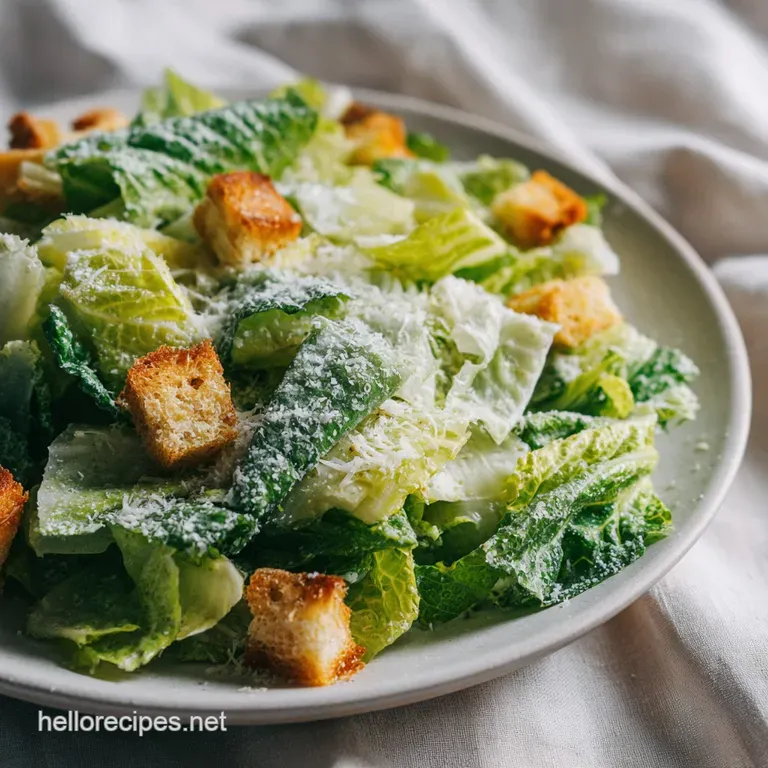
Preparing the Homemade Caesar Salad Croutons
- Preheat your oven to 375°F (190°C). While it warms up, tear your sourdough into 1 inch chunks rather than cutting them. Note: Torn edges create more crispy surface area than smooth cut edges.
- Toss the bread chunks with 2 tbsp olive oil, 1 tbsp melted butter, 0.5 tsp garlic powder, and a pinch of salt. Spread them out on a baking sheet.
- Bake for 8 to 10 minutes until the bread is golden brown and smells like a garlicky bakery. Let these cool completely on the tray; they will continue to crisp up as they sit.
Dehydrating and Chilling the Greens
- Wash the romaine hearts in a bowl of ice cold water. This isn't just for cleaning; the cold shock makes the leaves incredibly crisp.
- Spin the leaves dry and then place them in the refrigerator for at least 10 minutes. Until the leaves feel rigid and cold to the touch. This temperature contrast with the room temp dressing is what makes the salad refreshing.
Whisking the Creamy Emulsion
- Create the base paste. In a medium bowl, whisk together the minced garlic paste, 1 tsp anchovy paste, 2 tbsp lemon juice, 1 tsp Dijon, and 2 large egg yolks.
- Emulsify the oil. While whisking constantly and vigorously, add the 0.5 cup of olive oil drop by-drop at first. Once the mixture starts to thicken, you can move to a slow, steady stream. Until the dressing is thick, velvety, and pale golden.
- Season the dressing. Stir in the 0.5 cup of finely grated Parmigiano Reggiano, 0.5 tsp pepper, and 0.5 tsp Worcestershire sauce.
Tossing for Total Coverage
- Combine the components. Place your chilled romaine in a large bowl. Drizzle with about half the dressing and toss gently with your hands or large spoons.
- Add the finish. Throw in the cooled croutons and the remaining dressing. Toss one last time until every leaf is shimmering and coated. Top with the 0.5 cup of shaved Parmigiano Reggiano ribbons.
Solving Common Preparation Issues
One of the biggest heartbreaks in the kitchen is a "broken" dressing where the oil separates and looks curdled. This usually happens because the oil was added too fast for the egg yolks to keep up. But don't throw it out! You can fix it.
Rescuing a Broken Dressing
If your dressing looks greasy and separated, it means the emulsion has failed. To fix this, put a fresh egg yolk or a teaspoon of Dijon mustard in a clean bowl. Very slowly, whisk the broken dressing into the new base. The new emulsifier will help pull everything back together into a smooth liquid.
Avoiding Soggy Croutons
The aroma of fresh croutons is best when they are added at the very last second. If you toss them in and let the salad sit for 20 minutes, they will absorb the moisture from the dressing and turn into mushy bread. Always keep them separate until the moment you are ready to serve.
Muting Excess Salt
Between the anchovies, the Worcestershire, and the Parmesan, this salad can get salty fast. If you taste your dressing and it’s too punchy, add a small squeeze of extra lemon juice or a tiny splash of water. The acid and liquid will dilute the salt without dulling the other flavors.
| Problem | Root Cause | Solution |
|---|---|---|
| Dressing is too thin | Oil added too slowly or not enough cheese | Add another tablespoon of finely grated Parmesan to thicken it up. |
| Dressing is greasy | Broken emulsion | Whisk in a teaspoon of warm water or a fresh egg yolk to re bind the fats. |
| Salad is watery | Wet lettuce leaves | Use a salad spinner and then pat the leaves with a paper towel before tossing. |
Common Mistakes Checklist
- ✓ Using cold eggs (room temperature yolks emulsify much more easily).
- ✓ Skipping the ice bath for the Romaine (warm lettuce is limp and sad).
- ✓ Adding oil in big splashes (slow and steady wins the emulsion race).
- ✓ Using pre shredded cheese (it won't dissolve into the dressing correctly).
- ✓ Forgetting to let the croutons cool (hot croutons will wilt the lettuce immediately).
Scaling for Larger Groups
If you're hosting a big party, you can definitely double or triple this recipe. However, keep in mind that whisking a large volume of dressing by hand can be a real workout. For a double batch, I recommend using a food processor or a blender.
Start with your base ingredients and drizzle the oil through the top feed tube in a very thin stream.
When doubling the greens, make sure you have a bowl large enough to actually toss them. If the bowl is too small, you'll end up crushing the Romaine while trying to get the dressing to the bottom. It’s better to toss the salad in two batches than to have one bruised, messy pile.
For the croutons, don't crowd the baking sheet. If they are touching each other, they will steam instead of crisping. Use two sheets if you need to, and rotate them halfway through the baking time. This ensures that every single cube gets that "shattering" texture we are looking for.
Creative Variations for Every Palate
While the classic is hard to beat, sometimes you want to mix it up. If you're looking for a crunchy Broccoli Bacon Salad, you'll notice that the same principles of texture contrast apply there as well.
Opting for Caesar Salad Dressing Recipe Without Anchovies
Many people are wary of anchovies, but they really are the "secret sauce" of this dish. If you absolutely can't do it, swap the anchovy paste for an equal amount of Capers (mashed into a paste) or Miso. You'll still get that salty, savory hit without the fishy undertone.
Upgrading to a Protein Packed Chicken Caesar Salad Recipe
To make this a full meal, add 6 ounces of sliced, grilled chicken breast per person. I like to season the chicken with the same garlic powder and salt used for the croutons to keep the flavor profile consistent.
Make sure the chicken is slightly warm or room temp not ice cold to contrast with the chilled greens.
Swapping the Greens
If Romaine isn't your thing, try Lacinato kale. It's much sturdier and can actually be dressed an hour before serving without getting soggy. In fact, kale benefits from sitting in the dressing as the acid helps break down the tough fibers.
Myth: You Must Use a Wooden Bowl
Many people insist that you have to rub a cut clove of garlic inside a wooden bowl to make a "real" Caesar. While it smells incredible and adds a subtle hint of flavor, it’s not strictly necessary. You can get the same garlic punch by mincing the cloves into a paste as we do in this recipe.
The wood bowl is great for friction, but a glass or stainless steel bowl works perfectly fine as long as you whisk well.
Another common myth is that the "original" recipe used raw egg yolks. Actually, some historians argue that Caesar Cardini used coddled eggs (eggs boiled for exactly one minute). This thickens the white slightly while keeping the yolk runny.
In modern kitchens, we usually stick to raw yolks for the best emulsion, but if you're worried about food safety, you can use pasteurized eggs found at most grocery stores.
Keeping Your Leftovers Crisp
Storage: This salad is best eaten immediately. However, if you have leftover dressing, store it in an airtight jar in the fridge for up to 3 days. The sourdough croutons should stay at room temperature in a sealed bag for up to 2 days.
Never store the tossed salad; it will become a soggy mess within an hour.
Zero Waste: Don't throw away those Romaine ends! You can place the heart base in a shallow bowl of water on your windowsill, and it will actually start to regrow new leaves within a few days.
Also, if you have Parmesan rinds left over, throw them into your next batch of vegetable soup or pasta sauce for a massive boost of umami.
Ideal Side Dishes to Serve
This salad is incredibly versatile. Because it’s so rich and creamy, it pairs beautifully with grilled proteins that have a bit of char. A simple grilled ribeye or a piece of pan seared salmon provides a warm, smoky contrast to the cold, zippy greens.
If you're serving this as a starter, follow it up with a light pasta dish, like an aglio e olio. The shared garlic notes will tie the whole meal together. For a plant based feast, try serving it alongside a roasted cauliflower steak.
The nuttiness of the roasted vegetable plays incredibly well with the salty Parmesan in the dressing. Personally, I think a cold glass of crisp Sauvignon Blanc is the perfect drink to cut through the richness of the egg yolks and olive oil.
Recipe FAQs
What are the ingredients in a Caesar salad?
This classic salad relies on 16 specific items. You will need romaine hearts, sourdough bread, extra virgin olive oil, melted butter, garlic powder, sea salt, garlic cloves, anchovy paste, egg yolks, lemon juice, Dijon mustard, finely grated Parmigiano Reggiano, black pepper, Worcestershire sauce, and
shaved Parmigiano Reggiano.
Is Caesar salad good for diabetics?
Consult your medical professional regarding your specific dietary needs. While the base consists of fresh romaine and healthy fats, the bread components can impact blood glucose levels differently for every individual.
How to make Caesar at home?
Bake the croutons first by tossing sourdough with oil, butter, garlic powder, and salt, then roasting at 375°F for 8 10 minutes. Prepare the emulsion by whisking garlic, anchovy, yolks, lemon, and mustard, slowly streaming in oil until thick.
Finally, toss your chilled, crisp romaine with the dressing, croutons, and cheese.
Which salad is best for heart patients?
Discuss your dietary restrictions with your cardiologist to see if this fits your plan. This salad features heart healthy fats from extra virgin olive oil, but it is important to monitor portion sizes and sodium intake based on your unique health requirements.
How to ensure the dressing does not separate?
Add your oil drop-by-drop at the start while whisking vigorously to build a stable emulsion. If you enjoyed mastering the silky sauce technique here, you will find that same patient, steady incorporation is the key to a professional, velvety dressing consistency.
Is it true I must wash the lettuce far in advance?
No, this is a common misconception. Washing the romaine hearts in ice-cold water just before assembly and using a salad spinner to remove every drop of moisture is critical for maintaining the necessary crunch.
How to get the perfect crouton texture?
Bake your sourdough chunks until golden brown and let them cool completely before adding them to the salad. If you toss hot croutons with the greens, the residual heat will wilt the lettuce and ruin the texture of your dish.
Homemade Caesar Salad Recipe
Ingredients:
Instructions:
Nutrition Facts:
| Calories | 584 calories |
|---|---|
| Protein | 14.8 g |
| Fat | 49.2 g |
| Carbs | 21.6 g |
| Fiber | 3.2 g |
| Sugar | 2.1 g |
| Sodium | 785 mg |
