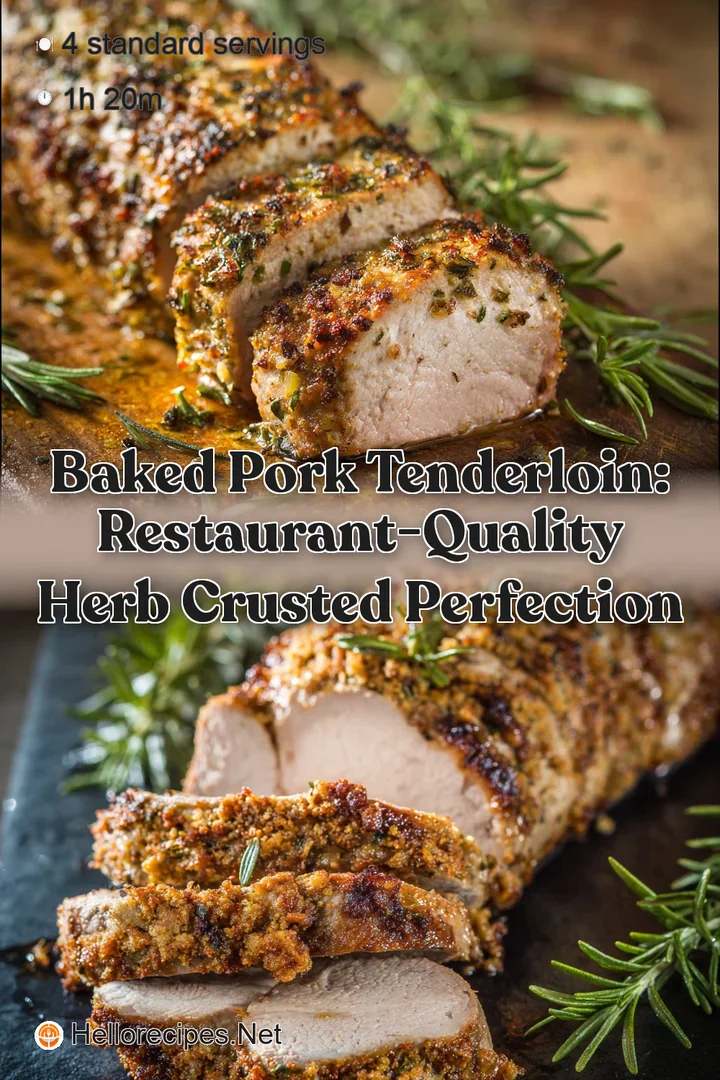
Baked Pork Tenderloin: Herb Crusted Success
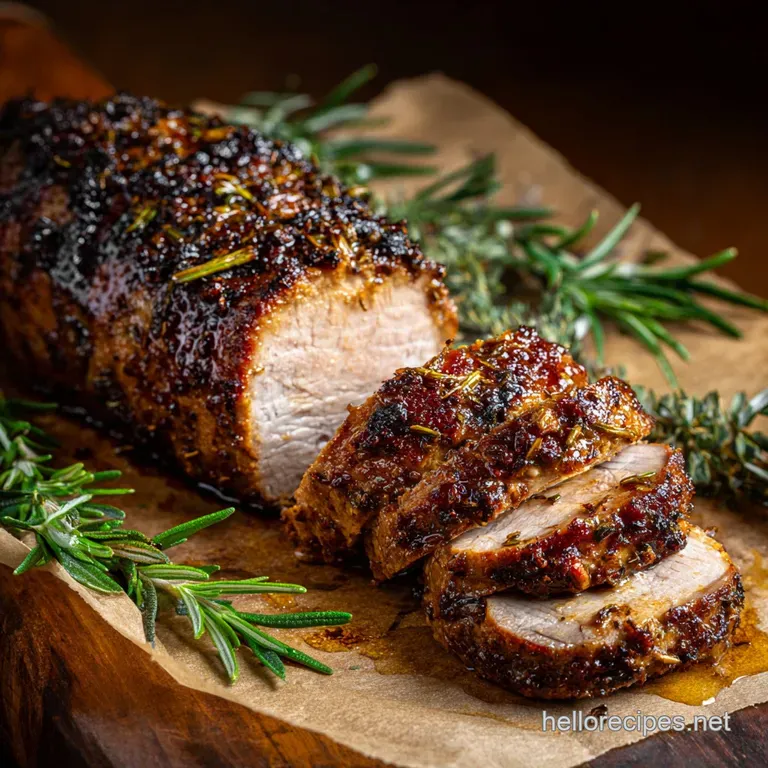
- Sunday Best Pork Tenderloin: The Ultimate Weeknight Roast
- The Science of Succulence: Why Baking Pork Tenderloin Works
- The Perfect Plate: What to Serve Alongside Baked Pork Tenderloin
- Essential Pantry Ingredients for the Rosemary-Mustard Rub
- Master the Method: Step-by-Step Guide to Roasting
- Expert Tips: Achieving Pro-Level Results and Troubleshooting
- Practical Guide: Storing, Reheating, and Repurposing Leftovers
- Recipe FAQs
- 📝 Recipe Card
Sunday Best Pork Tenderloin: The Ultimate Weeknight Roast
The smell that wafts out of the oven when a perfect herb crust hits high heat is pure magic. It’s that deep, nutty, savoury aroma that instantly signals comfort and sophistication, even if you’re just wearing sweatpants.
This recipe guarantees that show stopping crust and, more importantly, a center that is juicy, tender, and begging to be sliced.
Forget everything you’ve heard about dry pork; this cut is your weeknight superhero. It’s leaner than chicken, cooks faster than a whole roast, and is incredibly versatile.
We are going to treat this cut right, ensuring the resulting Baked Pork Tenderloin is moist perfection every time.
I’ve spent years trying to figure out the exact temperature dance needed to nail this without fail. Now I know the secrets, and I’m sharing the definitive method for the easiest, most flavourful Baked Pork Tenderloin you will ever make at home. Let's crack on!
The Science of Succulence: Why Baking Pork Tenderloin Works
The biggest mistake people make with pork tenderloin is treating it like a fatty roast. It’s a very lean muscle, and if you cook it slow and low the whole time, you’ll end up with a dry disaster.
We need a specific over high heat/over low heat method to achieve that beautiful crust while protecting the delicate interior.
The brilliance of this Baked Pork Tenderloin recipe lies in the two-stage cooking method: a brief blast of high heat (425°F/220°C) to set the crust and trigger the Maillard reaction, followed by a lower temperature finish (350°F/175°C) to gently bring the internal temperature up to target.
This simple temperature adjustment stops the outside from scorching while the inside catches up, resulting in a perfectly cooked slice every single time.
The Perfect Plate: What to Serve Alongside Baked Pork Tenderloin
While the simplicity of this Baked Pork Tenderloin makes it a star, it plays exceptionally well with comforting sides. You don't need fussy sauces or complex vegetable preparations when the main event tastes this good.
If I’m feeling lazy but crave maximum carb comfort, I’ll often pair it with something hands off, like my recipe for Crock Pot Baked Potatoes: The Effortless Fluffy Spud Recipe for Dinner . For a faster option, the slight crunch of roasted asparagus or green beans tossed in lemon and sea salt is always a winner. And if I want to feel like a real kitchen wizard, a quick side of Baked Gnocchi: The Ultimate One-Pot Cheesy Casserole goes perfectly with the savory herbs.
What Makes This Pork Tenderloin Recipe So Unique?
It’s all about the crust-to-meat ratio. Since the pork tenderloin is long and thin, it has a huge amount of surface area, which means maximum real estate for flavour. We leverage this by using a high impact, wet and dry rub that adheres beautifully to the surface, creating a protective, flavourful shield during baking.
How to Achieve a Perfectly Succulent Center
The secret to succulence isn't the cooking it’s the resting. We are aiming to pull the Baked Pork Tenderloin from the oven when it hits 140°F (60°C). This is key because that low internal temperature ensures it doesn't dry out.
The subsequent 10 minutes of resting allow the internal temperature to rise just enough (carryover cooking) to hit the safe, juicy zone of 145°F (63°C), leaving the meat relaxed and unbelievably tender.
The Power of the High Impact Mustard and Herb Crust
We use Dijon mustard not just for flavor, but as a critical binder. It's acidic, which subtly tenderizes the surface, and sticky, which ensures that massive amount of salt, sugar, and dried herbs stays exactly where it belongs. The sugar in the rub is tiny but mighty, encouraging deep, dark caramelisation.
This method produces the best Baked Pork Tenderloin crust imaginable.
The Maillard Reaction: Crafting the Crispy Herb Crust
The Maillard reaction is just a fancy term for browning, and it’s where all the magic flavour comes from. By hitting the tenderloin with high heat for the first 10 minutes, we rapidly dry out the surface and encourage the proteins and sugars to caramelize into that gorgeous, deep brown crust.
This step transforms the herbs from dusty seasoning into crispy, fragrant armor around the Baked Pork Tenderloin .
Preventing Dryness: High Heat vs. Lean Meat
Yes, we start with high heat, but we drop the temperature quickly. This prevents the outer layer from becoming leather while the lean meat cooks internally. Unlike a pork shoulder, which benefits from low and slow cooking to render fat and break down connective tissue, the tenderloin has almost no fat to spare.
Our two-stage process is specifically designed to minimize moisture loss, resulting in a perfect Baked Pork Tenderloin in Oven .
Understanding Carryover Cooking (The Crucial Rest Period)
This is the non-negotiable step, seriously. When meat leaves the oven, the heat concentrated at the edges moves toward the cooler center, raising the internal temperature by 5 10 degrees.
If you skip resting your Baked Pork Tenderloin , you will slice into it and all those delicious juices will leak out onto the board, leaving you with dry meat. Always let it rest under loose foil for 10 minutes.
Chef’s Note: Never tent the pork tightly with foil. If you trap the steam, the beautiful crust we just worked hard to achieve will turn soggy. Loose tenting keeps the heat in while allowing moisture to escape.
Essential Pantry Ingredients for the Rosemary Mustard Rub
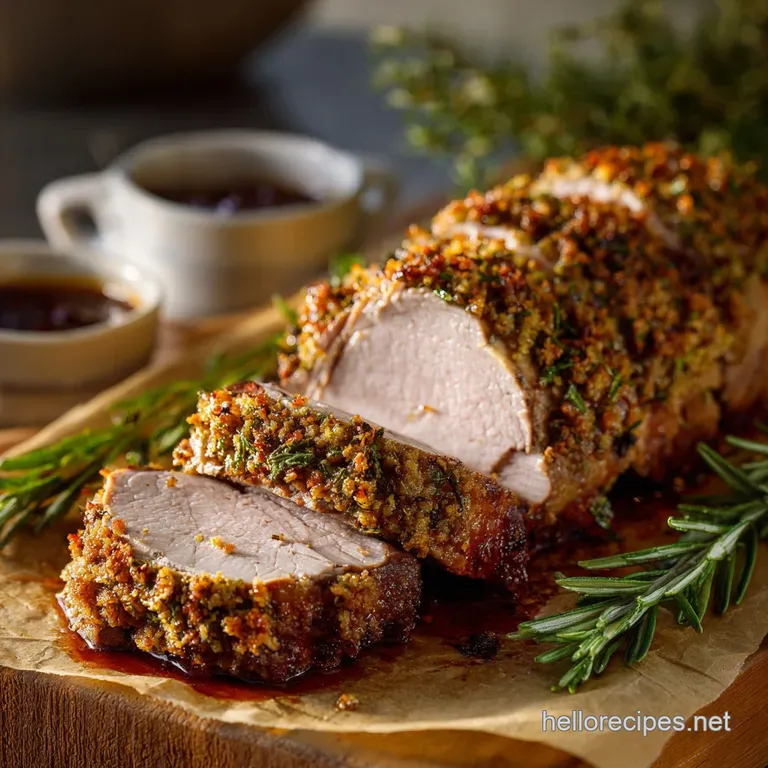
This herb crust is simple, but the combination of salt, brown sugar, and aromatic herbs is critical. It creates that complex, savoury sweet flavor profile that makes this the Best Baked Pork Tenderloin .
Choosing Your Mustard Base: Dijon vs. Stone Ground
Dijon is my preference because it is smooth and tangy, acting as a perfect, invisible glue. However, if you only have stone ground mustard, go for it! Just know the final crust might look a little bumpier, but the flavour will still be fantastic.
The crucial thing is that you need an acidic binder to hold the rub.
| Ingredient | My Preference | Viable Substitute |
|---|---|---|
| Dijon Mustard | Smooth, classic Dijon | Wholegrain Mustard or Spicy Brown Mustard |
| Olive Oil | Extra Virgin | Neutral Oil (Canola or Avocado) |
| Brown Sugar | Packed Light Brown | Coconut Sugar (use slightly less) |
| Kosher Salt | Flaky Sea Salt | Table Salt (use 1/2 the amount) |
Maximizing Herb Flavor: Fresh vs. Dried Rosemary & Thyme
Dried herbs are actually excellent here because they are concentrated and hold up well to the high heat required for the initial searing of the Baked Pork Tenderloin .
If you insist on fresh, you need to use triple the amount (1 tablespoon each of fresh rosemary and thyme), and chop them very finely so they don't burn before the pork is done.
Selecting Quality Seasonings for Maximum Impact
Don’t skimp on quality salt and pepper. Freshly cracked black pepper adds so much more aroma than pre-ground dust, trust me. The smoked paprika is non-negotiable for me it adds a depth and richness that truly elevates this simple Rosemary Pork Tenderloin beyond a typical roast.
Quick Substitutions for Garlic Powder and Paprika
No garlic powder? If you must, use one clove of finely minced fresh garlic, but be warned: fresh garlic can scorch easily under high heat. If you go this route, only rub the garlic on right before it goes into the oven.
As for the smoked paprika, if you only have regular paprika, that's fine, but you'll miss that smoky dimension that makes this Baked Pork Tenderloin so complex.
Master the Method: step-by-step Guide to Roasting
Prepping the Cut: Trimming the Silverskin (The First Crucial Step)
The silver skin is that silvery, thin membrane running down the side of the tenderloin. It’s tough, won't dissolve, and will cause the pork to curl awkwardly as it shrinks in the heat.
To remove it, slide a sharp knife slightly underneath the membrane at one end, lift it up with your free hand, and guide the knife along, almost sawing through the silver skin while trying to avoid taking too much actual meat.
This step is vital for a beautifully cooked Easy Baked Pork Tenderloin .
Applying the Crust: Tips for Even Coverage
After you've mixed the Dijon and oil and brushed it on, mix all your dry rub ingredients in a small bowl. Use your hands to scoop up the rub and firmly pat it onto the tenderloin, covering all sides completely. Don't sprinkle gently; we are building a thick crust.
Once coated, place the whole thing on a wire rack this is key for air circulation.
Setting the Oven Temperature for the Best Bake
Remember the dual temperature setting. Preheat your oven to a blazing 425°F (220° C) . This is the temperature where we start the pork. Once the pork is in for exactly 10 minutes, immediately reduce the temperature to 350°F (175° C) without opening the door.
This little temperature drop guarantees a tender interior on your Baked Pork Tenderloin Time and Temp journey.
Achieving the Perfect Internal Temperature (140°F 145°F)
The total cooking time will be around 20- 25 minutes, depending on the thickness of your specific tenderloin. Start checking the temperature around the 18 minute mark.
Use a digital instant read thermometer inserted into the thickest part of the meat, avoiding any bone (though tenderloin is boneless). Remove the Baked Pork Tenderloin when the thermometer reads 140°F (60° C) .
Expert Tips: Achieving Pro-Level Results and Troubleshooting
If you want your Sunday Pork Roast Recipe to rival a restaurant dish, a few small adjustments make a huge difference. These are the things I learned the hard way (usually by cutting into a roast too soon).
Mistake Alert: Why Overcrowding the Pan Leads to Steaming
If you try to squeeze side vegetables like potatoes or carrots onto the same pan as the Baked Pork Tenderloin while it's roasting, you run the risk of crowding the meat. Crowding traps moisture released by the pork and the veggies, turning your beautiful, crisp crust soggy. Cook your sides separately. If you want crispy potatoes, try my Air Fryer Baked Potatoes: Crispy Skin in Under an Hour instead!
What to Do If the Crust Browns Too Quickly
Sometimes, especially if you used extra sugar in the rub or your oven runs hot, the crust might look perfectly browned (or even dark brown) before the internal temperature is reached. Don't panic!
Simply pull the tenderloin out, cover the top loosely with a small piece of aluminum foil, and return it to the oven until it hits 140°F (60°C). This shielding prevents burning while the inside finishes cooking.
The Importance of Temperature Calibration: Doneness Without Guessing
I cannot stress this enough: you must use a reliable instant read thermometer when cooking this lean cut. Since the safe minimum temperature for pork is 145°F (63°C), and we are relying on carryover cooking, guessing will lead to either raw or rubbery meat.
A good thermometer is the single best investment you can make for perfect Baked Pork Tenderloin results.
Practical Guide: Storing, Reheating, and Repurposing Leftovers
This recipe for Herb Crusted Pork Tenderloin is fantastic warm, but the cold slices are also absolutely delicious for meal prep. Don’t let a single gram go to waste!
Safe Storage Lifespan for Cooked Pork Tenderloin
Once the Best Baked Pork Tenderloin has cooled completely, slice the remaining meat and transfer it to an airtight container. It will keep safely in the refrigerator for 3 to 4 days.
If you need it to last longer, you can freeze it, but freezing often slightly alters the texture of such a lean meat.
Best Methods for Reheating Without Losing Moisture
Reheating lean meat is tricky because the muscle fibres tighten up when heat is applied rapidly. My favorite way to reheat slices of Baked Pork Tenderloin is gently, in a covered skillet with a tablespoon of broth or water over medium low heat.
This steams the pork gently and helps restore moisture, preventing that rubbery texture you often get from the microwave.
Creative Ways to Use Cold Slices (Beyond Sandwiches)
While a leftover pork sandwich is a classic, try slicing the cold pork thinly and tossing it into a vibrant, crunchy salad with an Asian inspired dressing. Or, if you’re looking for a quick dinner fix, dice the leftovers and toss them into my famous Pork Fried Rice: Restaurant Quality, Non-Greasy, over High heat Recipe . It adds a serious flavor boost and is a great way to enjoy this delicious Baked Pork Tenderloin again. No matter how you use it, this easy and reliable Baked Pork Tenderloin recipe will be a permanent fixture in your weekly rotation.
Recipe FAQs
How long should I cook pork tenderloin in the oven at 400°F (200°C)?
A typical 1 to 1.5 lb pork tenderloin takes about 20-25 minutes to cook at 400°F, depending slightly on your oven calibration and the thickness of the meat. Always rely on an instant read thermometer, aiming for an internal temperature of 145°F (63°C) measured in the thickest part.
After removal, ensure you let the pork rest for 5-10 minutes to allow the internal temperature to coast up and redistribute the juices for maximum tenderness.
Why did my baked pork tenderloin turn out dry?
Dryness is almost always caused by overcooking, as pork tenderloin is an extremely lean cut that lacks protective marbling. To prevent this, remove the pork immediately when your thermometer registers 140 143°F (60-62°C), knowing that the temperature will rise during the mandatory resting period.
Additionally, make sure to carve the meat thinly and always against the grain to ensure a succulent bite.
Should I marinate the pork tenderloin before applying the herb crust?
Marinating is optional for flavor enhancement but is not essential for moisture retention when using this high heat roasting method. If you choose to marinate, allow the tenderloin to soak for at least 30 minutes, but be sure to pat the surface completely dry before applying the herb and mustard crust.
A dry surface is critical for developing a crisp, caramelized exterior.
Can I wrap the pork tenderloin in foil before baking?
While wrapping in foil ensures moisture, it results in a steamed environment and prevents the crucial formation of the delicious herb crust. For this recipe, we recommend cooking directly on a wire rack placed over a baking sheet to allow even heat circulation and crisping the exterior.
Foil is generally best reserved for slow, low-temperature cooking methods.
Do I need to sear the pork tenderloin before putting it in the oven?
Searing (browning the meat quickly in a hot skillet) is highly recommended, as it adds a deep layer of flavor complexity and instantly sets the herb crust before roasting. If you must skip the searing step, increase your oven temperature slightly (to about 425°F) for the first five minutes of roasting to compensate and quickly brown the crust, then reduce it back to 400°F.
How should I store and reheat leftover baked pork tenderloin?
Store leftovers tightly sealed in an airtight container in the refrigerator for up to three days. To reheat without drying the meat, slice the pork thinly and warm the slices gently in a skillet with a splash of broth or butter.
Alternatively, you can wrap the slices in foil and reheat them briefly in a low 300°F (150°C) oven.
Herb Crusted Pork Tenderloin
Ingredients:
Instructions:
Nutrition Facts:
| Calories | 551 kcal |
|---|---|
| Protein | 28.4 g |
| Fat | 45.1 g |
| Carbs | 9.4 g |
