Gluten Free Cannoli: Shatter Crisp Shells
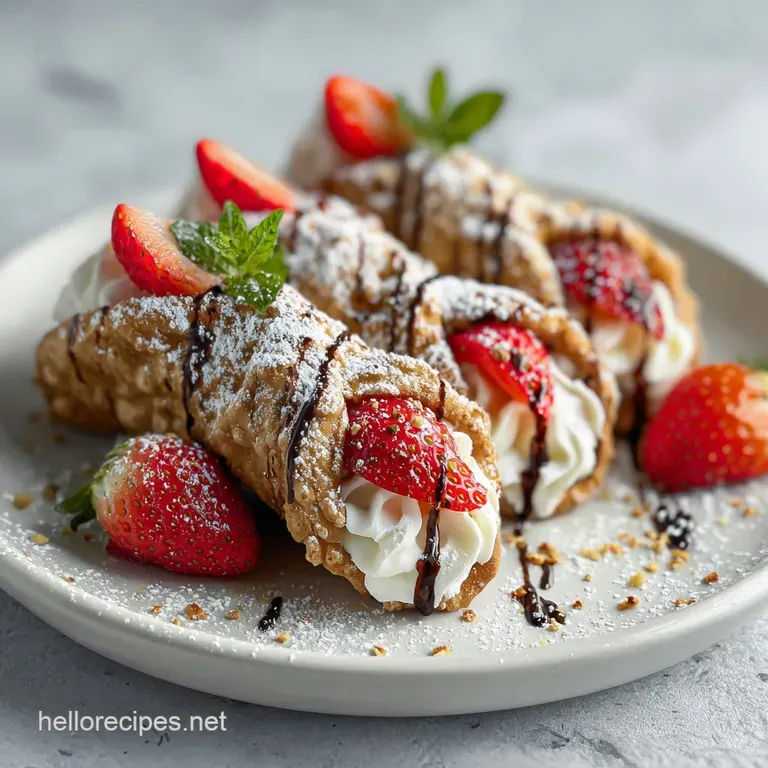
- Time: Active 30 minutes, Passive 20 minutes, Total 50 minutes
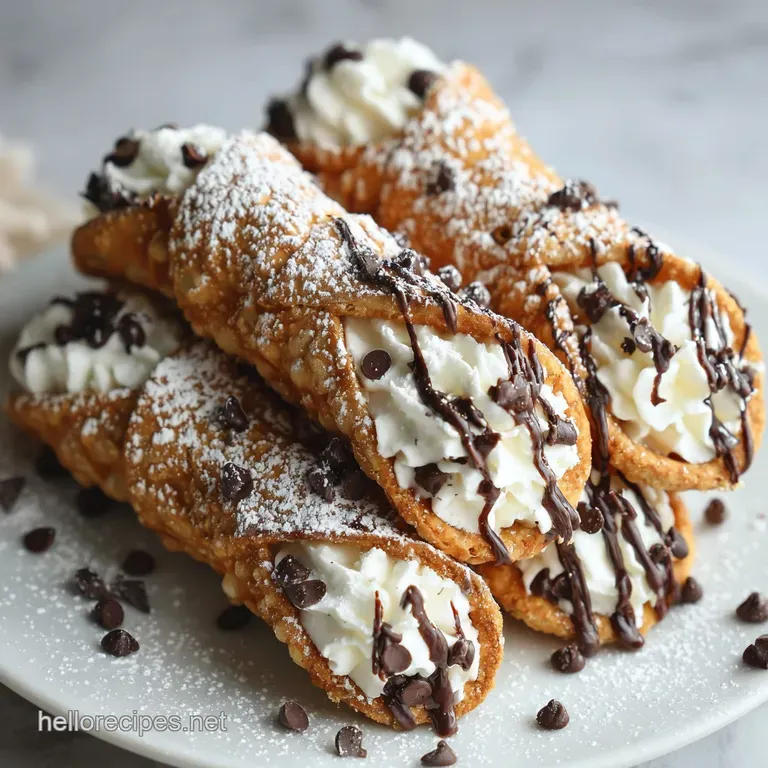
- Flavor/Texture Hook: Shatter crisp shell with a velvety, citrus scented core
- Perfect for: Gluten Free Holiday Baking or high end dinner parties
- Mastering the Shatteringly Crisp Gluten Free Cannoli
- Why This Crust Works
- Essential Ingredients and Component Analysis
- The Essential Flavor Components
- Crucial Gear for Success
- Steps to Golden Perfection
- Common Pitfalls and Fixes
- Dietary and Flavor Adjustments
- Storage and Waste Reduction
- Perfect Pairings for Dessert
- Recipe FAQs
- 📝 Recipe Card
Mastering the Shatteringly Crisp gluten-free Cannoli
The hiss of cold dough hitting hot oil is one of the most satisfying sounds in my kitchen. For years, I avoided making this Italian staple because I thought a gluten-free version would either be a crumbly mess or a leaden weight. I was wrong.
By looking at the gastronomy behind the shell, I realized we can use technology and simple chemistry to create something that honestly rivals anything from a Sicilian bakery.
We aren't just making a cookie; we are creating a structural vessel designed to hold moisture without losing its snap. The secret lies in the hydration of the flour blend and the rapid evaporation of alcohol during the frying process.
It took me three failed batches - including one where the shells turned into greasy puddles - to find the exact ratio of dry white wine to cold butter.
I’m sharing the specific checkpoints that finally worked for me. You’ll learn how to manipulate the starches in your 250g of gluten-free flour to ensure the shells blister beautifully.
This isn't just about following a list; it’s about understanding how these layers of flavor and texture interact to produce a result that feels truly innovative.
Why This Crust Works
- Alcohol Evaporation: The 80ml of dry white wine lowers the boiling point of the liquid in the dough, causing it to flash off instantly in the oil, which creates the signature bubbles.
- Lipid Shortening: Using 30g of cold unsalted butter coats the flour particles, inhibiting excessive moisture absorption and ensuring a flaky, rather than chewy, bite.
- Protein Denaturation: The addition of a single large egg provides the necessary protein structure to bind the starch without the need for gluten.
- Starch Gelatinization: High frying heat (175°C) sets the starches in the 250g flour blend instantly, locking in the hollow shape before the shell can collapse.
| Method | Time | Texture | Best For |
|---|---|---|---|
| Pasta Roller | 10 minutes | Ultra thin, glass like snap | Professional presentation |
| Hand Rolled | 15 minutes | Rustic, slightly thicker crunch | Quick home preparation |
| Cold Pressed | 12 minutes | Dense and very sturdy | Shipping or gifting |
Choosing your rolling method changes the final mouthfeel significantly. I personally prefer the pasta roller for that professional, translucent thinness that shatters the moment your teeth meet the shell.
If you are just starting out, the hand rolled method is more forgiving and results in a hearty, satisfying crunch that stands up well to a rich filling.
Essential Ingredients and Component Analysis
| Ingredient | Science Role | Pro Secret |
|---|---|---|
| GF Flour (250g) | Structural base | Use a blend with xanthan gum for elasticity. |
| White Wine (80ml) | Acidic tenderizer | Choose a dry Marsala to deepen the color. |
| Ricotta (450g) | Moisture reservoir | Strain for 24 hours to prevent a soggy shell. |
| Egg (1 Large) | Emulsifying binder | Brush on edges to act as a culinary "glue." |
To get the most out of your components, let’s talk about sourcing. I always look for sustainable, grass fed dairy for my 450g of whole milk ricotta because the fat content is more stable.
This stability is crucial when you're folding in 120g of powdered sugar; lower quality ricotta often "weeps," which will ruin the crispness of your shells.
The Essential Flavor Components
Right then, let's look at what you'll need. For the shell dough, we have: 250g gluten-free All Purpose Flour Blend (with xanthan gum) Why this? Provides the structural foundation without the density of single origin flours. 30g Granulated sugar Why this? Promotes browning through the Maillard reaction. 0.5 tsp Ground cinnamon Why this? Adds an aromatic warmth that cuts through the fat. 0.25 tsp Salt Why this? Sharpens the sweetness of the filling. 30g Cold unsalted butter Why this? Creates micro pockets of steam for a flaky texture. 80ml Dry white wine (Marsala or Sherry) Why this? The acidity relaxes the dough for easier rolling. 1 Large egg Why this? Necessary for both dough binding and sealing the shells. 500ml Neutral oil for frying Why this? High smoke point ensures even cooking without flavor transfer.
For the ricotta filling, gather these: 450g Whole milk ricotta cheese (strained overnight) Why this? Eliminating whey prevents the filling from becoming runny. 120g Powdered sugar, sifted Why this? Dissolves instantly for a silky mouthfeel. 0.5 tsp Pure
vanilla extract Why this? Rounds out the dairy notes with floral sweetness. 0.25 tsp Grated orange zest Why this? High frequency citrus notes brighten the heavy creaminess. 60g Mini semi sweet chocolate chips Why this? Provides a
textural contrast to the velvety ricotta.
Crucial Gear for Success
You cannot wing this recipe without a few specific tools. You'll need cannoli molds (stainless steel cylinders), a 10cm round cutter, and a heavy bottomed pot for frying. I recommend using a digital thermometer to track your oil; keeping it at exactly 175°C is the difference between a golden shell and a burnt one.
A piping bag fitted with a wide star tip is also non negotiable for the ricotta. Trying to spoon the filling into the shells is a messy endeavor that often breaks the delicate crust.
If you're looking for more ways to use your gluten-free toolkit, this dough technique reminds me of the precision needed for a gluten-free Flour recipe.
Steps to Golden Perfection
- Sift the 250g flour, 30g sugar, cinnamon, and salt into a large bowl. Note: This ensures no clumps remain in the dry base.
- Rub the 30g cold butter into the flour using your fingertips until it looks like coarse sand.
- Mix in the 80ml wine and half of the beaten egg. Note: Save the other half of the egg for sealing.
- Knead the dough for 5 minutes until it feels smooth and elastic.
- Rest the dough in plastic wrap for 20 minutes at room temperature. Note: This allows the starches to hydrate fully.
- Roll the dough to 2mm thickness and cut 10cm circles. You should see light through the dough.
- Wrap each circle around a mold, brushing the edge with the remaining egg and pressing firmly to seal.
- Fry the shells in 175°C oil for 2 minutes until golden and covered in blisters.
- Drain on paper towels and slide the molds out while still warm. Handle with care as they are fragile.
- Whip the 450g ricotta with 120g sugar, vanilla, and zest until velvety peaks form.
- Fold in the 60g chocolate chips and pipe into the cooled shells. Only fill right before serving.
Common Pitfalls and Fixes
Why Your Shells Unravel
If your shells are popping open the second they hit the oil, the culprit is almost always the seal. gluten-free dough doesn't have the natural "stick" of wheat dough. You must use the egg wash sparingly but effectively, and you need to press that seam like you mean it.
Avoiding Grainy Filling
A grainy filling usually happens when the powdered sugar hasn't fully integrated or the ricotta wasn't strained enough. I always sift my 120g of powdered sugar. If it's still grainy, use a food processor to blitz the ricotta for 30 seconds before adding the sugar; this breaks down the curds into a smoother emulsion.
| Problem | Root Cause | Solution |
|---|---|---|
| Soggy Shells | Filling added too early | Pipe just before eating |
| No Blisters | Oil temperature too low | Maintain exactly 175°C |
| Tough Dough | Over kneading or lack of fat | Ensure butter stays cold during mixing |
Common Mistakes Checklist
- ✓ Never skip straining the ricotta; it needs at least 12 hours.
- ✓ Pat the dough circles dry if they feel tacky before frying.
- ✓ Don't overcrowd the frying pot - fry 2-3 shells at a time.
- ✓ Let the shells cool completely before piping to prevent melting the fat.
- ✓ Use a neutral oil; olive oil will overwhelm the delicate orange zest.
Dietary and Flavor Adjustments
If you need to make this a dairy-free experience, you can swap the butter for a high-quality vegan block and use a cashew based ricotta alternative. The science remains the same: you need a high fat content to provide that creamy contrast.
If you want a more casual approach, consider a gluten-free Cannoli Dip Recipe by breaking the fried shells into chips and serving the filling in a bowl.
For those looking to scale this down for a small gathering, you can easily halve the recipe. Use a small egg and only use half of the beaten mixture for the dough and the seal. When scaling up for gluten-free Thanksgiving Recipes, keep your spices at 1.5x the original amount to avoid an overpowering cinnamon flavor.
| Premium Ingredient | Budget Alternative | Flavor Impact |
|---|---|---|
| Sheep's Milk Ricotta | Cow's Milk Ricotta | Slightly less tangy |
| Marsala Wine | White Grape Juice + Vinegar | Less depth, more tart |
| Hand Zested Orange | Dried Orange Peel | Milder citrus aroma |
Storage and Waste Reduction
These shells are best enjoyed within an hour of filling. However, unfilled shells can be stored in an airtight container at room temperature for up to 5 days. I don't recommend freezing the filled cannoli as the ricotta will separate and turn the shell into mush.
You can, however, freeze the unfilled shells for up to 2 months; just crisp them in a 150°C oven for 3 minutes after thawing.
Don't throw away the dough scraps! I like to fry the odd shaped leftover pieces and toss them in cinnamon sugar for a quick "chef's snack." If you have leftover filling, it makes an incredible topping for pancakes or a base for a sweet dessert taco. For a savory twist on leftovers, check out my Sunday Meatloaf with recipe to balance the sweetness of your dessert night.
Perfect Pairings for Dessert
A classic cannoli demands a strong companion. I usually serve these with a shot of espresso or a glass of chilled Vin Santo. The bitterness of the coffee cuts right through the 15.2g of sugar per serving, highlighting the orange zest.
- For Texture Contrast: Serve alongside fresh tart berries like raspberries.
- For a Full Spread: Pair with other Italian classics to create a festive dessert board.
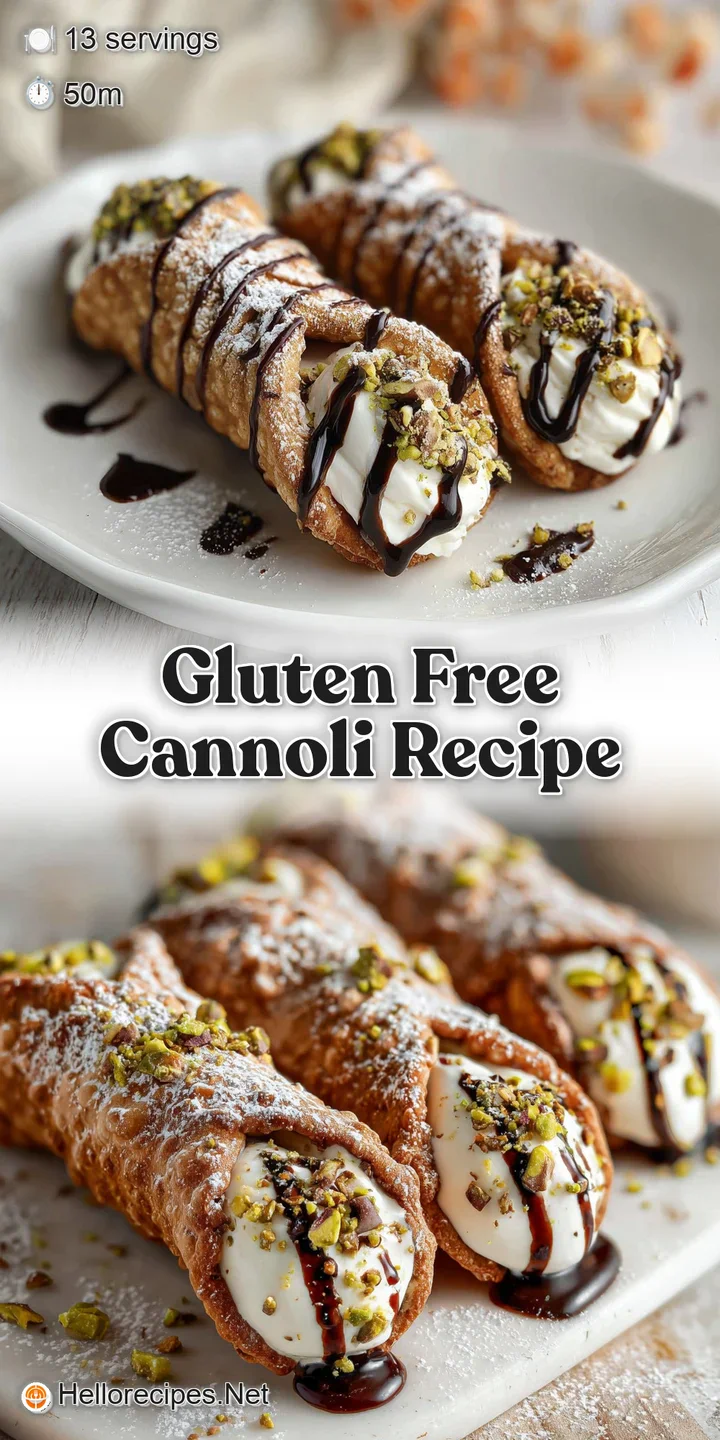
- If you want a softer bite: Dip the ends in crushed pistachios instead of chocolate chips.
There's a common myth that you need "special" flour for these. The truth is, any high-quality blend with xanthan gum works if you manage your hydration. Another myth is that the wine is just for flavor; it’s actually a structural tool.
Without that acidity, the dough wouldn't have the "give" needed to roll it thin enough to see through. Trust the process, watch your oil temp, and you'll have shells that shatter perfectly every time.
Recipe FAQs
Can you make cannoli gluten-free?
Yes, absolutely. With the right gluten-free flour blend and techniques, you can achieve perfectly crisp shells that rival traditional ones.
Can you buy gluten-free cannoli shells?
Yes, some specialty stores and online retailers offer them. However, making them at home ensures freshness and allows you to control the texture.
What can you substitute for ricotta in cannoli filling?
For a dairy-free option, strained cashew cream or coconut cream works well. These alternatives can provide a similar creamy texture, though they will impart their own subtle flavors.
What's the difference between a cannoli and a Sicilian cannoli?
A Sicilian cannoli is the traditional version, typically made with a slightly sweeter, richer dough and often flavored with Marsala wine. The term "cannoli" generally refers to the same pastry, with variations appearing in different regions of Italy.
Why are my gluten-free cannoli shells not blistering?
This is often due to oil temperature being too low. For optimal blistering, your frying oil must consistently be at 175°C to ensure rapid evaporation and bubble formation.
How do I prevent my gluten-free cannoli shells from becoming soggy?
Fill them just before serving. The moisture from the ricotta filling will soften the shells over time, so piping the filling at the last minute is key to maintaining crispness.
What is the role of wine in gluten-free cannoli dough?
The alcohol in the wine evaporates quickly during frying, creating steam pockets that contribute to the shell's crispiness and characteristic bubbles. It also adds a subtle tenderizing effect to the dough.
gluten-free Cannoli
Ingredients:
Instructions:
Nutrition Facts:
| Calories | 259 kcal |
|---|---|
| Protein | 5.3 g |
| Fat | 12.3 g |
| Carbs | 30.8 g |
| Fiber | 1.4 g |
| Sugar | 15.2 g |
| Sodium | 145 mg |
