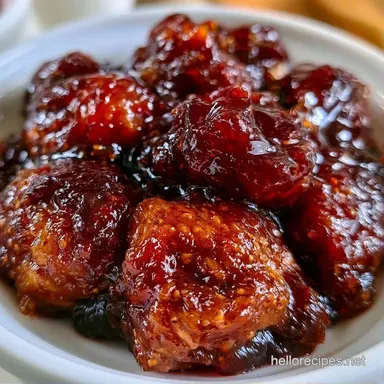
Old Fashioned Fig Jam Recipe with Cinnamon
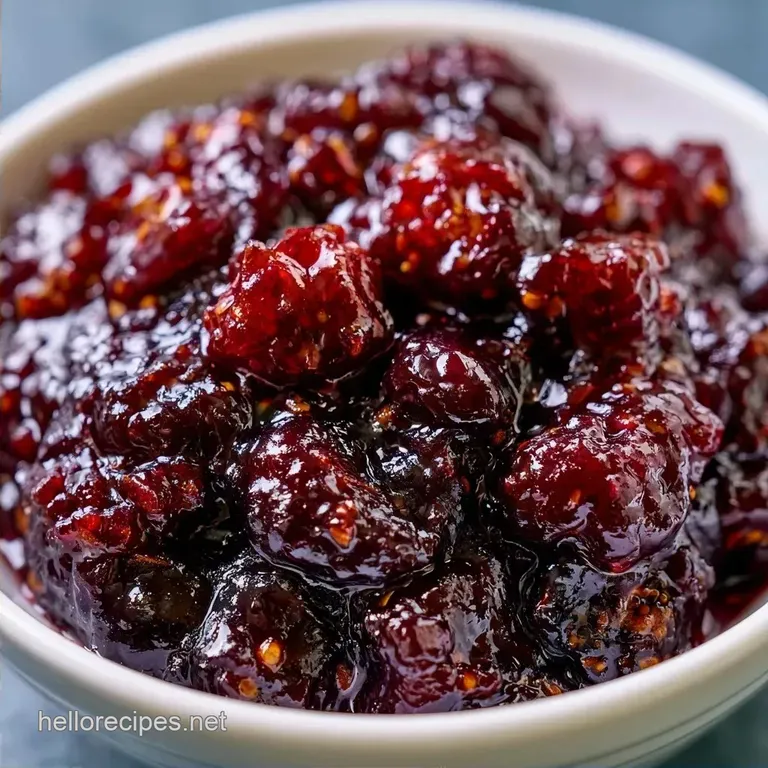
- Time: 15 min active + 30 min macerating + 20 min cooking
- Flavor/Texture Hook: Rich mahogany hue with a jammy, seed-filled crunch
- Perfect for: Cheese boards, autumn breakfasts, or holiday gifts
Have you noticed how commercial jams often resemble sugary syrup, whereas the finest homemade spreads taste like a concentrated slice of nature? The difference usually lies in how the fruit is handled before it ever reaches the stove.
I used to simply combine everything and boil, but that often resulted in figs that tasted "cooked" instead of "preserved."
I found that a little patience makes all the difference. Letting the figs steep in sugar encourages them to release a natural syrup, which helps the cinnamon and salt permeate the fruit. This shifts the character of the jam from a basic sweet condiment to a sophisticated spread you'd find in an upscale cafe.
This Fig Jam Recipe with Cinnamon doesn't involve a grueling day of canning. You achieve that intense, concentrated taste in roughly an hour. It’s a plant based method for bottling the essence of late summer, and the aroma of warming cinnamon is enough to make any home feel instantly cozy.
What the Maceration Process Does
Osmosis at Work: Letting the figs sit in sugar pulls the water out of the fruit cells. This creates a natural syrup that prevents the figs from scorching when they hit the heat.
Acid Balance: The lemon juice reacts with the natural pectin in the figs to create a stable bond. This is what gives the jam its body so it doesn't just run off your toast.
Recipe Specs
Before we start, it's helpful to see how the "quick" method compares to the "classic" long boil approach. Most traditional recipes take hours to reduce, but we're focusing on efficiency here.
| Method | Cook Time | Texture | Flavor Profile |
|---|---|---|---|
| Fast Set | 20 minutes | Brighter, fruitier | Fresh and vibrant |
| Classic | 1-2 hours | Deeply caramelized | Heavy and syrupy |
The Ingredient Breakdown
I've found that using fresh lemon zest makes a huge difference. It adds a high note that cuts through the heavy sweetness of the figs. If you're curious about the nutritional makeup of your produce, the USDA FoodData Central is a great place to check how different fig varieties compare.
| Component | Purpose | Substitute Notes |
|---|---|---|
| Fresh Figs | Base body and flavor | Dried figs: Soak in warm water first, but texture will be denser |
| Granulated Sugar | Preservation and set | Honey: Use 1:1 ratio; result will be softer and more floral |
| Cinnamon | Warm aromatic note | Nutmeg or Allspice: Use 1/2 tsp for a different spiced vibe |
| Lemon Juice | Pectin activation | Apple Cider Vinegar: Adds a tangier, fermented edge |
For the Fruit Base
I always use Black Mission or Brown Turkey figs for this. They have that deep color and a honey like sweetness that pairs perfectly with cinnamon.
For the Setting Agent
Don't skip the lemon. Without that hit of acidity, you're just making fig syrup, not jam. The zest provides the aromatic oil that makes the jam smell like a professional bakery.
Ingredients & Substitutes
- 2 lbs fresh figs, stems removed and quartered Why this? Provides the essential pectin and texture.
- 1 1/2 cups granulated sugar Why this? Balances the acidity and preserves the fruit.
- 1 tsp ground cinnamon Why this? Adds warmth and depth.
- 1/4 tsp sea salt Why this? Sharpens the sweetness.
- 3 tbsp fresh lemon juice Why this? Helps the jam set properly.
- 1 tsp lemon zest Why this? Brightens the overall aroma.
Tools for the Job
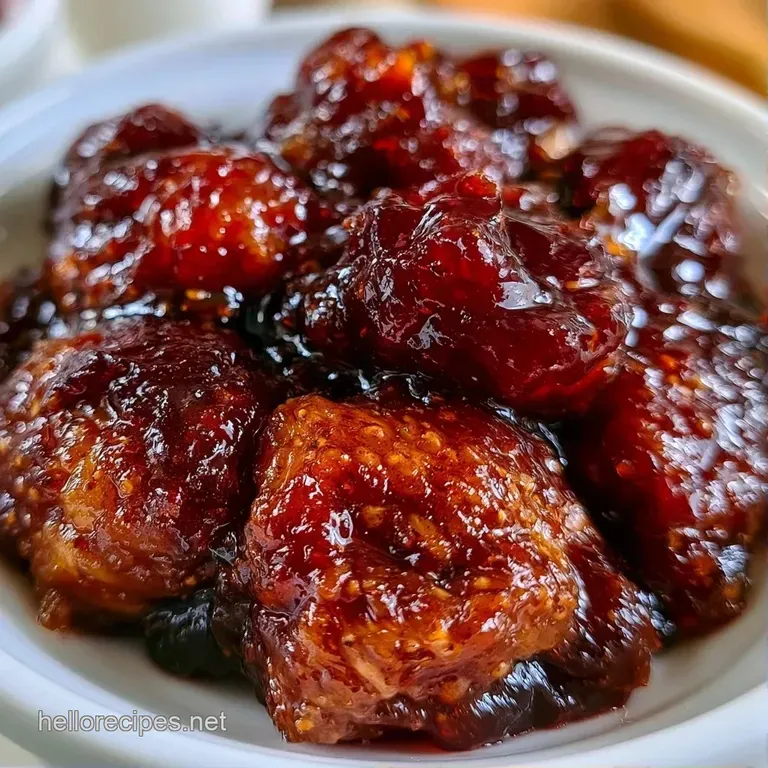
A heavy bottomed pot is essential for this process. Using a thin pot can lead to hot spots that scorch the sugar, leaving you with a bitter flavor.
- Heavy bottomed pot (stainless steel or enameled cast iron)
- Silicone spatula or wooden spoon
- Small plate (kept in the freezer for the set test)
- Sterilized 1/2 pint jars
Step by step Cooking
Keep a close eye on the color; you are aiming for a shift from a bright, fruity red to a rich mahogany brown.
1. The Cold Infusion
In your pot, combine the quartered figs, sugar, cinnamon, and salt. Stir lightly to avoid crushing the fruit. Cover the pot and leave it on the counter for 30 minutes. Listen for the sugar to dissolve as the figs release their juices, creating a thick, aromatic pool at the bottom.
2. Adding the Brightness
Set the pot over medium heat. Stir in the lemon zest and fresh lemon juice. You will notice the aroma transform from simple sweetness to a more vibrant, citrusy scent.
3. The First Boil
Bring the mixture to a gentle boil. Once the bubbles become larger and move more slowly, lower the heat to medium low.
4. The Slow Simmer
Simmer the jam for about 20 minutes. Stir occasionally with a spatula, scraping the bottom to ensure nothing sticks. Wait until the color is a deep, dark mahogany and the liquid has thickened considerably.
5. The Plate Test
Place a small dollop of jam onto a frozen plate and wait 30 seconds. Gently push the edge of the jam with your finger. If the surface wrinkles, it is finished. If it simply slides, simmer for another 5 minutes and test again.
6. Jarring
Remove the pot from the heat. Carefully spoon the jam into sterilized jars, leaving roughly a quarter inch of headspace at the top.
Chef's Note: If you prefer a smoother consistency, you can pulse the mixture in a food processor for 2 seconds after it cools, though I prefer the rustic, chunky feel of the quartered figs.
Solving Common Jam Problems
Jam can be temperamental. Sometimes the fruit is too watery, or the heat is too high, leading to a few common hiccups.
Fixing Runny Jam
This usually happens if the figs were very ripe or the simmer time was too short. The pectin hasn't fully bonded. Put it back on the heat for 5-10 minutes.
Addressing Bitter Tastes
Bitterness usually comes from scorched sugar at the bottom of the pot. If you see dark brown streaks that look like burnt sugar, you might have had the heat too high.
Solving Cloudy Color
Cloudiness often happens if the jam is stirred too aggressively, breaking down the fruit into a mush. A gentle fold with a spatula keeps the jam glossy and clear.
| Problem | Fix |
|---|---|
| Jam won't set | Simmer 5 more mins; add 1 tsp lemon juice |
| Too sweet | Stir in a pinch more sea salt or extra zest |
| Burnt bottom | Strain out the burnt bits and simmer on lower heat |
Flavor Twists and Swaps
After mastering this cinnamon infused fig jam, feel free to customize the taste. I often use this version as a foundation for my own culinary trials.
Four Flavor Variations
- The Boozy Version: Mix in 1 tbsp of brandy or dark rum immediately after removing from heat.
- The Warm Spice: Swap the cinnamon for cloves and cardamom to achieve a richer, seasonal aroma.
- The Zesty Twist: For a more floral and sweet scent, substitute orange zest for the lemon.
- The Savory Edge: Incorporate a pinch of cracked black pepper; it's wonderful when served with goat cheese.
Dietary Alternatives
If you prefer to avoid refined sugar, coconut sugar is a great substitute, although it will deepen the jam's color and introduce a hint of caramel. For a dessert idea, this jam tastes amazing alongside a homemade caramel recipe poured over a tart.
- To get a firmer set
- refrigerate for 2 hours rather than 30 minutes.
- To achieve a chunkier texture
- cut the figs into larger quarters.
- To ensure a brighter flavor
- stir in the lemon zest at the final stage.
Keeping Your Jam Fresh
Because this isn't a full water bath canning recipe, this jam should be kept refrigerated.
Keep your jam in airtight jars in the fridge for up to 3 weeks. Any excess can be stored in small plastic containers in the freezer for up to 6 months. For the best results, let it defrost in the refrigerator overnight.
To minimize waste, don't throw away the fig stems. While I typically compost mine, you can simmer them in water with a cinnamon stick to create a light, fruity syrup for pancakes. For another great way to use fresh produce, pair this jam with a homemade zucchini bread as part of a brunch spread.
Best Ways to Serve
This jam is useful for more than just toast. The addition of cinnamon provides a warm quality that suits both savory and sweet pairings.
For a Charcuterie Board
Spoon a generous amount of this jam onto a cracker, top it with a piece of sharp Manchego or some creamy goat cheese, and finish with a toasted walnut. The saltiness of the cheese perfectly balances the honeyed fig notes.
Elevate Your Breakfast
Rather than using it as a spread, fold one tablespoon of jam into plain Greek yogurt. Mix in fresh berries and granola for a bright start to your morning. It also makes an excellent filling for homemade thumbprint cookies.
Recipe FAQs
What spices pair well with fig jam?
Cinnamon and salt are the primary flavor enhancers here. These warm notes balance the natural honey like sweetness of the fruit.
Exactly how much cinnamon is needed?
Use 1 teaspoon. This amount provides a subtle warmth without overpowering the delicate taste of the fresh figs.
Do you peel figs for jam?
No, keep the skins on. The skins provide structure and deep color as the jam simmers to a mahogany hue.
Is it true that pectin is required for fig jam to set?
Not true. Figs contain enough natural pectin to thicken on their own when simmered with lemon juice.
How to check if the jam has reached the setting point?
Perform the Plate Test. Drop a small dollop onto a frozen plate for 30 seconds, then push it with your finger; if the surface wrinkles, it is done.
Can I use dried figs instead of fresh?
Stick to fresh figs. Dried fruit alters the texture and sugar balance, meaning the simmer time and consistency will not be the same.
Which breads are best for serving?
Choose a crusty loaf. This jam pairs beautifully with sourdough bread for a sweet and salty contrast.
Fig Jam With Cinnamon