Easy Daniel Fast Recipe with Roasted Vegetables
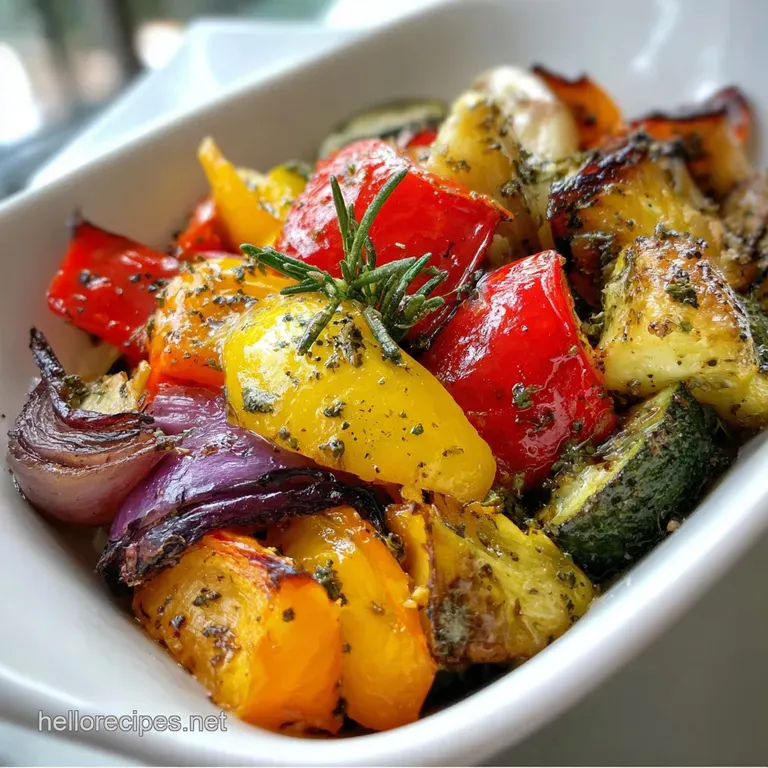
- Time: Active 15 minutes, Passive 35 minutes, Total 50 minutes
- Flavor/Texture Hook: Nut brown caramelization and shatter crisp potato skins
- Perfect for: Sustainable meal prep and 21 Day Daniel Fast adherence
- Easy Daniel Fast Recipe with Roasted Vegetables
- Why These Roasted Vegetables Work
- Crucial Specifications for Roasting Success
- Selecting Nutrient Dense Sustainable Ingredients
- Essential Tools for Even Roasting
- Simple Steps for Savory Vegetables
- Fixing Common Roasting Texture Issues
- Customizing Your Roasted Vegetable Medley
- Optimal Storage and Sustainable Scrap
- Vibrant Pairings for Your Meal
- Troubleshooting Your Daniel Fast Roast
- Recipe FAQs
- 📝 Recipe Card
Easy Daniel Fast Recipe with Roasted Vegetables
The scent of rosemary hitting hot oil is one of those culinary signals that instantly wakes up the senses. It’s a sharp, woody aroma that promises a meal with real depth, even when you're sticking to the strict guidelines of a fast.
This easy Daniel Fast recipe with roasted vegetables offers a flavorful and compliant meal that doesn't feel like a sacrifice. I’ve found that the secret isn't just in the ingredients, but in how we use heat technology to change their molecular structure.
When I first started experimenting with Daniel Fast vegetable recipes, I made the mistake of crowding the pan, which turned my dinner into a soggy pile of steamed roots. It was a lesson in thermodynamics that I won't forget.
Now, I focus on the geometry of the cut and the airflow in the oven to ensure every piece of bell pepper and potato gets that sought after sizzle. We are looking for that specific point where the natural sugars in the carrots start to darken without burning.
We aren't just "cooking" here; we are performing a series of rapid dehydrations and chemical transformations. By the time the timer dings, your kitchen will smell like a high end bistro rather than a restrictive diet.
You'll see the potatoes have developed a golden, almost glassy crust, while the onions have softened into translucent, sweet ribbons. It’s an innovative way to approach plant based eating that prioritizes the gastronomy of the vegetable itself.
Why These Roasted Vegetables Work
The Science of Why it Works
Maillard Reaction: Dry heat triggers a chemical reaction between amino acids and reducing sugars, creating hundreds of different flavor compounds and a brown, savory crust.
Starch Gelatinization: Inside the potatoes, starch granules absorb internal moisture and burst, resulting in a velvety, mash like texture that contrasts the crispy skin.
- Evaporative Cooling Management: By roasting at 200°C (400°F), we overcome the cooling effect of the vegetable's moisture, allowing the surface to exceed the boiling point and begin browning.
- Aromatic Infusion: Fat acts as a solvent for the essential oils in rosemary and thyme, distributing those woodsy flavors evenly across the porous surfaces of the vegetables.
- Cell Wall Degradation: Controlled heat breaks down pectin in the cell walls of the carrots and broccoli, softening them while the high heat prevents them from becoming mushy.
- Hygroscopic Balancing: Sea salt draws out surface moisture early, which then evaporates, concentrating the natural solutes and intensifying the sweetness of the bell peppers.
If you are looking to heighten the umami profile of this dish even further, consider drizzling it with a Vibrant Vegan Pesto Recipe after it comes out of the oven.
Crucial Specifications for Roasting Success
| Component | Science Role | Pro Secret |
|---|---|---|
| Yukon Gold Potatoes | High starch/medium sugar | Cube into 2.5cm pieces for the ideal surface to volume ratio. |
| Extra Virgin Olive Oil | Heat transfer medium | Coat the vegetables until they shimmer but aren't dripping to avoid smoke. |
| Red Onion | Sulfur rich aromatic | Slice into thick wedges to prevent them from carbonizing before the potatoes finish. |
| Smoked Paprika | Non enzymatic browning | Adds a "charred" aroma that mimics a wood fired oven without the actual fire. |
Achieving the right texture requires a balance between the water content of the peppers and the density of the root vegetables. We use the oil to create a barrier that prevents the vegetables from sticking while facilitating even heat distribution across every nook and cranny.
This ensures that the broccoli florets get those crispy, slightly charred edges that taste almost like popcorn.
Selecting Nutrient Dense Sustainable Ingredients
Creating a successful roast depends on the quality of your harvest. For this Easy Daniel Fast Recipe with Roasted Vegetables, we want ingredients that hold their shape under pressure.
- 1.5 lbs Yukon Gold potatoes: These have a naturally buttery texture. Why this? Their medium starch content provides a velvety interior that waxy potatoes lack.
- Substitute: Red potatoes (waxy, will hold shape better but won't be as fluffy).
- 3 large carrots: Sliced into 1.25cm rounds. Why this? They provide the primary sweetness through high sugar caramelization.
- Substitute: Parsnips (earthier, slightly spicy, higher starch content).
- 1 large red onion: Cut into thick wedges. Why this? Red onions have a higher sugar content than white onions, aiding browning.
- Substitute: Shallots (more delicate flavor, adjust roasting time down).
- 1 red bell pepper & 1 yellow bell pepper: Chopped into squares. Why this? They add "brightness" and moisture to balance the dry starch of the potatoes.
- Substitute: Orange bell peppers (identical texture, similar sweetness profile).
- 1 cup broccoli florets: Small bite sized pieces. Why this? The "trees" trap the seasoned oil, creating flavor bombs.
- Substitute: Cauliflower (denser, requires 5 extra minutes of roasting).
- 4 cloves garlic: Smashed but left mostly whole. Why this? Smashed garlic releases oils without burning as quickly as minced garlic.
- Substitute: Garlic powder (use 1 tsp, but you'll lose the creamy roasted clove texture).
- 3 tbsp extra virgin olive oil: The lubrication. Why this? It has a high enough smoke point for 200°C and adds healthy fats.
- Substitute: Avocado oil (higher smoke point, more neutral flavor).
- 1 tbsp dried rosemary & 1 tsp dried thyme: The herb profile. Why this? Dried herbs stand up better to long, over high heat roasting than fresh.
- Substitute: Dried oregano (adds a Mediterranean flare rather than woodsy notes).
- 1 tsp smoked paprika, 1 tsp sea salt, 0.5 tsp cracked black pepper: The seasoning. Why this? Smoked paprika provides an innovative "grilled" finish.
- Substitute: Chipotle powder (for a spicy, smoky kick instead of mild).
Essential Tools for Even Roasting
You don't need a professional kitchen, but a few specific tools will change the outcome of your Daniel Fast Roasted Vegetables. I always recommend using a heavy duty rimmed baking sheet. Thin pans warp under high heat, leading to uneven oil pooling and localized burning.
A silicone mat can be used, but for the absolute best "shatter" on those potato skins, roasting directly on the metal (or parchment paper) is superior.
Chef's Note: Pre heat your baking tray for 10 minutes before adding the vegetables. When the oiled vegetables hit the hot metal, they'll sizzle instantly, kickstarting the browning process before the oven's ambient heat even touches them.
Using a large mixing bowl is also non negotiable. You need enough space to aggressively toss the vegetables in the oil and spices. If you try to season them on the pan, you'll end up with "bald" spots on your vegetables and a mess on your counter.
I use a pair of large tongs to ensure every cube of potato is fully enrobed in the rosemary garlic oil.
Simple Steps for Savory Vegetables
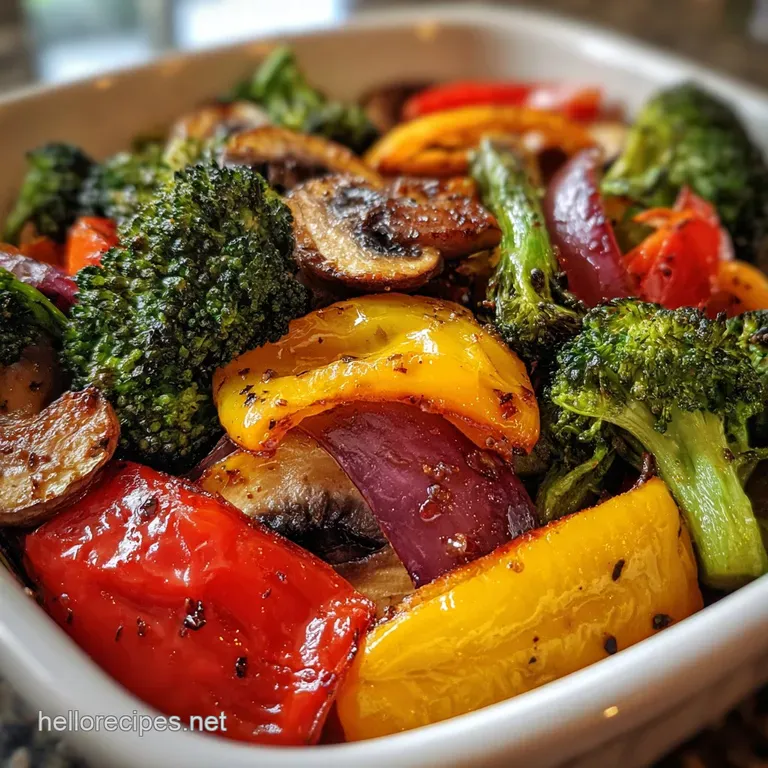
1. Preparation and Initial Seasoning
Heat your oven to 200°C (400°F). While it warms, wash and dry all produce thoroughly. Use a kitchen towel to pat the 1.5 lbs Yukon Gold potatoes dry after cubing. Note: Excess surface water creates steam, which is the enemy of a crispy roast.
2. The Initial over High heat Roast
In a large bowl, combine the potatoes, carrots, and red onion. Drizzle with 2 tbsp of the olive oil and add half of the salt and rosemary. Toss vigorously until the vegetables shimmer. Spread them in a single layer on the pre heated baking sheet.
Bake for 15 minutes until the potatoes start to show pale gold edges.
3. Integrating Fresh Garlic Aromatics
While the roots are roasting, toss the bell peppers, broccoli, and smashed garlic cloves in the remaining 1 tbsp of oil, smoked paprika, thyme, and remaining salt. Once the first 15 minutes are up, pull the tray out and add these softer vegetables.
Note: Adding them later prevents the broccoli and garlic from carbonizing while the potatoes soften.
4. The Final Golden Finish
Spread the mixture back into a single layer, ensuring nothing is overlapping. Return to the oven for another 20 minutes. Cook until the broccoli florets are crispy and the pepper skins begin to blister and darken.
5. The Aroma Check
Open the oven door and take a breath. You should smell a deep, toasted garlic aroma and the sweetness of caramelized onions. The potatoes should look matte and crinkled, indicating a thick, crunchy skin.
6. Finishing Touches
Remove from the oven and let them rest on the hot tray for 3 minutes. Note: This "carryover" time allows the vegetables to release from the pan naturally as the steam slightly loosens the crust.
7. Texture Verification
Pierce a potato with a fork; it should slide in with zero resistance while the exterior provides a slight crunch.
8. Serving the Medley
Transfer to a warm platter. For a sustainable touch, save any leftover oil on the pan to drizzle over the final dish it’s infused with all that roasted garlic flavor.
Fixing Common Roasting Texture Issues
Why Vegetables Turn Soggy
Usually, this happens because of "crowding." If the vegetables are too close together, the moisture they release gets trapped, creating a steam chamber. Each piece needs a few millimeters of "breathing room" for the hot air to circulate.
| Problem | Root Cause | Solution |
|---|---|---|
| Soft, pale potatoes | Oven temperature too low | Verify with an oven thermometer; ensure it's at least 200°C. |
| Burned garlic | Garlic added too early | Add smashed garlic halfway through the roasting process. |
| Mushy broccoli | Overcrowded pan | Use two baking sheets if necessary to ensure a single layer. |
Garlic Becomes Bitter
If your garlic turns black, it has been over exposed to high heat. This creates a bitter, acrid taste that can ruin the entire tray. To fix this, always use "smashed" whole cloves rather than minced garlic, and tuck them under a potato or pepper to shield them from direct radiant heat.
Hard Potatoes Dark Skin
This is a classic case of the exterior cooking faster than the interior. This often happens if the potatoes were cold from the fridge. Always let your cubed potatoes sit at room temperature for 10 minutes before roasting so the heat can penetrate the center more efficiently.
Customizing Your Roasted Vegetable Medley
The Plant Based Protein Boost
If you’re looking for a more substantial 21 Day Daniel Fast recipe, toss a can of rinsed chickpeas (garbanzo beans) onto the tray during the last 20 minutes. They will become nut brown and slightly crunchy, adding a great textural contrast and a boost of fiber.
Adding Bright Citrus Notes
After roasting, grate some fresh lemon zest over the top. The essential oils in the zest cut through the richness of the olive oil and brighten the earthy tones of the rosemary. It’s an innovative gastropub trick that takes 5 seconds but changes the whole flavor profile.
Adding Spice Heat Levels
For those who like a kick, add 0.5 tsp of red pepper flakes when you add the bell peppers. The heat will infuse into the oil, creating a spicy "Daniel Fast Vegetable Recipe" that feels bold and exciting.
| Feature | Fresh Vegetables | Frozen Shortcut |
|---|---|---|
| Texture | High contrast (Crisp/Soft) | Mostly soft/uniform |
| Flavor | Deeply caramelized | Muted/sweetness is lower |
| Preparation | 15 minutes of chopping | 0 minutes |
Optimal Storage and Sustainable Scrap
If you have leftovers, they store brilliantly. Place them in an airtight glass container and keep them in the fridge for up to 4 days. When reheating, avoid the microwave; it will make the vegetables rubbery.
Instead, toss them back into a hot skillet or a toaster oven for 5 minutes to restore that sizzle.
For a zero waste approach, don't throw away your potato peels if you decide to peel them (though I recommend keeping them on!). You can toss peels in oil and salt and roast them separately for 10 minutes to make "Daniel Fast Potato crisps." Any vegetable scraps like onion ends or carrot tops should be saved in a freezer bag. Once you have enough, you can simmer them to make a rich, sustainable vegetable broth for The Homemade Tomato recipe later in the week.
Vibrant Pairings for Your Meal
While this Easy Daniel Fast Recipe with Roasted Vegetables is a complete meal on its own, it plays very well with others. I love serving it over a bed of fluffy quinoa or brown rice to soak up any of the herb infused oil. The textures of the grains provide a base that highlights the crunch of the roasted broccoli.
- Grain Bowls: Serve the roasted mix over farro with a squeeze of lime.
- Morning Hash: Sauté leftovers with a bit of kale for a hearty fast friendly breakfast.
- Salad Topper: Cool the vegetables and toss them with spinach and a balsamic glaze.
If you are hosting a dinner and want to impress, serve these vegetables alongside a large green salad. The temperature contrast between the hot, roasted roots and the cold, crisp greens is a classic culinary technique that keeps the palate engaged.
Troubleshooting Your Daniel Fast Roast
Why do my carrots take longer than the potatoes?
Carrots have a denser cellular structure and higher water content than Yukon Golds. If you find your carrots are still too firm, try slicing them into thinner rounds (about 0.5cm) while keeping the potatoes at the 2.5cm cube size.
This adjustment in geometry ensures they reach the "tender" stage at exactly the same time.
Is it possible to roast without any oil?
Technically yes, but the results will be vastly different. Without oil, the heat transfer is less efficient, and you won't achieve the Maillard reaction that creates the savory crust. The vegetables will likely look "shriveled" rather than roasted.
For a Daniel Fast, extra virgin olive oil is perfectly compliant and provides essential healthy fats.
My herbs burned and taste like ash.
Dried herbs can burn if they aren't properly coated in oil. When you're tossing the vegetables in the bowl, ensure the rosemary and thyme are stuck to the vegetables and "wet" with oil. If they are sitting dry on the pan, they will incinerate.
If you prefer, you can also stir the herbs into the oil 5 minutes before the roast is finished to keep them fragrant and green.
Decision Shortcut: If you want maximum crunch, use a dark metal baking sheet and pre heat it. If you want sweeter vegetables, increase the red onion and carrot ratio.
If you want creamy garlic, keep the cloves in their skins while roasting, then squeeze them out afterward.
Recipe FAQs
Can you cook vegetables on Daniel Fast?
Yes. The Daniel Fast primarily restricts processed foods, meats, and some grains, but fresh vegetables prepared simply are encouraged. Roasting is an excellent method that enhances their natural flavors without added sugars or fats beyond compliant oils.
What can I make with roasted vegetables?
Versatile pairings abound. Roasted vegetables are fantastic as a main dish, a side, or as a component in grain bowls, salads, or hashes. They can also be blended into soups or purees for added depth of flavor. For a hearty addition, consider topping them with a Vibrant Vegan Pesto Recipe.
What vegetables did Daniel eat on his fast?
Biblical texts suggest a diet of vegetables and water. While specific vegetables aren't listed, the emphasis was on simple, plant based foods. This recipe focuses on root vegetables, peppers, and broccoli, all common and compliant choices.
What can I make with leftover roast vegetables?
Transform them into new meals. Leftovers can be reheated and served as a side, mixed into a salad, or used as a filling for wraps or lettuce cups. They are also excellent blended into a smooth soup base or chopped and added to scrambled eggs (if not on a strict fast). For a delicious repurposed dish, try them in our Homemade Vegetable Egg Rolls Crispy Vegetable Egg: Ultra Crunchy Recipe.
How do I get crispy roasted vegetables?
Ensure high heat and adequate spacing. Roast vegetables at a high temperature (around 400°F/200°C) and avoid overcrowding the baking sheet to allow moisture to escape and browning to occur. If you enjoyed mastering the technique of achieving crispy exteriors here, see how the same principle of controlled heat application works in our Crispy Perfection How to Make Smashed Potatoes My Secret recipe.
Can I use different vegetables for this recipe?
Absolutely, customize to your liking. While this recipe uses a blend of root vegetables and peppers, you can substitute with other Daniel Fast approved vegetables like zucchini, cauliflower, Brussels sprouts, or sweet potatoes. Adjust cooking times based on the density of the vegetables used.
Is olive oil compliant on the Daniel Fast?
Yes, extra virgin olive oil is generally considered compliant. The Daniel Fast focuses on avoiding animal products, processed foods, and sweeteners. Natural plant based oils like extra virgin olive oil are permitted for cooking and adding flavor.
Easy Daniel Fast Roasted Veggies
Ingredients:
Instructions:
Nutrition Facts:
| Calories | 296 kcal |
|---|---|
| Protein | 6.2 g |
| Fat | 10.8 g |
| Carbs | 46.2 g |
| Fiber | 8.4 g |
| Sugar | 7.1 g |
| Sodium | 585 mg |
