Crispy Baked Potato Wedges the Ultimate Pub Grub Side
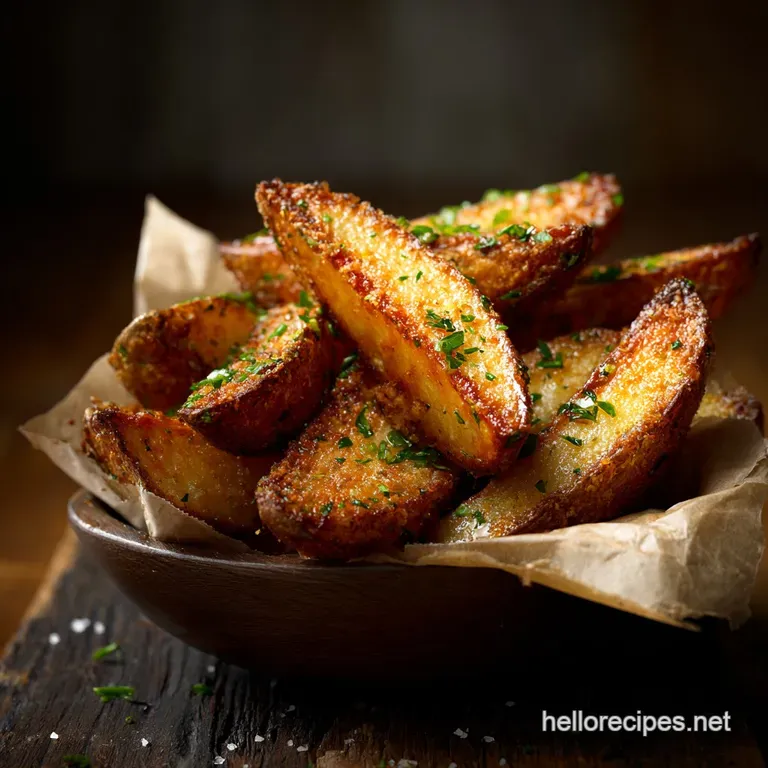
Bidding Farewell to Soggy Sides: Achieving Perfect Exterior Crisp
Let’s be honest. How many times have you tried to make real crispy Baked Potato Wedges at home only to end up with limp, oily, sad-looking sponges? I know I have.
For years, I just resigned myself to the fact that crackly, shatteringly crisp oven fresh seasoned potato wedges were strictly pub fare.
But then I found the secret. And it is so ridiculously simple, I almost want to yell it from the rooftops. We are moving beyond just tossing oil on raw potatoes and hoping for the best. We are building the crispiness right into the structure of the wedge. Right then. Let’s make magic.
The Scientific Secret to Shattering Crunch
This is where we put on our scientist hats, briefly. The issue with baking potatoes is that their starch needs to break down and then dry out to form a crunchy shell. We speed that process up using a tiny, almost unbelievable ingredient: baking soda.
A small spoonful of baking soda in the boiling water raises the alkalinity. This alkalinity rapidly breaks down the pectin the glue on the exterior of the potato wedge. When those outer layers break down, they create a kind of starchy, fuzzy slurry.
When that slurry hits the Baked Potato Wedges 425 heat of the oven, it dries out instantly and forms a thick, ultra crunchy crust. It works. Every time.
Why the Right Potato Variety Matters Most
You can’t just grab any old potato for this mission. We need starchy potatoes. Think Russets, Idaho potatoes, or the UK’s Maris Piper or King Edward. Why? Because starch equals fluff.
Waxier potatoes (like Yukon Gold) hold their shape beautifully, but they don't have enough starch to create that essential "fuzz" when we rough them up. If you use waxy ones, the result will still be good, but you’ll miss that truly incredible, cloudy interior texture.
The goal here is a crunchy exterior surrounding a pillow soft center. Starchy potatoes are our key players here.
Our Game Changing Method for Roughing Up the Surface
This step is non-negotiable. After your quick alkaline boil (more on that later), you drain the potatoes immediately. Then, you put the lid back on the pot and shake it. Hard. Like you’re making a cocktail for a fussy customer.
This isn’t about bruising the potatoes, it’s about creating texture. That gentle, aggressive shaking causes the outer, softened layers to break down against each other and against the side of the pot.
When you look into the bowl after shaking, the edges of your wedges should look soft, almost mushy, and slightly fuzzy. That fuzzy coating is the starchy, crispy armor you need for truly Oven Potato Wedges Crispy perfection. Don't skip the shake!
Essential Pantry Staples for Phenomenal Baked Potato Wedges
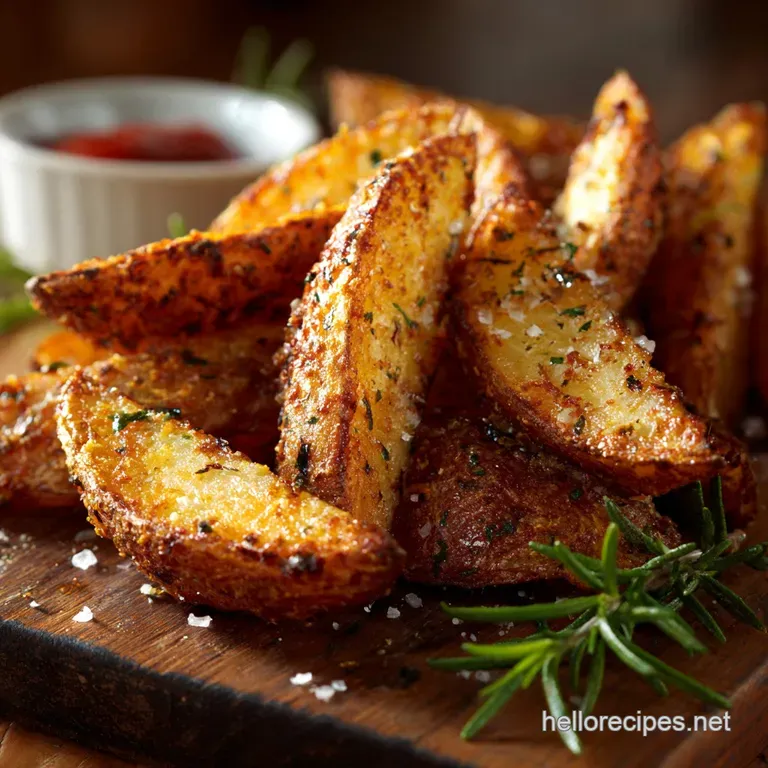
We are keeping the seasoning simple because when the texture is this good, you don't need to overcomplicate things. Trust me on this one.
Choosing Your A-Team Potatoes
As mentioned, Russets are my go-to for Baked Potato Wedges Recipe success. They’re dependable and fluffy. Try to choose potatoes of similar size, though, so when you cut them, the final wedges are uniform.
If you have a monster potato and a tiny one, they will cook at different rates, and you’ll end up with some burnt pieces and some undercooked ones. Been there. It’s frustrating.
The Signature Seasoning Blend: Paprika, Garlic, and Salt
We need robust flavors that stand up to the heat without burning. Our signature blend is heavy on the paprika I love using smoked paprika for a deeper flavor profile, but sweet paprika works too.
- Smoked Paprika provides a gorgeous, earthy redness and a hint of smokiness.
- Garlic Powder adheres better than fresh garlic and won't burn at 425°F.
- Coarse Sea Salt (use the fine kind for finishing!) is essential for drawing out flavor.
We rely on good oil don’t be shy with it. The oil is the conductor of the heat, and it helps ensure every surface crisps evenly.
Tools of the Trade: Preparing Your Baking Surface
Here’s a quick hack that separates the amateurs from the seasoned wedge masters: use two sheet pans, and preheat them.
We need maximum space for air circulation. If you crowd your sheet pan, you’re creating steam, and steam is the enemy of crispiness. It’s better to have two half filled pans than one overflowing pan.
CRUCIAL WARNING: Make sure you line your pans with parchment paper after they come out of the oven. Trying to line an already hot pan is a recipe for scorched fingertips and panic. Place the empty pans in the oven to preheat. Pull them out, line quickly, then load up the wedges.
Related Recipes Worth Trying
- Flawlessly Smooth Baked Strawberry Cheesecake with Strawberry Topping — Master the Classic Baked Strawberry Cheesecake This velvety rich recipe uses a water bath for a crackfree finish and is crowned with a vibrant strawberry...
- Foolproof Crockpot Breakfast Potatoes Crispy Smoked Paprika Recipe — The ultimate Lazy Sunday brunch side These Crockpot Breakfast Potatoes are perfectly fluffy inside boasting crispy edges thanks to our broil finish An easy...
- Creamy Baked Feta Pasta Recipe The Viral Weeknight Winner — This easy baked feta pasta recipe delivers a ridiculously creamy saltysweet sauce with blistered cherry tomatoes The ultimate Vegetarian Meal winner ready...
Mastering the Technique: step-by-step Guide to Crispy Baked Potato Wedges
Now we pull all the secrets together. This process takes a little bit of active time, but the reward is worth every second.
Precision Cutting: Ensuring Uniform Wedge Size
I aim for eight wedges per average sized Russet. Slice the potato in half lengthwise, then slice those halves in half again (quarters), and slice the quarters one more time. Try to keep the thickest part of the wedge about the size of your thumb.
Uniformity means everything cooks evenly, guaranteeing you don't have to pick through the pan looking for the healthy potato wedges oven baked that are actually done.
The Quick Alkaline Soak and Drain Process
Remember that baking soda? Add it to the cold water with the potato wedges and the coarse salt. Bring it to a rolling boil and cook for exactly five to seven minutes. You should see the very edges of the wedges starting to look fluffy, almost like they’re disintegrating a little. That’s your cue to stop.
Drain them immediately and thoroughly. Then, put them back into the dry pot and shake, shake, shake until they are beautifully roughed up.
Tossing and Spreading: Maximizing Oil Contact
Once the wedges are fluffy, toss them with the oil and the seasoning blend until every single surface is coated. This is the stage where you introduce that lovely paprika and garlic powder.
Then, carefully arrange them on your preheated, parchment lined pans. Single layer only! They should not be touching their neighbors. If you find yourself playing Tetris to make them all fit, you need another pan. Seriously. This is the difference between glorious crunch and that aforementioned floppy disappointment.
Monitoring Oven Temperature for the Final Golden Finish
We bake these beauties at a high temp: 425°F (220°C). High heat is necessary to immediately dry out that fuzzy exterior we created.
Bake for 20 minutes, then flip them. They should be starting to look pale gold and should release easily from the parchment. Bake them for another 15 to 20 minutes until they achieve a deep, beautiful golden brown color and sound crunchy when you scrape them with a spatula.
You want them crunchy, golden, and fully fork tender inside. That’s when they are ready.
Making the Most of Your Recipe: Serving, Storage, and Variations
These baked potato wedges in oven are practically a meal themselves, but they also make the ultimate side dish.
Serving Suggestions: What Pairs Best with These Golden Wedges?
I love serving these fresh out of the oven with a final sprinkle of flaky sea salt. They are perfect alongside any pub grub standard.
| Main Course | Recommended Dip/Sauce |
|---|---|
| Juicy Cheeseburger | Homemade BBQ Sauce or Spicy Ketchup |
| Roast Chicken | Garlic Aioli (homemade is mandatory!) |
| Steak Frites (Steak & Fries) | Herb Butter or Béarnaise Sauce |
They are also the ultimate component for a fully loaded chip night. Just saying.
Customizing Flavor Profiles: Herb and Spice Swaps
The base method is phenomenal, so feel free to play around with the seasoning. Want some real Italian flair? Add some Parmesan!
If you want baked potato wedges with Parmesan cheese , mix 1/4 cup of finely grated hard cheese and a tablespoon of dried oregano and basil into the oil mixture before tossing.
You can also try:
- Cajun Spices: Swap paprika for a good quality Cajun blend and a dash of cayenne.
- Rosemary & Sea Salt: Use only oil, salt, and generous amounts of freshly chopped rosemary leaves. Simple and aromatic.
Storing Leftovers and Reheating for Maximum Crunch
Let’s face it, wedges never taste as good the next day. But you can get close! Once they have cooled completely, store them in an airtight container in the fridge for up to three days.
To reheat, avoid the microwave at all costs. Set your oven back to 400°F (200°C), spread the wedges on a bare sheet pan (no parchment needed this time), and bake for about 8 to 10 minutes until they are piping hot and crisp again. They revive beautifully.
Quick Nutrition Snapshot for These Homemade Baked Potato Wedges
These are potatoes, yes, but when made this way, they are so much better for you than deep fried versions. Because we use high heat oil and let the surface crisp quickly, they don’t absorb nearly as much oil as a fryer basket full of chips would.
We get all the satisfying crunch and flavor of a fried side, while using the natural power of your oven. Enjoy those potato side dishes guilt free!

Recipe FAQs
Why on earth am I adding baking soda to my chips?
Adding bicarbonate of soda (baking soda) raises the pH of the water, which helps the exterior of the potato break down rapidly, creating that fuzzy, starchy slurry that bakes into an incredibly crispy crust absolute genius for achieving that proper chip shop crunch!
My wedges went a bit floppy; what went wrong?
The usual culprits are skipping the vigorous shake after draining (which is essential for creating the ‘fluff’) or, more commonly, overcrowding the tray; wedges need space to breathe, or they'll steam themselves silly instead of crisping up.
How do I store leftover Baked Potato Wedges and keep them crunchy later?
Store completely cooled wedges in an airtight container in the fridge for up to three days; to properly revive that proper crispiness, reheat them quickly in a hot oven (200°C/400°F) or an air fryer, avoiding the microwave like the plague.
Can I use beef dripping for that classic chip shop flavour?
Absolutely! Swapping the vegetable oil for beef dripping, duck fat, or good quality lard is a brilliant way to achieve a deep, savoury, old-school chip flavour, as these traditional fats handle high heat beautifully.
How do I know for sure these beauties are cooked all the way through?
You’re looking for a deep, unambiguous golden brown colour and that delightful crackle when you tap them; crucially, a small sharp knife should slide effortlessly into the thickest part of the wedge, indicating a perfectly fluffy interior.
Crispy Baked Potato Wedges

Ingredients:
Instructions:
Nutrition Facts:
| Calories | 131 kcal |
|---|---|
| Protein | 2.8 g |
| Fat | 0.9 g |
| Carbs | 15.2 g |
| Fiber | 2.1 g |
| Sugar | 0.4 g |
| Sodium | 357 mg |
