Creamy Garlic Parmesan Chicken
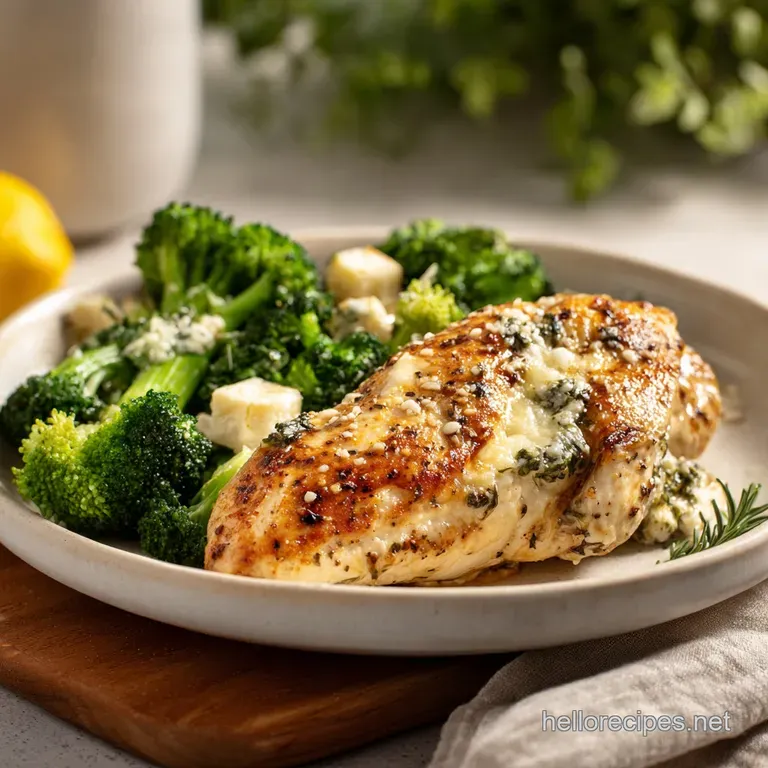
- Time: Active 10 minutes, Passive 15 minutes, Total 25 minutes
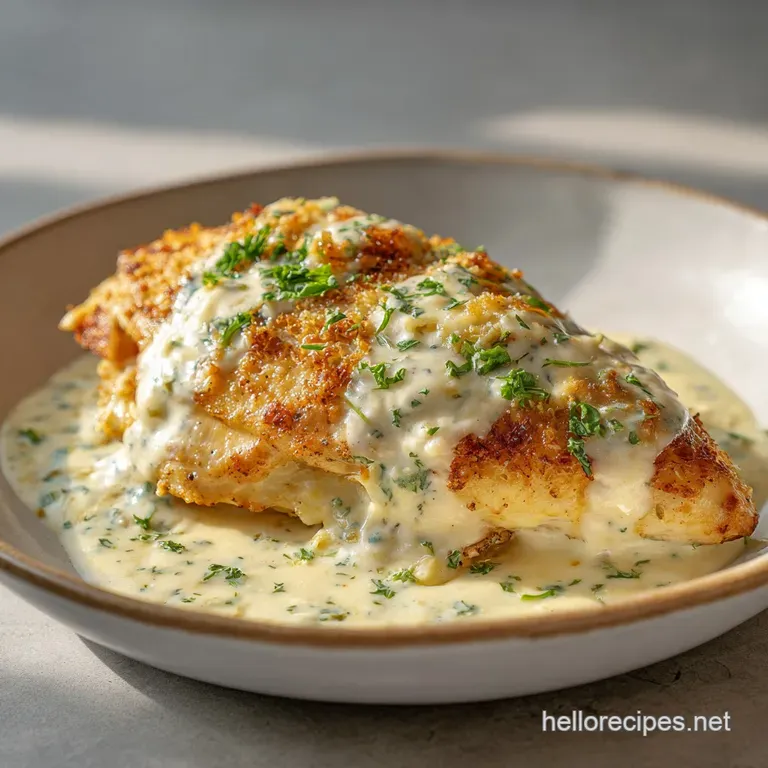
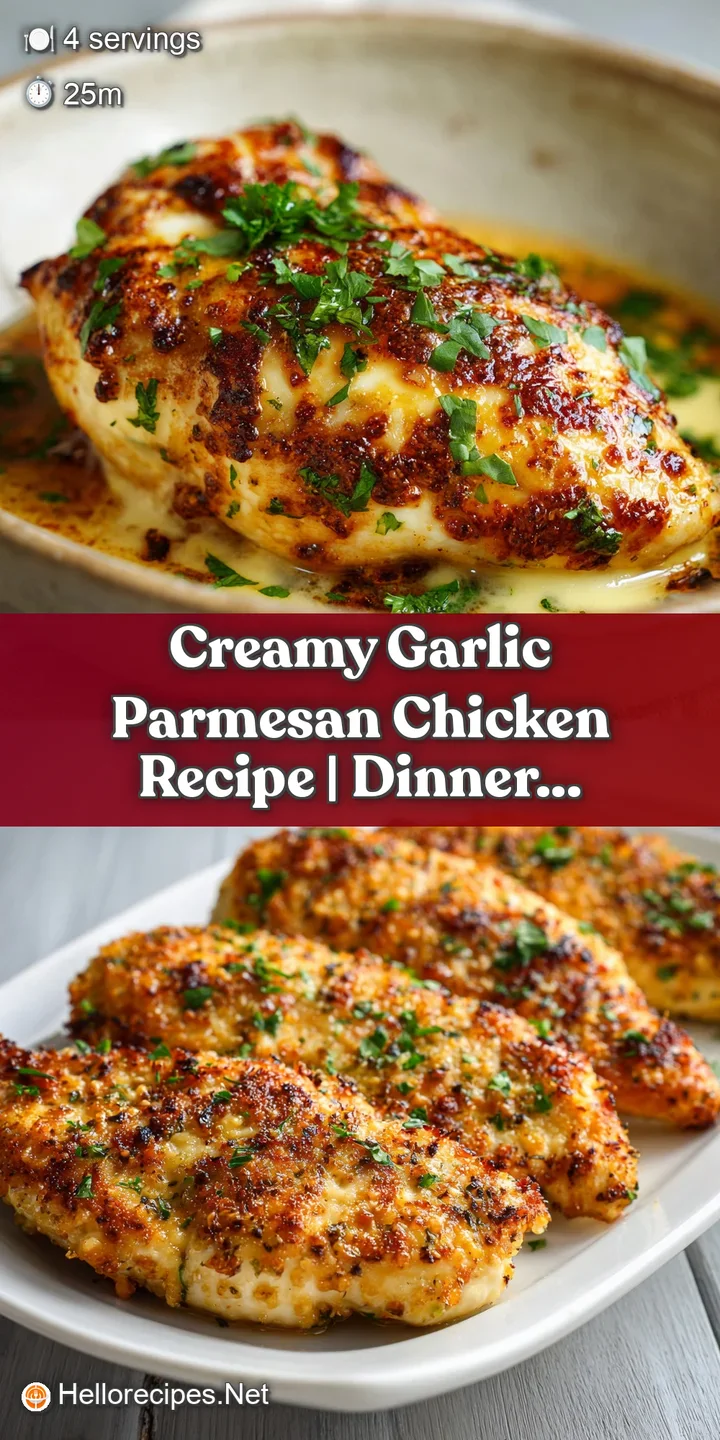
- Flavor/Texture Hook: Velvety garlic infused sauce with a shatter crisp chicken exterior
- Perfect for: High efficiency weeknight dinner or modern gastronomy enthusiasts
- Master the Creamy Garlic Parmesan Chicken
- The Night Garlic Changed Everything
- The Gastronomy of Emulsified Fat
- Precision Metrics for Success
- Ingredient Analysis and Swaps
- High Tech Kitchen Tools
- Master the Sizzle and Sauce
- Solving Sauce and Texture Issues
- Modern Dietary Ingredient Tweaks
- Waste Reduction and Storage
- Gastronomy Pairings for Balance
- High in Sodium
- Recipe FAQs
- 📝 Recipe Card
Master the Creamy Garlic Parmesan Chicken
You know that specific, intoxicating scent when fresh garlic hits a shimmering pan of oil? It’s not just a smell, it’s a total sensory reset. I remember the first time I nailed this recipe, the kitchen was filled with this nutty, toasted aroma that practically pulled my neighbors to the front door.
We've all been there with a "creamy" sauce that ends up being a greasy, broken mess, but this method is different because it focuses on the science of the emulsification rather than just dumping heavy cream into a pan and hoping for the best.
This isn’t your average weeknight meal, it’s a masterclass in flavor architecture. We’re going to focus on building layers of taste, from the initial sear of the chicken cutlets to the final, pungent hit of freshly grated Parmesan.
Trust me on this, once you understand how the lipids in the heavy cream interact with the proteins in the cheese, you’ll never go back to jarred sauces again. It’s brilliant, efficient, and honestly, a bit of a kitchen flex.
Right then, let's crack on with what actually makes this dish work. We’re moving beyond simple cooking and into the realm of gastronomy where every ingredient has a specific structural role.
You’ll see exactly how 1.5 lbs of chicken can be transformed into a silky, herb flecked masterpiece that feels innovative yet grounded in technique.
The Night Garlic Changed Everything
The first time I attempted a creamy garlic parmesan chicken dinner, it was a disaster. I used way too much heat, the garlic turned bitter and black within seconds, and the cream curdled into something that looked more like cottage cheese than a velvety sauce.
I was standing there, staring at a pan of wasted ingredients, realizing that I hadn't respected the thermodynamics of the pan. It was a humbling moment, but it’s exactly what led me to develop this foolproof approach.
Since then, I've spent countless hours experimenting with hydration ratios and fat content to ensure that every bite is consistent. The goal is to achieve a sauce that coats the back of a spoon with a glossy sheen, reflecting the light and carrying the herbaceous notes of the Italian seasoning directly to your palate.
We're looking for that perfect balance where the sharp acidity of the garlic is mellowed by the sweetness of the heavy cream.
When you smell that first sizzle of the chicken hitting the oil, you'll know you're on the right track. The aroma shifts from the raw, metallic scent of cold poultry to the rich, caramelized fragrance of the Maillard reaction.
It’s a transformation that happens in minutes, but the impact on the final flavor profile is massive.
The Gastronomy of Emulsified Fat
Emulsification Stability: The heavy cream acts as a bridge between the water based chicken stock and the fat rich Parmesan, creating a stable, silky suspension.
Thermal Maillard Synergy: Dredging the chicken in flour before searing creates a micro crust that traps moisture while providing a high surface area for browning.
Enzymatic Breakdown: Minced fresh garlic releases allicin, which, when cooked gently in butter, undergoes a molecular shift into sweet, nutty compounds.
Hydroscopic Retention: The baby spinach isn't just for color, it provides a slight moisture release that prevents the sauce from becoming overly thick during the final reduction.
| Thickness | Internal Temp | Rest Time | Visual Cue |
|---|---|---|---|
| 0.5 inch | 165°F (74°C) | 3 minutes | Juices run clear, golden crust |
| 0.75 inch | 165°F (74°C) | 5 minutes | Firm to the touch, opaque center |
| 1.0 inch | 165°F (74°C) | 7 minutes | No pink remains, surface is matte |
The key to preventing a broken sauce is maintaining a consistent simmer rather than a rolling boil. When you introduce the Parmesan cheese, the temperature of the liquid should be just below boiling to allow the proteins in the cheese to melt smoothly into the fat of the cream.
If the sauce is too hot, the cheese will clump, and you'll lose that velvety texture we're aiming for.
Precision Metrics for Success
To achieve professional results, we need to focus on the exact weight and volume of our components. This recipe utilizes 1.5 lbs of chicken breast cutlets, which provides the ideal ratio of protein to sauce. If you go higher on the meat without adjusting the liquid, you'll find the dish feels dry.
Conversely, too much sauce can overwhelm the delicate flavor of the chicken.
| Ingredient | Science Role | Pro Secret |
|---|---|---|
| Heavy Cream | Lipid Base | Use room temperature cream to prevent thermal shock in the pan. |
| Parmesan | Protein Binder | Grate from a block to avoid cellulose anti clumping agents that ruin texture. |
| Smoked Paprika | Color Catalyst | Adds a subtle earthy depth that mimics a charcoal grill finish. |
| Fresh Garlic | Aromatic Core | Mince just before using to preserve the volatile essential oils. |
Using the right tools is just as important as the ingredients themselves. A heavy bottomed skillet, preferably stainless steel or cast iron, ensures even heat distribution. This prevents hot spots that can burn your garlic or unevenly cook your chicken. Similar to the technique used in our How to Make recipe, we want a consistent sear across the entire surface of the protein.
Ingredient Analysis and Swaps
For this creamy garlic parmesan chicken, every component serves a purpose. We use 1/2 cup of all purpose flour for the dredge because it creates that classic golden crust. The 3/4 cup of freshly grated Parmesan cheese provides the salty, umami backbone that makes this dish so addictive.
If you're looking for a different profile, you can swap the heavy cream for full fat coconut milk, though it will shift the flavor toward a more tropical note.
- 1.5 lbs Chicken breast cutlets: Why this? Lean protein that absorbs the sauce well without adding excess grease.
- 1/2 cup All purpose flour: Why this? Essential for creating a barrier that keeps the chicken juicy.
- 4 cloves Fresh garlic: Why this? Provides the punchy aromatic base that defines the entire flavor profile.
- 3/4 cup Parmesan cheese: Why this? The primary seasoning and thickening agent for the velvety sauce.
- 1 cup Heavy cream: Why this? The fat content required to carry the garlic and herb flavors.
| Original Ingredient | Substitute | Why It Works |
|---|---|---|
| Heavy Cream (1 cup) | Coconut Milk (1 cup) | High fat content maintains creaminess but adds a nutty flavor profile. |
| Chicken Stock (1/2 cup) | Dry White Wine | Adds a crisp acidity that cuts through the richness of the cream. |
| Spinach (2 cups) | Kale (chopped) | Provides a heartier bite and remains structural under high heat. |
When scaling this recipe, keep in mind that the liquid reduction time will change. If you're doubling the recipe to 3 lbs of chicken, don't just double the stock and cream. Start with 1.5x the liquid and adjust as needed, as the surface area of your pan will affect how quickly the water evaporates. This is a common adjustment I make when preparing a larger batch of my OnePan Creamy Tuscan recipe.
High Tech Kitchen Tools
For the ultimate result, I highly recommend using a digital meat thermometer. It's the only way to guarantee that your chicken reaches exactly 165°F without becoming rubbery.
A microplane is also a game changer for the garlic and Parmesan; it creates a fine, snow like texture that melts almost instantly into the sauce.
- Large Stainless Steel Skillet: Essential for developing a "fond" (the brown bits) which adds massive flavor to the sauce.
- Whisk: Used to emulsify the cream and stock with the flour remnants in the pan.
- Tongs: Provides better control when flipping the chicken cutlets compared to a spatula.
- Paper Towels: Critical for drying the chicken before dredging to ensure the flour sticks and the skin crisps.
Don't ignore the importance of a good chef's knife. Mincing 4 cloves of garlic might seem simple, but a sharp blade allows you to slice through the cells rather than crushing them, which keeps the flavor clean rather than bitter. It’s about the technology of the edge and how it interacts with the plant fibers.
Master the Sizzle and Sauce
- Prep the chicken. Pat the 1.5 lbs of chicken cutlets completely dry with paper towels. Note: Excess moisture leads to steaming instead of searing.
- Dredge the protein. Mix the 1/2 cup flour, 1 tsp smoked paprika, 1 tsp garlic powder, salt, and pepper in a shallow bowl. Coat each cutlet thoroughly, shaking off the excess.
- Heat the pan. Add 2 tbsp neutral oil to the skillet over medium high heat until the oil shimmers and swirls easily.
- Sear the chicken. Place cutlets in the pan and cook for 4-5 minutes per side until the exterior is golden and shatter crisp. Remove and set aside.
- Bloom the aromatics. Lower the heat to medium and add 1 tbsp unsalted butter. Once melted, toss in the 4 minced garlic cloves and 1 tsp Italian herbs until you smell a nutty, toasted fragrance.
- Deglaze the skillet. Pour in the 1/2 cup chicken stock, scraping the bottom of the pan with a wooden spoon to release the brown bits.
- Emulsify the sauce. Stir in the 1 cup heavy cream and bring to a gentle simmer. Watch for small bubbles around the edges.
- Incorporate the cheese. Whisk in the 3/4 cup Parmesan cheese slowly until the sauce is glossy and thick.
- Wilt the greens. Add the 2 cups of fresh baby spinach, stirring for about 1 minute until the leaves are vibrant green and soft.
- Final assembly. Return the chicken to the pan, spooning the sauce over the top until the aroma is a rich blend of cheese and garlic.
Chef's Tip: If your sauce feels too thick, don't add more cream. Use a tablespoon of pasta water or extra chicken stock to thin it out while maintaining the flavor balance. This keeps the dish from becoming overly heavy or cloying.
Solving Sauce and Texture Issues
One of the most frequent hurdles home cooks face is a sauce that separates. This usually happens because the heat is too high or the cheese was added too quickly. If you see oil pooling on top of your sauce, it means the emulsion has broken.
You can often fix this by whisking in a splash of cold heavy cream or a teaspoon of water and removing the pan from the heat immediately.
Why Your Sauce Broke
A broken sauce is usually the result of thermal shock or an imbalance of fat. If you use "light" cream or half and half instead of heavy cream, the lower fat content makes it less stable under heat. Always aim for a steady simmer, never a rolling boil, once the dairy is involved.
| Problem | Root Cause | Solution |
|---|---|---|
| Gritty Sauce | Pre shredded cheese used | Use freshly grated Parmesan from a block for a smooth melt. |
| Dry Chicken | Overcooking past 165°F | Use a meat thermometer and pull the chicken at 160°F; carryover heat will finish it. |
| Bitter Flavor | Burnt garlic | Sauté garlic on low medium heat for only 30-60 seconds until fragrant. |
- ✓ Always pat chicken dry to ensure a crispy crust.
- ✓ Let the chicken rest for 3 minutes before adding it back to the sauce.
- ✓ Use room temperature cream to prevent curdling.
- ✓ Grate your own cheese to avoid the cellulose coatings found in bags.
- ✓ Keep the heat at a low simmer once the Parmesan is added.
Modern Dietary Ingredient Tweaks
If you're looking to adapt this recipe for different needs, it's actually quite flexible. For a keto creamy garlic parmesan chicken, simply omit the flour dredge and sear the chicken seasoned with only the spices.
The sauce itself is already naturally low in carbohydrates, making it a favorite for those on a ketogenic journey.
Scaling the Gastronomy
When reducing this recipe by half, use a smaller skillet to prevent the sauce from evaporating too quickly. If you're doubling it, work in batches for the chicken searing process. Don't crowd the pan, or the temperature will drop, and you'll lose that crispy texture.
| Method | Time | Texture | Best For |
|---|---|---|---|
| Stovetop | 25 mins | Crispy & Silky | Traditional texture and maximum flavor. |
| Slow Cooker | 4 hours | Fall apart tender | Meal prep and busy schedules. |
| Air Fryer | 15 mins | Extra Crunchy | Healthier "fried" chicken feel with sauce on side. |
If you're looking for a slower approach, my Crockpot Italian Chicken recipe uses a similar flavor profile but trades the crisp sear for a melt in-your mouth tenderness. It’s all about what your schedule allows!
Waste Reduction and Storage
This dish keeps surprisingly well in the fridge for up to 3 days. However, the sauce will thicken significantly as it cools. When reheating, add a tablespoon of water or milk to the pan to loosen the emulsion back into its original velvety state.
Avoid the microwave if possible, as it tends to make the chicken rubbery and can cause the sauce to separate.
For a zero waste approach, don't toss the spinach stems; they can be finely chopped and sautéed with the garlic for extra fiber. If you have leftover sauce but no chicken, it makes an incredible base for a quick pasta dish the next day.
Simply toss it with some penne and a little extra black pepper for a completely new meal.
Gastronomy Pairings for Balance
To balance the richness of the heavy cream and Parmesan, I recommend serving this with something that offers high acidity or a crisp texture. A simple arugula salad with a lemon vinaigrette works wonders.
If you're going the classic route, a bed of al dente fettuccine is the perfect vessel to soak up every drop of that garlic infused liquid.
- Zucchini Noodles: A fantastic low carb alternative that adds a fresh, watery crunch.
- Roasted Asparagus: The earthy bitterness of the stalks cuts through the fat of the sauce.
- Garlic Bread: For the ultimate indulgence, use it to swipe the pan clean.
One common myth is that you need "cooking wine" for the deglazing step. In reality, any dry white wine you would actually drink is superior. "Cooking wine" often contains added salt and preservatives that can throw off the delicate balance of the Parmesan.
Another misconception is that more garlic always equals more flavor. If you overdo it, the garlic becomes the only thing you taste, masking the subtle herbaceous notes of the Italian seasoning. Keep it to the 4 cloves for a balanced profile.
High in Sodium
845 mg mg of sodium per serving (37% of daily value)
The American Heart Association recommends limiting sodium intake to about 2,300mg per day for overall cardiovascular health.
Sodium Reduction Tips for Creamy Parmesan Chicken
-
Low-Sodium Broth-30%
Substitute the regular chicken stock with a low-sodium or no-salt added chicken broth. This can significantly reduce the sodium content without sacrificing flavor.
-
Reduce Parmesan-15%
Parmesan cheese is a significant source of sodium. Reduce the amount of Parmesan cheese used by one-third (to 1/2 cup) to lower the sodium content. Consider using a stronger flavored Parmesan so you don't sacrifice flavor.
-
Control the Salt-25%
Eliminate the added salt (1 tsp) and adjust to taste after the dish is cooked. It's easy to add more, but impossible to remove! Remember that the Parmesan cheese and chicken broth already contribute sodium.
-
Herb Power!
Enhance the flavor profile with a generous mix of fresh herbs like basil, oregano, and thyme. Fresh herbs can elevate the taste of the dish, allowing for less reliance on salt.
-
Spice It Up!
Instead of relying solely on salt for flavor, experiment with other spices. Increase the amount of smoked paprika, garlic powder, and black pepper to boost flavor without adding sodium.
-
Homemade Broth-20%
Consider using homemade chicken broth, which allows you to completely control the sodium level. If you don't have homemade broth available, opt for no-salt added varieties from the store.
-
Double the Garlic!
Ramp up the flavor profile by using a larger quantity of fresh garlic. The pungent aroma and taste will help compensate for the reduction in salt.
Recipe FAQs
What's the secret to a creamy garlic parmesan?
Use freshly grated cheese and room temperature heavy cream. The fresh Parmesan contains natural fats and proteins that emulsify perfectly, while pre-shredded varieties often contain anti caking agents that cause grit. Room temperature cream prevents the sauce from seizing when added to the hot pan.
What are the ingredients in creamy garlic parmesan chicken?
You need chicken cutlets, flour for dredging, heavy cream, fresh garlic, Parmesan cheese, chicken stock, and spinach. These components build the structure: the flour creates the crust, the cream forms the lipid base, and the Parmesan acts as the primary protein binder for thickness.
What's the secret to juicy parmesan chicken?
Sear the chicken quickly and pull it before it hits the full target temperature. Pat the cutlets completely dry and dredge them in seasoned flour, then cook in hot oil for 4-5 minutes per side to achieve the Maillard crust.
The internal temperature should be pulled at 160°F, allowing carryover heat to bring it to the safe 165°F while resting.
What are common mistakes when making chicken parm?
The two most common mistakes are using pre-shredded cheese and overcrowding the pan during the sear. Overcrowding lowers the pan temperature, causing the chicken to steam rather than brown, resulting in a soggy exterior. If you enjoyed mastering the emulsification in this sauce, you'll find similar principles of lipid suspension in our Creamy Bacon Pork recipe.
How do I prevent the sauce from tasting bitter?
Cook the minced garlic gently over medium low heat for less than one minute until fragrant. Garlic burns very fast; when it turns brown, it releases bitter compounds. You are aiming for a toasty, nutty scent, which means keeping the heat low after deglazing the pan with stock.
Can I substitute heavy cream with milk?
No, substitution drastically compromises the texture and stability of the sauce. Milk lacks the necessary fat content (typically 36% in heavy cream) to create a stable emulsion with the Parmesan proteins. Using lower fat content often leads to a thin, broken sauce, unlike richer dishes such as our Creamy Dreamy Chicken recipe.
What is the best way to reheat leftovers?
Reheat gently on the stovetop, adding a splash of liquid to revive the texture. Place the chicken and sauce in a skillet over low heat and stir in a tablespoon of water or chicken stock.
Avoid microwaving high fat sauces, as the uneven heating can cause the cheese and cream to separate into oil and solids.
Creamy Garlic Parmesan Chicken 2
Ingredients:
Instructions:
Nutrition Facts:
| Calories | 698 kcal |
|---|---|
| Protein | 46.8 g |
| Fat | 41.2 g |
| Carbs | 13.4 g |
| Fiber | 1.1 g |
| Sugar | 2.2 g |
| Sodium | 845 mg |
