Chicken Fettuccine Alfredo Recipe
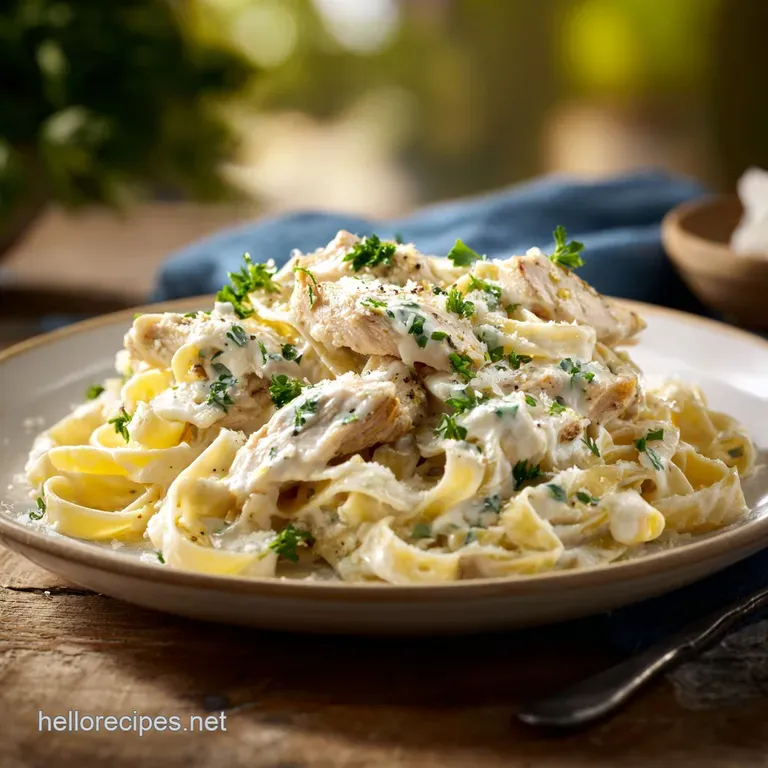
- Time: Active 10 mins, Passive 15 mins, Total 25 mins
- Flavor/Texture Hook: Silky, nutty, and velvety
- Perfect for: High end weeknight dining and culinary enthusiasts
- The Science of Achieving a Perfect Chicken Fettuccine Alfredo
- Critical Metrics for Searing and Emulsification Success
- The Essential Components of a Sustainable Gastronomy Masterpiece
- Necessary Technology for a Velvety Pasta Emulsion
- Executing the Layered Flavors of Your Chicken Fettuccine Alfredo
- Strategies for Fixing a Broken or Oily Alfredo Sauce
- Innovative Scaling for Larger Culinary Gatherings
- Innovative Variations Including Chicken Alfredo with Broccoli Recipe
- Sustainable Storage and Reheating Methods for Creamy Pasta
- Final Gastronomy Touches for a High End Pasta Aesthetic
- Debunking Common Kitchen Myths
- Critical in Sodium
- Recipe FAQs
- 📝 Recipe Card
The Science of Achieving a Perfect Chicken Fettuccine Alfredo
Listen, we’ve all been there: you’re craving that silky, white gold sauce, but you end up with a puddle of oil and some gritty cheese clumps. I remember the first time I tried making this for a friend. I just tossed everything into a pan and hoped for the best.
The sizzle was promising, but the result was a broken mess that tasted like butter soaked cardboard. I realized then that a great Chicken Fettuccine Alfredo isn't just about the ingredients, it's about the physics of the emulsion.
Now, when I pull the pan off the heat, the aroma of aged Parmigiano Reggiano hits the air like a nutty, savory perfume. There is a specific moment where the cream and cheese transform from two separate entities into a singular, velvety coating that has a mirror like sheen.
That’s the "aha" moment I want you to experience. We are moving away from the heavy, gloopy versions you find in chain restaurants and focusing on a more innovative, sustainable approach to flavor building.
This recipe relies on the interaction between fat molecules and starch. We aren't just making a sauce: we are building a stable suspension. If you’ve ever struggled with a grainy texture, trust me on this, it's usually a temperature issue rather than a recipe flaw.
We are going to treat the chicken with over high heat precision to get that golden shatter on the outside while keeping the interior succulent. Let's get into the mechanics of why this works.
- Enzymatic Complexity: Aged Parmigiano Reggiano contains glutamate crystals that provide deep umami notes without needing excess salt.
- Starch Suspension: Reserved pasta water acts as a bridge between the fat in the butter and the liquid in the cream, preventing separation.
- Thermal Control: Using cold, cubed butter allows it to melt slowly into the cream, creating a much more stable emulsion than melted butter.
- Maillard Layering: Searing the chicken first leaves behind fond (browned bits) which provides a savory base for the cream to de glaze.
| Thickness of Chicken | Internal Temp | Rest Time | Visual Cue |
|---|---|---|---|
| 1/2 inch strips | 165°F | 3 mins | Opaque and golden edges |
| 1 inch breast | 165°F | 5 mins | Juices run clear |
| 1/4 inch cutlets | 165°F | 2 mins | Firm to the touch |
The success of your Chicken Fettuccine Alfredo depends heavily on the "carryover cooking" of your protein. If you take the chicken to exactly 165°F in the pan, it will likely hit 170°F by the time it reaches the plate, resulting in a dry texture.
I recommend pulling it just a hair early and letting the residual heat finish the job while it rests on your cutting board. This keeps the fibers tender and the exterior crisp.
Critical Metrics for Searing and Emulsification Success
| Component | Science Role | Pro Secret |
|---|---|---|
| Heavy Cream (36%) | Primary Emulsifier | Never use "light" cream: the high fat content prevents the sauce from curdling when acidic garlic is added. |
| Parmigiano Reggiano | Structural Protein | Grate it yourself on a microplane. Pre shredded cheese is coated in potato starch which ruins the velvety finish. |
| Pasta Water | Emulsion Stabilizer | This "liquid gold" contains loosened starches that act as a natural thickener and binder for the fats. |
The heavy cream acts as the vehicle for the flavor. If you've ever wondered why some sauces feel thin, it's usually because the fat content wasn't high enough to withstand the heat. Similarly, the choice of cheese is a non negotiable part of the gastronomy here. Real Parmigiano Reggiano is a sustainable, protected product that offers a depth of flavor that "parmesan" in a green can simply cannot replicate. If you love this velvety texture, you might also enjoy our Creamy Chicken Alfredo recipe.
The Essential Components of a Sustainable Gastronomy Masterpiece
- 1 lb boneless, skinless chicken breasts: Sliced into 1/2 inch strips. Why this? Strips increase surface area for better Maillard reaction browning.
- Substitute: Sliced portobello mushrooms for a plant forward version.
- 1 tsp kosher salt: For seasoning and moisture retention.
- Substitute: Sea salt (use slightly less by volume).
- 1/2 tsp freshly cracked black pepper: Provides a sharp contrast to the rich fats.
- Substitute: White pepper for a more subtle, floral heat.
- 1 tsp dried Italian seasoning: Adds herbaceous depth to the chicken.
- Substitute: Freshly chopped oregano and thyme.
- 1 tbsp high smoke point oil: Like avocado or grapeseed oil.
- Substitute: Ghee or clarified butter.
- 1/2 cup unsalted butter: Cold and cubed. Why this? Cold butter emulsifies more slowly for a glossier finish.
- Substitute: high-quality vegan butter blocks.
- 2 cups heavy whipping cream (min 36% fat): The base of our velvety emulsion.
- Substitute: Full fat coconut milk (note: will add a tropical flavor profile).
- 1 1/2 cups freshly grated Parmigiano Reggiano: The heart of the flavor.
- Substitute: Pecorino Romano (will be saltier and more pungent).
- 3 cloves garlic: Minced finely.
- Substitute: 1 tsp garlic powder (though fresh is highly preferred).
- 1/4 tsp freshly grated nutmeg: A classic French technique to enhance dairy.
- Substitute: A pinch of mace.
- 1 lb dry fettuccine pasta: The structural foundation.
- Substitute: For a different pasta shape, check out this Chicken Alfredo Penne Pasta recipe.
- 1/4 cup fresh Italian parsley: For a bright finish.
- Substitute: Fresh chives.
- 1/2 cup reserved starchy pasta water: Our secret binding technology.
Necessary Technology for a Velvety Pasta Emulsion
To achieve that professional sheen, your choice of equipment is just as important as the ingredients. You need a large, heavy bottomed skillet, preferably stainless steel or cast iron, to ensure even heat distribution. A flimsy pan will create hot spots, causing the cream to scorch or the cheese to seize.
A microplane grater is your best friend here. It creates "snow like" cheese particles that melt instantly into the sauce. If you use a standard box grater, the larger shreds take longer to melt, increasing the risk of the sauce breaking from over exposure to heat.
Finally,, a sturdy pair of tongs is essential for tossing the fettuccine, ensuring every strand is coated in that velvety goodness without breaking the delicate pasta.
Executing the Layered Flavors of Your Chicken Fettuccine Alfredo
Phase 1: The Searing Secret
- Season the chicken strips with salt, pepper, and Italian seasoning. Note: Seasoning early allows the salt to penetrate the protein.
- Heat the oil in your skillet over medium high heat.
- Add the chicken in a single layer and cook for 3-5 minutes until golden and crackling. Note: Do not crowd the pan or the chicken will steam rather than sear.
- Flip and cook for another 3 minutes until opaque throughout, then remove and set aside to rest.
Phase 2: Building the Emulsion
- Boil the fettuccine in highly salted water for 1 minute less than the package directions until slightly firm to the bite (al dente).
- While the pasta cooks, wipe the skillet of excess oil but keep the brown bits.
- Add the heavy cream and garlic to the skillet over medium heat, simmering for 2 minutes until tiny bubbles appear around the edges.
- Whisk in the cold, cubed butter one piece at a time until the sauce looks glossy and thick.
Phase 3: The Marriage of Sauce and Pasta
- Lower the heat to low and gradually whisk in the Parmigiano Reggiano and nutmeg until the cheese has completely vanished into the cream.
- Transfer the cooked pasta directly from the water into the sauce, adding 1/4 cup of the pasta water.
- Toss vigorously for 1-2 minutes until the sauce clings to the pasta like a second skin.
- Fold in the rested chicken and garnish with fresh parsley.
Strategies for Fixing a Broken or Oily Alfredo Sauce
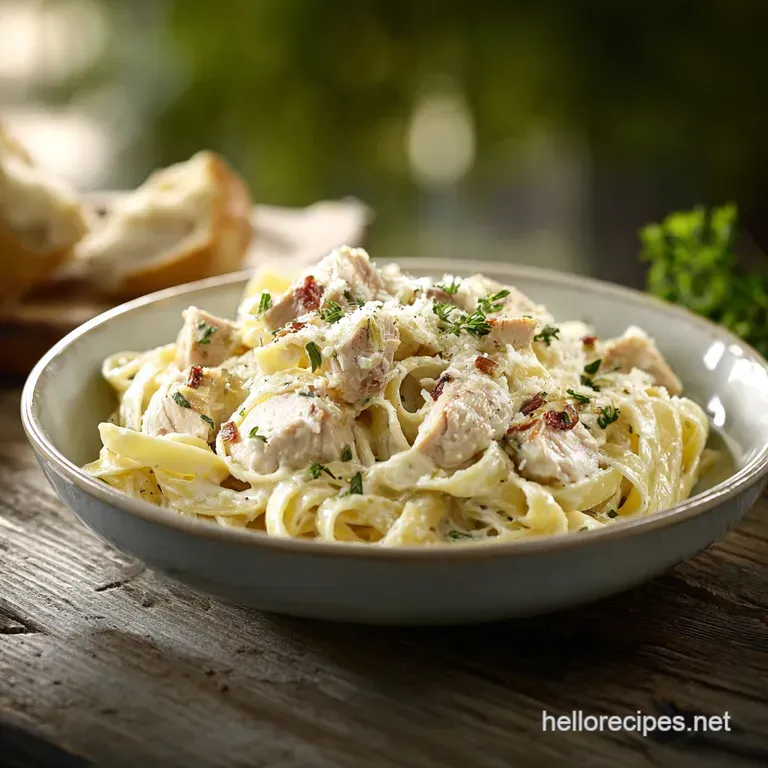
If Your Sauce Breaks or Looks Oily
When a sauce "breaks," it means the fat has separated from the liquid. This usually happens if the heat is too high or the cheese was added too quickly. It looks curdled and unappealing, but it's usually salvageable with a little bit of technology and patience.
| Problem | Root Cause | Solution |
|---|---|---|
| Oily Separation | Heat was too high, breaking the emulsion | Remove from heat and whisk in 1 tbsp of cold heavy cream. |
| Gritty Texture | Cheese was pre shredded or added to boiling sauce | Use a blender to smooth it out, then return to low heat. |
| Thin/Watery Sauce | Not enough reduction or missing starch | Add more pasta water and toss over medium heat for 60 seconds. |
One of the most common mistakes is trying to fix a broken sauce while it's still over high heat. Heat is the enemy of a delicate emulsion. If you see oil pooling, pull the pan off the burner immediately. The temperature drop, combined with a splash of cold cream, helps the fat molecules realign and smooth out.
Common Mistakes Checklist
- ✓ Never rinse your pasta after boiling; the starch is the "glue" for your sauce.
- ✓ Don't use "cooking wine" or "cooking cream" which often contains additives that prevent a smooth melt.
- ✓ Grate your cheese just before using to preserve the moisture content.
- ✓ Always reserve your pasta water before draining; once it's down the sink, it's gone forever.
- ✓ Let the chicken rest before slicing to ensure the juices stay inside the meat.
Innovative Scaling for Larger Culinary Gatherings
When you need to double this recipe for a dinner party, don't just double everything blindly. For the chicken, you must work in batches. If you crowd 2 lbs of chicken into one skillet, the temperature will drop, the meat will release its juices, and you'll end up boiling the chicken in its own moisture instead of getting that crispy sear.
For the sauce, when scaling up (2x-4x), keep the salt and spices to about 1.5x the original amount and adjust at the end. Large volumes of dairy hold salt differently than smaller batches.
If you're scaling down (1/2 recipe), the sauce will reduce much faster, so keep a close eye on the skillet to ensure it doesn't turn into a paste. Use a smaller pan to maintain the depth of the liquid.
Innovative Variations Including Chicken Alfredo with Broccoli Recipe
If you want to introduce some sustainable greens into the mix, the Chicken Alfredo with Broccoli Recipe twist is a fantastic option. I suggest blanching the broccoli florets in the same water as the pasta during the last 2 minutes of cooking.
This saves energy and ensures the broccoli is perfectly tender crisp. The earthy flavor of the broccoli cuts through the richness of the Parmigiano Reggiano beautifully.
For those who prefer a more "set it and forget it" technology, the Crockpot Chicken Fettuccine Alfredo method works, but with a caveat. You should only cook the chicken and a small amount of broth in the slow cooker.
Add the cream and cheese at the very end to prevent the dairy from breaking over long hours of heat. Similarly, an Instant Pot Chicken Fettuccine Alfredo requires careful timing so the pasta doesn't turn into mush.
Always pressure cook the chicken first, then use the sauté function to finish the sauce and pasta.
Sustainable Storage and Reheating Methods for Creamy Pasta
Storage Guidelines:Fridge: This dish stays fresh for up to 3 days in an airtight glass container. Glass is better than plastic as it doesn't absorb the fats from the sauce.
Freezer: I don't recommend freezing the fully assembled dish, as the cream emulsion will shatter upon thawing. However, you can freeze the seared chicken for up to 3 months.
Zero Waste Tip: Don't throw away those Parmigiano Reggiano rinds! They are flavor bombs. I keep a bag of them in my freezer and toss one into my next soup or vegetable stock. It adds a subtle savory depth that is pure gastronomy magic.
Also, if you have leftover sauce but no pasta, use it as a base for a white pizza or as a dip for roasted cauliflower.
Reheating: Never use a microwave for leftovers if you can avoid it. It will turn your sauce into a pool of oil. Instead, place the pasta in a skillet with a splash of milk or cream over very low heat. Stir gently until the emulsion reforms and becomes velvety again.
Final Gastronomy Touches for a High End Pasta Aesthetic
Presentation is the final step in the flavor journey. To give your Chicken Fettuccine Alfredo a high end look, use a carving fork to twirl the pasta into a tight nest in the center of a wide, shallow bowl. Place the chicken strips on top in a fan pattern, rather than tossing them randomly.
This preserves the crispy texture of the sear.
Finish with a micro plane dusting of fresh cheese and a sprinkle of parsley from a height. This creates an even distribution of color and flavor. A final crack of black pepper adds a visual "pop" and a scent that hits the diner before the first bite.
Remember, we eat with our eyes first, and a clean, thoughtful presentation signals the quality of the gastronomy involved.
Chef's Note: If the sauce feels too thick right before serving, whisk in one more tablespoon of hot pasta water. It acts like a "refresh" button for the emulsion, restoring that glossy, mirror like finish.
Debunking Common Kitchen Myths
One of the biggest myths is that adding oil to the pasta water prevents sticking. In reality, it just makes the pasta slippery, which means your beautiful Alfredo sauce will slide right off the noodle and pool at the bottom of the bowl. Salt is the only thing that should go in your water.
Another common misconception is that searing meat "seals in the juices." Science tells us that moisture loss happens regardless of the sear. The real purpose of the sear is the Maillard reaction, which creates hundreds of new flavor compounds.
That golden crust isn't a seal; it's a concentrated layer of savory deliciousness that balances the creamy sauce. Finally, "Al dente" isn't just a preference; it's a functional requirement. The pasta continues to cook in the sauce, so if it's fully soft when it leaves the water, it will be mushy by the time you eat it.
Critical in Sodium
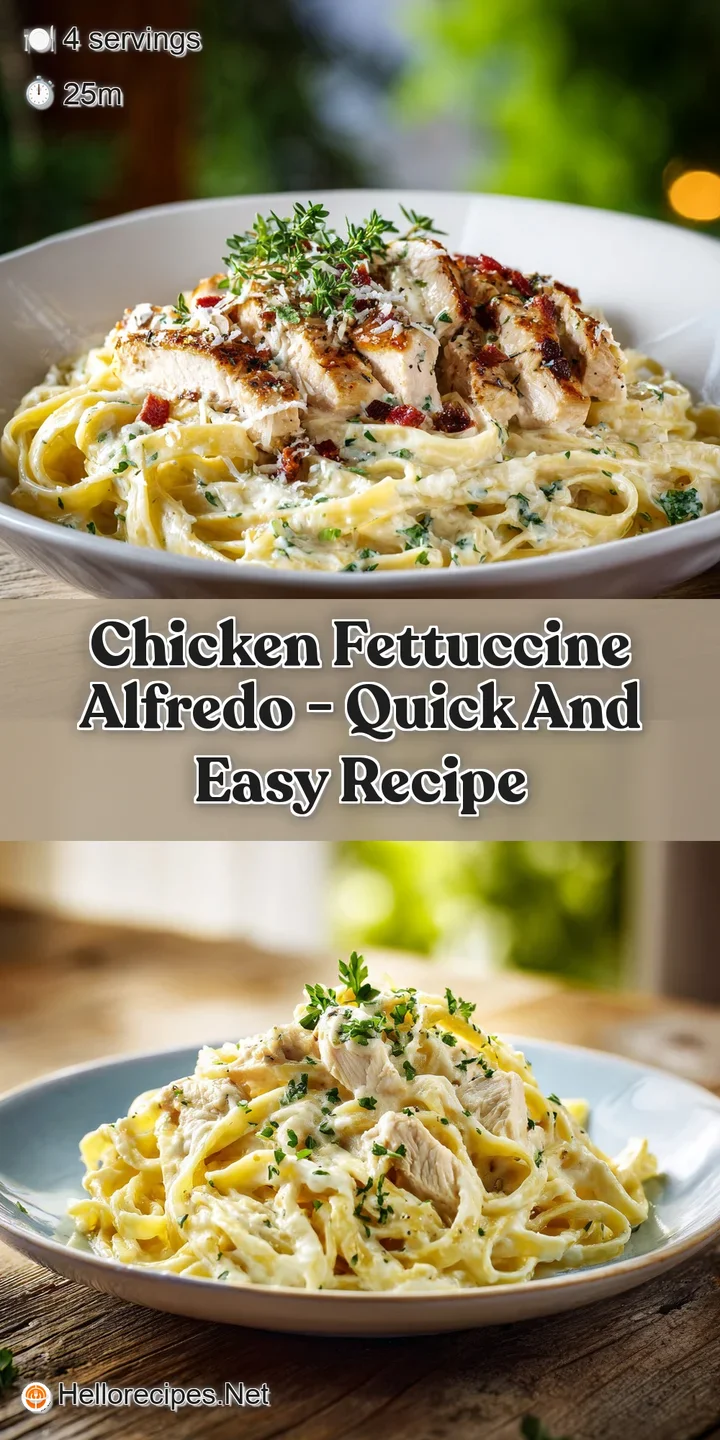
1188 mg mg of sodium per serving (52% of daily value)
The American Heart Association recommends limiting sodium intake to approximately 2,300mg per day.
Tips to Reduce Sodium in Your Fettuccine Alfredo:
-
Reduce the Cheese-15%
Parmigiano Reggiano is a significant source of sodium. Reduce the amount of cheese by 25% or substitute with a lower sodium cheese like fresh mozzarella. This simple change can make a noticeable difference.
-
Cut Back on Added Salt-25%
Eliminate the 1 tsp of kosher salt called for in the recipe, and taste the dish before adding any salt at all. You can always add more, but you can't take it away. Consider using a salt free seasoning blend to add flavor instead.
-
Use Salted or Unsalted Butter-10%
If you only have salted butter on hand, be sure to reduce or eliminate the amount of salt you add to this recipe.
-
Enhance Flavor with Herbs
Use fresh herbs like basil, oregano, and thyme in addition to or instead of dried Italian seasoning to boost the flavor without adding sodium. Experiment with different combinations to find your favorite.
Recipe FAQs
Is there a difference between chicken alfredo and chicken fettuccine?
Yes, fundamentally. Chicken Alfredo refers to the rich sauce made from butter, heavy cream, and Parmesan cheese; Chicken Fettuccine Alfredo specifies that the sauce must be served over fettuccine pasta.
How to cook chicken to go in fettuccine alfredo?
Sear the chicken strips over medium high heat until golden brown. Season well beforehand and ensure the pan is hot enough to achieve the Maillard reaction, which builds deep savory flavor to balance the sauce.
What makes chicken alfredo taste better?
Using high-quality, freshly grated Parmigiano Reggiano makes the biggest difference. Pre-shredded cheese contains starches that inhibit proper melting, leading to a gritty sauce instead of a velvety emulsion.
What is good to add into chicken alfredo?
Blanched vegetables like broccoli or asparagus pair excellently for texture contrast. You can blanch them in the pasta water during the last few minutes of cooking to save energy and season them perfectly.
Why is my Alfredo sauce grainy instead of smooth?
False. Graininess results from adding cheese when the cream is too hot or using pre-grated cheese. Remove the skillet from the heat before vigorously whisking in the Parmesan to ensure a stable emulsion forms.
How do I prevent my heavy cream from breaking when making the sauce?
Add cold, cubed butter slowly to the simmering cream before adding the cheese. This technique helps build a stable emulsion, much like the process for a successful Sautéed Chicken Pasta recipe where texture control is key.
Should I use fresh or dried herbs in the chicken seasoning?
Use dried herbs for seasoning the chicken before searing. The dried herbs toast during the high heat searing, releasing concentrated flavor that permeates the meat before the milder cream sauce is introduced.
Chicken Fettuccine Alfredo
Ingredients:
Instructions:
Nutrition Facts:
| Calories | 1408 kcal |
|---|---|
| Protein | 66.3 g |
| Fat | 86.2 g |
| Carbs | 89.5 g |
| Fiber | 3.8 g |
| Sugar | 3.6 g |
| Sodium | 1188 mg |
