Smoked Ribs: Chefs Low Slow Bbq Masterclass
- The Perfect Rack: Chef's Low & Slow Smoked BBQ Ribs
- Achieving BBQ Nirvana: The Low & Slow Philosophy
- The Science of Smoke and Texture: Why Low & Slow Matters
- Essential Components for the Perfect Rack
- The Master Blueprint: Execution of the Smoked Ribs Process
- Expert Troubleshooting & Maximizing Flavor
- Post-Smoke Care: Storage and Reheating Guide
- Completing the Feast: Pairing Ideas for Smoked Pork Ribs
- Recipe FAQs
- 📝 Recipe Card
The Perfect Rack: Chef's Low & Slow Smoked BBQ Ribs
Achieving BBQ Nirvana: The Low & Slow Philosophy
Look, I’m going to be straight with you: there is nothing absolutely nothing like the smell of perfectly rendered pork fat hitting hardwood smoke on a Saturday afternoon. It’s the ultimate culinary therapy, really.
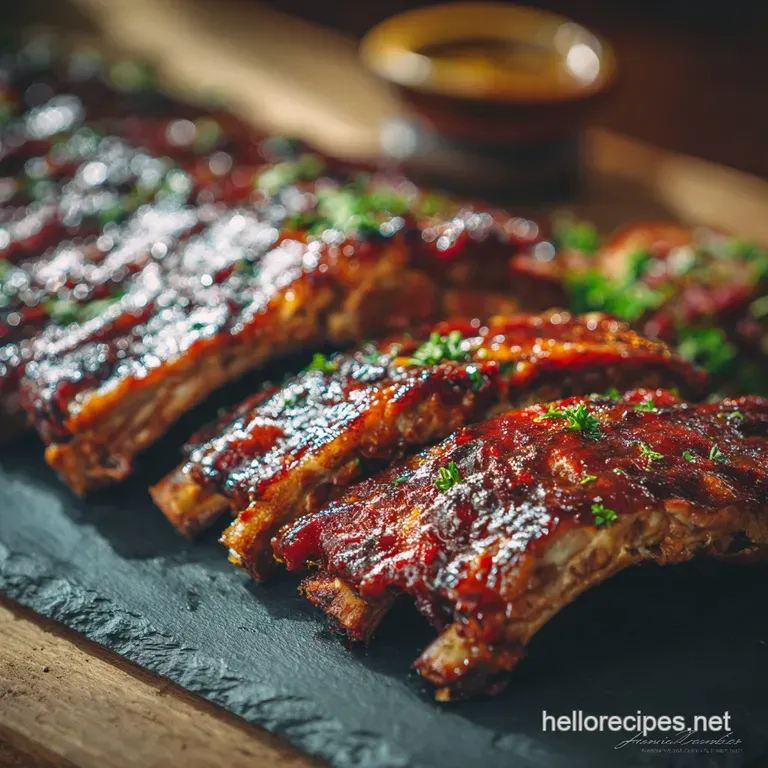
When you lift a rack of these Smoked Ribs , you’ll see that deep mahogany bark and know you’ve achieved something truly special. This isn't just cooking; it’s patience, science, and a whole lot of delicious flavour rolled into one.
I know smoking ribs sounds daunting, like a whole day project reserved for pit masters. But here’s the secret: most of the six hours required is pure, glorious downtime. Once your smoker is locked in at 225°F, you are basically just playing smoke warden and spritz master.
The payoff that tender, smoky meat makes the effort look like a complete steal.
We're bypassing the complicated myths and going straight to what works for the home cook. This specific, slightly tweaked approach to preparing Smoked Ribs guarantees a delicious outcome every single time, giving you juicy, pull clean-from the-bone results that will ruin restaurant barbecue for you forever.
Let’s crack on and make the best BBQ you’ve ever had.
The Science of Smoke and Texture: Why Low & Slow Matters
Making exceptional Smoked Ribs isn't magic; it's chemistry powered by low heat. If you hit pork with high heat, the collagen tightens up, the muscle fibers contract, and you end up with tough, dry meat. No one wants rubbery ribs.
The "low and slow" approach means cooking at a temperature (225°F/107°C) that slowly melts the tough connective tissues into gelatin. That gelatin is pure moisture, which keeps the pork tender and unbelievably juicy.
Defining the St. Louis Cut Advantage
We specifically use the St. Louis cut for our Smoked Ribs because they are essentially spare ribs that have been squared off and trimmed. This uniform, rectangular shape makes them ideal for smoking, as they sit evenly on the grate and cook uniformly.
You don't have those awkward, bony cartilage tips sticking out and drying up. They offer a great balance of meat, fat, and bone, ensuring rich flavour throughout the long cook time.
What is the 3 2-1 Method (And Why We Adapt It)
The 3 2-1 method is the gold standard for many, especially when making pork spare ribs. It means 3 hours of initial smoke, 2 hours wrapped (the steam phase), and 1 hour unwrapped (the finish/glaze).
However, I find the full 2 hours wrapped can sometimes make the meat too mushy. I prefer a slightly shorter wrapped period for my Smoked Ribs , aiming for tenderness that still retains texture a "pull clean" result, not "fall off-the-bone" slop.
We generally adapt to a 3 1.5 1 method for a perfect, sturdy rack.
Necessary Smoker Equipment Check
You don't need a massive, industrial offset smoker to make phenomenal Smoked Ribs . A simple pellet grill (like a Traeger or Pit Boss) makes temperature management almost foolproof. Even a charcoal kettle grill can be converted for smoking using the snake method.
The absolute non-negotiable item, though? A good dual probe thermometer. You need to know that grate temperature is consistently 225°F, not the ambient temperature inside the hood.
Bark Formation: Achieving the Perfect Crust
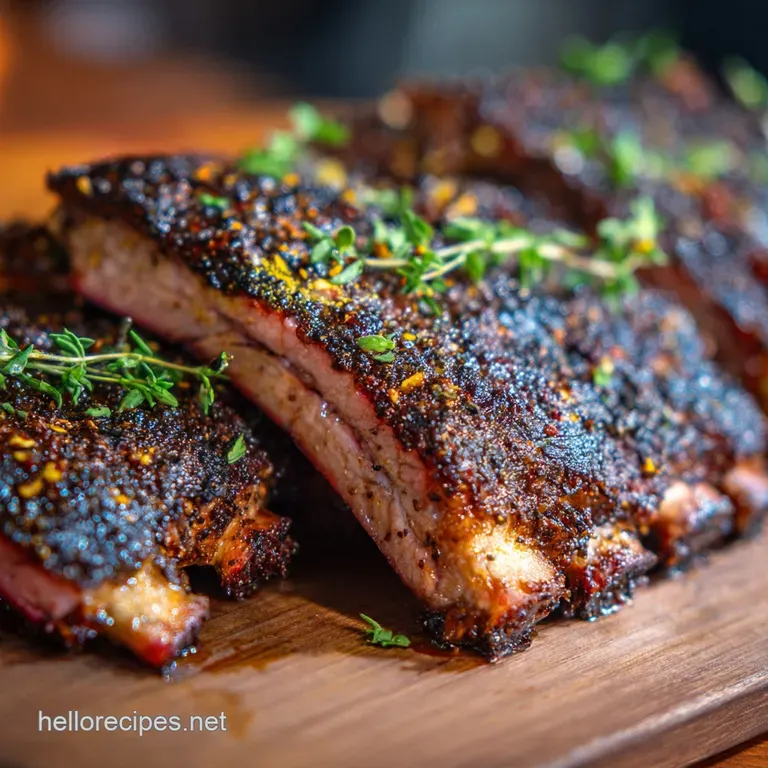
The bark is the savoury, crunchy crust that sets great Smoked Ribs apart. It forms during the first stage when the heat and smoke interact with the dry rub spices and the meat surface. Sugar is key here it helps with caramelization and deepens the mahogany colour.
Never spritz too heavily in the first hour , or you’ll wash away the rub and inhibit bark development. You want the surface to dry out enough to form that magnificent crust.
The Stall and Its Solutions
Just like with brisket, ribs hit the "stall." This is when the internal temperature hovers stubbornly around 150°F 160°F for hours, driving you mad. It happens because moisture evaporating from the surface cools the meat rapidly (evaporative cooling). The solution?
The Texas Crutch, which is Phase 2 of our recipe: the wrap. Wrapping the Smoked Ribs in foil seals in moisture and forces the internal temperature past the stall rapidly.
Collagen Breakdown for Fall Off-The-Bone Tenderness
Tenderness is achieved when the cooking temperature stays above 160°F (71°C) long enough for collagen that tough protein wrapped around muscle fibers to dissolve. This usually happens reliably between 180°F and 205°F. That's why we smoke for hours at 225°F.
You must allow the internal temperature to hit at least 195°F for true tenderness. Trying to pull them off before 190°F will leave them tough, regardless of how long you smoked them initially.
Essential Components for the Perfect Rack
Choosing the Right Rack of Ribs (St. Louis vs. Baby Back)
While Baby Back ribs are lean and quick cooking, the St. Louis cut is better suited for a long, slow smoke. They have better fat marbling, which renders beautifully, keeping the final Smoked Ribs moist and flavourful.
Always look for racks that are richly coloured and don't have large pockets of hard, visible fat on the meat side. If you use baby backs, consider cutting the cook time slightly shorter, maybe adjusting to a 2 1-1 method.
Building the Signature Dry Rub Flavor Profile
The rub is everything. It’s the foundation of the flavour and the structure for the bark. Our recipe uses a balance of sweet, smoky, and savoury elements. Brown sugar handles the sweet, crucial for caramelization. Smoked paprika adds that deep red colour and smoky depth, even before the wood smoke hits.
Don't cheap out on salt; coarse kosher salt is vital for flavour penetration and acts as a dry brine.
| Ingredient | Role | Viable Substitute |
|---|---|---|
| Brown Sugar | Sweetener/Caramelizer | Granulated sugar + a splash of molasses |
| Smoked Paprika | Colour/Smoky base | Regular paprika + a bit more cayenne |
| Yellow Mustard | Binder (Glue) | Worcestershire sauce or mild olive oil |
| Apple Cider Vinegar | Spritz/Moisture | Straight apple juice or white wine vinegar |
Best Binder Options (Mustard vs. Oil)
I am a die-hard yellow mustard fan for preparing Smoked Ribs . Why? It contains vinegar, which slightly breaks down the surface proteins, helping the rub stick better than oil, and its flavour completely evaporates during the long cook.
If you use oil, use a very light coat; too much oil can prevent the bark from forming correctly. My mistake was using BBQ sauce as a binder once . It burned black and became bitter long before the ribs were cooked. Learn from my errors!
Selecting Your Smoking Wood (Hickory, Pecan, or Apple?)
Wood choice defines the final profile of your Smoked Ribs . Hickory is the traditional, robust choice, delivering a strong, classic BBQ flavour. Pecan is similar but slightly milder and nuttier a great middle ground.
Apple and Cherry wood are sweet and delicate, giving a beautiful red hue to the bark, perfect if you prefer a less intense smoke profile. For pork, I generally recommend Pecan or a 50/50 blend of Hickory and Apple.
The Master Blueprint: Execution of the Smoked Ribs Process
This process outlines the modified 3 1.5 1 method, which consistently delivers superior results for tender, beautifully caramelized pork.
Prep Work: Trimming and Membrane Removal
The membrane (silverskin) is tough, chewy, and impermeable to smoke and rub. You must remove it. Slide a butter knife under a corner bone, lift gently, grab the membrane with a paper towel (for grip), and peel it straight off. This takes 30 seconds, but skipping it ruins the rack.
Once peeled, apply the thin mustard layer, then aggressively coat with the rub. Pat it gently.
Chef's Note: Don't skip the chill time. Letting the rub sit for at least 2 hours allows the salt to draw moisture out, dissolve the rub, and then reabsorb those salty, seasoned liquids back into the meat (dry brining). This step is essential for amazing flavour.
Phase 1: The Initial Smoke Cycle
Set your smoker to a strict 225°F (107° C) . Once the smoke is thin and blue, place the seasoned Smoked Ribs bone side down on the grates. This is the bark setting stage. You should see the colour change rapidly from dry rub powder to a dark, deep crust.
At the 60 minute mark, start spritzing every 45– 60 minutes. Keep the spray light! Too much liquid cools the surface temperature and delays bark formation. Smoke for 3 hours total.
Phase 2: The Wrap (The Texas Crutch)
After 3 hours, the bark should look beautiful and set, almost leather like. This is where we introduce the steam bath. Lay out heavy duty foil. Add the wrapping liquid the apple juice or beer to the bottom. Place the ribs meat side down into the liquid.
This protects the bark you just worked so hard to build. Wrap the packet tightly and return the wrapped Smoked Ribs to the smoker for 1.5 to 2 hours. The steam tenderizes the meat extremely fast.
Phase 3: The Glaze and Finish
Carefully unwrap the ribs after the steam phase (watch out for hot liquid!). Place them back on the grates, meat side up. At this stage, they should look wobbly and very tender. If you want a wet glaze, brush on a thin layer of your favourite BBQ sauce.
Let it set for 10– 15 minutes until it’s sticky, but not burned. Repeat once more if you want a thicker coating. This final stage is crucial for caramelization and getting the perfect finish on your Smoked Ribs .
Expert Troubleshooting & Maximizing Flavor
Achieving the "Bend Test" for Doneness
For Smoked Ribs , forget the internal temperature thermometer (it’s useful, but texture is better). The definitive test is the bend test. Pick up the middle of the rack with your tongs.
If the rack bends significantly like a gymnast’s bow and the meat visibly cracks or threatens to separate near the point of the tongs, they are ready. If they are completely rigid, they need more time. If they fall apart the second you lift them, you overcooked them.
Monitoring Internal Temperature vs. Visual Cues
While the bend test is king, knowing the internal temperature of your Smoked Ribs is still helpful. Aim for 195°F 205°F (90°C 96°C) in the thickest part.
If you’re seeing temperatures below 190°F, you haven’t fully broken down the collagen yet, and the meat will be tough. Visual cues like retraction (the meat pulling back from the bone tips) are also key indicators of doneness.
Preventing Dry Edges and Uneven Smoking
If you notice the edges of your Smoked Ribs drying out, you likely have a hot spot in your smoker. Rotate the racks occasionally. Another great trick? Use the spritz. Keeping the surface lightly moisturized, especially around thinner sections, prevents that leathery texture.
Also, make sure your ribs aren't too close to the firebox if you're using an offset smoker.
Post Smoke Care: Storage and Reheating Guide
The rest period is mandatory for any good BBQ. Do not cut into the Smoked Ribs immediately. Let them rest, loosely tented with foil, for 30 minutes. This allows the juices, which were pushed to the center during cooking, to redistribute evenly throughout the meat.
Cutting too soon means all those delicious juices run out onto the board instead of staying in your meat.
Safe Cooling Methods for Smoked Meats
If you have leftovers, cool the Smoked Ribs rapidly. Don’t leave them sitting at room temperature for more than an hour. Slice them and place them in shallow, airtight containers in the refrigerator.
This ensures they pass the "danger zone" (40°F 140°F) quickly, minimizing bacterial growth.
Vacuum Sealing for Long Term Freezing
Smoked Ribs freeze remarkably well. If you have a vacuum sealer, wrap individual portions tightly. This prevents freezer burn and locks in that hard earned smoke flavour. Properly vacuum sealed Smoked Ribs can last up to 6 months in the freezer without any noticeable loss of quality.
Just label and date them clearly.
Reheating Smoked Ribs Without Drying Them Out
Reheating is where most people mess up. Never microwave them! To restore that beautiful texture:
- Oven Method (Best): Preheat the oven to 250°F (120°C). Wrap the ribs tightly in heavy duty foil, adding a tablespoon of apple juice or water inside the packet to create steam. Heat for 20– 30 minutes until warmed through (internal temp 165°F).
- Grill Method (Quickest): Wrap tightly in foil (with a splash of liquid) and place them on indirect heat on a grill. This takes 15– 20 minutes and keeps them moist.
Completing the Feast: Pairing Ideas for Smoked Pork Ribs
These rich, smoky pork ribs demand sides that offer crunch, tang, and freshness to cut through the fat. I love serving them alongside a sharp, vinegar based coleslaw it's the perfect counterpoint to the sweetness of the glaze.
For a hearty accompaniment, you could try baking up some crusty cornbread to soak up the leftover juices. And if you’re looking for a complementary main dish that doesn’t require another seven hours in the smoker, I sometimes cheat and make Nanas Famous Ribs and BBQ Sauce Recipe FallOffTheBone on a separate grill for the purists who prefer a tangy glaze over the dry rub finish.
If you followed these steps, you’ve absolutely nailed it. You have produced tender, deeply flavoured Smoked Ribs that will wow your friends and family. Enjoy the fruits of your patience!
Recipe FAQs
What does the '3-2-1' smoking method mean?
The 3-2-1 method refers to the stages of cooking time for a full rack of spare ribs (like St. Louis cut) at approximately 225°F (107°C). It means 3 hours of direct smoke exposure, 2 hours wrapped tightly in foil (the 'Texas Crutch') with liquid, and 1 hour unwrapped to set the sauce or bark.
Why did my smoked ribs turn out dry and tough?
Dry ribs usually result from cooking at too high a temperature or skipping the wrapping phase (the '2' in 3-2-1), which is crucial for moisture retention. Ensure your smoker temperature remains consistent, ideally between 225°F and 250°F, and always use an internal probe thermometer for accuracy.
Is it necessary to remove the membrane from the back of the ribs?
Yes, absolutely. The membrane (or silverskin) is tough connective tissue that prevents smoke and seasoning penetration, resulting in a rubbery texture when eaten. Use a paper towel to grip and peel the membrane off before applying the dry rub.
What is the ideal internal temperature for finished smoked ribs?
Ribs are generally considered fully cooked when they reach an internal temperature of 195°F to 205°F (90°C to 96°C). However, tenderness is the better indicator; the meat should be flexible, and a skewer or toothpick should insert easily between the bones with little resistance.
Can I use this recipe for Baby Back Ribs?
Yes, but you should adjust the timing slightly as Baby Back Ribs are smaller and leaner than St. Louis cuts. A common modification is the 2-2-1 method (5 hours total) or sometimes even 2-1-1, depending on the thickness and smoker temperature.
How should I store leftover smoked ribs, and can I freeze them?
Allow the ribs to cool completely before wrapping them tightly in foil or vacuum sealing. They can be safely refrigerated for 3 to 4 days, or frozen for up to 3 months. To reheat, wrap frozen or thawed ribs back in foil with a splash of apple juice and warm them slowly in a 250°F (120°C) oven or smoker.
Chefs Low Slow Smoked Ribs
Ingredients:
Instructions:
Nutrition Facts:
| Calories | 588 kcal |
|---|---|
| Protein | 39.8 g |
| Fat | 39.1 g |
| Carbs | 12.8 g |
