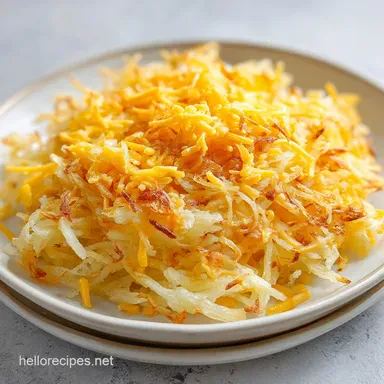
Cheesy Hash Brown Casserole: Failure-Proof
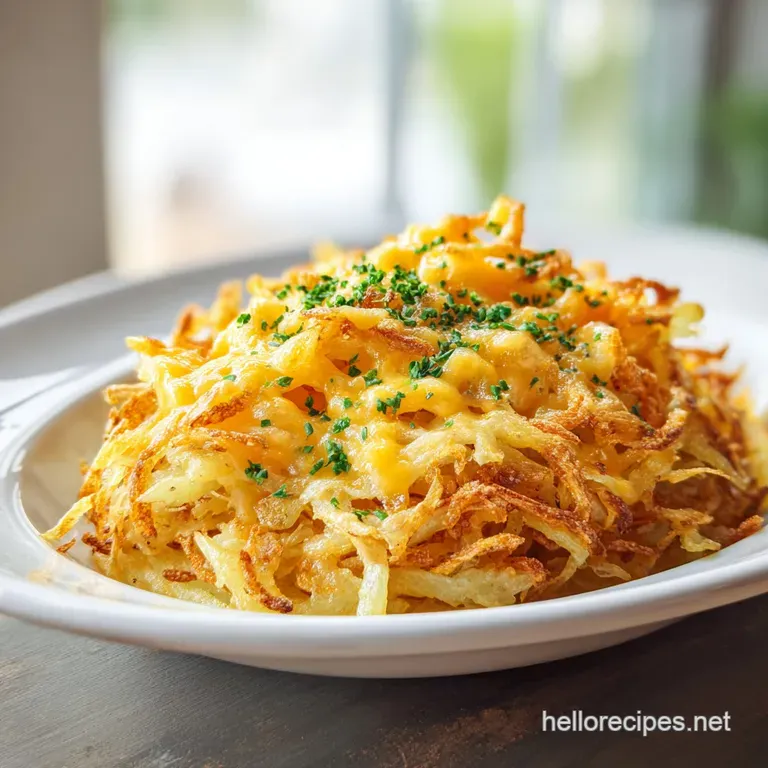
- Time: 10 min active + 45 min bake = Total 55 min
- Flavor/Texture Hook: Rich, sharp cheddar base with a mahogany gold, buttery crunch
- Perfect for: Holiday brunch, potlucks, or a cozy Sunday dinner
Hash Brown Casserole
Imagine the sound of a buttery cracker crust shattering under your spoon, followed by a cloud of steam smelling of sharp cheddar and toasted onions. That first bite is a clash of temperatures and textures - the searing heat of the bubbling edges meeting a cool, velvety center that melts on your tongue.
It's the kind of dish that makes people stop talking the moment it hits the table.
I remember the first time I tried making this for a family brunch. I was lazy and skipped drying the frozen potatoes, thinking the oven would just "evaporate" the extra water. I ended up with a pale, soupy mess that had the consistency of wet sand.
It was a total letdown until I realized the secret isn't just the ingredients, but how you manage the moisture and fat ratios.
Since then, I've played with different cheese blends and toppings to get that vibrant, rich profile. Whether you're making this as a classic side or trying a variation like hash brown casserole ii for a crowd, the goal is always that contrast: a crisp, salty top and a creamy, indulgent heart.
Trust me on this, don't skip the drying step.
The Secret to No Sogginess
I've spent a lot of time wondering why some casseroles stay firm while others collapse into a puddle. It comes down to a few simple mechanical tricks that keep the structure intact.
- Moisture Control: Thawing and patting dry the potatoes prevents excess water from thinning the sauce.
- Fat Barrier: The melted butter coats the potato shreds, creating a shield that stops them from absorbing too much liquid and becoming mushy.
- Cracker Insulation: A buttery topping creates a sealed layer that traps steam inside the potatoes while allowing the top to crisp up.
- Protein Binding: The sour cream and soup provide a thick, stable base that holds the cheese in suspension so it doesn't all leak to the bottom.
Right then, let's look at how this version compares to the "fast" versions you see online. I'm talking about those that just dump a can of soup and frozen potatoes together without any prep.
| Feature | Fast Method | This Classic Method | Impact |
|---|---|---|---|
| Potato Prep | Frozen/Direct | Thawed & Dried | No watery bottom |
| Topping | Plain crumbs | Butter tossed crumbs | Shatter crisp texture |
| Flavor Profile | One dimensional | Layered (onion/sharp cheese) | Vibrant, complex taste |
| Edge Texture | Soft/Pale | Mahogany gold bubbles | Savory, caramelized edges |
Recipe Specs
Before we get into the grit, let's map out the flavor. This dish is all about the balance between the heavy, rich fats of the butter and sour cream and the sharp, acidic punch of a high-quality Cheddar.
The Flavor Map:
- Base: Velvety, creamy, and savory
- Accents: Pungent yellow onion, sharp salty cheese
- Top: Toasted, buttery, and crisp
- Finish: A hint of black pepper warmth
This is a hearty dish, and according to the USDA FoodData, the combination of dairy and potatoes provides a significant energy boost, making it a staple for cold winter mornings.
The Essential Components
I like to think of this as a construction project. You have your structural element (potatoes), your binder (soup and sour cream), and your finish (cracker crumbs). If any one of these is off, the whole thing feels unbalanced.
Component Analysis
| Ingredient | Science Role | Pro Secret |
|---|---|---|
| Frozen Hash Browns | Structure | Dry them with a tea towel for 2 mins |
| Sharp Cheddar | Flavor/Binding | Grate it yourself; pre shredded has starch |
| Sour Cream | Acidity/Body | Use full fat for a silkier mouthfeel |
| Cracker Crumbs | Texture | Use Ritz or similar buttery crackers |
The Ingredient List
- 30 oz (850g) frozen shredded hash browns, thawed and dried Why this? Shredded style ensures the sauce coats every piece
- 2 cups (225g) sharp Cheddar cheese, shredded Why this? Sharpness cuts through the heavy cream
- 10.5 oz (298g) cream of chicken soup Why this? Provides the savory, thick base
- 1 cup (240g) sour cream Why this? Adds tang and a velvety texture
- 1/2 cup (115g) unsalted butter, melted Why this? Essential for richness and browning
- 1/4 cup (40g) yellow onion, finely diced Why this? Adds a subtle aromatic bite
- 1 tsp (6g) salt Why this? Enhances the cheese and potato flavors
- 1/2 tsp (3g) black pepper Why this? Adds a tiny bit of warmth
- 1/2 cup (60g) cracker crumbs Why this? Creates that signature shatter crisp top
- 2 tbsp (28g) unsalted butter, melted Why this? Ensures the crumbs brown evenly
Ingredient Swaps
If you're missing something or have a dietary restriction, don't panic. Most of these can be swapped without ruining the brown casserole ii.
| Original Ingredient | Substitute | Why It Works |
|---|---|---|
| Heavy Cream (via Soup) | Coconut Cream (full fat) | Similar fat content. Note: Adds coconut flavor best in tropical/spiced dishes |
| Sharp Cheddar | Gruyère or Fontina | Higher meltability. Note: More nutty, less "sharp" punch |
| Unsalted Butter | Vegan Butter | Mimics fat content. Note: Great for plant based variations |
| Cracker Crumbs | Panko Breadcrumbs | Lighter crunch. Note: Less buttery, needs extra melted butter |
Gear for the Job
You don't need a professional kitchen for this, but a few specific tools make the process a lot smoother. I usually reach for a large mixing bowl that's bigger than I think I need, because folding in 30 ounces of potatoes can get messy.
A silicone spatula is a lifesaver here. You want to "fold" the potatoes, not mash them, to keep those little shreds distinct. For the pan, a 9x13 inch glass or ceramic baking dish is the standard. Metal pans brown the edges faster, while glass provides a more even heat distribution for the center.
Bringing It All Together
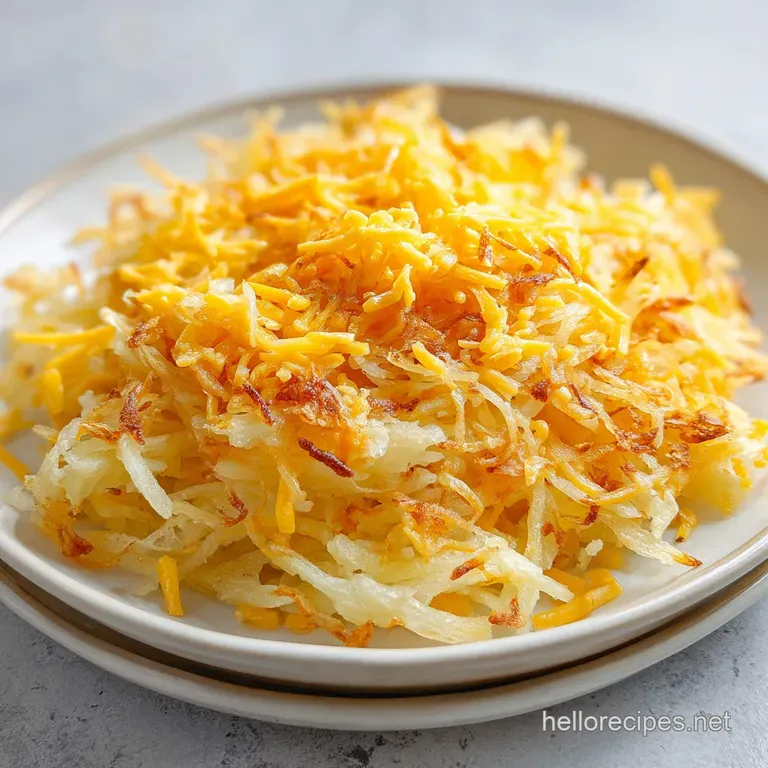
Right then, let's crack on. Make sure your potatoes are fully thawed; if they're still icy, they'll release water in the oven and you'll be back to that soggy mess I mentioned earlier.
Phase 1: The Foundation (Prep)
- Preheat your oven to 350°F (175°C) and grease a 9x13 inch baking dish with butter or non stick spray. Note: Greasing the sides prevents the cheese from sticking to the edges.
Phase 2: The Emulsion (Mixing)
- In a large bowl, combine the 1/2 cup melted butter, cream of chicken soup, and sour cream. Stir until the mixture is completely smooth and velvety.
- Stir the finely diced onions, salt, and pepper into the cream mixture. Note: Dicing the onion very small ensures you don't get large, raw chunks.
- Gently fold in the thawed hash browns and shredded Cheddar cheese using a spatula. Continue until every potato shred is evenly coated in the sauce.
Phase 3: The Golden Finish (Baking)
- Spread the mixture evenly into your prepared baking dish. Use the back of the spatula to smooth the top.
- In a small bowl, toss the cracker crumbs with 2 tbsp of melted butter and sprinkle them evenly over the top of the casserole.
- Bake for 40–45 minutes until the edges are bubbling and the top is deep mahogany gold.
Chef's Note: If you want an even deeper crust, pop the broiler on for the last 2 minutes, but watch it like a hawk. It goes from "golden" to "burnt" in about 30 seconds.
Fixing Common Mishaps
Even the best of us hit a snag. Usually, it's a matter of moisture or heat distribution.
Troubleshooting Common Issues
| Issue | Solution |
|---|---|
| Why Your Casserole is Watery | This is the most common issue. It usually happens because the potatoes weren't dried enough or the frozen shreds released water during the bake. If you see a pool of liquid, you can try draining it ca |
| Why the Top is Burnt but Center is Cold | This happens if your oven runs hot or if the casserole is too thick in the middle. If the top is browning too fast, tent it with foil for 15 minutes. This allows the center to catch up without scorchi |
| Why It Tastes Bland | Potatoes and cream are flavor sponges. If it tastes flat, you likely need more salt or a sharper cheese. A sprinkle of smoked paprika on top before baking can also add a vibrant, smoky depth. Troubl |
Common Mistakes Checklist
- ✓ Did I thaw the potatoes completely?
- ✓ Did I pat the potatoes dry?
- ✓ Is the oven preheated to exactly 350°F?
- ✓ Did I fold the mixture gently to avoid mashing?
- ✓ Are the cracker crumbs tossed in butter?
Swaps and New Flavors
Once you've nailed the basic brown casserole ii, you can start experimenting. I love playing with the "loaded" profile. Try adding 1/2 cup of cooked, crumbled bacon and some sliced green onions to the mix. It turns a side dish into a full meal.
For those looking for a different vegetable base, you can actually substitute some of the potatoes with baked sweet potatoes that have been mashed or cubed. This adds a bright, sweetness that contrasts beautifully with the salty cheese.
If you want a "Spicy Kick", stir in a tablespoon of diced jalapeños or a teaspoon of chipotle powder into the cream base. For a lighter alternative, you can replace the cream of chicken soup with a homemade béchamel sauce using skim milk and a bit of cornstarch.
Scaling Guidelines
Scaling Down (1/2 Batch) Use a 8x8 inch square pan. Reduce the baking time by about 20% (check at 30-35 mins). If the recipe calls for an egg (not in this version, but for others), beat one egg in a cup and use only half.
Scaling Up (2x Batch) Do not put all the mixture into one deep pan, or the center will never cook. Use two 9x13 pans. Increase salt and pepper to only 1.5x to avoid over seasoning.
Keep the oven temperature at 350°F but extend the time by 5-10 minutes as the oven will be more crowded.
Storage and Zero Waste
Leftovers are almost as good as the first batch, provided you reheat them correctly. Store any remaining casserole in an airtight container in the fridge for up to 4 days.
For freezing, let the casserole cool completely. Wrap it tightly in foil and then plastic wrap. It will stay good for about 2 months. When you're ready to eat, thaw it in the fridge overnight before reheating.
To reheat for maximum crispiness, avoid the microwave. Put the portion in a small oven safe dish and bake at 350°F for 15-20 minutes. This brings back that shatter crisp topping.
Regarding zero waste, don't toss your onion scraps. Save the skins and ends in a freezer bag to make a rich vegetable stock later. If you have leftover cracker crumbs, toast them in a pan with a bit of garlic powder and keep them in a jar to use as a crunchy topper for salads or roasted vegetables.
Serving and Pairing Ideas
This dish is a heavy hitter, so you need something bright to cut through the richness. A crisp arugula salad with a lemon vinaigrette is the perfect partner. The bitterness of the greens and the acidity of the lemon balance the velvety cheese.
For a full brunch spread, pair your Hash Brown Casserole with some fluffy scrambled eggs and fresh berries. If you're serving it as a holiday side, it goes brilliantly with a roasted turkey or a glazed ham. The saltiness of the ham complements the sharp cheddar perfectly.
Right then, you're all set. Just remember: dry the potatoes, butter the crumbs, and don't be afraid of that sharp cheese. Happy cooking!
Recipe FAQs
How to prevent the casserole from becoming watery?
Thaw and dry the frozen hash browns thoroughly before mixing. Excess moisture from frozen potatoes is the primary cause of a runny consistency.
What to do if the top browns too quickly but the center is still cold?
Tent the dish with aluminum foil for 15 minutes. This protects the cracker crumbs from burning while allowing the center to reach temperature.
Can I freeze this casserole for later?
Yes, it freezes well for up to 2 months. Cool the dish completely, wrap tightly in foil and plastic wrap, then thaw in the fridge overnight before reheating.
How to reheat leftovers while keeping the topping crispy?
Bake portions in a small oven safe dish at 350°F for 15 20 minutes. Avoid the microwave, as it softens the cracker crumb topping.
Is it true that I can use frozen hash browns without thawing them first?
No, this is a common misconception. Using frozen potatoes introduces too much moisture and prevents the sauce from coating the shreds evenly.
How to avoid a bland taste?
Check your salt and pepper measurements before baking. Ensure the sharp Cheddar is well distributed throughout the mixture to maximize flavor.
What should I serve with hash brown casserole?
Pair it with other classic holiday sides. It complements the savory profiles of a classic stuffing or roasted meats.
Cheesy Hash Brown Casserole