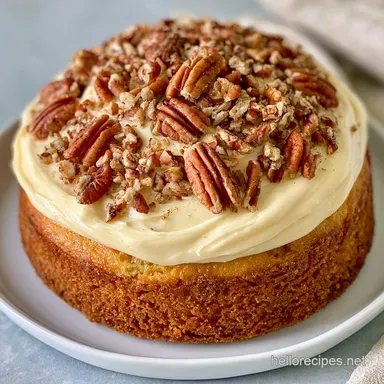
Southern Butter Pecan Cake: Rich and Toasted
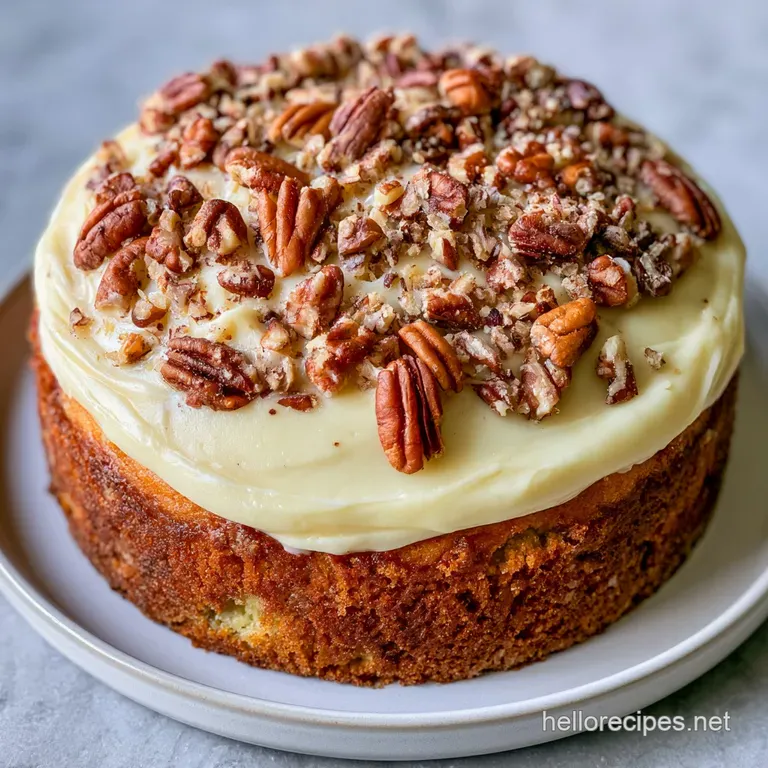
- Time: 30 min active + 25 min baking + 55 min cooling/frosting = Total 1 hours 50 mins
- Flavor/Texture Hook: Toasted nutty aroma with a silky, cream cheese finish
- Perfect for: Holiday gatherings or a high impact weekend treat
Butter Pecan Cake
The smell of butter browning in a skillet is, for me, the official scent of a kitchen that's actually having some fun. I remember the first time I tried to make a nut based cake, and I just tossed the pecans in raw. The result was a cake that tasted like... well, a generic sponge with some crunchy bits.
It lacked that soul satisfying depth that makes you close your eyes after the first bite.
That's why I'm obsessed with this specific approach. We aren't just adding pecans; we're building a flavor profile from the ground up. This Butter Pecan Cake is all about those contrasting layers - the saltiness of the browned butter, the tang of the sour cream, and the shatter of toasted nuts.
You can expect a cake that feels substantial but isn't heavy. It's got a tight, velvety crumb that holds up under a thick layer of frosting without collapsing. Trust me, once you see that golden brown butter bubbling in the pan, you'll never go back to softened sticks of butter again.
Why This Texture Hits
I've spent way too much time wondering why some cakes feel like cardboard while others feel like silk. It usually comes down to how the fats and acids play together in the bowl. For this Butter Pecan Cake, a few specific things are happening behind the scenes.
Brown Butter Magic: Removing the water from butter and toasting the milk solids creates a concentrated, nutty flavor. It also changes the fat structure, giving the cake a richer mouthfeel.
The Sour Cream Edge: The acidity in sour cream breaks down long gluten strands in the flour. This is why the cake feels tender rather than bready.
Pecan Coating: Tossing the nuts in a bit of flour before folding them in stops them from sinking. The flour acts like a little anchor, keeping the pecans suspended throughout the layers.
Egg Yolk Boost: Adding extra yolks increases the lecithin, which helps the fat and water bond better. This prevents the batter from breaking and ensures a smooth, consistent rise.
| Method | Time | Texture | Best For |
|---|---|---|---|
| Fresh Brown Butter | 15 mins | Deeply nutty & rich | High impact flavor |
| Melted Butter | 2 mins | Lighter & softer | Quick weeknight bakes |
| Creamed Butter | 5 mins | Traditional & airy | Classic birthday cakes |
The Flavor Building Blocks
To get this right, you need ingredients that work as a team. I'm a huge believer in using full fat dairy here because the butter pecan profile needs that richness to balance the sugar. If you're looking for other ways to use pecans in your baking, you might enjoy these Healthy Oatmeal Cookies for a lighter snack.
Component Analysis
| Ingredient | Science Role | Pro Secret |
|---|---|---|
| Browned Butter | Flavor Base | Cool it slightly so it doesn't scramble the eggs |
| Sour Cream | Tenderizer | Use full fat to prevent a "grainy" crumb |
| Pecans | Texture/Nuttiness | Toast them until they smell like roasted hazelnuts |
| Egg Yolks | Emulsifier | Room temperature is non negotiable for a smooth batter |
Ingredients & Substitutes
For the Cake Batter
- 1 cup (225g) unsalted butter, browned and cooled slightlyWhy this? Provides the signature toasted flavor
- 1.5 cups (300g) granulated sugarWhy this? Standard sweetness and structure
- 3 large eggs, room temperatureWhy this? Structure and lift
- 2 egg yolks, room temperatureWhy this? Extra richness and emulsion
- 1 tsp (5ml) pure vanilla extractWhy this? Rounds out the nutty notes
- 2.25 cups (280g) all purpose flourWhy this? Balanced protein for a sturdy cake
- 1 tsp (5g) baking powderWhy this? Primary lift
- 0.5 tsp (3g) baking sodaWhy this? Reacts with sour cream for extra rise
- 0.5 tsp (3g) saltWhy this? Balances the sugar
- 0.5 cup (120g) full fat sour creamWhy this? Moisture and tenderness
- 0.5 cup (120ml) whole milkWhy this? Adjusts batter consistency
- 1 cup (115g) pecans, toasted and choppedWhy this? The star ingredient
Substitution Options:
- Sour Cream: Full fat Greek Yogurt (Similar tang, slightly thicker)
- Whole Milk: Buttermilk (Adds more tang, may need a pinch more baking soda)
- All purpose Flour: Cake Flour (Lighter crumb, but the cake will be more fragile)
For the Cream Cheese Frosting
- 8 oz (225g) full fat cream cheese, softenedWhy this? Tangy contrast to the butter
- 0.5 cup (115g) unsalted butter, softenedWhy this? Stability and smoothness
- 3 cups (360g) powdered sugarWhy this? Sweetness and structure
- 1 tsp (5ml) vanilla extractWhy this? Flavor harmony
- 2 tbsp (30ml) heavy creamWhy this? Adjusts the spreadability
For the Garnish
- 0.5 cup (55g) pecans, toasted and halvedWhy this? Visual appeal and crunch
- 1 tbsp (15g) melted butterWhy this? For a professional glisten
- 1 pinch (1g) flaky sea saltWhy this? Cuts through the richness
Tools for the Job
You don't need a professional kitchen, but a few things make this Butter Pecan Cake much easier. I personally use a stand mixer such as KitchenAid to get the butter and sugar truly fluffy, but a hand mixer works if you've got the arm strength.
- Two 9 inch cake pans (Round)
- Parchment paper (Essential for a clean release)
- Fine mesh sieve (For the dry ingredients)
- Silicone spatula (For folding in the nuts)
- Digital kitchen scale (For precision)
- Small skillet (For browning the butter and pecans)
Steps to the Bake
Right then, let's crack on. Pay attention to the sensory cues - they're more important than the timer.
- Brown the butter in a skillet over medium heat, whisking constantly until the solids turn golden brown and smell nutty. Remove from heat and let cool for 10 minutes Note: Don't let it turn black or it'll taste burnt.
- In the same skillet, toast pecans for 3-5 minutes until fragrant and slightly darkened. Let them cool and toss lightly with one tablespoon of the measured all purpose flour.
- Using a stand mixer on medium high, cream the browned butter and granulated sugar until pale and fluffy Note: This incorporates air for a better rise.
- Add eggs and egg yolks one at a time, beating well after each addition. Stir in the vanilla extract.
- Sift together the flour, baking powder, baking soda, and salt. Alternately add the dry ingredients and the sour cream/milk mixture to the butter mixture, beginning and ending with dry ingredients.
- Gently fold in the floured, toasted pecans using a spatula until just combined.
- Divide the batter equally between two greased and parchment lined 9 inch cake pans. Bake for 25 minutes until a toothpick comes out clean and the edges pull away slightly from the pan. Cool completely on a wire rack.
- Prepare the frosting by beating softened cream cheese and butter together until smooth. Gradually add powdered sugar, vanilla, and heavy cream until fluffy.
- Frost the cooled cake layers. Garnish the top with toasted pecan halves, a drizzle of melted butter, and a pinch of flaky sea salt.
Solving Common Cake Glitches
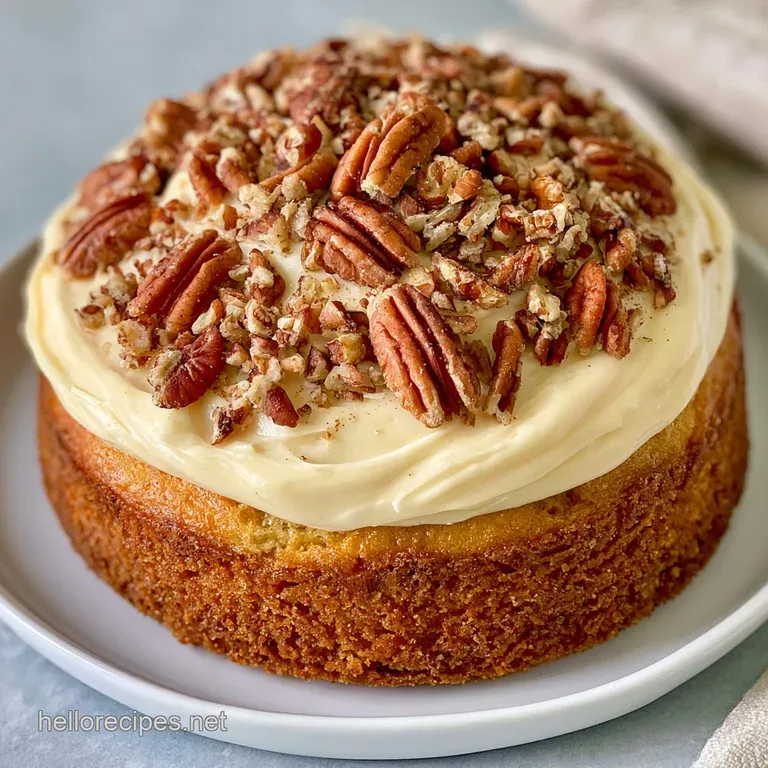
Even for experienced bakers, a Butter Pecan Cake can occasionally act up. Most issues stem from temperature or over mixing. If you've ever had a cake that felt more like a rubbery puck than a sponge, you've probably over worked the flour.
Troubleshooting Common Issues
| Issue | Solution |
|---|---|
| Why Your Cake Sank | If the middle dips, it's often because the oven door was opened too early, letting out the heat, or the baking soda was expired. According to King Arthur Baking, en |
| Why Your Frosting is Runny | This usually happens when the butter or cream cheese is too warm, or you added too much heavy cream. Put the frosting in the fridge for 15 minutes and beat it again. |
| Why the Batter Separated | If the batter looks curdled, your eggs were likely too cold. You can fix this by adding a tablespoon of your measured flour to the mix and beating it on high for 30 seconds. |
Common Mistakes Checklist
- ✓ Did you cool the browned butter? (Prevents eggs from cooking)
- ✓ Are eggs room temperature? (Ensures a stable emulsion)
- ✓ Did you use parchment paper? (Prevents sticking)
- ✓ Did you sift the dry ingredients? (Avoids lumps in the batter)
- ✓ Did you avoid over mixing? (Keeps the crumb tender)
Creative Flavor Twists
Once you've nailed the base, you can start playing with the profile. If you're in the mood for something even more decadent, you might try a German Chocolate Cake for those coconut and pecan vibes.
- Maple Butter Pecan: Replace the vanilla in the frosting with 2 tablespoons of pure maple syrup and a pinch of cinnamon.
- The "Salted" Version: Increase the sea salt on top and add a teaspoon of espresso powder to the batter to deepen the butter flavor.
- Fruit Contrast: Add a layer of fresh raspberry jam between the cake layers to cut through the richness of the Butter Pecan Cake.
- gluten-free Shift: Use a 1:1 gluten-free flour blend. Note that the cake may be slightly denser and require 5 more minutes of bake time.
Adjusting the Size
If you're baking for a smaller group, you can halve the recipe. Use two 6 inch pans instead of 9 inch. Reduce the bake time by about 20%, and since you can't easily halve an egg, beat one egg in a bowl and use half of the liquid by weight.
For a larger party, I recommend doubling the recipe but baking in batches. Don't try to crowd your oven, as it messes with the airflow. If you double the frosting, reduce the heavy cream by about 10% to ensure it stays stiff enough to hold the weight of the larger cake.
Kitchen Myths
There are a lot of "rules" floating around that are actually just noise. Let's clear some up so you can bake with confidence.
The "Sifting" Myth: Some say sifting is purely for removing lumps. While that's true, in a Butter Pecan Cake, it also aerates the flour, which helps the cake rise more evenly without needing to over mix the batter.
The "Butter Temp" Myth: You'll hear that butter must be "softened" for every cake. In this case, we use browned butter, which is liquid. The structure comes from the creaming of that liquid fat with sugar and the stabilization from the extra egg yolks.
Preservation Secrets
Because of the sour cream and high fat content, this cake stays moist longer than a standard sponge. However, the cream cheese frosting is the part that needs the most care.
Fridge and Freezer Store the cake in an airtight container in the fridge for up to 5 days. If you're freezing it, I recommend freezing the cake layers individually, wrapped tightly in plastic wrap and foil. They'll last 3 months. When you're ready, thaw them in the fridge overnight before frosting.
Zero Waste Tips Don't throw away the leftover brown butter solids if you have any in the pan - stir them into your morning oatmeal for a nutty boost. If you have leftover pecan halves, toast them and toss them into a salad or use them as a topping for a vibrant plant based yogurt bowl.
The Best Side Pairings
A Butter Pecan Cake is a heavy hitter, so you want pairings that cleanse the palate or add a bit of brightness.
The Beverage Pairing A sharp, cold glass of whole milk is the classic choice. However, if you want something more sophisticated, a hot Earl Grey tea provides a citrusy contrast that cuts through the richness of the cream cheese.
The Dessert Platter If you're serving this as part of a spread, pair it with fresh berries (raspberries or blackberries) and a few slices of tart Granny Smith apples. The acidity of the fruit prevents the dessert course from feeling too cloying.
Recipe FAQs
What is the best flavor frosting for butter pecan cake?
A cream cheese and butter frosting. The slight tanginess of the cream cheese perfectly balances the rich, nutty notes of the browned butter and pecans.
How to prevent the cake from sinking in the middle?
Keep the oven door closed until the baking time is complete. Opening the door too early releases critical heat, which can cause the structure to collapse.
How to fix runny cream cheese frosting?
Refrigerate the frosting for 15 minutes. After chilling, beat it again to achieve a stiffer, fluffier consistency.
Why did my batter separate or look curdled?
Your eggs were likely too cold. Ensure all eggs and yolks are at room temperature to maintain a stable emulsion. If you nailed the stable emulsion in this batter, apply the same mixing principle to our classic chicken salad.
Is it true I can skip browning the butter to save time?
No, this is a common misconception. Browning the butter is essential for the deep, toasted aroma and flavor that defines this specific cake.
How to keep the pecans from sinking to the bottom of the cake?
Toss the toasted pecans in a tablespoon of all-purpose flour. This creates a surface that helps the nuts grip the batter instead of sliding to the bottom during baking.
Can I use cold eggs instead of room temperature ones?
No, use room temperature eggs. Cold eggs can cause the creamed butter to seize, which ruins the batter's texture and lift.
Butter Pecan Cake for 12 Servings