Bruschetta Chicken Pasta: Concentrated Flavor
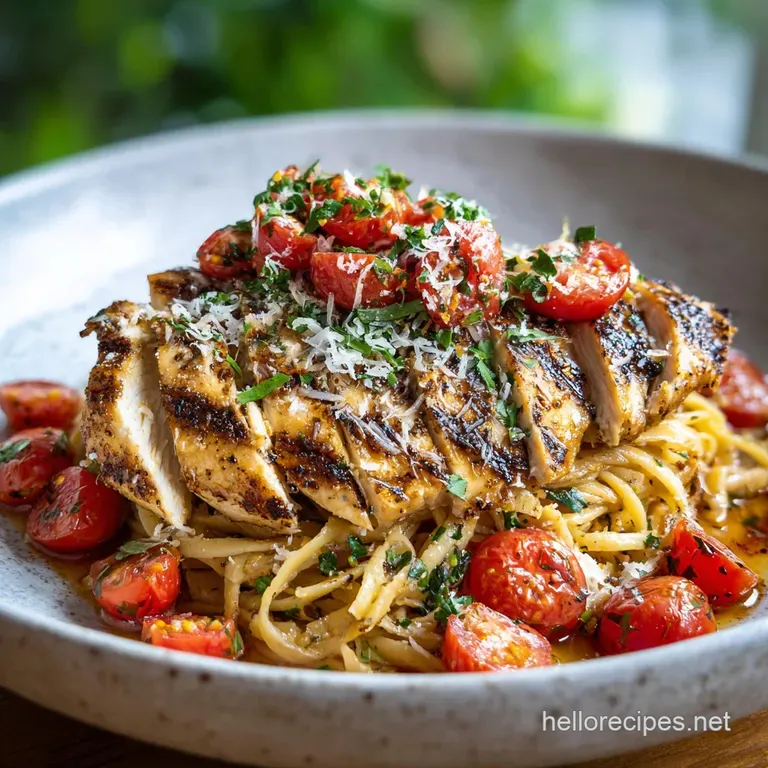
- Time: Active 15 minutes, Passive 15 minutes, Total 30 minutes
- Flavor/Texture Hook: Zesty tomatoes meeting velvety pasta
- Perfect for: High performance weeknight refueling
- Dynamic Gastronomy Behind This Bruschetta Chicken Pasta
- Innovative Precision Benchmarks for Success
- Sustainable Elements for Layered Flavor
- Essential Tools for Gastronomic Results
- Phased Assembly for Complex Profiles
- Resolving Texture and Structural Issues
- Adaptive Variations for Custom Layers
- Debunking Common Kitchen Myths
- Sustainable Preservation and Reheating
- Synergistic Pairings for Your Dish
- Recipe FAQs
- 📝 Recipe Card
Dynamic Gastronomy Behind This Bruschetta Chicken Pasta
The first time I attempted a version of this Bruschetta Chicken Pasta, I made the mistake of throwing cold, raw tomatoes directly onto hot pasta. The result was a watery, lukewarm mess that lacked any structural integrity.
I realized then that gastronomy isn't just about mixing ingredients; it's about managing moisture and temperature to build layers of flavor. Now, when I hear the sharp sizzle of the chicken hitting the hot oil, I know I've mastered the thermal timing required for that golden crust.
Building this dish is an exercise in innovative texture management. You start with the cooling, acidic crunch of the Roma tomatoes and then bridge that gap with the warm, savory notes of seared chicken.
It's a calculated balance where the heat of the penne gently softens the garlic without losing its sharp, aromatic edge. We're moving away from heavy, masking sauces and moving toward a sustainable way of eating that celebrates the raw essence of the Mediterranean pantry.
This isn't just a meal; it's a technical process of layering. We're using the residual heat of the 12 oz dry penne pasta to bloom the Italian seasoning and melt the Parmesan just enough to create a silky, weightless coating.
Trust me, once you see how the balsamic glaze interacts with the chicken's juices, you'll never go back to jarred sauces.
The Molecular Fusion of Lycopene
Osmotic Pressure: Salt draws internal moisture out of the tomatoes, creating a concentrated brine that mixes with the olive oil to form a raw sauce. This technological shift ensures the tomatoes stay firm while releasing enough liquid to coat the penne.
Innovative Precision Benchmarks for Success
| Cooking Method | Time Investment | Textural Result | Strategic Benefit |
|---|---|---|---|
| over High heat Sear | 12 minutes | Shatter crisp exterior | Maximum Maillard reaction |
| Cold Maceration | 15 minutes | Vibrant, juicy | Preserved enzyme integrity |
| Hybrid Bake | 25 minutes | Soft, integrated | Consistent temperature |
Understanding the difference between these methods allows you to control the final mouthfeel of the dish. While a bake provides a more unified flavor, the over high heat sear preserved in this Bruschetta Chicken Pasta ensures the chicken remains succulent rather than steaming in the oven.
Chef Science: Grating your Parmesan from a solid block rather than using pre shredded cheese is a game changer for emulsification. Pre shredded versions are coated in potato starch or cellulose to prevent clumping, which interferes with the cheese's ability to melt into a velvety coating.
Sustainable Elements for Layered Flavor
Choosing your components with a focus on quality over quantity is the hallmark of modern gastronomy. For the best Bruschetta Chicken Pasta, we focus on high water content tomatoes and lean protein.
- 4 large Roma tomatoes (400g): These provide the structural base. Why this? They have fewer seeds and more meat for a chunky texture.
- 1 lb chicken breasts: Sliced into thin cutlets for rapid heat transfer. Why this? Thin cutlets sear before the interior dries out.
- 12 oz dry penne pasta: The ridges (rigate) are essential. Why this? They trap the balsamic glaze and olive oil.
- 1/4 cup fresh basil: Added at the very end. Why this? High heat destroys the delicate aromatic oils.
- 3 cloves garlic: Minced finely for even distribution.
- 2 tbsp extra virgin olive oil: Provides the fat necessary for the sauce.
- 1/2 cup freshly grated Parmesan cheese: Adds the necessary salt and umami.
| Original Ingredient | Substitute | Why It Works |
|---|---|---|
| Roma Tomatoes | Cherry Tomatoes | Higher sugar content. Note: Result will be sweeter and less acidic. |
| Penne Pasta | Chickpea Pasta | Sustainable protein boost. Note: Texture is grainier; don't overcook. |
| Balsamic Glaze | Red Wine Vinegar + Honey | Replicates acidity and sweetness. Note: Lacks the viscous, syrupy finish. |
Using the right pasta is crucial for the structural integrity of the dish. If you find yourself wanting a more traditional cream based profile, you might enjoy the technique used in my Sautéed Chicken Pasta recipe which focuses on a different style of emulsification.
Essential Tools for Gastronomic Results
To achieve that specific "shatter" on the chicken skin while maintaining a tender core, your equipment needs to be up to the task. A heavy bottomed stainless steel or cast iron skillet is non negotiable for heat retention.
- Large Skillet: Ensures the chicken cutlets have enough space to sear without crowding.
- Chef's Knife: Sharpness is key to dicing tomatoes without bruising the cell walls.
- Large Pasta Pot: Needs to hold at least 4 liters of water for 12 oz of penne.
- Microplane: For achieving a snow like texture with the Parmesan cheese.
- Mixing Bowl: Non reactive (glass or stainless) for macerating the tomatoes.
Phased Assembly for Complex Profiles
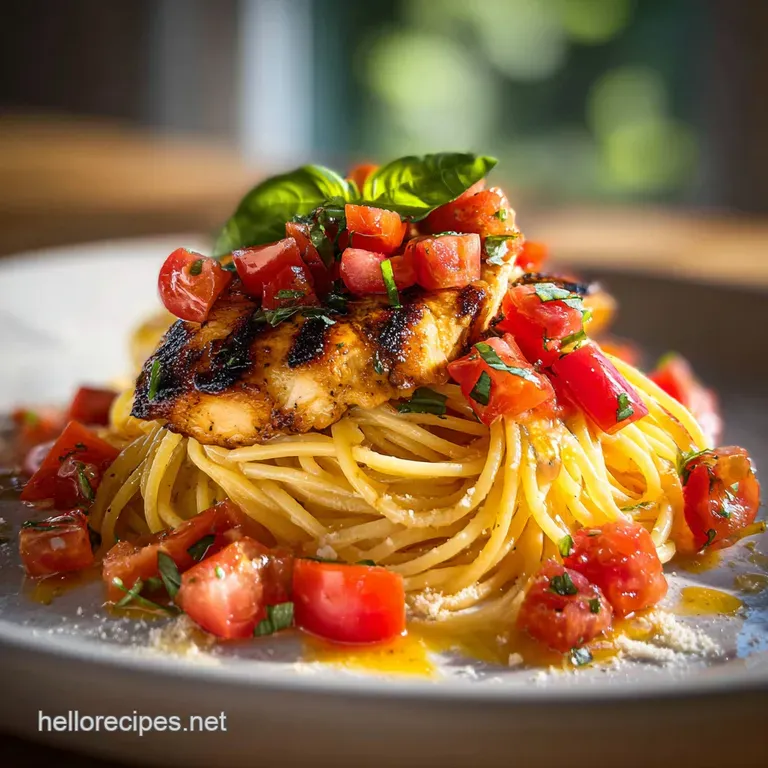
1. Bruschetta Base Preparation
Begin by dicing your 4 large Roma tomatoes into 1cm cubes. Combine them in a glass bowl with 3 minced cloves of garlic, 2 tbsp extra virgin olive oil, 1/2 tsp kosher salt, and 1/4 tsp pepper. Allow this to sit for 15 minutes until a pool of red liquid forms at the bottom.
This is your raw sauce.
2. Chicken Searing Technique
Season your 1 lb of chicken cutlets with 2 tbsp dried Italian seasoning. Heat 2 tbsp olive oil in your skillet over medium high heat. Place the chicken in the pan and cook for 4 minutes per side until the exterior is golden and crisp.
Note: Don't move the chicken too early or you'll lose the crust.
3. Pasta Hydration Process
Boil your 12 oz dry penne pasta in salted water. Cook for approximately 10 minutes until the texture is al dente with a slight bite. Reserve 1/2 cup of the cloudy pasta water before draining.
4. Flavor Layer Integration
Add the cooked penne directly into the skillet with the chicken (which should be sliced into strips now). Pour in the tomato mixture including all the accumulated juices. Toss vigorously over low heat until the pasta looks glossy and vibrant.
5. Emulsification and Finishing
Sprinkle in the 1/2 cup freshly grated Parmesan. If the dish looks dry, add the reserved pasta water 1 tablespoon at a time. The starch in the water will help the oil and cheese bond.
6. Aromatic Topping
Fold in the 1/4 cup fresh basil chiffonade and drizzle with 1 tbsp balsamic glaze. Serve immediately while the basil is still bright green and fragrant.
Resolving Texture and Structural Issues
Even with the best technology in the kitchen, variables like humidity and stove calibration can impact your Bruschetta Chicken Pasta. One common issue is the garlic burning before the chicken is cooked. If this happens, your sauce will turn bitter and ruin the fresh profile of the tomatoes.
Salting Tomatoes for Enhanced Moisture
If your pasta feels dry, it's often because the tomatoes didn't release enough juice. This usually happens if they weren't salted early enough. Ensure you give the tomatoes at least 15 minutes to sit; this osmotic stage is what creates the "sauce" without needing heavy cream.
Pasta Water Emulsification Mechanics
The liquid left behind from boiling pasta is liquid gold. It contains loosened starches that act as a natural thickener. If your cheese is clumping instead of melting, adding a splash of this hot, starchy water will stabilize the emulsion and create a velvety finish.
| Problem | Root Cause | Solution |
|---|---|---|
| Soggy Chicken | Pan Overcrowding | Sear in batches to maintain high surface temperature. |
| Greasy Pasta | Not Enough Pasta Water | Add starchy water to emulsify the olive oil and juices. |
| Dull Flavor | Low Acidity | Add an extra teaspoon of balsamic glaze or a squeeze of lemon. |
Common Mistakes Checklist
- ✓ Using cold chicken (let it sit at room temp for 10 minutes for an even sear).
- ✓ Draining the pasta water completely (always save a cup!).
- ✓ Adding basil to the hot pan (it will turn black and lose flavor).
- ✓ Using "shaky" can Parmesan (it won't melt into the sauce).
- ✓ Slicing tomatoes too small (they will turn into mush instead of chunks).
For those who want to experiment with different textures, the "The Crispy Chicken recipe" found in my Chicken Parmesan guide uses panko for a more aggressive crunch that still pairs beautifully with these tomatoes.
Adaptive Variations for Custom Layers
Sustainable Plant Based Adaptation
Replace the chicken with 400g of firm tofu that has been pressed and seared with the same Italian seasoning. Use a high-quality nutritional yeast or a vegan Parmesan alternative to maintain the umami profile without the dairy.
Mediterranean Heat Infusion
If you prefer a spicy kick, add 1 tsp of red pepper flakes to the olive oil before searing the chicken. This "blooms" the spice in the fat, distributing the heat evenly throughout the penne.
Serving Size Calculator
| Servings | Chicken Amount | Pasta Weight | Pan Size |
|---|---|---|---|
| 2 People | 1/2 lb | 6 oz | 10 inch Skillet |
| 4 People | 1 lb | 12 oz | 12 inch Skillet |
| 8 People | 2 lb | 24 oz | Large Stock Pot |
If you are scaling this up for a larger gathering, consider the logistics of the sear. You'll need to work in batches to ensure the chicken doesn't steam. For a different take on a crowd pleaser, you could also look into my Chicken Alfredo Penne Pasta recipe for a more indulgent, creamy alternative.
Debunking Common Kitchen Myths
Myth: You must rinse pasta after draining to stop it from sticking. Reality: Rinsing removes the essential starches needed to make the sauce stick to the penne. Simply toss it immediately with your tomato base to keep the strands or tubes separate.
Myth: Balsamic glaze is just reduced vinegar. Reality: Most commercial glazes include thickeners and sweeteners. If you want the true gastronomic experience, look for a "Traditional" label or reduce high-quality balsamic vinegar yourself until it coats the back of a spoon.
Sustainable Preservation and Reheating
Storage Guidelines: Store leftovers in an airtight glass container in the fridge for up to 3 days. Because this dish relies on fresh tomatoes, the texture will soften over time, but the flavors will actually deepen as the garlic and basil meld.
Reheating Technique: Do not use the microwave if you can avoid it, as it will make the chicken rubbery. Instead, place the pasta in a skillet over medium low heat with a splash of water or chicken broth.
Cover with a lid for 2 minutes to create steam, which will re hydrate the penne without overcooking the protein.
Zero Waste Tips: Don't throw away the tomato cores or the basil stems! Throw the tomato scraps into a freezer bag for your next vegetable stock. The basil stems can be steeped in olive oil for 24 hours to create a fragrant infused oil that's perfect for drizzling over future salads.
Synergistic Pairings for Your Dish
To round out the meal, focus on textures that contrast with the velvety pasta. A crisp green salad with a simple lemon vinaigrette provides the necessary acidity to cut through the richness of the Parmesan. If you're looking for a vegetable forward side, the techniques in my Tuscan Shrimp Pasta recipe offer great inspiration for quick cooking greens.
Finally,, a crusty loaf of sourdough is the perfect tool for "scarpetta" using the bread to soak up every last drop of the balsamic tomato emulsion at the bottom of the bowl. It's the most sustainable way to ensure no flavor goes to waste!
Recipe FAQs
What is Bruschetta Chicken Pasta?
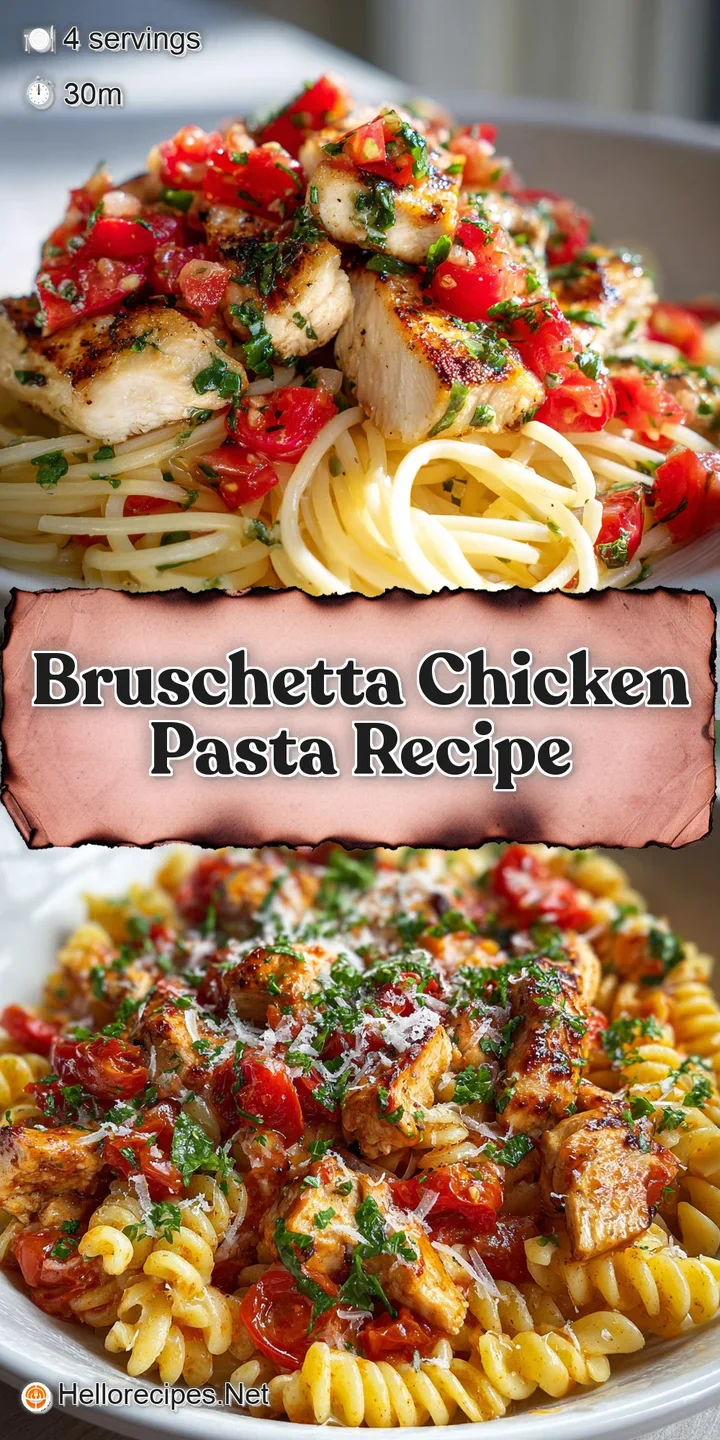
It's a pasta dish featuring chicken and bruschetta toppings. This recipe combines the fresh, zesty flavors of traditional bruschetta tomatoes, garlic, basil, olive oil with seasoned seared chicken and pasta, creating a vibrant and flavorful meal.
How do I prevent the chicken from drying out?
Sear chicken cutlets quickly over high heat. Thinly sliced chicken breasts cook rapidly, ensuring a golden brown crust while keeping the inside tender and juicy. Avoid overcrowding the pan to maintain high temperatures for optimal searing.
Can I use pre-shredded Parmesan cheese?
No, use freshly grated Parmesan for the best sauce. Pre-shredded cheeses contain anti caking agents that prevent them from melting smoothly into a velvety sauce. Freshly grated Parmesan emulsifies beautifully with the pasta water and olive oil.
What is the role of salting the tomatoes?
Salting draws out moisture to create a flavorful raw sauce. This process, known as osmotic pressure, concentrates the tomato juices and flavors, forming a vibrant dressing for the pasta without needing heavy cream. Let them sit for at least 15 minutes.
How do I make the sauce stick to the pasta?
Reserve and use the starchy pasta water. This cloudy liquid contains starches that act as a natural emulsifier, binding the olive oil, cheese, and tomato juices to create a glossy coating on the penne. If you enjoyed mastering stable emulsions here, see how we apply the same whisking method in our Foolproof 30Minute Shrimp Scampi Pasta Silky LemonGarlic Sauce.
Can I make this dish plant based?
Yes, substitute chicken with seared tofu or plant based protein. Press firm tofu to remove excess water, then sear it with the same seasonings as the chicken. Use a vegan Parmesan alternative or nutritional yeast for a cheesy, umami flavor profile.
How should I reheat leftovers?
Reheat gently in a skillet with a splash of liquid. Avoid the microwave, which can toughen the chicken. Place leftovers in a skillet over medium low heat with a little water or broth, cover for a few minutes, allowing steam to rehydrate the pasta without overcooking the protein.
Bruschetta Chicken Pasta
Ingredients:
Instructions:
Nutrition Facts:
| Calories | 681 kcal |
|---|---|
| Protein | 51.6 g |
| Fat | 23.1 g |
| Carbs | 66.3 g |
| Fiber | 3.8 g |
| Sugar | 4.1 g |
| Sodium | 525 mg |
