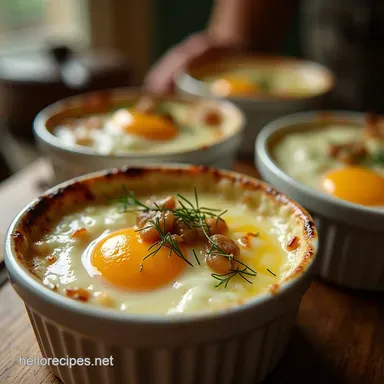
Perfectly Baked Eggs in Ramekins Eggs En Cocotte
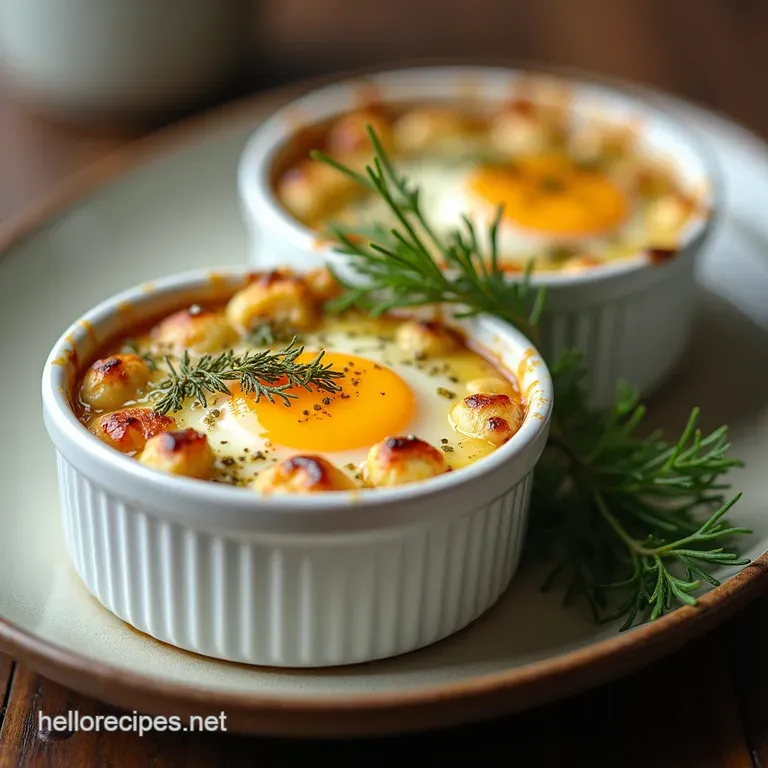
- Unveiling the Elegance of Baked Egg Preparations
- Why Eggs en Cocotte Redefine Sunday Brunch
- Curating Superior Components for Perfect Baked Eggs
- Essential Kitchen Arsenal for This Recipe
- Mastering the Baking Process: Step-by-Step Execution
- Transformations and Make-Ahead Strategies for These Egg Dishes
- Maximizing Flavor and Nutrition in Your Baked Eggs
- Recipe FAQs
- 📝 Recipe Card
Unveiling the Elegance of Baked Egg Preparations
When we explore the vast spectrum of culinary possibilities, few ingredients offer the versatility and universal appeal of the humble egg. From quick scrambles to elaborate layered creations, exploring Ways To Cook Eggs reveals a true mastery of texture and flavour.
While mastering techniques like perfect poaching or fluffy folding is rewarding, sometimes we crave an Egg Preparation that offers maximum impact with minimal last minute fuss. This is where the magic of baking enters the picture.
Forget the pan-flipping frenzy; baking allows for controlled, gentle heat delivery, yielding results that are impossibly silky and deeply satisfying. Our focus today shifts to one such elegant technique: eggs baked gently in individual vessels, a method that elevates the breakfast table to bistro standard.
Why Eggs en Cocotte Redefine Sunday Brunch
The French technique Œufs en Cocotte , or eggs baked in small pots, stands as the pinnacle of refined simplicity. Instead of aiming for the rapid, direct heat of frying or scrambling, this method employs gentle, moist heat to produce a delicate custard like set around a perfectly molten yolk.
This approach places it high on the list of impressive yet easy Egg Cooking Methods Guide options for entertaining. Our rendition, Perfectly Baked Eggs in Ramekins (Eggs en Cocotte) with Dill Cream & Crispy Shallots , achieves a luxurious mouthfeel that few other Different Egg Preparations can match.
It’s an inherently elegant dish that tastes significantly more complicated than its straightforward execution suggests.
Beyond Scrambled: Elevating Your Morning Routine
While a quick scramble certainly has its place in efficient morning rushes, the cocotte offers a luxurious pause. When you compare the immediate gratification of scrambling with the patient, enveloping warmth of a baked egg, the difference is palpable.
This technique allows the secondary flavours the rich cream, the aromatic herbs to fully meld with the egg structure as it sets, creating a unified, deeply savoury experience that far surpasses the average morning offering.
Mastering this specific style shows an appreciation for nuanced textures, moving beyond basic Egg Preparations for Breakfast into something truly memorable.
The Allure of Individual Portions in Ramekins
Baking in individual ramekins provides inherent elegance. Presentation is instantly solved; there’s no need for fussy plating or arranging slices of smoked salmon on a shared platter. The portion is contained, perfectly sized, and oven safe.
On top of that,, these individual servings are perfect for ensuring consistent results for everyone at the table. When learning How To Cook Eggs Efficiently for a group, managing four separate but identical baking environments is far simpler than trying to keep a large batch of scrambled eggs warm and fluffy without turning them rubbery.
Setting the Stage: A Luxurious Yet Simple Start
To create our Soft Egg centrepiece, we begin by layering richness. We prepare a fragrant base using crème fraîche whipped with fresh dill, which cradles the egg before it enters the oven. This creamy blanket not only imparts flavour but also acts as a buffer against the heat.
After cracking the fresh egg directly atop this mixture, we introduce a final, textural element crispy fried shallots which will be applied once the dish emerges, providing a crucial, shatteringly crisp counterpoint to the soft interior.
Curating Superior Components for Perfect Baked Eggs
The success of any simple dish hinges entirely on the quality of its raw materials. Since the cooking time is short and the flavours are concentrated, selecting top-tier ingredients is non-negotiable for these premium Egg Preparations .
We are aiming for depth in flavour without complexity in method.
Related Recipes Worth Trying
- NoBake Chocolate Chip Edible Cookie Dough EggFree — Craving chocolate chip cookie dough This easy recipe for edible cookie dough skips the raw eggs and oven time So safe so simpleget scooping
- FailProof Baked Egg Custard Silky Smooth Traditional — Learn how to make egg custard that is perfectly silky smooth every time using the foolproof water bath method This traditional British dessert is pure comfort
- Healthy Vegetable Side Dishes Roasted Rainbow Root Veggies — Looking for easy healthy vegetable side dishes My Roasted Rainbow Root Veggies are bursting with flavor Vegan glutenfree and crowdpleasing Recipe here
Essential Kitchen Arsenal for This Recipe
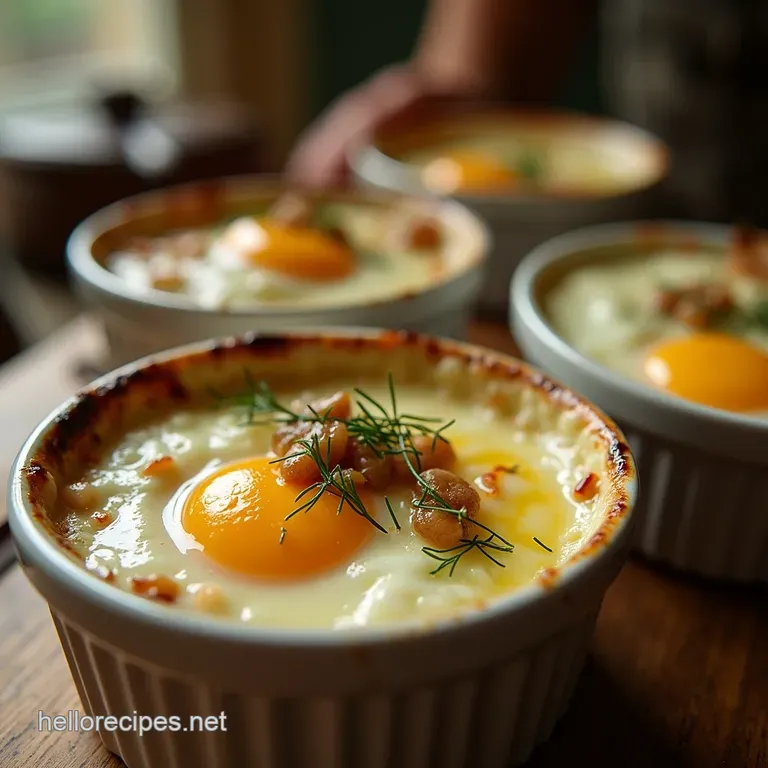
To execute the cocotte flawlessly, having the right tools makes the process intuitive. Beyond standard measuring cups and mixing bowls, precision in heat application is paramount.
Sourcing the Freshest Components: Eggs, Cream, and Smoked Salmon
For this recipe, which yields four servings, we require four large, high-quality eggs. Look for eggs with deep yellow or orange yolks, as they contribute significantly to the final colour and richness.
The cream component calls for crème fraîche, prized for its high fat content and subtle tang; this ensures the baked egg white achieves a velvety texture rather than becoming tough.
Finally, the smoked salmon must be thinly sliced a lox or cold smoked variety works best so it can gently warm and drape beautifully over the finished egg without overpowering the delicate dill notes.
The Aromatic Layer: Herbs and Seasonings Breakdown
Flavour comes from thoughtful layering. The primary herbal note comes from fresh dill, finely chopped and incorporated directly into the crème fraîche. This herb pairs classically with both eggs and salmon. Freshly ground black pepper is crucial, applied both under and over the egg white before baking.
For a final burst of freshness and colour, we reserve snipped fresh chives for garnishing right before serving. A light seasoning of salt in the cream base is necessary, though remember the smoked salmon already contributes significant salinity.
Crucial Cookware: What You Absolutely Need
The core piece of equipment for Baked Eggs is the ramekin itself we use four 6-ounce, oven safe dishes. These need to fit comfortably inside a larger, deeper baking dish.
This larger dish is essential because it facilitates the water bath, or bain marie , which is the secret weapon in achieving that perfect, evenly set white surrounding a runny yolk.
You will also need a small saucepan for frying the shallots until they achieve a deep golden hue and a slotted spoon for removing them from the hot oil.
Mastering the Baking Process: step-by-step Execution
With our components gathered, the execution is surprisingly streamlined. The process involves preparing the crunchy element first, then assembling the delicate base, and finally employing the gentle heat of the oven.
Preparing the Ramekins and Assembling the Base Layers
Begin by preheating your oven to 375° F ( 190° C). The preparation starts with the shallots, which are thinly sliced, lightly dusted in flour, and fried in neutral oil until crisp (about 3- 4 minutes).
Once golden, they are immediately drained and salted. While those drain, gently whisk your crème fraîche with the chopped dill, salt, and pepper. Spoon a small amount about one teaspoon of this dill cream mixture into the base of each prepared ramekin.
Next, crack one egg directly over the cream in each ramekin, taking care not to rupture the yolk. A final light dusting of pepper goes over the top surface of the egg white.
The Gentle Art of Water Bath Technique (Bain Marie)
This step is fundamental to successful Baked Eggs . Arrange the filled ramekins inside the larger baking dish. Boil water separately. Once hot, carefully pour the hot water into the larger baking dish until it reaches halfway up the sides of the ramekins.
This water acts as an insulating layer, ensuring the heat that reaches the eggs is gentle and diffused, preventing the bottoms and sides from overcooking before the centre has properly set. Slide the entire assembly onto the middle rack of your preheated oven.
Determining Doneness: Visual Cues for Perfect Yolk Consistency
Baking time will range between 15 and 20 minutes, depending on your oven's accuracy and whether your eggs started chilled or at room temperature. The crucial visual cue for a perfect Soft Egg is the white: the egg white must look opaque and set firmly around the edges, but the yolk should still exhibit a visible, gentle wobble when the dish is nudged.
This wobble signals that the interior is molten and creamy, achieving the ideal texture for dipping bread.
Final Touches: Garnishing These Premium Egg Preparations
Once removed carefully from the water bath using tongs, the dish is nearly complete. Allow them to rest for just one minute. At this stage, drape a thin slice of smoked salmon over the top of the warm egg. Sprinkle liberally with your reserved crispy shallots and the freshly snipped chives.
Serve immediately while the contrasting temperatures the warm egg and the cool salmon are at their peak.
Transformations and make-ahead Strategies for These Egg Dishes
While Œufs en Cocotte are best enjoyed immediately, thoughtful planning can streamline the process. If you are preparing these for a larger gathering, you can complete steps A through C (frying shallots, mixing cream, and assembling the ramekins, minus the egg) up to 12 hours in advance.
Keep the assembled ramekins covered in the refrigerator. When ready to cook, let them sit on the counter for 15 minutes to take the chill off before adding them to the hot water bath, slightly increasing the anticipated baking time by 3- 5 minutes.
Maximizing Flavor and Nutrition in Your Baked Eggs
This recipe offers a wonderful balance of protein and fats, making it a remarkably satiating meal. The high-quality protein supports energy levels, while the inclusion of rich crème fraîche and egg yolk provides necessary dietary fats.
To optimize the health profile further without sacrificing the luxurious feel, consider smart ingredient swaps.
Creative Ingredient Swaps: Vegetarian and Herbaceous Alternatives
For those seeking vegetarian Egg Preparations , simply omit the smoked salmon. To compensate for the flavour depth lost, sauté thin slices of wild mushrooms such as shiitake or cremini with garlic and thyme until browned, and place this mixture at the bottom of the ramekin beneath the dill cream.
Alternatively, if you enjoy herbaceous notes, replace the dill entirely with finely chopped fresh tarragon and add a teaspoon of high-quality Gruyère cheese to the cream mixture for a depth reminiscent of classic French omelettes.
Storage Protocols for Unbaked and Leftover Components
Any leftover crispy shallots should be stored in a completely airtight container at room temperature; moisture is their enemy, so refrigeration is discouraged. If you have any leftover cooked cocottes , they can be refrigerated for up to two days.
To reheat, place them in a moderate oven ( 300° F or 150° C) until warmed through, though be aware that the yolk will likely firm up significantly upon reheating.
Nutritional Snapshot: Why This Meal Powers Your Day
This meal is protein dense, driven by the egg and the smoked salmon, offering excellent satiety for a long morning. While the fat content is higher due to the crème fraîche and yolk, these are vital for nutrient absorption and flavour delivery.
It’s a decadent meal, but one rich in essential vitamins, particularly choline from the yolk, making it a powerhouse disguised as an indulgence.
Troubleshooting: Avoiding Overcooked Edges
The most common pitfall when learning How To Cook Eggs Efficiently in a water bath is overcooking the edges while trying to ensure the centre is set. If you find your egg whites are toughening before the yolk reaches that perfect wobble, your oven temperature might be too high, or the water in your bain marie might have been too cool when it entered the oven.
Always start with hot, nearly boiling water, and trust the visual cue of the wobble over strict adherence to the timer.
Recipe FAQs
I'm a beginner; are these "Eggs en Cocotte" as tricky as poaching?
Not a jot! Poaching is notoriously fiddly you’re basically wrestling an egg in simmering water. These baked eggs in ramekins are far more forgiving; the gentle water bath (bain marie) acts as insulation, meaning you just pop them in the oven and trust the process.
They are a brilliant way to elevate your standard egg preparations without the stress!
How do I know when these Egg Preparations are perfectly cooked with a runny yolk?
The key is visual cues and timing. For a lovely, runny centre, aim for about 15 17 minutes in a 375°F (190°C) oven. The whites should look completely set and opaque, but if you gently wiggle the ramekin, the yolk should still have a noticeable wobble.
If it looks completely firm, it’s probably overdone a bit like a solid yolk on your Sunday morning fry-up!
Can I make the crispy shallots ahead of time? I hate frying just before serving.
Absolutely, and that’s a cracking idea! The crispy shallots can be made up to three days in advance. Store them in an airtight container at room temperature, just like you would store your favourite packet of pork scratchings.
Just be sure they are totally cooled and drained of oil first, otherwise, they’ll go soggy before you can say 'pip pip!'.
My whites cooked fine, but the bottom of the egg feels rubbery. What did I do wrong with the water bath?
That usually means the water wasn't hot enough, or it didn't come high enough up the sides of the ramekins. The water bath is essential as it steams the egg evenly. Make sure you are using boiling water (or very hot water) when you pour it in, and ensure it comes at least halfway up the sides of your ramekins for that perfect, gentle bake.
What’s the best way to store leftovers if I don't eat them all at once?
These are best eaten fresh, as the texture of the yolk will inevitably change upon reheating. If you must store them, let the ramekins cool completely, cover them tightly with cling film, and refrigerate for up to two days.
To reheat, cover them loosely with foil and warm them gently in a low oven (around 300°F/150°C) for about 10 minutes until warmed through.
If I don't have crème fraîche, what's a good substitute for this Egg Preparations recipe?
Don't fret if the fridge is looking bare of crème fraîche; full fat Greek yogurt is the best substitute here, as it offers a similar tangy richness. You could also use heavy cream, but you might want to add a tiny squeeze of lemon juice to mimic the slight acidity of the original ingredient.
Baked Egg Ramekins Recipe