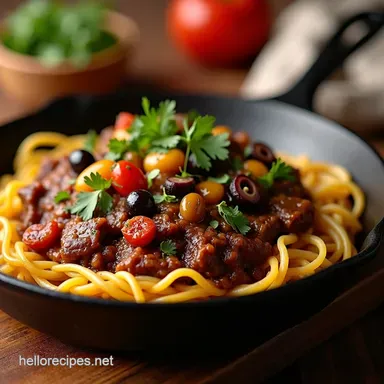
Onepan Cuban Comfort Authentic Beef Picadillo with Olives Raisins
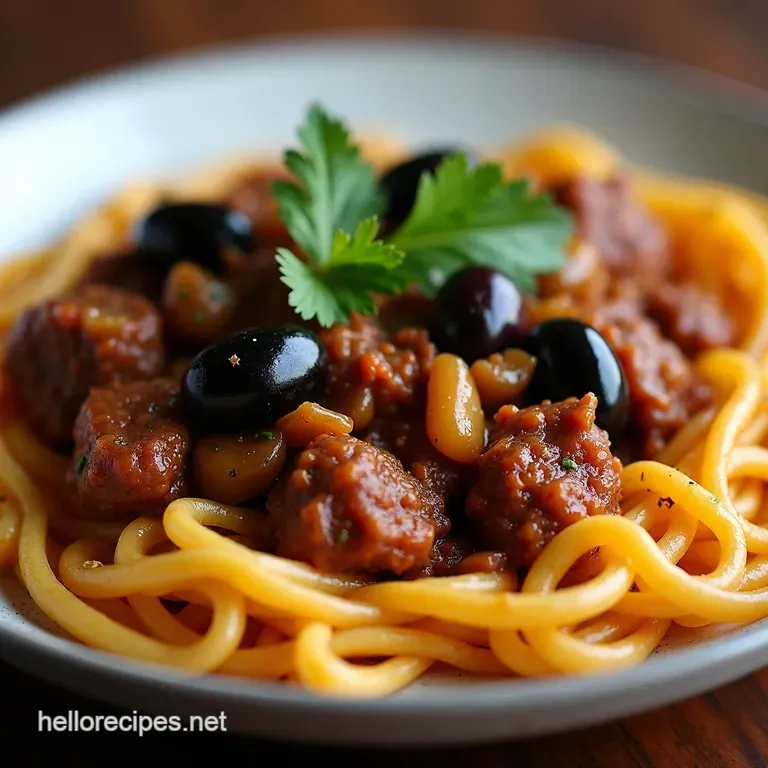
- Unlocking the Soul of Cuban Cuisine: Why This Picadillo Stands Out
- Gathering the Building Blocks for Glorious Cuban Beef Picadillo
- The Simmering Strategy: Transforming Ingredients into Picadillo Gold
- Elevating Your Cuban Beef Picadillo Beyond the Basics
- Storage Secrets for Next-Day Deliciousness
- Frequently Asked Questions
- 📝 Recipe Card
Unlocking the Soul of Cuban Cuisine: Why This Picadillo Stands Out
There is a magic inherent in food that travels across oceans and generations, adapting slightly but retaining its core identity. That magic is fiercely present in Cuban Beef Picadillo . This isn't just a simple hash; it's a culinary journey wrapped up in a single, savory sweet simmer.
If you are looking to explore authentic Cuban Dishes that offer deep satisfaction without demanding hours of complicated preparation, you have found your answer. This dish embodies the best of rustic Caribbean cooking bold, unpretentious, and deeply flavorful.
A Hearty Meal That Belongs On Every Weeknight Menu
While many elaborate meals require specialized techniques, the beauty of this Cuban style beef picadillo lies in its accessibility. It truly is a fantastic One Pan Meal .
Imagine transforming simple pantry staples into a rich, complex sauce that clings perfectly to fluffy white rice. The promise here is a comforting, filling dinner that proves world class flavour doesn't require Michelin stars just good ingredients and a bit of patience during the simmer.
For busy households craving something beyond the usual rotation, this recipe steps up as the ultimate weeknight hero.
Sweet, Savory, and Briny: The Perfect Balance Achieved
What sets this Beef Picadillo Recipe apart from a standard meat sauce is the masterful interplay of contrasting tastes. Where Italian ragu leans heavily into herbs and wine, Picadillo dances between salt, sugar, and acid.
The inclusion of plump golden raisins provides an unexpected burst of sweetness that tempers the acidity of the tomato. This sweetness is then expertly balanced by the sharp, briny pop of green olives.
Achieving this precise trinity of flavour is the secret to mastering the Cuban ground beef picadillo experience.
Tracing the Caribbean Roots of This Comfort Classic
The concept of picadillo —derived from the Spanish verb picar , meaning "to mince" or "to chop" is widespread throughout Latin America and the Philippines.
However, the Cuban iteration carries its distinct signature: the inclusion of those aforementioned sweet raisins and the specific preparation of the soffrito . It’s a reflection of historical trade routes and local agricultural abundance, resulting in one of the most beloved Comfort Dishes found in the region.
Every spoonful delivers a taste rooted firmly in Havana kitchens and family gatherings.
Gathering the Building Blocks for Glorious Cuban Beef Picadillo
Before we dive into the sizzle and scent that will fill your kitchen, let’s talk about the essential components. A phenomenal Cuban Picadillo Recipe relies on quality sourcing, particularly for the elements that define its unique profile.
Because this dish focuses on simplicity, the quality of your base ingredients truly shines through. Having everything prepped before you turn on the heat ensures a seamless cooking process from start to finish.
The Core Ground Beef and Aromatic Foundation
The heart of this recipe is, naturally, the ground beef. While you can use leaner cuts, I recommend a standard 85/15 blend. This slight fat content renders down beautifully during the long simmer, lending richness to the final sauce.
This meat must be properly paired with a vibrant soffrito —the aromatic base. We begin by gently sweating down one medium yellow onion and one green bell pepper until they are soft and translucent, releasing their natural sugars.
Immediately following that, we introduce four generous cloves of minced garlic, cooking just until fragrant, alongside the essential spices: earthy ground cumin and dried oregano.
Essential Sweet & Briny Inclusions: Raisins and Olives
These elements are non-negotiable for true authenticity. You will need about 1/3 cup of golden raisins. When cooked low and slow, these plump up, providing little pockets of concentrated sweetness.
Complementing this are about 1/2 cup of pitted Spanish style green olives, preferably those stuffed with pimento, which deliver that crucial salty tang. Remember, these "finishers" are generally added toward the end of the cooking process to ensure they retain their texture and pop.
Liquids and Seasonings: Achieving Umami Richness
The liquid matrix is what transforms the browned meat and vegetables into a cohesive sauce. We utilize three key liquids: a bright splash of dry white wine (or beef broth as a non-alcoholic alternative) for deglazing, 1 cup of rich beef broth for the main simmer, and an 8-ounce can of standard tomato sauce.
For seasoning, 2 tablespoons of light brown sugar are necessary to balance the tomato’s acidity, alongside salt, pepper, and a single, mandatory bay leaf to deepen the overall umami profile.
Equipment Check: What You Need Before You Start Sautéing
Success in this type of one-pot cooking hinges on even heat distribution. You must use a large, heavy bottomed skillet or a Dutch oven. This prevents scorching during the simmer phase and ensures the aromatics soften evenly at the start.
Beyond that, standard kitchen tools a wooden spoon for scraping, measuring implements, and a sharp knife for chopping will have you perfectly set up to create this fantastic Cuban Beef Picadillo with Rice .
Related Recipes Worth Trying
- Easy Cuban Picadillo Recipe Authentic Flavour in 30 Mins — Whip up this onepan Cuban Picadillo recipe for a rich savoury supper that tastes like Abuela made it Perfect for a quick weeknight dinner
- The Homestyle Hero Rich Tangy Mexican Picadillo — Our authentic Mexican Picadillo recipe features tender potatoes sweet raisins and savoury ground beef in a vibrant tomato base Learn how to make this easy...
- Best Bone Broth Recipe SlowSimmered Beef Gold — Stop buying watery stock Learn how to make homemade bone broth that sets like jelly This easy recipe guarantees rich flavour for soups and sipping
The Simmering Strategy: Transforming Ingredients into Picadillo Gold
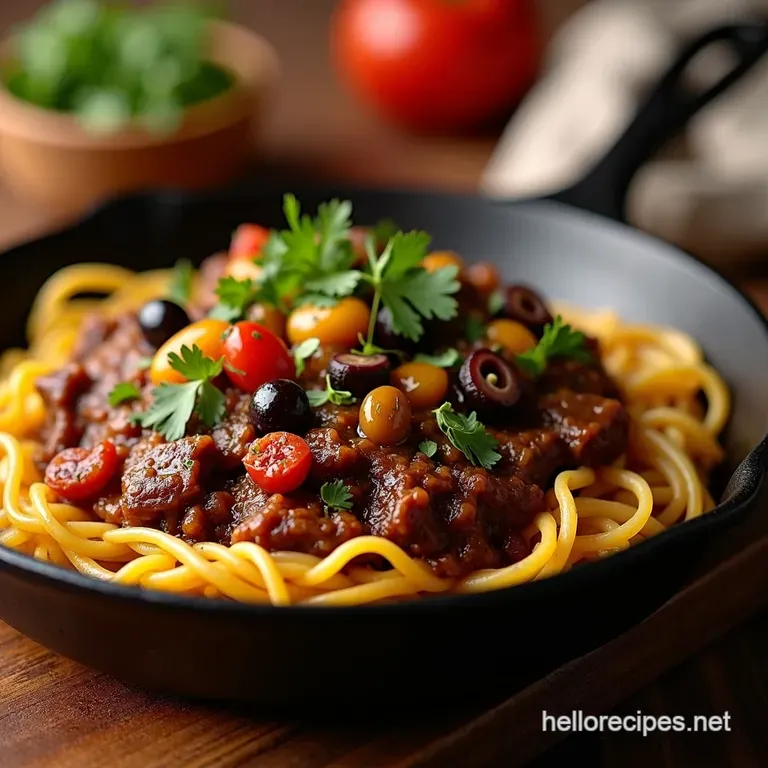
With all your components assembled and measured, the actual cooking process becomes a structured exercise in layering flavour. We are moving through distinct stages: building the aromatic base, browning the meat, introducing the depth from the liquids, and finally, allowing the magic of slow cooking to meld everything together.
Step One: Building the Sofrito Base
Begin by heating 2 tablespoons of olive oil in your large skillet over medium heat. Add the finely diced yellow onion and green bell pepper. It is critical here not to rush the process; cook them patiently for 6 to 8 minutes until they are beautifully soft and translucent.
This slow sauté extracts maximum sweetness from the vegetables. Next, stir in your 4 cloves of minced garlic, the cumin, and the oregano, cooking only for about 60 seconds until the spices become intensely fragrant this ‘blooming’ releases their oils.
Browning the Beef and Introducing the Wine Reduction
Push the soffrito mixture to the side of the pan, increase the heat slightly, and add the 1.5 lbs of ground beef. Break it up thoroughly and cook until it is completely browned through. If you notice significant excess fat, carefully drain most of it off now.
Once browned, pour in the 1/2 cup of dry white wine. Let this bubble enthusiastically, using your wooden spoon to scrape up every flavourful browned bit stuck to the bottom of the pan this technique, known as deglazing, adds immense depth. Allow the wine to reduce by half.
The Crucial Simmering Phase for Tenderizing the Flavours
Now, it’s time to build the sauce. Stir in the tomato sauce, the beef broth, the light brown sugar, salt, pepper, and the bay leaf. Bring the entire mixture up to a gentle simmer.
Once it’s bubbling lightly, reduce the heat to low, cover the pan slightly ajar to allow some steam to escape, and let it cook for a crucial 20 minutes. This period allows the spices to infuse the beef and the sauce to begin thickening naturally.
Final Adjustments and Resting Period Before Serving
After 20 minutes, remove the bay leaf it has done its job. Stir in your 1/2 cup of green olives and 1/3 cup of golden raisins. Let this cook for a final 5 minutes to heat the additions through.
If you are adding optional frozen peas for a touch of colour, stir those in during the last two minutes until bright green. Taste the final product; you may need a final pinch of salt or perhaps a tiny splash of red wine vinegar to make the flavours truly sing before removing it from the heat.
Elevating Your Cuban Beef Picadillo Beyond the Basics
While the foundational Cuban Beef Picadillo is spectacular on its own, a few simple additions or considerations can turn a great dish into an unforgettable one. The process doesn't end when you turn off the burner; the presentation and pairing are integral to the experience.
Storage Secrets for Next Day Deliciousness
One of the hallmarks of truly great Comfort Dishes is their improved flavour profile the following day. The spices deepen their penetration overnight. Store leftovers in an airtight container in the refrigerator for up to four days.
When reheating on the stovetop, you may need to add a splash of water or broth to loosen the sauce consistency.
Serving Suggestions: The Ultimate Companions for Picadillo
The classic pairing for Cuban Beef Picadillo with Rice is fluffy, perfectly cooked white rice, which acts as the ideal absorbent base for the rich sauce. To complete the authentic experience, you absolutely must serve it alongside slices of Maduros —sweet, caramelized fried plantains.
The combination of savory, sweet, and starchy components is unbeatable.
Creative Twists: Variations on the Classic Recipe
If you are feeling adventurous, consider adding some heat by incorporating a finely chopped jalapeño along with your bell pepper at the start, or use smoked paprika instead of some of the cumin for a smokier dimension.
Another wonderful twist is to fold in diced potatoes during the last 15 minutes of the simmer, turning it into a more complete stew like meal.
Freezing Instructions for Long Term Preservation
This recipe freezes exceptionally well, making it perfect for batch cooking. After the Picadillo has cooled completely, portion it into freezer safe containers, leaving about an inch of space at the top to account for expansion. Label clearly, and it will keep its quality for up to three months.
Thaw overnight in the refrigerator before reheating gently on the stovetop.
Frequently Asked Questions
How can I make my Cuban Beef Picadillo less sweet? I'm not a massive fan of the raisins!
It’s perfectly fine to scale back on the sweetness; it’s your kitchen after all! We recommend halving the quantity of raisins, or leaving them out entirely if you prefer a purely savoury dish.
If you do leave them out, consider adding a teaspoon of tomato paste with the tomato sauce for extra depth instead of relying on the sugar for balance.
Can I make a big batch of this Cuban Beef Picadillo? How should I store the leftovers?
Absolutely! Picadillo freezes beautifully, making it brilliant for batch cooking. Cool any leftovers completely, then store them in an airtight container in the fridge for up to four days, or freeze for up to three months.
When reheating, I suggest adding a splash of water or broth to prevent it from drying out on the stove.
My sauce seems a bit watery after simmering; how do I get that lovely thick texture you mentioned?
This usually happens if you cover the pot too tightly during the simmer. To fix it now, remove the lid completely and turn the heat up to medium low. Let it bubble gently for 5 10 minutes, stirring often, until the excess liquid evaporates and the sauce coats the back of a spoon.
Resist the urge to dump in flour; letting it reduce naturally concentrates the flavour!
What's the best way to serve this, traditionally speaking? I want it to feel authentic!
For the most classic Cuban presentation, you must serve it over fluffy white rice think fluffy enough that it doesn't clump together! On the side, you absolutely need some Maduros (fried sweet plantains) to provide that crucial sweet savoury contrast.
It's a proper plate of comfort food, just like Mum used to make!
I can't find ground beef readily available. Can I use something else in this recipe?
You certainly can, though the flavour profile will shift slightly. Ground pork makes a fantastic, slightly richer substitute, or you could try ground turkey for a leaner take. Just remember that leaner meats release less fat, so you might need an extra glug of olive oil when you start sautéing the vegetables.
Authentic Cuban Beef Picadillo