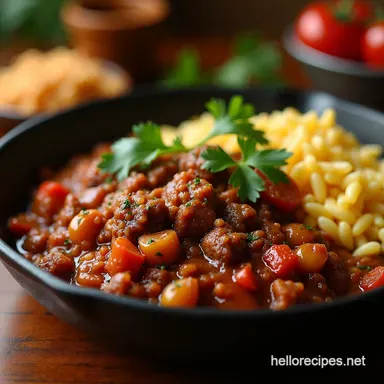
Havana Heatwave the Perfect Onepan Cuban Beef Picadillo
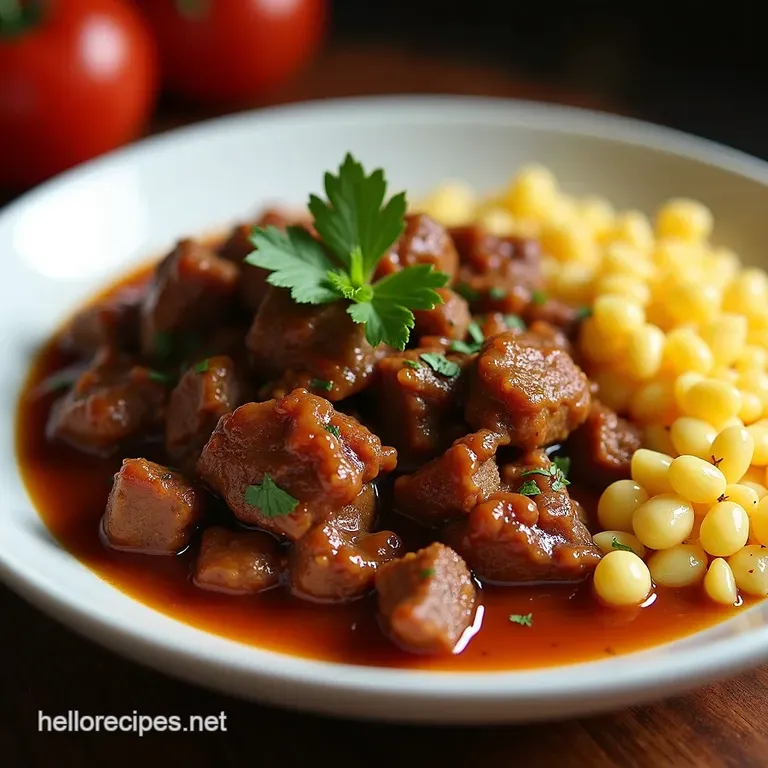
- Unlocking the Soul of Cuban Cuisine: Why This Picadillo Shines
- Assembling Your Cuban Beef Picadillo Pantry Essentials
- The Spice Symphony: Flavor Foundations
- The Authentic Cooking Journey: Crafting Your Dish
- Bringing It All Together: Simmering to Perfection
- Elevating Your Serving Game and Storing Leftovers
- Frequently Asked Questions
- 📝 Recipe Card
Unlocking the Soul of Cuban Cuisine: Why This Picadillo Shines
Right then, pull up a stool! As a chef who’s spent many a happy hour tinkering with the classics, I can tell you there’s nothing quite like a truly cracking Cuban Beef Picadillo .
It’s the sort of dish that tastes like a warm hug from Havana a beautiful balance of savoury, slightly sweet, and tart. This isn't just ground beef; this is Picadillo —a vibrant, flavour packed Cuban staple where seasoned minced beef simmers with tomatoes, olives, capers, and a subtle tang of vinegar and dried fruit.
It’s hearty, deeply savoury, and wonderfully complex, tasting as if it’s been bubbling away for hours, even though we’ll have it sorted in under an hour. Forget your usual weeknight mince; this is proper comfort food, perfect served straight from the pan or tucked into a lovely pastry.
More Than Just Ground Beef: Defining True Picadillo
When you see the term Cuban Ground Beef Picadillo , understand that this recipe goes far beyond simply seasoning mince. The magic lies in the interplay of ingredients the brine of the olives, the salty burst of capers, the unexpected sweetness of raisins, and the bright lift from vinegar.
It’s this specific combination that elevates it from a simple meat sauce to one of the most beloved Cuban Dishes . The goal is not uniformity, but complexity; every spoonful should offer a slightly different balance of salty, sweet, and acidic notes.
A Taste of Havana in Under an Hour
While many slow cooked dishes require an entire afternoon, one of the great joys of this Classic Cuban Beef Picadillo is its efficiency. With only about 20 minutes of active prep time and a modest 40-minute cook time, this dish delivers deep, satisfying flavour profiles that usually take twice as long to develop.
This makes it entirely accessible for a satisfying weeknight meal, proving that authentic flavour doesn't always demand hours over the stove.
Why This One-Pan Method Simplifies Dinner
We are focusing on a straightforward, single skillet approach for this Authentic Cuban Picadillo . This method ensures that every flavour introduced from the browned beef fond to the blooming tomato paste and simmering aromatics remains in the pot, layering beautifully upon the last.
This minimizes cleanup significantly while maximizing the concentration of flavour in the final sauce. If you were considering a Cuban Beef Picadillo slow cooker version, know that while that is a fine route for larger batches, the direct heat method yields superior caramelization right at the start.
Assembling Your Cuban Beef Picadillo Pantry Essentials
To execute this superb Cuban Style Beef Picadillo , you'll need ingredients that harmonize texture and taste. You’ll need 1.5 lbs of ground beef (ideally 80/20 for good flavour), one medium onion and green pepper finely diced, and four cloves of fresh garlic.
The backbone of the sauce relies on 2 tablespoons of tomato paste, 14.5 ounces of canned crushed tomatoes, and 1 cup of low-sodium beef broth. Remember, the saltiness will come from later additions, so keep initial seasoning light.
The Spice Symphony: Flavor Foundations
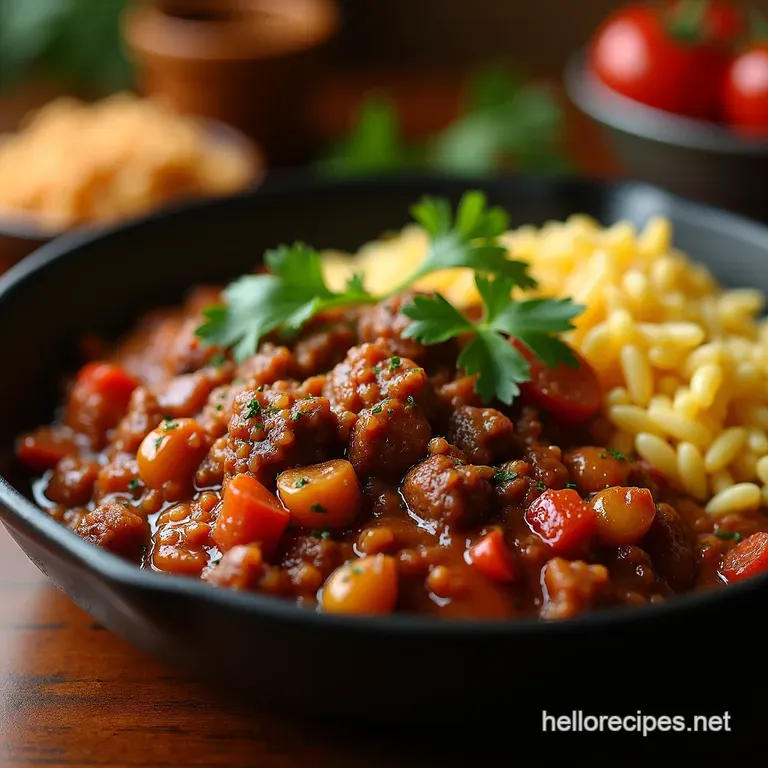
The spices used in this Picadillo Recipe are earthy and warm, providing a robust backdrop for the brighter, briny elements. We rely on 1 teaspoon of ground cumin and 1/2 teaspoon of dried oregano, complemented by a single bay leaf for depth during the simmer.
The careful application of these spices is what transports the dish straight to the streets of Havana.
Selecting Premium Ground Beef for Richness
For the best result in this Cuban Ground Beef Picadillo , I strongly recommend using ground beef that is around 80% lean to 20% fat. While leaner meat is certainly an option, the slight fat content renders out during the browning process, providing necessary richness that coats the rice beautifully when serving.
It’s crucial, however, to drain off the excess fat thoroughly once the meat is browned before moving on to sautéing the vegetables.
Crucial Condiments: Olives, Capers, and Raisins Explained
These three ingredients are non-negotiable for authenticity. We need 1/2 cup of sliced pimento stuffed green olives and 2 tablespoons of drained capers. These deliver the signature briny, salty punch that cuts through the richness of the beef.
Simultaneously, 1/4 cup of golden raisins introduces a necessary burst of sweetness, creating that classic savoury sweet equilibrium unique to this recipe. Don't be shy with these components; they define the dish.
Aromatics and Liquids: Building the Base Flavor Profile
The foundational layer starts with the sofrito —the finely diced onion and green bell pepper sautéed until tender. Garlic joins them briefly until fragrant.
After blooming the tomato paste, we introduce 1/4 cup of dry white wine (or substitute with extra broth) to deglaze the pan, lifting all those delicious browned bits from the bottom. This is followed by the beef broth and the crushed tomatoes, forming the main liquid body of the sauce.
Necessary Equipment for Seamless Preparation
Because this entire process relies on building layers of flavour in one vessel, a large, heavy bottomed skillet or a Dutch oven is essential. This ensures even heat distribution, preventing scorching during the initial browning and allowing for a gentle, consistent simmer later on.
A sturdy wooden spoon will be your best friend for scraping up that crucial fond from the bottom of the pan.
Related Recipes Worth Trying
- Authentic Cuban Beef Picadillo Recipe OnePan Comfort Food — Whip up proper sticktoyourribs Cuban Beef Picadillo in just one pan This recipe balances sweet raisins and briny olives for that iconic flavour A fantastic...
- Easy Cuban Picadillo Recipe Authentic Flavour in 30 Mins — Whip up this onepan Cuban Picadillo recipe for a rich savoury supper that tastes like Abuela made it Perfect for a quick weeknight dinner
- The Homestyle Hero Rich Tangy Mexican Picadillo — Our authentic Mexican Picadillo recipe features tender potatoes sweet raisins and savoury ground beef in a vibrant tomato base Learn how to make this easy...
The Authentic Cooking Journey: Crafting Your Dish
The real enjoyment of cooking this Cuban Beef Picadillo Recipe comes from seeing disparate ingredients transform into one cohesive, flavourful meal. It’s a method of building flavour intensity, starting with high heat for the meat and gradually lowering the temperature as liquids and delicate elements are introduced.
Patience during the sautéing phase is key to unlocking the full depth of the sofrito.
Bringing It All Together: Simmering to Perfection
With all components ready, the final stage is all about low, slow melding. This is where the vinegar balances the richness and the raisins plump up, releasing their sugars into the sauce.
Step 1: Browning the Beef and Building the Sofrito Base
Begin by heating 2 tablespoons of olive oil in your large skillet over medium high heat. Add the 1.5 lbs of ground beef, breaking it up well, and cook until completely browned. Drain off any substantial excess fat. Next, reduce the heat to medium.
Add the diced onion and green bell pepper, cooking slowly for about 5 to 7 minutes until they soften beautifully. Stir in the minced garlic for one minute until you can smell its wonderful aroma, being careful not to let it brown excessively.
Step 2: Introducing the Sweet and Tart Elements
Push the cooked vegetables to one side of the pan. Add the 2 tablespoons of tomato paste directly to the hot surface and cook, stirring constantly, for about 1 to 2 minutes until it darkens slightly this deepens the savoury character.
If using white wine, pour it in now, scraping the bottom of the pan until the liquid is almost evaporated. Return the beef to the pan, then stir in the cumin, oregano, beef broth, crushed tomatoes, and the bay leaf. Finally, stir in the olives, capers, and raisins. Season lightly now with salt and pepper.
Step 3: Achieving Optimal Simmer Time for Flavor Infusion
Bring the mixture up to a gentle bubble, then immediately reduce the heat to low. Cover the skillet partially, allowing steam to escape, and let the Cuban Beef Picadillo simmer for a minimum of 25 to 30 minutes.
This duration is essential for allowing the beef to absorb the aromatics and for the dried fruit to soften and meld into the sauce, creating that signature complexity. Stir every 10 minutes to prevent sticking.
Step 4: Final Seasoning Adjustments for Cuban Beef Picadillo Excellence
Once the simmering time is complete, retrieve and discard the bay leaf. The crucial final touch is the brightness: stir in 1 tablespoon of apple cider vinegar. This small acidic lift is vital for balancing the richness and sweetness. Taste the finished dish critically.
Adjust salt and pepper as needed, remembering that the olives and capers contribute significant salinity. A small pinch of sugar can be added here if your tomatoes are particularly acidic.
Elevating Your Serving Game and Storing Leftovers
This robust meal is best finished with a scattering of fresh, chopped cilantro right before serving, adding a final fresh counterpoint to the deep, simmering flavours.
Serving Suggestions: Beyond Plain White Rice
While this Cuban Picadillo with Rice is the ultimate classic pairing fluffy white rice perfectly soaks up the rich sauce don't stop there. A truly elevated experience involves accompanying it with crisp, golden Tostones (twice fried green plantains) or the sweet, tender Maduros (fried sweet plantains).
For a complete meal experience, serve alongside a simple side salad dressed lightly with lime juice and olive oil.
Storage Secrets for Maximum Freshness
Leftovers of this fantastic Cuban Dishes staple are often even better the next day! Allow the picadillo to cool completely before transferring it to an airtight container. It will keep well in the refrigerator for up to four days.
For longer storage, this mixture freezes beautifully; portion it into freezer safe containers and enjoy the convenience within three months.
Variations on the Classic Flavor Profile
While the classic beef version is king, this base concept is highly adaptable. For a leaner approach, consider substituting the beef with ground turkey or chicken, though you may need to add a touch more olive oil to compensate for the lower fat content.
Troubleshooting Common Picadillo Mistakes
If your sauce seems too thin after the simmer, remove the lid entirely for the last 10 minutes of cooking to allow for more evaporation. If the sauce tastes flat, it almost always needs more acid a small splash more vinegar or a squeeze of fresh lime juice will brighten everything up instantly.
Frequently Asked Questions
What is the best way to serve this Cuban Beef Picadillo? I want it to taste authentic.
For the most authentic experience, you can't go wrong serving it over fluffy white rice, perhaps seasoned lightly with a squeeze of fresh lime juice. Alternatively, use it as a filling for crispy empanadas or even stuff large bell peppers with it before baking.
Either way, a side of sweet fried plantains (Maduros) really completes the plate!
My Picadillo tastes a bit too salty. How can I fix the seasoning balance?
That's usually down to the olives and capers, as they bring a good punch of salt! If it's already cooked, try stirring in a little more crushed tomato and a tiny splash more vinegar or even a pinch of sugar to balance the acidity and saltiness.
Next time, remember to taste before adding extra salt, as the recipe suggests.
Can I make this Cuban Beef Picadillo ahead of time, and how should I store leftovers?
Absolutely, it's brilliant for batch cooking! In fact, the flavours marry beautifully overnight, making it taste even better the next day. Store cooled leftovers in an airtight container in the fridge for up to 4 days, or freeze individual portions for up to three months. Just reheat gently on the hob.
I'm not keen on raisins; what can I substitute them with in the recipe?
Raisins provide that essential, slightly surprising sweetness that contrasts the tartness but if they’re not for you, don't fret! Try swapping them out for finely diced dried apricots for a similar sweet tart burst.
Alternatively, you can leave them out entirely, though you might want to slightly increase the cider vinegar to maintain that bright edge.
My recipe uses 80/20 beef, but is there a leaner option that still works well for Cuban Beef Picadillo?
You can certainly use a leaner mince, like 90/10, but make sure you’re generous with the olive oil when sautéing the onions and peppers, as you’ll have less flavour rendering from the meat itself.
Since this is a simmered dish, leaner beef can sometimes dry out slightly, so watch the simmering time carefully.
Onepan Cuban Beef Picadillo