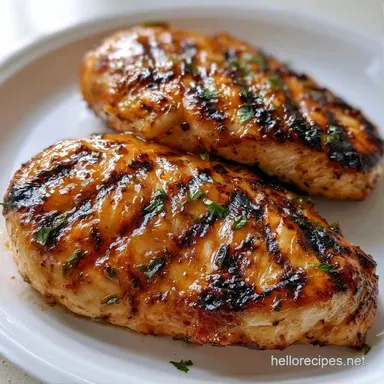
Failure-Proof Weeknight Grilled Chicken Breast
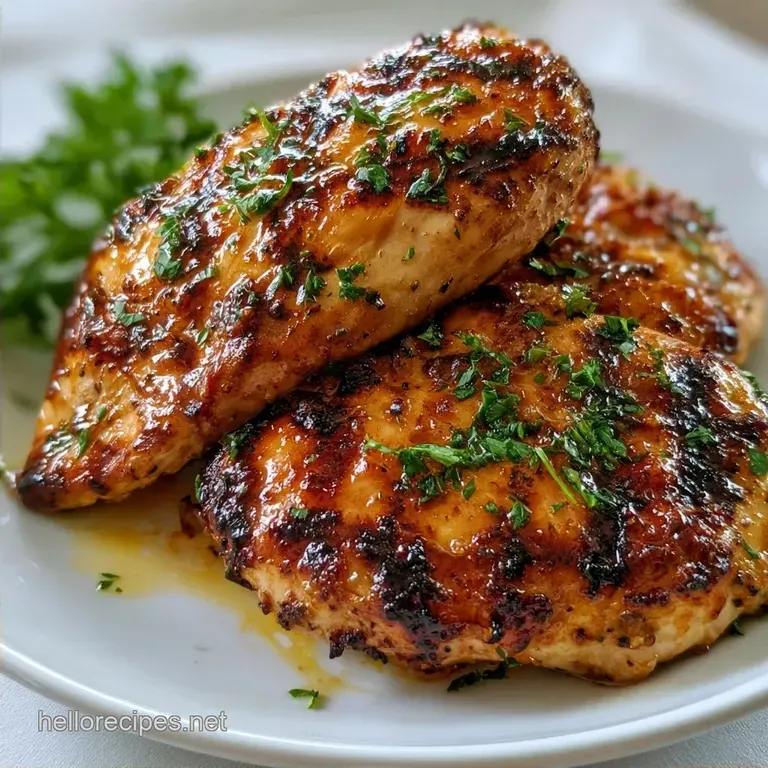
- Time: 10 min active + 30 min marinating
- Flavor/Texture Hook: Charred exterior with tender, moist centers
- Perfect for: Fast Tuesday dinners or healthy meal prep
- Better Weeknight Grilled Chicken Breast
- Why These Ingredients Work
- Ingredients and Simple Swaps
- Tools for Fast Setup
- Steps for a Great Sear
- Fixing Your Grill Issues
- Troubleshooting Common Issues
- Flavor Variations to Try
- Scaling Your Weeknight Grilled Chicken Breast
- Storage and Zero Waste
- Best Sides for This Dish
- Critical Sodium Level
- Recipe FAQs
- 📝 Recipe Card
That smell of charcoal and searing meat is great, but there's nothing worse than biting into a piece of chicken that feels like a rubber band. I used to just toss breasts on the grill and hope for the best, only to end up with edges that were burnt to a crisp while the center stayed raw.
It's a frustrating cycle that makes people give up on grilling during the week.
The fix isn't a fancy tool or an expensive cut of meat. It's actually about the shape of the chicken and when you take it off the heat. If you don't even out the thickness, the thin end overcooks before the thick part is safe to eat.
This Weeknight Grilled Chicken Breast method solves that. We're focusing on a few small tweaks that guarantee a juicy result every single time, even if you're rushing to get dinner on the table.
Better Weeknight Grilled Chicken Breast
The trick to a juicy result is avoiding the "football" shape of standard chicken breasts. By pounding them to a uniform thickness, the heat hits every square inch at the same time. This means no more dry edges.
I've found that marinating at room temperature for a short burst is way more effective than letting it sit in the fridge for ten hours. It takes the chill off the meat, so it sears faster and spends less time over the fire.
When making this Weeknight Grilled Chicken Breast, you'll notice the difference in the first bite. It’s the best Weeknight Grilled Chicken Breast you've had because we respect the carryover cooking process.
Pounding for Evenness: Creating a flat surface ensures the meat cooks at the same speed. Room Temp Soak: Reducing the meat's internal chill prevents the outside from burning before the inside is done.
| Method | Time | Texture | Best For |
|---|---|---|---|
| Grill | 15 mins | Charred/Smoky | Classic flavor |
| Stovetop | 12 mins | Browned/Seared | Rainy days |
| Oven | 20 mins | Uniform/Soft | Hands off cooking |
Why These Ingredients Work
| Ingredient | What It Does | Best Swap |
|---|---|---|
| Lemon Juice | Breaks down fibers | Lime juice |
| Olive Oil | Carries flavor/prevents sticking | Avocado oil |
| Smoked Paprika | Adds deep color and woodsy scent | Cumin |
| Garlic | Adds sharp, savory punch | Garlic powder |
Ingredients and Simple Swaps
- 4 (6 oz / 170g) boneless, skinless chicken breasts Why this? Lean and fast cooking for weeknights
- 1 tsp (6g) kosher salt Why this? Essential for moisture retention
- ½ tsp (1g) cracked black pepper Why this? Adds a subtle heat
- ¼ cup (60ml) extra virgin olive oil Why this? Prevents sticking to grates
- 3 tbsp (45ml) fresh lemon juice Why this? Brightens the heavy garlic notes
- 3 cloves (15g) garlic, minced Why this? Fresh garlic tastes better than powder
- 1 tsp (2g) dried oregano Why this? Gives it a Mediterranean feel
- ½ tsp (1g) smoked paprika Why this? Mimics the taste of a smoker
| Original Ingredient | Substitute | Why It Works |
|---|---|---|
| Fresh Lemon Juice | Apple Cider Vinegar | Similar acidity. Note: Tangier, less citrusy |
| Dried Oregano | Dried Basil | Similar herbal profile. Note: Sweeter flavor |
| Smoked Paprika | Chili Powder | Adds color and warmth. Note: Slightly spicier |
Tools for Fast Setup
You don't need a professional kitchen for this. A basic meat mallet (or a heavy skillet) and a Ziploc bag are your best friends here. Using a bag for the marinade means zero bowls to wash, which is a win for any weeknight.
I recommend a digital instant read thermometer. Guessing the doneness of chicken is how you end up with rubbery meat. Knowing the exact number takes the stress out of the process.
Steps for a Great Sear
- Place chicken breasts between two sheets of plastic wrap. Use a meat mallet to gently pound the thickest part of the breast until the entire piece is a uniform thickness (approx. ¾ inch / 2cm). Note: This prevents the edges from drying out.
- In a Ziploc bag, combine olive oil, lemon juice, minced garlic, dried oregano, and smoked paprika. Add the pounded chicken, seal, and massage the liquid into the meat.
- Let the chicken marinate at room temperature for 30 minutes.
- Preheat grill to medium high heat (375-450°F / 190-230°C) and lightly oil the grates.
- Place chicken breasts on the grill, close the lid, and cook undisturbed for 6–8 minutes. until you see deep brown sear marks.
- Flip the chicken and cook for another 6–8 minutes until the meat feels firm when pressed.
- Insert a meat thermometer into the thickest part; remove from heat exactly when it hits 160°F (71°C).
- Transfer chicken to a plate, tent loosely with foil, and let rest for 5–10 minutes before serving.
Chef's Tip: If you're using a cast iron grill pan on the stove, don't overcrowd it. If the breasts are too close, they'll steam instead of searing.
Fixing Your Grill Issues
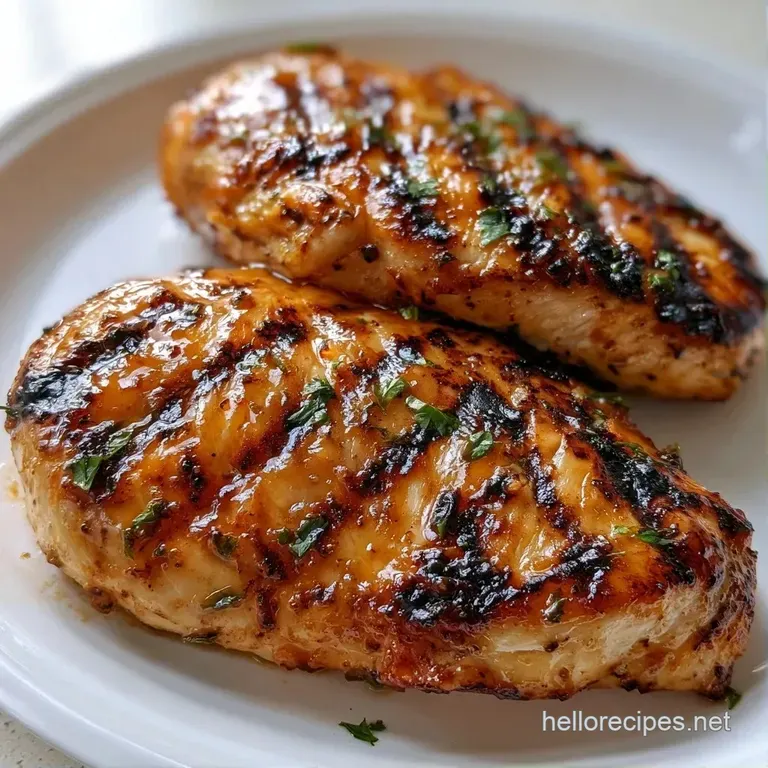
Troubleshooting Common Issues
| Issue | Solution |
|---|---|
| Why Your Chicken Sticks | Usually, this happens because the grill isn't hot enough or the meat was put on too early. When the proteins hit a hot, oiled grate, they sear and release naturally. |
| Why Your Chicken is Dry | Overcooking is the main culprit. Even a few minutes too long can turn a juicy breast into cardboard. Pulling it at 160°F allows the temperature to rise to the safe 165°F while resting. |
| Why Your Chicken is Raw Inside | This happens when the breasts are too thick or the heat is too high. The outside burns, but the heat never reaches the center. Pounding the meat is the only real fix here. |
Flavor Variations to Try
If you want a zestier vibe, add a teaspoon of Dijon mustard to the marinade. It helps the oil and lemon juice emulsify better and adds a nice tang. For those who love a bit of heat, a pinch of cayenne or some red pepper flakes works wonders.
You can also turn this into a base for other meals. If you're feeling adventurous, slice the grilled meat and toss it into my Grilled Chicken Tacos recipe for a fast dinner.
For a more savory approach, replace the oregano with fresh rosemary and thyme. This pairs well with a side of roasted root vegetables.
Decision Shortcut:
- Want more char? → Increase heat to 450°F.
- Want more tenderness? → Don't skip the pounding step.
- Want a sweet twist? → Add 1 tbsp of honey to the bag.
Scaling Your Weeknight Grilled Chicken Breast
Scaling your Weeknight Grilled Chicken Breast is straightforward since it's a marinade based dish. If you're doubling the recipe for a family of 8, don't double the salt and spices exactly. Go for about 1.5x the seasoning; otherwise, it can become overly salty.
For smaller portions, like just one breast, use a small sandwich bag. It ensures the meat is fully submerged in the oil and lemon juice without wasting ingredients.
If you're grilling in batches, keep the remaining chicken in the fridge until the first batch is almost done. This prevents the lemon juice from "cooking" the meat too much, which can make the texture mushy.
Storage and Zero Waste
Store any leftover Weeknight Grilled Chicken Breast in an airtight container in the fridge for up to 4 days. When reheating, add a splash of water or a pat of butter and cover it with a lid to keep the moisture in. You can also freeze the cooked breasts for up to 3 months, though the texture changes slightly.
Don't let the extra marinade go to waste if you didn't use it all in the bag. You can simmer it in a small pan for a few minutes to create a reduced glaze.
For a great lunch the next day, chop up the leftovers and mix them into a Classic Chicken Salad with some celery and mayo. It's a fast way to use up everything.
Best Sides for This Dish
Since this chicken has a bright, lemony profile, it pairs well with earthy or creamy sides. Grilled asparagus or a simple Caesar salad balances the smokiness of the grill.
If you want something more filling, a side of quinoa or wild rice absorbs the extra juices from the resting plate. A corn on the cob, grilled right next to the chicken, is the classic choice for a reason.
Common Misconceptions: Searing meat does not "seal in juices." Moisture loss happens regardless of how you start the cook. The sear is all about adding flavor and color to the outside.
Another myth is that you should grill chicken until it's 165°F on the grill. Because of carryover heat, the temperature keeps rising after you take it off. Pulling it at 160°F is the key to keeping it moist.
Critical Sodium Level
1740 mg 1740 mg of sodium per serving (76% 76% of daily value)
The American Heart Association recommends a limit of 2,300 mg of sodium per day, and an ideal limit of 1,500 mg for most adults to lower blood pressure.
Tips to Reduce Sodium in Your Chicken Recipe
-
Reduce Kosher Salt-25%
Replace the kosher salt with a salt-free seasoning blend or reduce the amount by half to significantly lower the sodium count.
-
Enhance Acidity-10%
Increase the fresh lemon juice or add a teaspoon of apple cider vinegar; acidity mimics the taste of salt and brightens the flavor.
-
Double the Garlic-5%
Increase the minced garlic to 6 cloves to add a stronger pungent flavor that reduces the need for salt.
-
Boost Dried Herbs
Add more dried oregano and smoked paprika to provide earthy and smoky depth to the chicken.
Recipe FAQs
How do you grill chicken breast without drying it out?
Pound the chicken to a uniform 3/4 inch thickness and pull it from the heat at 160°F. This ensures even cooking and allows the internal temperature to rise to 165°F during a 5-10 minute rest.
How to cook chicken for someone with gastritis?
Omit the lemon juice and smoked paprika from the marinade. Use only the olive oil, salt, and garlic to keep the flavor profile mild and non-irritating.
Is grilled chicken good for heart patients?
Yes, it is a lean protein choice. Using olive oil and fresh herbs instead of heavy butter or frying reduces saturated fat intake.
Can I eat grilled chicken with diabetes?
Yes, this is an excellent low-carb option. This recipe avoids sugary glazes and honey, focusing instead on lemon and spices.
How to make barbecue chicken in a kitchen?
Use a cast-iron grill pan over medium-high heat. Sear the chicken for 6-8 minutes per side to achieve the same deep grill marks as an outdoor BBQ.
What goes good with grilled chicken?
Serve it with roasted summer vegetables or a creamy starch. This lean protein pairs perfectly with a side of Parmesan risotto for a balanced meal.
What are some tips for making a dry rub for grilled chicken?
Mix the salt, pepper, dried oregano, and smoked paprika together before applying. Rub the spices directly into the meat before adding olive oil to ensure maximum adhesion.
Weeknight Grilled Chicken Breast Meal Prep