Velvety Beef and Broccoli Stir Fry
- Time: Active 10 minutes, Passive 20 minutes, Total 30 minutes
- Flavor/Texture Hook: Velvety beef paired with crisp tender florets
- Perfect for: High protein weeknight dinner
- Why This Recipe Works
- Precision Timing for Best Results
- Essential Elements for Maximum Flavor
- The Best Tools for Searing
- Step-by-Step Cooking Technique Guide
- Solving Common Stir Fry Problems
- Creative Variations and Ingredient Swaps
- Storage and Meal Prep Tips
- Serving and Presentation Ideas
- Myths About Stir Frying
- Very High in Sodium
- Recipe FAQs
- 📝 Recipe Card
The smell of ginger hitting hot oil that sharp, spicy perfume that makes your nose tingle is the exact moment you know you’re not just making a meal; you’re building an experience. I remember my first time trying to recreate the local takeout spot’s version.
I ended up with gray, sweaty meat and broccoli that tasted like a wet paper bag. It was a disaster, honestly. I thought I just needed a bigger flame, but the secret wasn't the heat; it was the chemistry of the marinade.
We’ve all been there, staring at a plate of rubbery steak wondering where it went wrong. After months of experimenting with different cuts and starch ratios, I finally cracked the code on how to get that glossy, mahogany finish and the distinctive "velvety" mouthfeel.
This isn't just a recipe; it's a breakdown of how to manipulate protein and heat to get restaurant results in a standard kitchen. We’re going to layer flavors from the inside out, starting with the cellular structure of the beef itself.
Trust me, once you see the "shatter" of a perfectly seared edge against the vibrant green of a fresh floret, you’ll never look at a plastic takeout container the same way again.
We are focusing on a sustainable approach here, using efficient cooking techniques that maximize every gram of ginger and every drop of toasted sesame oil. Ready to turn your stovetop into a high performance flavor engine? Let's get into the mechanics of it.
Why This Recipe Works
- Alkaline Tenderization: The 1/4 tsp baking soda raises the pH levels on the meat's surface, making it difficult for the proteins to bond tightly when heated.
- Starch Barrier: A thin coating of cornstarch creates a physical shield, locking in natural juices while providing a surface for the sauce to cling to.
- Aromatic Infusion: Grating ginger rather than slicing it increases the surface area, allowing the volatile oils to emulsify into the neutral oil almost instantly.
- Dual Stage Cooking: Searing the beef separately from the vegetables prevents "crowding," which would otherwise drop the pan temperature and lead to steaming instead of browning.
| Beef Thickness | Target Finish | Rest Time | Visual Cue |
|---|---|---|---|
| 3mm (Paper Thin) | Flash Sear | 2 minutes | Edges curl and darken |
| 5mm (Standard) | Medium High | 3 minutes | No visible pink on surface |
| 8mm (Thick Cut) | Medium | 5 minutes | Slight resistance when pressed |
Choosing the right thickness for your flank steak is the first step toward success. If you slice it too thick, the baking soda won't penetrate deeply enough, and you'll end up with a chewy center. Aim for that 5mm sweet spot for the best balance of char and tenderness.
Precision Timing for Best Results
When we talk about innovative gastronomy at home, we have to look at the component analysis of our ingredients. Each item in this Beef and Broccoli serves a structural or chemical purpose beyond just "tasting good." For instance, the Shaoxing wine isn't just for aroma; its alcohol content helps dissolve fat soluble flavor compounds that water based liquids can't reach.
| Ingredient | Science Role | Pro Secret |
|---|---|---|
| Cornstarch | Amylopectin Mesh | Use it in the marinade AND the sauce for a unified texture. |
| Oyster Sauce | Glutamate Bomb | Provides the "body" and thickness without needing excess flour. |
| Shaoxing Wine | Solvent / Acidity | Cuts through the richness of the flank steak fats. |
The interaction between the soy sauce and the brown sugar creates a concentrated Maillard reaction. This isn't just browning; it's the creation of hundreds of new flavor molecules that give the dish its "dark" and savory profile. If you've enjoyed the depth in my Tender Beef in recipe, you'll recognize how a balanced acid sugar ratio transforms simple protein.
Essential Elements for Maximum Flavor
To get this right, we need to be specific. Don't just grab any beef; flank steak is the gold standard here because of its long, distinct muscle fibers that practically beg to be tenderized.
- 1 lb flank steak: Sliced thin against the grain. Why this? The long fibers break down beautifully with the baking soda treatment.
- 1 lb broccoli florets: Fresh is mandatory here for the "crunch."
- 3 tbsp neutral oil: Grapeseed or peanut oil handles the high smoke point we need.
- 1 tbsp fresh ginger: Grated into a paste for instant flavor release.
- 3 cloves garlic: Minced fine.
For the Velveted Beef: 1 tbsp low sodium soy sauce 1 tbsp Shaoxing wine 1 tsp cornstarch 1/4 tsp baking soda
For the Mahogany Stir Fry Sauce: 1/2 cup beef broth 1/4 cup oyster sauce 2 tbsp soy sauce 1 tbsp brown sugar 1 tbsp toasted sesame oil 1 tbsp cornstarch
| Original Ingredient | Substitute | Why It Works |
|---|---|---|
| Flank Steak | Top Sirloin | Lean and tender, though it lacks the same "chew" as flank. |
| Shaoxing Wine | Dry Sherry | Similar acidity and nutty undertones. |
| Oyster Sauce | Mushroom Sauce | Vegetarian friendly and still high in natural umami. |
Using a high-quality beef broth is essential for the base of your sauce. It provides the liquid volume needed to steam the broccoli in the final stages without diluting the intensity of the aromatics.
The Best Tools for Searing
You don't need a professional kitchen, but a few specific tools will make this much easier. A heavy bottomed stainless steel pan or a well seasoned cast iron skillet is actually better for home electric stoves than a traditional thin bottomed wok, which loses heat too fast.
Chef Tip: Freeze your beef for 15 minutes before slicing. It firms up the fat and muscle, allowing you to get those restaurant thin, consistent strips that cook in seconds.
The goal is heat retention. When the beef hits the pan, we want a "sizzle" that doesn't quit. If the pan temperature drops, the meat will release its juices and boil in its own liquid. That's how you get that "gray meat" look we’re trying to avoid.
A sturdy spatula is also key for moving the broccoli quickly so it hits the hot surface evenly.
step-by-step Cooking Technique Guide
Phase 1: The Marinade & Grain Cutting
- Slice the beef. Cut the 1 lb flank steak into 5mm strips, always going against the grain. Note: This shortens the muscle fibers, making them easier to chew.
- Apply the velvet. Mix the beef with 1 tbsp soy sauce, 1 tbsp Shaoxing wine, 1 tsp cornstarch, and 1/4 tsp baking soda.
- Wait. Let the beef sit for at least 20 minutes at room temperature.
Phase 2: The over High heat Sear
- Whisk the sauce. Combine the beef broth, oyster sauce, extra soy sauce, brown sugar, sesame oil, and 1 tbsp cornstarch in a small bowl.
- Sear the beef. Heat 2 tbsp oil in the pan until it wisps with smoke. Add the beef in a single layer and cook for 2 minutes until deeply browned and slightly charred. Remove and set aside.
Phase 3: The Steam & Aromatics
- Sauté aromatics. Add the remaining 1 tbsp oil, then toss in the garlic and ginger for 30 seconds until the air smells spicy and fragrant.
- Cook the broccoli. Add the florets and 1/4 cup water. Cover with a lid for 2 minutes until the broccoli is bright green and fork tender.
Phase 4: The Final Gloss
- Combine. Pour the sauce mixture into the pan with the broccoli.
- Thicken. Stir constantly for 1 minute until the sauce turns from opaque to a translucent, glossy glaze.
- Finish. Toss the beef back in for 30 seconds to coat, then serve immediately.
Solving Common Stir Fry Problems
Why Your Beef is Rubbery
Leathery beef is almost always a result of skipping the baking soda or slicing with the grain. When you slice with the grain, you're leaving long, intact protein strings that are naturally tough. Cutting across them creates short segments that fall apart easily.
To Fix a Thin, Watery Sauce
If your sauce isn't coating the back of a spoon, the cornstarch didn't reach its gelatinization point (about 62°C to 70°C). You need to bring the liquid to a simmer.
If it’s still too thin, mix an extra teaspoon of cornstarch with a tablespoon of cold water and drizzle it in.
| Problem | Root Cause | Solution |
|---|---|---|
| Gray, limp beef | Pan was too cold | Sear in smaller batches on the highest heat setting. |
| Salty sauce | Too much soy/oyster | Add a splash of water or a pinch more brown sugar to balance. |
| Mushy broccoli | Over steaming | Remove the lid 30 seconds earlier next time. |
Common Mistakes Checklist
- ✓ Pat the beef dry before adding the marinade (excess water prevents the starch from sticking).
- ✓ Never crowd the pan - if you have to do two batches of beef, do it.
- ✓ Use "toasted" sesame oil, not plain; the flavor difference is massive.
- ✓ Don't skip the water when cooking the broccoli; the steam is what actually cooks the center of the stalks.
- ✓ Let the pan get hot enough that the oil shimmers before adding anything.
Creative Variations and Ingredient Swaps
If you're looking for a Quick Beef and Broccoli Dinner but don't have flank steak, you can use chicken breast or even firm tofu. The technique remains the same, though chicken doesn't need the baking soda treatment as much as beef does.
For a spicy Szechuan variation, add a tablespoon of chili garlic sauce or some dried red chilies to the aromatics phase.
For those watching their sugar intake, you can swap the brown sugar for a dash of stevia or just omit it, though you’ll lose some of that classic "glaze" look. If you’re a fan of deep, slow cooked flavors like my Beef Bourguignon Deep recipe, you might find this stir fry refreshingly fast yet surprisingly complex.
- For the Paleo crowd: Use coconut aminos instead of soy sauce and arrowroot powder instead of cornstarch.
- For extra crunch: Add sliced water chestnuts or bamboo shoots during the broccoli phase.
- For a citrus twist: Add a teaspoon of orange zest to the sauce for a bright, innovative finish.
Storage and Meal Prep Tips
This Beef and Broccoli holds up surprisingly well for meal prep because the sauce acts as a protective barrier against oxidation. In the fridge, it will stay fresh for up to 4 days.
When reheating, I recommend doing it in a pan with a tiny splash of water rather than the microwave; it helps "unlock" the starch in the sauce so it becomes silky again.
Freezing Guidelines: You can freeze this for up to 3 months. However, be aware that the broccoli will lose its crispness and become quite soft upon thawing. For the best results, freeze the marinated raw beef and the sauce separately, then cook fresh broccoli when you're ready to eat.
Zero Waste Tip: Don't throw away those broccoli stems! Peel off the woody outer skin with a vegetable peeler, slice the tender inner core into matchsticks, and throw them into the stir fry along with the florets. They have a wonderful, sweet flavor and a crunch similar to water chestnuts.
Serving and Presentation Ideas
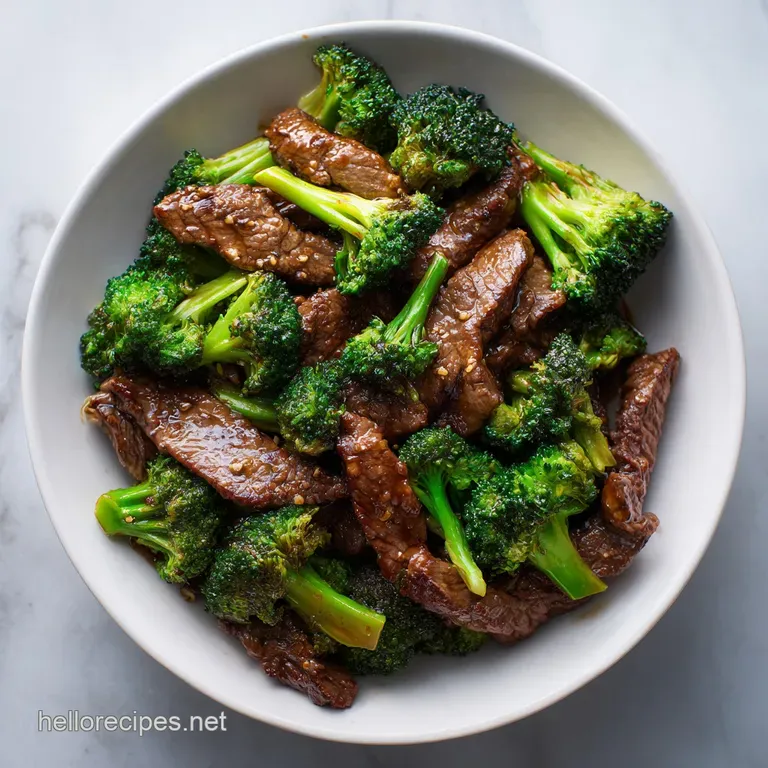
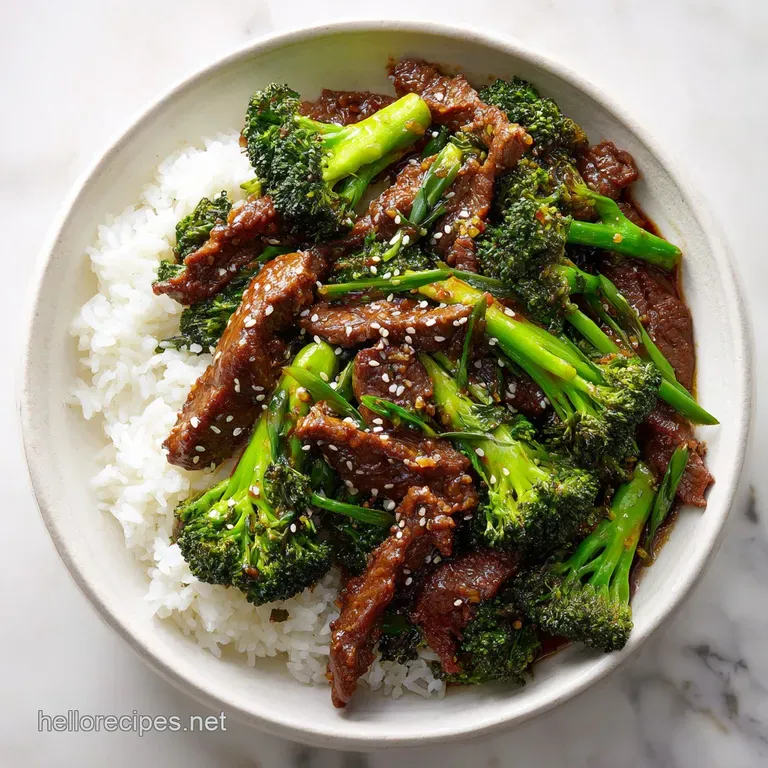
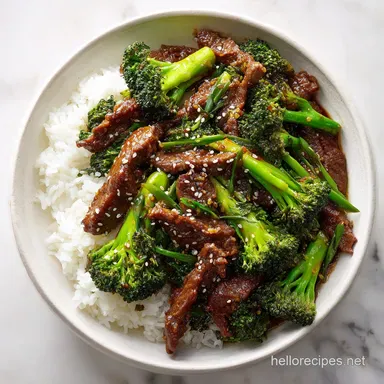
To keep it classic, serve this over a bed of fluffy jasmine rice or brown rice to soak up every drop of that mahogany sauce. If you want a lower carb pairing, cauliflower rice or even sautéed zoodles work brilliantly.
The contrast between the dark, savory sauce and the bright green broccoli is already visually striking, but a few garnishes can make it pop.
I like to finish the dish with a heavy sprinkle of toasted sesame seeds and some thinly sliced scallions on the bias. If you’re feeling fancy, a drizzle of chili oil adds a beautiful red sheen and a subtle heat that cuts through the richness of the oyster sauce.
This is the kind of meal that proves "homemade" doesn't have to mean "compromise." You've built the flavor layers, mastered the science of the sear, and now it's time to enjoy the results of your kitchen technology.
Myths About Stir Frying
Myth 1: You must use a Wok. Truth: While woks are great for tossing, most home stoves don't produce enough concentrated heat to make a wok more effective than a wide, flat bottomed skillet. A skillet actually provides more surface area for that crucial "shatter" sear on the beef.
Myth 2: Searing meat "seals in" juices. Truth: Searing is strictly for flavor via the Maillard reaction. Moisture is actually lost during the searing process, which is why we use the cornstarch "velveting" technique to create a physical barrier and keep the interior tender.
Myth 3: Broccoli should be boiled first. Truth: Boiled broccoli is often waterlogged and bland. Steaming it directly in the pan with a bit of water and the aromatics preserves the vitamins and ensures it absorbs the flavor of the ginger and garlic right from the start.
Very High in Sodium
1445 mg mg of sodium per serving (63% of daily value)
The American Heart Association recommends limiting sodium intake to about 2,300mg per day.
Tips to Reduce Sodium in Your Beef and Broccoli Stir Fry
-
Low-Sodium Broth-30%
Replace regular beef broth with low-sodium or no-sodium added beef broth. This simple swap can significantly reduce the sodium content.
-
Oyster Sauce Alternative-20%
Oyster sauce is a significant source of sodium. Substitute it with a homemade sauce using low-sodium soy sauce, a touch of molasses for color and sweetness, and a little cornstarch to thicken.
-
Reduce Soy Sauce-15%
Even low-sodium soy sauce contributes to the overall sodium content. Try reducing the amount of soy sauce by half and adding a splash of rice vinegar or lemon juice for flavor.
-
Water Rinse-5%
Rinse the broccoli florets under cold water before cooking. While it won't dramatically reduce sodium, it can help remove some surface sodium that might be present.
-
Spice it Up!
Enhance the flavor with sodium free herbs and spices like ginger, garlic, black pepper, red pepper flakes, and onion powder. These can add depth and complexity without increasing sodium.
Recipe FAQs
What is the secret to good beef and broccoli?
Velveting the beef with baking soda. This alkaline tenderization chemically breaks down the tough fibers before searing, giving you a silky texture instead of rubbery meat.
What is beef and broccoli sauce made of?
Beef broth, oyster sauce, soy sauce, and brown sugar. These components create the deep umami flavor and mahogany color through caramelization. For a richer base, consider the quick reduction in our Au Jus recipe.
How do Chinese restaurants get beef so tender?
They use a combination of baking soda and cornstarch coating. The baking soda softens the protein structure, and the cornstarch creates a protective shield, locking in moisture during high heat cooking.
What meat is good for beef and broccoli?
Flank steak is the optimal choice for authentic texture. Skirt steak or top sirloin are also good substitutes, but always slice them thinly against the grain to shorten the muscle fibers.
Why is my beef tough even after marinating?
You likely sliced the meat with the grain instead of against it. Cutting with the grain leaves long, chewy fibers intact; cutting against them shortens those fibers, making the meat tender even if the marinade wasn't perfect.
How do I ensure the sauce is glossy and thick?
Thicken the sauce with a cornstarch slurry at the very end. Whisk one tablespoon of cornstarch with two tablespoons of cold water, then pour this slurry into the simmering sauce, stirring until it achieves a uniform, translucent sheen.
Can I use the velveting technique on other meats?
Yes, this technique is widely applicable to chicken and pork slices. If you enjoyed mastering the technique of precisely controlled texture enhancement here, you should see how we apply similar temperature controls to achieve perfect flakiness in the Mini Beef Wellington recipe.
Velvety Beef And Broccoli
Ingredients:
Instructions:
Nutrition Facts:
| Calories | 438 kcal |
|---|---|
| Protein | 29.1 g |
| Fat | 27.2 g |
| Carbs | 19.5 g |
| Fiber | 3.1 g |
| Sugar | 5.4 g |
| Sodium | 1445 mg |
