Roasted Butternut Squash Soup: Achieve the Ultimate Velvet Texture
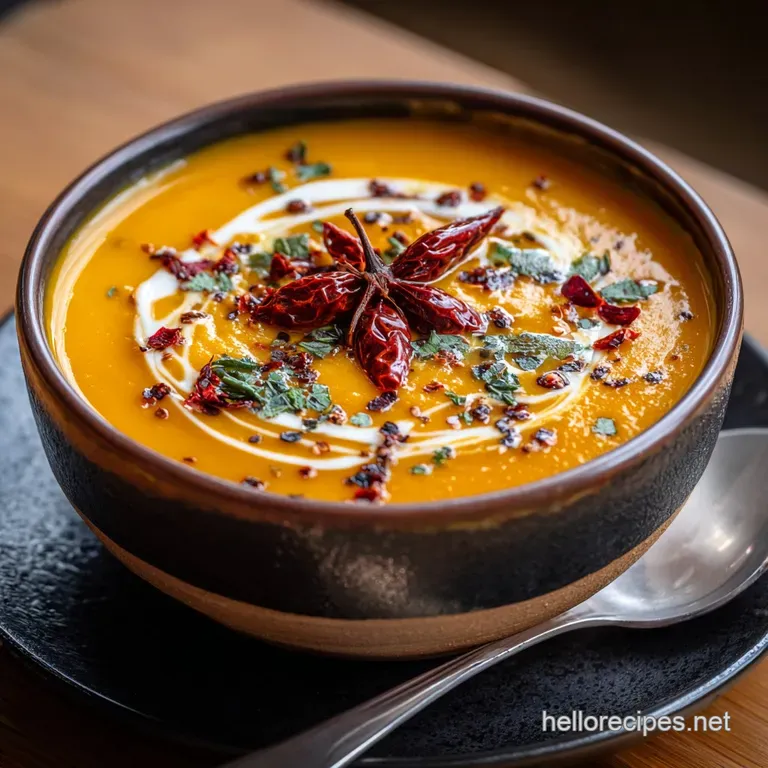
- Roasted Butternut Squash Soup: A Velvet Texture Recipe
- The Science of Flavor Depth in Roasted Butternut Squash Soup
- Essential Ingredients and Expert Substitutions
- Detailed Method: Crafting the Velvet Texture Roasted Butternut Squash Soup
- Pro Tips: Avoiding Common Butternut Soup Mistakes
- Practical Guide to Storing and Reheating Soup
- Elevating Your Bowl: Perfect Pairings and Garnishes
- Recipe FAQs
- 📝 Recipe Card
Roasted Butternut Squash Soup: A Velvet Texture Recipe
The moment that creamy, bright orange bowl lands on the table, I know autumn has truly arrived. It smells like woodsmoke, spice, and pure comfort, honestly. Forget those thin, watery attempts you find in sad supermarket containers; we are aiming for something thick, velvety, and deeply, deeply flavourful.
This soup is my absolute weeknight lifesaver because it’s surprisingly fast once the prep is done. Roasting does all the heavy lifting for us, transforming a cheap, humble squash into something unbelievably rich and complex. It's truly minimal effort for maximum, soul warming payoff.
Today, we are ditching the boiling pot approach entirely because we need that caramelisation magic to happen. Trust me, once you taste the nutty depth roasting provides, you will never look back. Let's crack on with the ultimate Roasted Butternut Squash Soup recipe.
The Maillard Reaction Magic: Caramelizing the Squash
Boiling squash simply dilutes the flavour and texture, usually leaving you with a slightly bland, watery mess. Roasting, however, triggers the glorious Maillard reaction. This is the simple culinary process where the natural sugars caramelise at high heat, developing those deep, nutty, and slightly smoky notes we crave.
Achieving the Perfect 'Velvet Texture' Consistency
The secret to the velvet texture isn't just about the heavy cream; it’s mostly about the correct ratio of intensely roasted pulp to simmering liquid. We use just enough stock to achieve a creamy, almost purée like consistency, rather than a thin broth.
Blending thoroughly in a powerful machine seals the deal and creates that luxurious mouthfeel.
How This Recipe Differs from Traditional Boiled Soup
Traditional squash soups often rely heavily on added spices or brown sugar to compensate for the blandness of the boiled vegetable. Our recipe relies solely on the intense depth created by the oven itself. It’s naturally sweeter, richer, and requires far less seasoning to taste absolutely incredible.
The Science of Flavor Depth in Roasted Butternut Squash Soup
The profound flavour depth here comes from the interplay of intense caramelisation, the browned butter finish, and a crucial splash of acid at the end. I once forgot the lemon juice and the entire batch tasted strangely flat and heavy never again!
The addition of a humble carrot also subtly helps add body and a beautiful, rich orange colour without adding huge calories or affecting the core flavour profile.
Chef's Note: Roasting vegetables until they are truly dark and browned (not just softened!) concentrates the sugars and reduces the overall water content, giving you a dense, flavour packed base to work with. Do not pull the squash out early.
Essential Ingredients and Expert Substitutions
Selecting and Prepping the Butternut Squash
Peeling a butternut squash can sometimes feel like a genuine wrestling match, honestly. Use a large, sturdy vegetable peeler, making sure to steady the squash carefully on a cutting board.
Pro Tip: If the skin is rock hard, pierce the squash several times and microwave it whole for three to five minutes first; this softens the skin just enough to make peeling much easier.
Building the Base: Choosing the Right Stock (Vegetable or Chicken)
I usually use a low-sodium chicken stock because it adds a rounder, savoury mouthfeel that complements the sweetness of the squash.
| Ingredient | My Preference | Viable Substitution |
|---|---|---|
| Stock | Low-Sodium Chicken Stock | Rich Vegetable Broth (Vegan) or Water + Bouillon Cubes |
| Butter | Unsalted Butter | Olive Oil or Vegan Butter Spread |
| Sweetener | Natural Squash Sweetness | 1 tsp Maple Syrup (if squash is bland) |
Aromatics: Onion, Garlic, and Ginger Notes
We gently sauté the onion and garlic slowly to create a wonderfully sweet and aromatic base before adding the liquid. Sometimes, if I'm feeling autumnal, I'll grate in a small thumb sized piece of fresh ginger to the pot for an extra layer of warmth.
Substitution: If you are totally out of fresh onions, use two teaspoons of onion powder added during the sauté stage, but nothing beats that soft, sweet, cooked onion flavour.
Dairy Alternatives for a Creamy Finish
Heavy cream makes the final soup absolutely luxurious and helps achieve that velvet texture. However, coconut milk is an excellent stand-in if you are avoiding dairy. For a rich, dairy-free, or vegan option, switch the heavy cream for full fat coconut milk (use the stuff in the can, not the thin carton version).
This lends a lovely, subtle Thai inspired note that works brilliantly with the roasted sweetness.
Detailed Method: Crafting the Velvet Texture Roasted Butternut Squash Soup
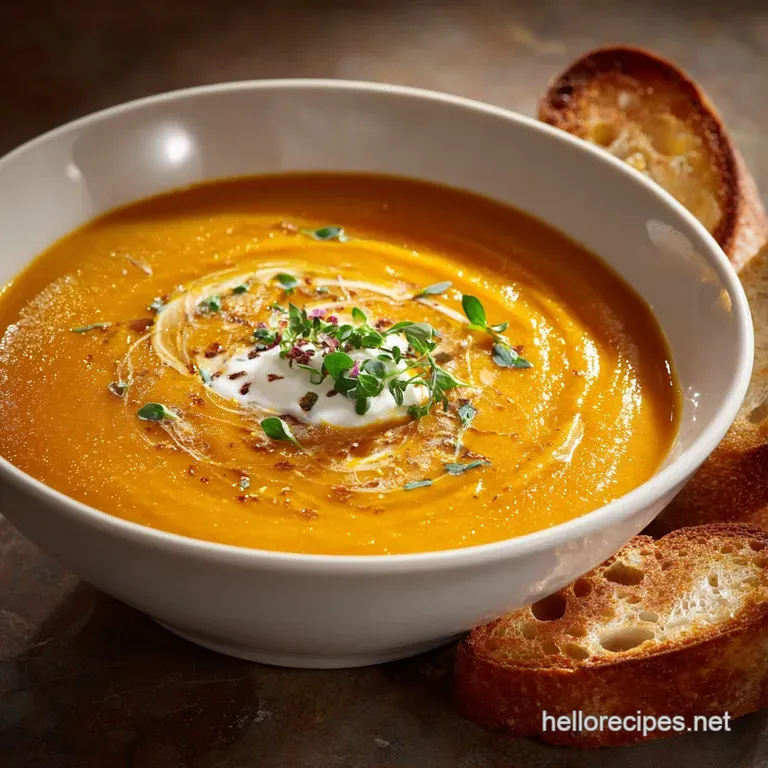
Phase 1: Preparing and Roasting for Maximum Caramelisation
Preheat your oven to 400°F (200°C) and grab your biggest sheet pan. Toss the squash cubes with olive oil, salt, and pepper, and then resist the urge to pile everything up high!
The cubes need breathing room to dry out and caramelise, otherwise they will steam themselves and you lose all that precious flavour. Roast them until they look properly toasted on the edges, almost like seriously crispy roasties (maybe check out my method for Crispy oven-roasted Potatoes: The Ultimate Fluffy Crisp Roasties ).
Phase 2: Simmering the Base with Liquids and Aromatics
Melt the butter and gently sauté the onion and carrot until soft and translucent patience here means better depth later on. Once the garlic goes in, cook it for just sixty seconds until it smells fragrant, or you’ll end up with bitter soup.
Add the stock, the caramelised squash, and the bay leaf, then just let the whole thing bubble quietly for ten minutes. This gentle simmer allows all those beautiful roasted flavours to marry the stock.
Phase 3: The Blending Strategy for Ultimate Smoothness
This is where many home cooks get into trouble be extremely careful when blending hot liquids. If you are using a stand blender, please fill it only halfway, hold the lid down firmly, and use a folded kitchen towel over the steam vent to allow pressure release without explosions.
If you have an immersion blender, use that instead; it’s much safer and simpler. Blend until perfectly smooth and you can feel zero resistance when you rub a little soup between your fingers.
Phase 4: Finishing Touches with Sage and Brown Butter
Brown butter is the secret sauce for making everything beautiful in life, and it pairs perfectly with sage and squash. Melt the butter slowly in a small pan until the milk solids turn nutty and golden brown. Toss in those gorgeous fresh sage leaves for maybe thirty seconds until they crisp right up.
Don't skip this final step; the drizzle of brown butter and the crispy sage turn this from a humble soup into a sophisticated dinner party starter.
Pro Tips: Avoiding Common Butternut Soup Mistakes
Preventing a Gritty or Watery Texture
Grittiness almost always comes from not blending the fibrous vegetable long enough, or not using a powerful enough blender. Wateriness? That’s typically from adding too much stock too early.
Start with the minimum required stock listed in the recipe, blend it fully, and then thin it out incrementally after blending if needed.
Why You Should Roast the Squash Whole (Sometimes)
If you absolutely hate peeling and chopping the tough squash, you do have an alternative. Pierce the whole squash several times with a fork, roast it for 60– 75 minutes until tender, then simply scoop the flesh out.
It saves time on the prep end but just note that this method results in slightly less intense caramelisation than chopping the cubes first.
Adjusting Acidity and Sweetness Post Blend
If your finished soup tastes flat, it probably needs salt, but if it tastes too sweet and heavy, it definitely needs acid. A teaspoon of fresh lemon juice or even a dash of good quality sherry vinegar will instantly brighten the entire bowl and make all the other flavours pop.
Practical Guide to Storing and Reheating Soup
The Best Way to Freeze Butternut Squash Soup
Butternut squash soup freezes absolutely beautifully! Allow it to cool completely first, then store it in air-tight containers or heavy duty freezer bags. If you use bags, lay them flat on a tray until frozen solid to save space in your freezer.
It’s excellent for batch cooking and will keep well for up to three months.
Reheating Without Breaking the Texture
Always reheat your soup slowly over low heat on the stovetop rather than blitzing it in the microwave. If you used heavy cream, whisk the soup occasionally during reheating to ensure the fat doesn't separate or "break." If the consistency is too thick after thawing, simply stir in a splash of stock or water to adjust.
Elevating Your Bowl: Perfect Pairings and Garnishes
Crusty Bread and Crostini Pairings
Honestly, this soup is rich enough to stand alone, but it definitely screams for something hearty to dunk into it. A thick slab of toasted sourdough or simple garlicky croutons are perfect. If I’m looking for a side that cuts the richness, I might serve a small portion of salad using a sharp dressing, similar to the maple balsamic vinaigrette used in my Thanksgiving Salads: Warm Kale Squash with Maple Balsamic Vinaigrette .
Garnishes to Finish
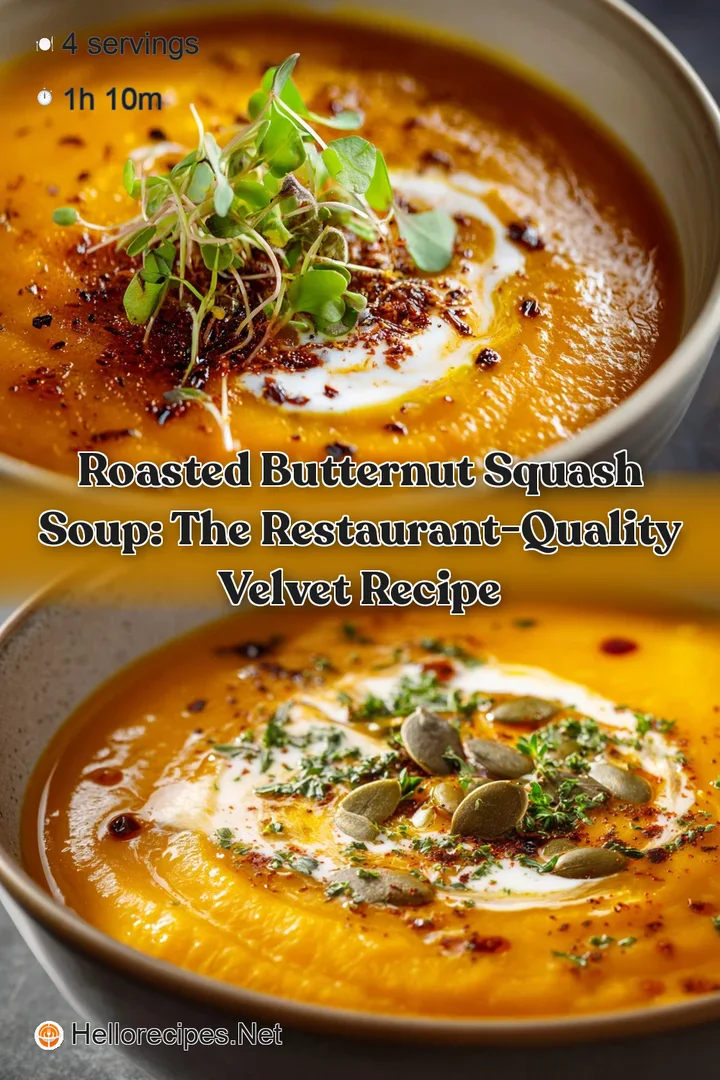
- Toasted pepitas or sunflower seeds (you need that crucial textural crunch).
- A swirl of crème fraîche or plain Greek yogurt for added tanginess.
- A very tiny sprinkle of cinnamon or cayenne pepper right before serving.
- Crispy sage leaves and that glorious brown butter drizzle.
Recipe FAQs
My soup is too thick after blending. How do I fix the consistency?
This is common due to the high starch content of the squash, which thickens as it cools. Simply thin the soup by stirring in additional hot vegetable or chicken stock, a quarter cup at a time, until you reach your desired velvety texture. Be sure to taste and adjust the seasoning after adding liquid.
Can I make this recipe completely vegan?
Absolutely. Ensure you substitute the brown butter finish with high-quality olive oil or vegan butter melted with fresh sage. Instead of dairy cream (if used), finish the soup with full fat coconut milk or a plant based oat cream substitute for an equivalent richness.
Do I need to peel the butternut squash before roasting?
No, you do not need to peel the squash beforehand, which saves time and effort. Roasting the squash halves with the skin on helps them retain moisture and makes scooping the cooked flesh much easier once it is soft. Simply discard the skin before blending.
My soup tastes a bit bland, even with the roasting. What did I miss?
Blandness is usually caused by insufficient salt or a lack of acidity to balance the sweetness of the squash. Before serving, try adding a small splash (1-2 teaspoons) of fresh lemon juice or cider vinegar to brighten the overall flavor profile.
Also, ensure you generously season both the squash before roasting and the liquid base.
How long can I store this soup, and does it freeze well?
The soup can be safely stored in an airtight container in the refrigerator for 3 to 4 days. It freezes exceptionally well; allow it to cool completely, transfer it to freezer safe containers, and freeze for up to 3 months for long term storage.
What is the best method to achieve a truly 'velvet' texture?
For the smoothest result, strain the soup through a fine mesh sieve after blending to remove any fibrous bits. If using a stand blender, blend the soup in batches and ensure you leave the centre cap of the lid slightly ajar to safely release steam and prevent pressure build-up.
Can I use a different type of squash instead of butternut?
Yes, acorn or honeynut squash are excellent substitutes and offer similar sweetness and creamy texture once roasted. However, avoid watery varieties like spaghetti squash, as they will compromise the desired velvet consistency and dilute the richness.
Velvet Roasted Butternut Squash Soup

Ingredients:
Instructions:
Nutrition Facts:
| Calories | 163 kcal |
|---|---|
| Protein | 3.3 g |
| Fat | 13.6 g |
| Carbs | 6.8 g |
