Creamy Vanilla Millet Porridge
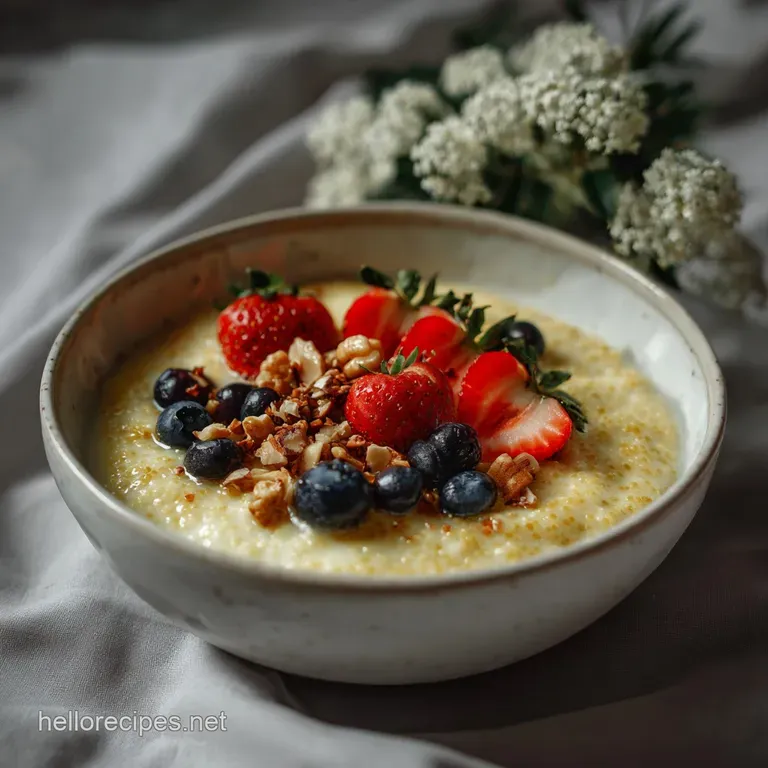
- Time: Active 5 minutes, Passive 20 minutes, Total 25 minutes
- Flavor/Texture Hook: Toasty, floral, and incredibly velvety
- Perfect for: High performance weekday fueling or a refined weekend brunch
- Making Creamy Vanilla Millet Porridge Minimalist Baker
- The Science of Starch Hydration
- Essential Preparation and Cooking Metrics
- Selecting Sustainable High-Quality Elements
- Necessary Culinary Gear and Technology
- Precise Steps for Culinary Success
- Resolving Common Texture and Consistency
- Customizing for Diverse Nutritional Needs
- Efficiency in Storage and Upcycling
- Strategic Pairings for Flavor Contrast
- Exposing Common Cereal Cooking Myths
- Recipe FAQs
- 📝 Recipe Card
Making Creamy Vanilla Millet Porridge Minimalist Baker
Ever looked at a bowl of oatmeal and felt like the texture was just... lacking? I’ve spent years experimenting with grain technology in my own kitchen, and honestly, the traditional mushy bowl is a relic of the past.
We are living in an era of culinary innovation where we can manipulate the structure of ancient grains to create something far more compelling. This specific method for Creamy Vanilla Millet Porridge Minimalist Baker focuses on the contrast between a nutty, toasted exterior and a silky, hydrated core.
Why millet? It’s a sustainable powerhouse that remains vastly underutilized in Western gastronomy. While most people reach for oats, millet offers a unique spherical geometry that provides a satisfying pop before yielding to a creamy suspension. It’s a structural marvel.
When I first attempted this, I made the mistake of not toasting the seeds, resulting in a bland, one dimensional bowl. But when you apply heat to the dry grain first, the transformation is immediate.
This recipe isn't just about a meal; it’s about understanding how lipids and starches interact to create satiety. By using full fat coconut milk and pure vanilla, we aren't just adding flavor we are building a stable emulsion that coats the palate.
Let’s look at how we can use simple kitchen technology to turn these yellow seeds into a luxury breakfast experience.
The Science of Starch Hydration
Toasted Maillard Reaction: Dry toasting the raw hulled millet initiates a chemical transformation that creates volatile aromatic compounds, giving the grain a distinct hazelnut like profile.
Amylose Release: Slow simmering in a combination of filtered water and coconut milk allows the starch granules to swell and eventually burst, creating a natural thickening effect known as starch gelatinization.
Lipid Emulsification: The medium chain triglycerides in the Thai Kitchen Full Fat Coconut Milk bind with the released starches, preventing the porridge from becoming "gummy" and instead ensuring a velvety mouthfeel.
Enzymatic Stability: Adding the Nielsen Massey Pure Vanilla Extract at the very end of the process preserves the delicate vanillin molecules, which would otherwise evaporate under high sustained heat.
Essential Preparation and Cooking Metrics
Before we start, let's look at how this innovative method compares to faster, less technical approaches. The classic stovetop method might take longer, but the texture is incomparably superior.
| Feature | Fast Microwave Method | Classic Stovetop Method |
|---|---|---|
| Texture | Often uneven or gritty | Uniformly velvety with a slight "pop" |
| Flavor Profile | Flat and cereal like | Deeply toasted and aromatic |
| Starch Control | High risk of over boiling | Controlled gelatinization for better mouthfeel |
Precision Checkpoints
- Toasting phase: Heat the dry millet for exactly 4 minutes over medium heat until you detect a nutty aroma.
- Boil point: Ensure the liquid reaches a vigorous boil before immediately dropping to the lowest simmer setting.
- Resting period: After 20 minutes of cooking, allow the pot to sit covered for 5 minutes to finish moisture redistribution.
Selecting Sustainable high-quality Elements
To achieve the best results, we must be selective about our components. Each ingredient plays a specific role in the gastronomy of this dish.
- 1 cup (200g) Bob’s Red Mill Raw Hulled Millet: This is our structural foundation. Why this? Hulled millet cooks faster and has a superior, digestible texture compared to unhulled varieties.
- 2 cups (480ml) Filtered Water: The primary hydration agent. Why this? Clean water ensures no off flavors interfere with the delicate vanilla notes.
- 1 cup (240ml) Thai Kitchen Full Fat Coconut Milk: Provides the essential lipid content. Why this? High fat content is necessary for the velvety suspension we’re aiming for.
- 1/4 tsp Sea Salt: The flavor enhancer. Why this? It balances the sweetness of the maple syrup and sharpens the vanilla aromatics.
- 1 tbsp (15ml) Nielsen Massey Pure Vanilla Extract: Our primary aromatic. Why this? Pure extract has a complex profile that imitation versions simply cannot replicate.
- 2.5 tbsp (37.5ml) Grade A Maple Syrup: A sustainable sweetener. Why this? It offers a liquid sugar source that incorporates seamlessly into the warm porridge.
- 1/2 tsp Ground Cinnamon: Adds a warm, spicy contrast. Why this? Cinnamon complements the toasted notes of the grain perfectly.
Component Analysis Table
| Ingredient | Science Role | Pro Secret |
|---|---|---|
| Raw Hulled Millet | Starch Source | Toast until it smells like popcorn for maximum flavor. |
| Full Fat Coconut Milk | Lipid Buffer | Do not use "light" milk; the fat prevents the grains from sticking. |
| Sea Salt | Ionic Contrast | Add it at the start to penetrate the grain's core. |
Necessary Culinary Gear and Technology
You don't need a lab, but having the right technology makes the process effortless.
- Lodge Enameled Cast Iron Dutch Oven: The heavy bottom provides even heat distribution, preventing the bottom of the porridge from scorching during the long simmer.
- Fine Mesh Sieve: Essential for rinsing the millet to remove any bitter saponins or dust.
- Silicone Spatula: Perfect for scraping the bottom of the pot to ensure all the creamy starches stay integrated.
- Digital Kitchen Scale: For precise measurement of the 200g of millet, ensuring the hydration ratio is always 1:3.
Precise Steps for Culinary Success
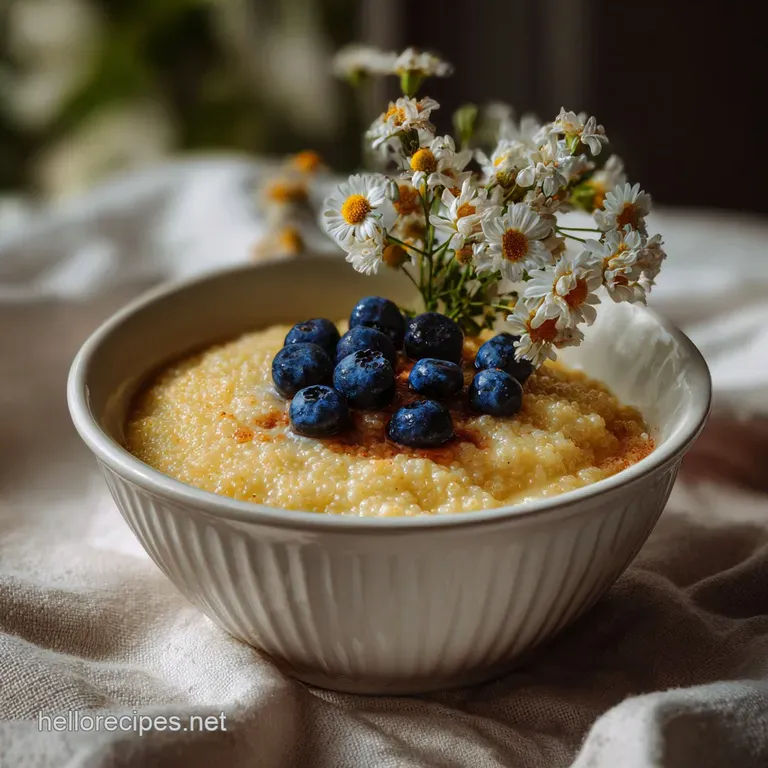
Phase 1: The Dry Toast
- Rinse the 1 cup (200g) raw hulled millet in a fine mesh sieve under cold running water until the water runs clear.
- Dry the millet as much as possible by shaking the sieve vigorously or patting with a clean towel.
- Place a Lodge Cast Iron Dutch Oven over medium heat and add the damp millet.
- Toast the millet for 3 to 4 minutes, stirring constantly with a silicone spatula until the grains are golden and smell like toasted nuts.
Phase 2: The Controlled Simmer
- Add the 2 cups (480ml) filtered water and the 1/4 tsp sea salt to the pot. Note: Adding salt early seasons the grain from the inside out.
- Bring to a boil over high heat, then immediately reduce to the lowest possible setting.
- Cover the pot tightly and simmer for 15 minutes until most of the water is absorbed and grains are tender.
- Stir in the 1 cup (240ml) full fat coconut milk and the 1/2 tsp ground cinnamon, increasing the heat slightly to a low bubble.
- Cook for 5 more minutes while stirring occasionally until the texture is thick, velvety, and suspended in cream.
Phase 3: The Vanilla Finish
- Remove from heat and stir in the 2.5 tbsp (37.5ml) maple syrup and 1 tbsp (15ml) pure vanilla extract.
- Cover and rest for 5 minutes. This allows the starches to set, much like the technique used in a Delightfully Creamy To Zieke recipe.
Resolving Common Texture and Consistency
But what about the sogginess? Or worse, those pesky crunchy bits? Achieving the right consistency is a matter of heat management.
To Fix Grainy or Crunchy Millet
If your millet is still hard after the allotted time, it’s likely your simmer wasn't quite hot enough or your lid wasn't tight enough, allowing steam to escape. Add 1/4 cup of hot water and continue to simmer covered for another 3 minutes.
For Overly Thick or Gummy Porridge
Gummy texture happens when the grains are over agitated while cooking. If it's too thick, don't just stir it vigorously. Gently fold in a splash of warm almond milk or extra coconut milk until it reaches your desired fluidity.
| Problem | Cause | Fix |
|---|---|---|
| Burnt Bottom | Heat too high/No stirring | Use a heavy bottomed pot and lower the flame. |
| Soupy Texture | Too much liquid | Simmer uncovered for 2-3 minutes to evaporate moisture. |
| Bitter Taste | Millet wasn't rinsed | Always rinse grains in a fine mesh sieve before toasting. |
Customizing for Diverse Nutritional Needs
This Creamy Vanilla Millet Porridge Minimalist Baker is naturally versatile. It's already gluten-free and vegan, but we can push the boundaries further.
For a High Protein Boost
Stir in 2 tablespoons of hemp seeds or a scoop of clean vanilla pea protein after the cooking process is complete. If using protein powder, you may need an extra splash of coconut milk to maintain the "velvety" finish.
For a Nut Free School Safe Version
Since we are already using coconut milk (which is technically a fruit), this recipe is generally safe for nut free environments. However, ensure your vanilla extract is not almond based.
For a Refined sugar-free Option
Replace the maple syrup with 2 mashed ripe bananas or 3 chopped Medjool dates. Add the dates at the beginning of Phase 2 so they soften and melt into the porridge.
- If you want it sweeter
- Add a swirl of Homemade Vanilla Buttercream recipe as a decadent topping.
- If you want it crunchier
- Top with toasted pepitas or cacao nibs.
- If you want it creamier
- Increase the coconut milk by 1/4 cup and reduce the water by the same amount.
Efficiency in Storage and Upcycling
Storage: This porridge minimalist baker keeps exceptionally well. Place leftovers in an airtight glass container and refrigerate for up to 4 days. Because the starches continue to hydrate, it will thicken significantly in the fridge.
Freezing: You can freeze individual portions in silicone molds for up to 2 months. Thaw overnight in the fridge before reheating.
Reheating: Add a splash of water or plant milk to the bowl and microwave in 30 second intervals, stirring in between. This restores the creamy suspension.
Zero Waste Tip: Don't throw away leftover porridge! You can mix cold leftovers with a bit of flour and an egg (or flax egg) to create "millet fritters." Pan fry them until they sizzle and shatter for a completely different meal experience.
Strategic Pairings for Flavor Contrast
The key to a sophisticated breakfast is playing with contrasts. This porridge is sweet and rich, so it benefits from bright or salty additions.
The Flavor Map
- Base: Earthy, nutty toasted millet.
- Cream: Silky coconut and floral vanilla.
- Acid: Fresh raspberries or a squeeze of lime.
- Salt: A dollop of almond butter or a sprinkle of flaky Maldon sea salt.
If you enjoy this texture focused approach, you might find similarities in the way we handle delicate liquids in a Foolproof Classic Vanilla recipe.
Exposing Common Cereal Cooking Myths
Myth: You must soak millet overnight. Actually, soaking can sometimes make the millet too mushy for this specific "creamy yet distinct" texture. Toasting the dry grain provides better flavor development and structural integrity than soaking does.
Myth: low-fat milk makes a better "healthy" porridge. Honestly, don't even bother with low-fat options here. The lipids in full fat coconut milk are essential for satiety and the proper emulsification of the starches. Without the fat, the porridge will feel thin and unsatisfying.
Myth: Millet is just birdseed. While it is used in birdseed mixes, culinary grade hulled millet is a staple in many cultures for its high protein and mineral content. When treated with modern gastronomy techniques, it is as refined as any high end risotto or polenta.
Trust me on this, once you try the toasted version, there's no going back to plain oats. Ready to crack on? Grab your Dutch oven and let's get toasting!
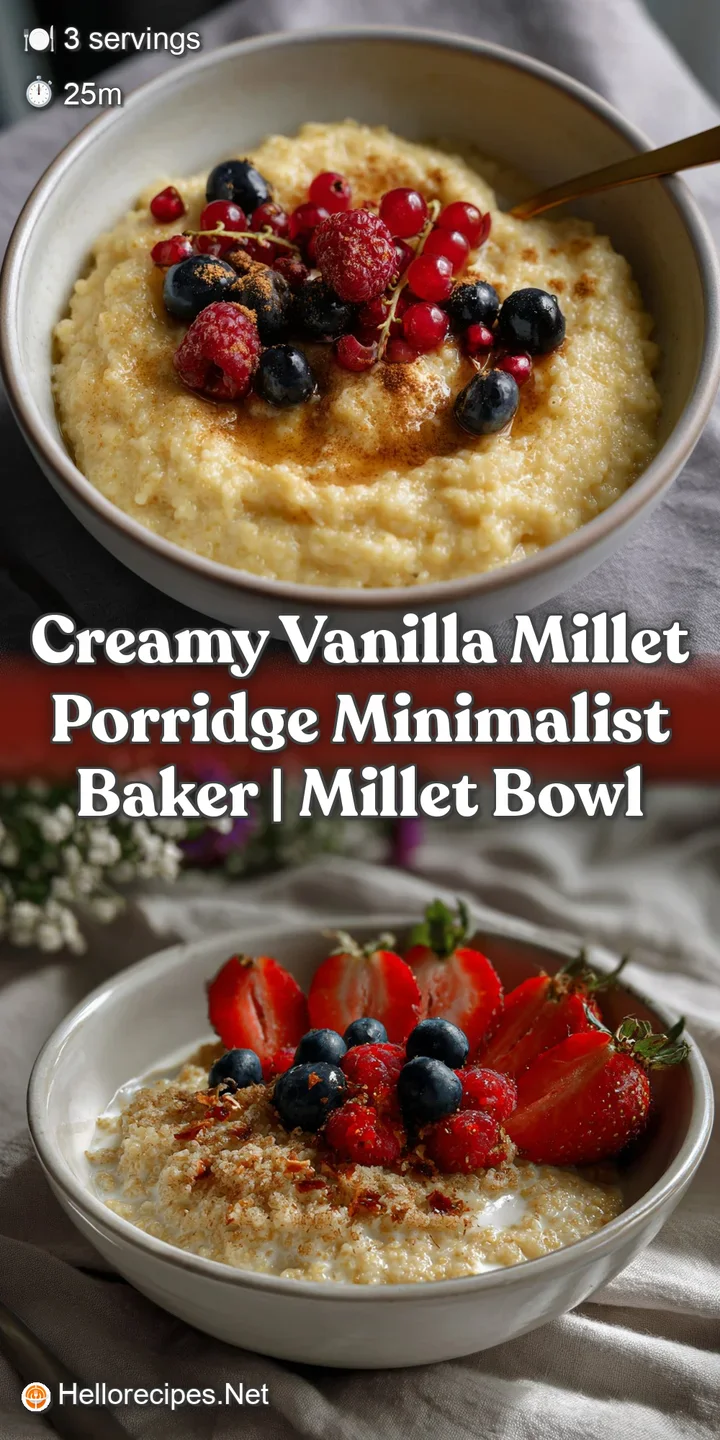
Recipe FAQs
Can I substitute hulled millet with unhulled millet?
No, not without significantly altering the cooking time. Unhulled millet retains its bran layer, meaning it takes much longer to soften and will likely result in a significantly less creamy final texture for this quick recipe.
Why must I toast the millet before adding liquid?
Yes, toasting is critical for flavor development. Dry toasting activates aromatic compounds through light Maillard reactions, ensuring the porridge tastes nutty rather than bland; this flavor principle is key to deep flavor building, similar to how we achieve richness in our How to Make Delicious Nutella Puff Pastry Puffs: My Easy Recipe.
What can I use if I need to skip the coconut milk?
Yes, you can substitute with other high fat dairy or non-dairy options. Use full fat oat milk or cashew cream if you are avoiding coconut, but you must maintain the total liquid volume to ensure proper starch gelatinization.
My porridge turned out grainy; what went wrong?
It means the starch didn't fully hydrate or the heat was too high. The liquid likely evaporated too quickly, preventing the starch granules from swelling properly; try adding a little more hot liquid and simmering very slowly, covered, for another five minutes.
How far in advance can I prepare the ingredients?
You can safely toast the dry millet up to one week ahead of time. Store the toasted grains in an airtight container at room temperature; this separation of toasting and cooking helps manage the overall active preparation time for busy mornings.
Can I make this recipe sugar-free?
Yes, you can swap the maple syrup for mashed fruit. Use two very ripe, mashed bananas or about 3-4 pitted Medjool dates added during the last stage of cooking to achieve sweetness naturally.
How do I achieve that perfectly velvety, non-gummy texture?
The secret is controlling the fat and moisture balance while using low, slow heat for the simmer. A high fat content, like that provided by full fat coconut milk, coats the starches, preventing them from bonding too tightly; mastering this suspension technique will help you with recipes like rich, creamy desserts, such as in My Easy Guide on How to Make Vanilla Ice Cream at Home.
Vanilla Millet Porridge Innovation
Ingredients:
Instructions:
Nutrition Facts:
| Calories | 465 kcal |
|---|---|
| Protein | 8.9 g |
| Fat | 19.6 g |
| Carbs | 62.4 g |
| Fiber | 5.7 g |
| Sugar | 10.8 g |
| Sodium | 192 mg |
