The Ultimate Slowcooked Beef Stew a Proper Heartwarmer
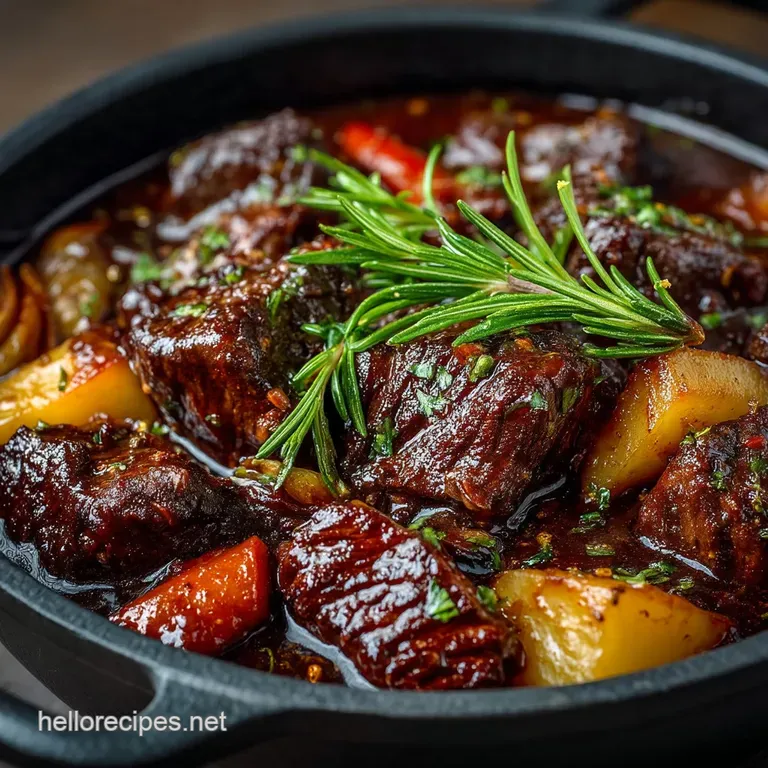
Why This Slow Cooked Beef Stew Will Become Your New Cold Weather Staple
There are stews, and then there is the stew. This particular Beef Stew Recipe is built on the time honored principles of classic French country cooking, specifically the technique of layering flavor and exercising patience.
It is the antithesis of fast food a commitment to deep, resonant flavor achieved only through a long, gentle simmer. Unlike rushed recipes that result in bland broth, our method creates a rich, mahogany colored gravy that coats every piece of meat and vegetable.
The reward for your patience is the most magnificent and Tender Beef Stew you will ever taste, transforming an inexpensive cut of meat into a fork tender dream.
This process takes a total of about three hours and forty five minutes, making it the perfect weekend project for culinary satisfaction.
Building the Ultimate Flavor Foundation for Richness
The secret to moving beyond mere "beef and gravy" to true depth lies in three distinct stages performed before the liquid even enters the pot. First, we secure the Maillard reaction by meticulously searing the 2.5 pounds (1.1 kg) of beef chuck.
This process develops hundreds of new flavor compounds, which are irreplaceable. Second, we sauté our aromatics the large yellow onion, three carrots, and two celery stalks in butter until they are deeply softened. Finally, we caramelize two tablespoons of tomato paste.
Activating this paste darkens its color and concentrates its acidity, adding a vital dimension that cuts through the richness of the meat, setting the stage for an unforgettable, multi layered broth.
The Essential Equipment for Deep Flavor Cooking
While professional kitchens rely on specialized gear, the heart of any great, deep flavored Beef Stew is the vessel itself. For maximum success, you need a heavy bottomed pot, ideally a Dutch Oven with a capacity of 4 to 6 quarts.
The mass and thickness of cast iron ensure even heat distribution, preventing hot spots that can scorch the bottom and allowing for that crucial low-and-slow simmer. If you need a more hands off approach for your Homemade Beef Stew Instructions , this recipe adapts beautifully.
You can easily transition this classic method into a Beef Stew Crockpot recipe after the searing and deglazing steps are complete; just allow an additional 6– 8 hours on low.
Similarly, a pressure cooker speeds things up drastically, making it a viable Beef Stew Instant Pot meal for a weeknight, although the Dutch oven remains the traditional gold standard.
A Note on Wine Selection: Choosing the Right Bottle for Your Pot
The red wine we use here is not merely a liquid filler; it is an active ingredient essential for deglazing the pot and tenderizing the beef fibers. We require one cup (240 ml) of a dry red varietal, such as Merlot or Cabernet Sauvignon. A firm rule of thumb: if you wouldn't drink it, don't cook with it.
Avoid "cooking wines" which are often salty and low quality. The goal is to use the wine's acidity to scrape up the rich fond (the browned bits left by the meat) and then reduce it by half.
This crucial reduction step concentrates the grape flavor and cooks off the harsh alcohol, leaving only complex, fruity depth in your broth.
The Complete Shopping List for Our Hearty Stew
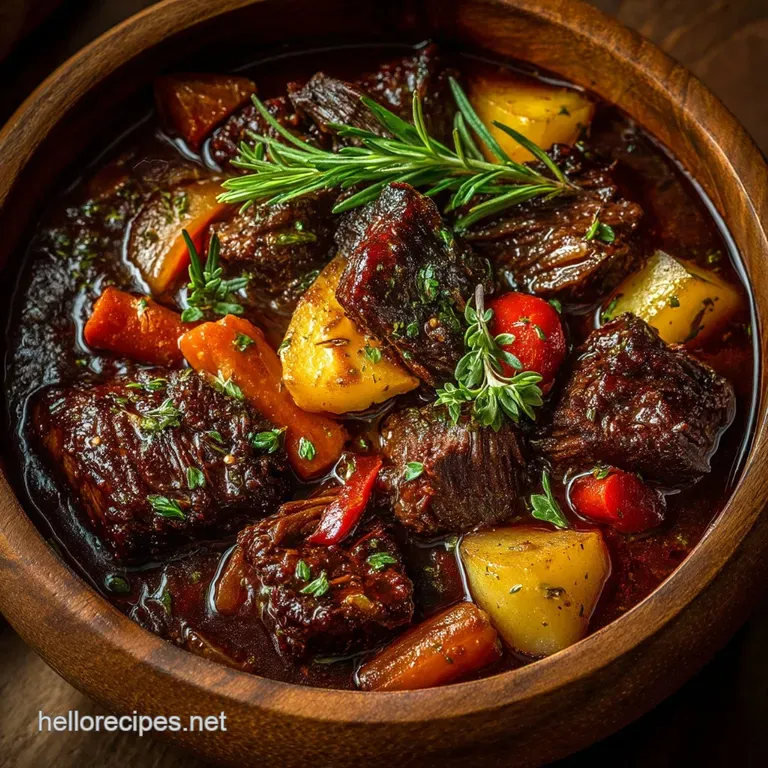
To achieve a stew of this quality, we must be intentional about every ingredient chosen. This list serves as your comprehensive guide to selecting the components that will create the definitive hearty meal.
Selecting the Best Cut of Beef for Tender Results
For the perfect Beef Stew Meat Recipe , the quality of the cut is everything. We rely on 2.5 pounds (1.1 kg) of Beef Chuck or Braising Steak. This particular cut, taken from the shoulder, is high in connective tissue (collagen), which might sound tough, but is precisely what we want.
When subjected to a long, slow cook time of over three hours, this collagen breaks down into gelatin, infusing the broth with natural body and moisture, yielding the desired meltingly soft texture. Ensure the meat is trimmed of excessive fat and cut into uniform 1.5 inch (4 cm) cubes for even cooking.
Before searing, the meat should be lightly dusted with a mix of one-quarter cup of all-purpose flour, salt, and pepper this coating aids in both browning and initial thickening.
A Guide to Aromatics: The Unsung Heroes of the Broth
The supporting cast of vegetables the classic mirepoix provides the aromatic backbone. We need one large yellow onion, three medium carrots, and two celery stalks, all diced or sliced uniformly (about 1/2 inch thick).
These are the first items to hit the pot after the meat is seared, sautéed in a tablespoon of unsalted butter until softened. Four cloves of minced garlic are added late in the process, stirred in with the tomato paste to ensure they cook just long enough to activate their flavour without burning.
Finally, the simmering liquid requires fresh herbs: four sprigs of thyme and two large bay leaves. Tying the thyme sprigs together with butcher’s twine creates a simple bouquet garni, making removal simple at the end of the cooking cycle.
The Pantry Staples That Elevate the Gravy
The bulk of the stew’s liquid base comes from four cups (960 ml) of high-quality, low-sodium beef stock. While the red wine provides complexity, the stock determines the final savory body. Always opt for a good brand or homemade stock; a thin, weak stock will result in a thin, weak stew.
For an extra layer of savory depth, we integrate one teaspoon of Worcestershire sauce, which provides essential umami. Finally,, the potatoes. We use one pound (450 g) of waxy potatoes, such as baby potatoes, halved or quartered.
Waxy varieties are preferred because they hold their shape better than starchier options, preventing them from disintegrating into mush during the final phase of the simmer.
Related Recipes Worth Trying
- Ultimate Slow Cooker Beef Curry Tender Madras Style with Coconut Milk — This Homemade Beef Curry Recipe delivers tender beef in a rich velvety sauce Prep in 20 minutes then let the slow cooker work its magic for proper comfort grub
- Rich Hearty Beef and Pearl Barley Soup Recipe — Forget watery broths This Beef Barley Soup recipe builds deep flavour through searing for a truly hearty comfort soup that sticks to your ribs Get the...
- Tender Beef in Balsamic Onion Sauce Rich Weeknight Dinner — Forget fussy cooking This Tender Beef in Balsamic Onion Sauce recipe delivers meltinyourmouth beef chunks in a deep tangy sauce An easy beef dinner that...
step-by-step: Crafting the Perfect Red Wine Beef Stew
Executing the perfect Beef Stew requires patience and adherence to the crucial sequential steps outlined below, ensuring maximum flavor extraction at every turn.
Searing and Deglazing: Locking in the First Layer of Depth
The initial preparation of the meat is non-negotiable. Pat the floured, seasoned beef pieces dry. Heat two tablespoons of olive or vegetable oil in your Dutch oven over medium high heat.
You must sear the meat in small, single layer batches; overcrowding the pot will cause the temperature to drop, steaming the meat instead of browning it. Sear each batch for 2– 3 minutes per side until a deep, beautiful crust forms, then remove with a slotted spoon and set aside.
Once all the meat is seared and the aromatics have softened for 8– 10 minutes, stir in the tomato paste and garlic for one minute to activate their flavour. Now comes the deglazing: pour in the cup of red wine.
Vigorously scrape the bottom of the pot with a wooden spoon to lift all the rich, caramelized fond . Allow this wine to reduce by half a 5 7 minute process before proceeding.
The Essential Simmer: Monitoring the Texture of Your Meat
After returning the seared beef and its resting juices to the pot, add the four cups of beef stock, the Worcestershire sauce, bay leaves, and the tied bundle of thyme. Bring the mixture briefly to a boil, then immediately reduce the heat to the absolute lowest setting you want a gentle, infrequent bubble, not a rolling boil.
Cover the pot and let the magic happen. The initial simmer period is 1 hour and 45 minutes, allowing the tough connective tissues in the chuck to begin their conversion to gelatin. After this time, stir in the waxy potatoes.
Cover the pot again and continue simmering for another 45 minutes to 1 hour. You know your Homemade Beef Stew Instructions are complete when the beef yields instantly to the slightest pressure from a fork.
Achieving the Ideal Gravy Consistency
The richness of the final sauce in this step-by-step Beef Stew Recipe is partially achieved by the flour coating on the beef and the natural release of gelatin during the long cooking time. Once the beef is tender, remove the herb bundle and bay leaves.
At this stage, if the stew is slightly thinner than desired, you have two great options. You can simply remove the lid and let the stew simmer gently, uncovered, for 10 to 15 minutes, allowing excess moisture to evaporate.
Alternatively, for a quicker fix, utilize the chef's secret: the beurre manié . Mix one tablespoon of softened butter with one tablespoon of flour into a paste and whisk small pieces of this paste into the simmering stew. It will thicken almost instantly without creating lumps.
Stir in the optional half cup of frozen peas just before serving for a pop of colour and freshness.
Expert Tips and Serving Suggestions for the Best Stew
A superb stew deserves equally superb accoutrements and careful preservation to ensure every meal is as rewarding as the first.
What to Serve Alongside Your Rich and Savory Meal
This deeply flavorful stew is a meal unto itself, but it shines brightest when paired with the right sides. The classic accompaniment is a generous mound of creamy mashed potatoes their smooth texture and mild flavor are ideal for soaking up every drop of the rich, savory gravy.
A close second is a robust, crusty sourdough bread, essential for sweeping the bowl clean. To provide a refreshing counterpoint to the stew’s heartiness, serve a side of lightly steamed greens, like blanched green beans or broccoli, tossed simply with a bit of lemon juice and butter for brightness.
Storage Solutions: Can You Freeze Beef Stew Safely?
One of the great joys of making a large batch of Beef Stew is the knowledge that the leftovers are often even better the next day, as the flavors meld overnight. Yes, you can absolutely freeze this recipe safely.
Once cooled completely, portion the stew into air-tight, freezer safe containers, leaving a little headspace as the liquid will expand. The stew will maintain its quality for up to three months. When reheating, thaw overnight in the refrigerator and then warm slowly on the stovetop or in a microwave.
Note that the potatoes might become slightly softer in texture after freezing, but the deep flavor of the gravy remains intact.
Quick Fixes: Troubleshooting Common Stew Issues
If you find your stew is too salty (perhaps due to an overly seasoned stock), you can drop a few peeled, raw potato slices into the stew for the final 20 minutes of cooking; they will absorb some of the excess saltiness.
If the beef is still tough after the full three hour cook time, don't rush it; the meat simply needs more time to break down the collagen. Continue to simmer slowly, covered, until it reaches that desirable fork tender state.
If the gravy is too thin and you don't wish to use the beurre manié trick, simmering uncovered for 10– 15 minutes is the simplest, albeit slowest, solution.
Customizing the Classic: Variations and Substitutions
This classic technique offers a fantastic foundation for experimentation. If you are preparing a large batch using the Beef stew recipe crock pot method, you might want to try the robust Guinness variation, where you substitute the red wine for an equal amount of dark stout and add a tablespoon of molasses or brown sugar for a malty sweetness.
For a mushroom and mustard twist, sauté one cup of sliced cremini mushrooms alongside your aromatics, and stir in one tablespoon of Dijon mustard during the deglazing phase. If you need a wine substitution, use additional beef stock mixed with one tablespoon of red wine vinegar for the necessary acidity.
Beef chuck can be replaced with lamb shoulder or venison, requiring slight adjustments to the cooking time to ensure optimal tenderness. Finally, if you need a gluten-free option, you can thicken the stew at the end with a cornstarch slurry instead of relying on the initial flour dredge.
Recipe FAQs
Why is my beef still tough after simmering for ages? I want that proper melt-in-the-mouth texture!
This usually means the beef didn't cook long enough, or the heat was too high. Beef chuck requires a gentle, low simmer (never a rolling boil) for at least three hours to allow the tough collagen to fully break down. If it's tough, the answer is always the same: keep simmering!
It’s the culinary equivalent of watching paint dry, but patience is your best friend here.
Help! My stew is too watery at the end. How can I thicken this glorious Beef Stew up quickly?
Don't fret, this is easily sorted without turning it into glue. The best trick is using a beurre manié (the chef's tip): mix equal parts softened butter and flour into a paste and whisk a tiny bit into the simmering stew.
Alternatively, take the traditional route and simply mash a few cooked potatoes against the side of the pot; their starch will thicken the sauce naturally and beautifully.
I don't drink alcohol; what's the best substitute for the red wine in the recipe?
If you're skipping the wine, replace it with an equal amount of high-quality beef stock mixed with 1 tablespoon of red wine vinegar or balsamic vinegar. The acidity is crucial, as it tenderises the meat and provides the necessary sharp balance against the richness, ensuring the flavour doesn't fall flat.
How long does this hearty Beef Stew keep, and can I freeze leftovers for a rainy day?
This is one of those fantastic meals that tastes even better the day after perfect for Tuesday lunch! It stores brilliantly in an airtight container in the fridge for up to 3 days.
For future suppers, you can freeze the stew for up to 3 months, though a word of warning: potatoes tend to change texture and can be a bit grainy upon thawing.
What are the best side dishes to serve with such a rich stew?
You can’t beat the classics! A generous dollop of creamy, buttery mashed potatoes is essential for soaking up all the rich gravy. For contrast, serve a side of steamed greens, like blanched green beans or broccoli, tossed lightly with a squeeze of lemon juice, which cuts through the richness beautifully.
Ultimate Red Wine Beef Stew
Ingredients:
Instructions:
Nutrition Facts:
| Calories | 755 kcal |
|---|---|
| Protein | 10.6 g |
| Fat | 48.4 g |
| Carbs | 64.1 g |
| Fiber | 12.2 g |
| Sodium | 557 mg |
