The Ultimate Pesto Grilled Cheese Sandwich
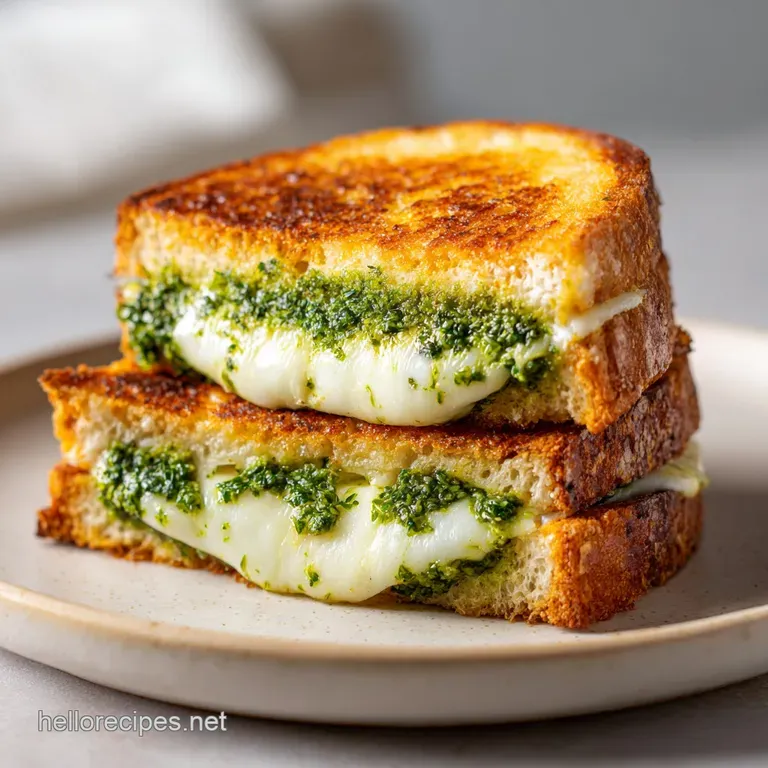
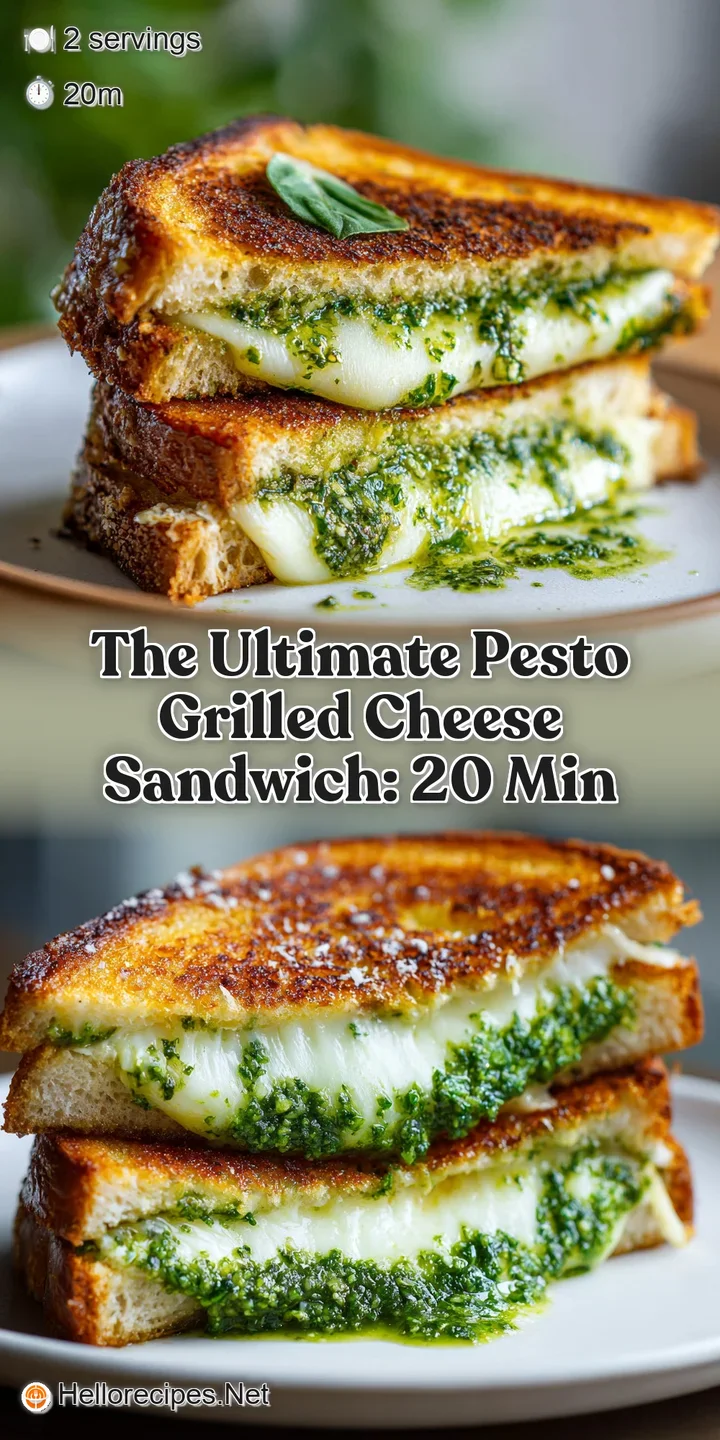
- Time: Active 10 minutes, Passive 10 minutes, Total 20 minutes
- Flavor/Texture Hook: Shatteringly crisp sourdough meets herbaceous basil and tangy sun dried tomatoes.
- Perfect for: An innovative weekend lunch or a sophisticated solo dinner.
- Create the Ultimate Pesto Grilled Cheese Sandwich
- Thermal Dynamics of Golden Fat
- Ingredient Deep Dive Analysis
- Curating Elements for Maximum Flavor
- Essential Tools for Searing Bread
- Mastering the Multi Layered Method
- Preventing Sogginess and Burnt Sides
- Innovative Twists on Classic Filling
- Preserving the Shatteringly Crisp Crust
- Optimal Pairings for This Melt
- High in Sodium
- Recipe FAQs
- 📝 Recipe Card
Create the Ultimate Pesto Grilled Cheese Sandwich
I still remember the first time I ditched the butter for mayonnaise on the outside of my bread. I was skeptical, standing in my sun drenched kitchen with a cast iron skillet already puffing a tiny bit of smoke. But as the sourdough hit the pan, it didn't just sizzle, it sang.
Indulge in the ultimate comfort food with this recipe for The Ultimate Pesto Grilled Cheese Sandwich with Mozzarella. The kitchen filled with a nutty, almost custard like aroma that butter just can't replicate, and I knew I had stumbled onto something special.
This isn't your average cafeteria melt. We are talking about a sophisticated layering of textures where the sharpness of the parmesan crusted exterior yields to the stretch of fresh mozzarella.
The basil pesto adds a punch of green brightness, while the sun dried tomatoes provide little explosions of concentrated umami. It is a sandwich that feels like a trip to a coastal Italian deli, even if you are just standing in your pajamas at noon.
We've all suffered through a "sad" grilled cheese - the ones where the bread is soggy or the cheese is a solid, unyielding brick in the middle. I’ve made those mistakes so you don't have to.
By focusing on thermal management and moisture control, you'll produce a sandwich that stays crisp until the very last bite. Trust me, once you hear that first "shatter" when your knife cuts through the crust, there is no going back to the old way.
Thermal Dynamics of Golden Fat
1. The Maillard Reaction Mastery
The secret to that deep mahogany color lies in the proteins of the mayonnaise. Unlike butter, which has a low smoke point and can burn before the cheese melts, the egg and oil in mayo create a stable emulsion that browns evenly and adds a savory depth.
This chemical transformation, known as the Maillard reaction, is what gives the bread its distinctive toasted flavor profile.
2. Strategic Moisture Management
Fresh mozzarella is high in water content, which can be the enemy of a crisp sandwich. By slicing it thin and patting it dry before assembly, we ensure the heat goes toward melting the fat rather than steaming the bread from the inside out. This technique is very similar to my favorite How to Make recipe where we focus on that even melt.
3. The Emulsion Advantage
Using a high-quality pesto provides a lipid barrier between the spinach and the bread. This prevents the moisture from the greens from migrating into the sourdough, maintaining structural integrity. When the oils in the pesto heat up, they infuse the inner crumb with garlic and basil essence without making it limp.
| Method | Time | Texture | Best For |
|---|---|---|---|
| Cast Iron | 10 minutes | Deeply caramelized, very crisp | Maximum flavor and crunch |
| Non Stick | 8 minutes | Uniformly golden, softer bite | Beginner friendly and quick cleanup |
| Air Fryer | 12 minutes | Evenly toasted, less oily | Hands off preparation |
Ingredient Deep Dive Analysis
| Ingredient | Science Role | Pro Secret |
|---|---|---|
| Sourdough | Structural foundation with air pockets | Use day old bread for less moisture |
| Mayonnaise | Browning agent and fat source | Spread it edge to edge for no dry spots |
| Fresh Mozzarella | Elasticity and creamy mouthfeel | Slice 15 minutes early to temper |
| Parmesan | Exterior umami and texture | Fine grating creates a lacy crust |
The chemistry of this sandwich relies on the interaction between the over high heat stability of the mayonnaise on the exterior and the low melting point mozzarella on the interior. This temperature gradient is essential for the "glass crust" effect.
Curating Elements for Maximum Flavor
- 4 slices high-quality sourdough bread: Why this? The fermented tang balances the rich fats of the cheese and pesto.
- Substitute: Italian pane or a thick cut ciabatta for a similar sturdy structure.
- 2 tbsp light olive oil mayonnaise: Why this? Provides a higher smoke point and more even browning than butter.
- Substitute: Avocado oil mayo or traditional butter if you prefer a dairy forward crust.
- 1 clove garlic, peeled: Why this? Rubbing the toasted bread adds raw aromatic intensity without the bitterness of burnt pieces.
- Substitute: 1/4 tsp garlic powder mixed into the mayonnaise for a milder finish.
- 4 oz fresh mozzarella, thinly sliced and dried: Why this? Offers the ultimate "cheese pull" and a milky, velvety texture.
- Substitute: Low moisture mozzarella for an even meltier, saltier experience.
- 2 tbsp classic basil pesto: Why this? Concentrated herbs and pine nuts add a vibrant, peppery kick.
- Substitute: Sun dried tomato pesto or a walnut arugula pesto for a different flavor profile.
- 6 sun dried tomatoes, drained: Why this? Provides chewy texture and a concentrated punch of sweet acidity.
- Substitute: Thinly sliced fresh Roma tomatoes (seeded and patted dry).
- 15g fresh baby spinach: Why this? Adds a fresh, earthy element and a pop of color.
- Substitute: Baby arugula for a peppery bite or omit for a more classic feel.
- 1 tbsp grated parmesan cheese: Why this? Creates a salty, crispy "frico" crust on the outside of the bread.
- Substitute: Grana Padano or Pecorino Romano for a sharper flavor profile.
Essential Tools for Searing Bread
To achieve the best results, a heavy bottomed skillet is your most important ally. A cast iron pan such as a Lodge 10 inch skillet is my personal favorite because it retains heat beautifully, ensuring that once you drop the bread, the temperature doesn't plummet.
This consistent heat is what gives you that uniform golden hue across the entire surface of the sourdough.
You will also want a wide, flat spatula. Using a thin metal turner allows you to get under the bread without disturbing the delicate parmesan crust we are going to build. If you are using a non stick pan, a silicone edged spatula works best to protect the coating while still providing enough leverage for a clean flip.
Mastering the Multi Layered Method
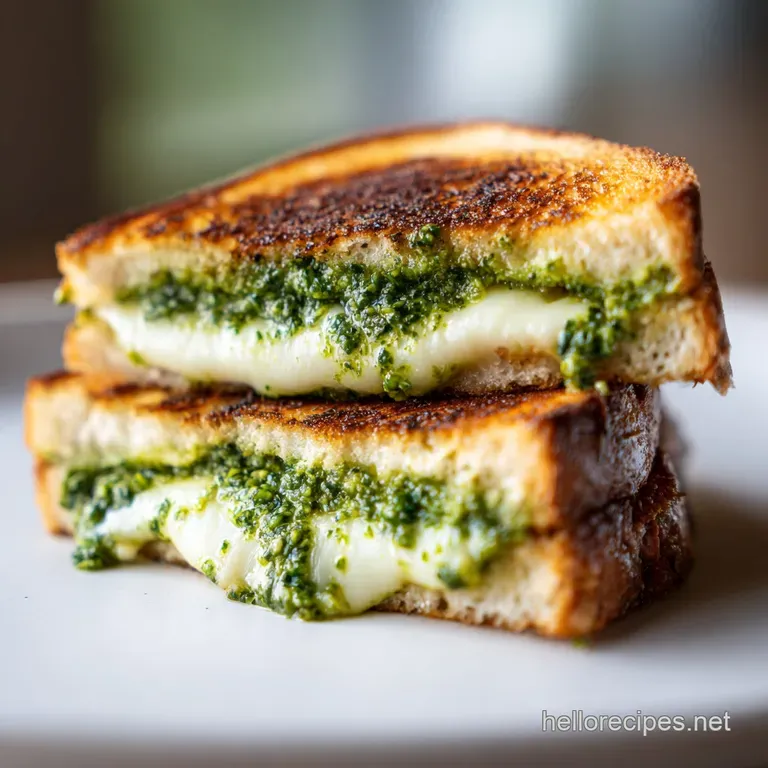
1. The Bread Preparation
Lay out your 4 slices of sourdough bread on a clean work surface. Use a butter knife to spread 1/2 tbsp of mayonnaise over one side of each slice, ensuring you reach the very edges. Note: This mayo layer is the key to the uniform sear.
2. The Parmesan Foundation
Sprinkle 1/4 tbsp of grated parmesan cheese over the mayo slathered side of each slice. Press the cheese gently into the mayo with your fingers so it adheres. This creates a savory, lacy crust once it hits the pan.
3. Layering the Interior
Flip two of the slices over so the mayo parm side is down. Spread 1 tbsp of basil pesto onto the dry side of these two slices. Note: The pesto acts as a flavorful glue for the next layers.
4. Adding the Greenery
Place 7.5g (about half) of the fresh baby spinach over the pesto covered slices. Wait until the spinach looks vibrant before adding the next layer to ensure even distribution.
5. The Cheese Stack
Top the spinach with 2 oz of the sliced and dried fresh mozzarella per sandwich. Ensure the slices are distributed evenly to prevent a "domed" sandwich that doesn't heat through the center.
6. The Umami Boost
Place 3 sun dried tomatoes on top of the mozzarella on each sandwich. Note: Spacing these out ensures every bite has a hit of acidity.
7. Closing the Sandwich
Place the remaining two sourdough slices on top, mayo parm side facing out. Your sandwiches are now ready for the heat.
8. The Controlled Sear
Preheat your skillet over medium low heat for 3 minutes. Note: We want a pan temperature around 350°F (180°C) to melt the cheese before the bread burns.
9. The Initial Fry
Place the sandwiches into the warm pan. Cook for 5 minutes until you hear a gentle, steady sizzle and the bottom is deeply golden.
10. The Golden Flip
Carefully flip each sandwich. Cook for another 3 to 5 minutes until the cheese is visibly oozing and the second side matches the first in color and crunch.
Preventing Sogginess and Burnt Sides
Why Your Bread Stays Soft
If your sandwich lacks that characteristic shatter, the heat was likely too low or the bread was too fresh. Low heat causes the bread to absorb the fat rather than searing against it. Conversely, if the heat is too high, the outside will blacken before the mozzarella even begins to soften.
| Problem | Root Cause | Solution |
|---|---|---|
| Soggy Bottom | Excess moisture in spinach or cheese | Pat all wet ingredients dry with paper towels |
| Burnt Crust | Heat too high for the mayo/parm | Lower heat to medium low and use a heavier pan |
| Cold Center | Mozzarella was too cold/thick | Slice thinner and let cheese sit at room temp |
Common Mistakes Checklist
- ✓ Pat the fresh mozzarella completely dry with paper towels (prevents steaming).
- ✓ Preheat the pan for 3 full minutes before adding the sandwiches.
- ✓ Avoid the urge to press down hard with the spatula - let the heat do the work.
- ✓ Use a lid for the final 60 seconds of cooking if the cheese isn't melting fast enough.
- ✓ Let the sandwich rest for 1 minute on a wire rack before slicing to set the crust.
Innovative Twists on Classic Filling
1. The Protein Packed Pesto Melt
For a more substantial meal, add 2 oz of thinly sliced roasted turkey or grilled chicken breast between the spinach and the cheese. This turns the snack into a hearty dinner. If you want to explore this direction further, check out my Pesto Chicken Sandwich recipe which uses similar aromatics.
2. The Spicy Mediterranean Twist
If you like a bit of heat, add a teaspoon of crushed red pepper flakes to the pesto or use a spicy calabrian chili pesto. You can also swap the sun dried tomatoes for roasted red peppers for a sweeter, smokier finish.
3. gluten-free Adaptation
This recipe works remarkably well with sturdy gluten-free bread. Look for a "sourdough style" GF loaf that can stand up to the weight of the mozzarella and pesto. Since GF bread can be drier, you might need an extra teaspoon of mayo to get that perfect golden finish.
Preserving the Shatteringly Crisp Crust
If you find yourself with leftovers, though that is rare in my house, you can store this sandwich in the fridge for up to 2 days. Wrap it tightly in parchment paper rather than plastic wrap to allow some airflow, which prevents the bread from becoming completely mushy.
For reheating, please avoid the microwave at all costs. It will turn your beautiful sourdough into a rubbery mess. Instead, place the sandwich back into a dry skillet over medium low heat for about 3 minutes per side. This will revive the oils in the mayo and parm, bringing back that crunch.
You can also use an air fryer at 325°F (160°C) for 4 minutes for a near perfect restoration of the original texture.
To use up the leftover scraps of sourdough, toss them in a bit of olive oil and the remaining parmesan to make croutons. If you have extra pesto, it makes a fantastic base for a salad dressing the next day.
Optimal Pairings for This Melt
Nothing beats dunking this into a Roasted Tomato Soup recipe for a classic pairing. The acidity of the tomato cuts through the richness of the mozzarella and the herbal notes of the pesto. It is a flavor combination that feels timeless but looks modern on the plate.
If you are serving this for a gathering, I love cutting the sandwiches into "fingers" and serving them alongside a crisp arugula salad with a lemon vinaigrette. The peppery greens mirror the flavors in the pesto, creating a very cohesive meal.
For a drink pairing, a sharp ginger ale or a crisp Sauvignon Blanc works beautifully to cleanse the palate between those cheesy, pesto filled bites.
Chef's Note: If you want to take this to the next level, rub a raw clove of garlic across the toasted crust the moment it comes out of the pan. The residual heat will soften the garlic and release an incredible aroma that makes the whole sandwich pop.
Scaling this recipe is straightforward. If you are feeding a crowd, you can assemble the sandwiches and bake them on a preheated sheet pan at 400°F (200°C) for about 6 minutes per side.
While you lose a bit of that direct contact skillet sear, it is a lifesaver for serving eight people at once. Just remember to use the same mayo parm coating on the outside for that signature golden finish!
High in Sodium
945 mg of sodium per serving (41% of daily value)
The American Heart Association recommends limiting sodium intake to about 2,300mg per day for overall cardiovascular health.
Tips to Reduce Sodium in Your Sourdough Sandwich
-
Low-Sodium Mozzarella-15%
Opt for low-sodium mozzarella cheese. This substitution can significantly decrease the overall sodium content of the sandwich by approximately 15%, without compromising the flavor and texture.
-
Rinse Sun-Dried Tomatoes-10%
Thoroughly rinse the sun-dried tomatoes before using them. Rinsing removes some of the excess salt used in their preservation, potentially reducing sodium content by approximately 10%.
-
Fresh Pesto Alternative-10%
Prepare a fresh pesto with less salt or use fresh basil leaves with a drizzle of olive oil. Classic pesto often contains a significant amount of salt; reducing it can lower the sodium by approximately 10%.
-
Lower Sodium Bread-5%
Sourdough bread can be high in sodium; check nutrition labels and select a lower sodium alternative to reduce sodium content by approximately 5%.
-
Skip Parmesan Cheese-5%
Consider omitting or reducing the amount of parmesan cheese. Parmesan, though flavorful, is a significant source of sodium. Reducing this will decrease the sodium by approximately 5%.
-
More Herbs & Spices
Enhance the flavor with fresh herbs and spices like black pepper, garlic powder, or red pepper flakes instead of salt. These additions boost flavor without adding sodium.
Recipe FAQs
Can I skip mayonnaise and just use butter on the outside of the bread?
No, you should stick with mayonnaise. Butter has a lower smoke point and is more likely to burn before the interior mozzarella fully melts, leading to an uneven crust.
What is the best type of bread for holding up to the pesto and cheese filling?
Sourdough is recommended for its sturdiness. Its natural tang complements the rich pesto, and its structure prevents it from collapsing under the heavy filling.
How do I prevent the fresh mozzarella from making my sandwich soggy?
Slice the mozzarella thinly and pat it completely dry. Excess moisture steams the bread instead of allowing the exterior to sear crisply; this moisture control technique is vital.
How to achieve the crispy Parmesan crust on the outside?
Press finely grated Parmesan cheese directly into the exterior layer of mayonnaise. This melts and fries against the skillet surface, creating a savory, lacy crust known as a frico.
What is the ideal pan temperature for searing the sandwich perfectly?
Aim for medium low heat, around 350°F (180°C). This allows the cheese sufficient time to melt completely before the mayonnaise crust scorches.
Can I substitute the basil pesto with another sauce?
Yes, but it changes the flavor profile significantly. For a richer, saltier alternative that still offers great fat content, consider using a classic Homemade Pimento Cheese Dip as the spread instead of pesto.
How should I reheat leftovers to restore the crispness?
Reheat in a dry skillet over medium low heat for 3 minutes per side. Avoid the microwave entirely, as it will ruin the texture achieved by the initial high heat sear.
Ultimate Pesto Grilled Cheese
Ingredients:
Instructions:
Nutrition Facts:
| Calories | 559 kcal |
|---|---|
| Protein | 21.4g |
| Fat | 27.5g |
| Carbs | 56g |
| Fiber | 3.2g |
| Sugar | 4.1g |
| Sodium | 945mg |
