French Toast Casserole: the Ultimate Overnight Bake
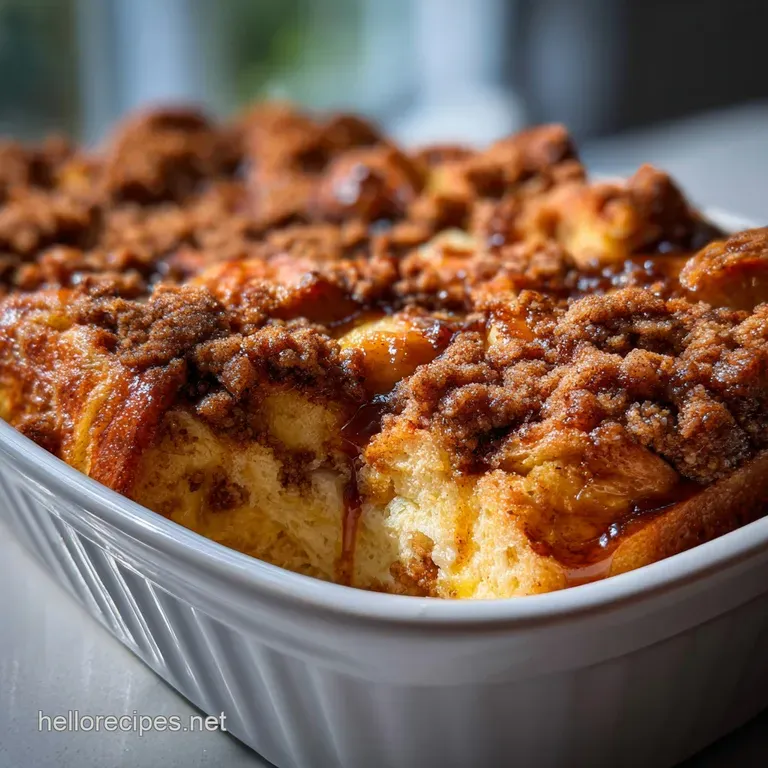
- The Ultimate Overnight French Toast Casserole: Stress-Free Brunch Hosting
- Essential Components for Your make-ahead French Toast Bake
- The Science of Saturated Success: Why This Texture Is Perfect
- Preparing Your Overnight Brioche French Toast Casserole: The Method
- Troubleshooting and Expert Tips for a Flawless Brunch
- Elevate Your Spread: Suggested Pairings and Toppings
- Making the Most of Leftovers: Storage and Reheating Guide
- Recipe FAQs
- 📝 Recipe Card
The Ultimate Overnight French Toast Casserole: Stress Free Brunch Hosting
That aroma. Oh my god, that smell! Waking up to cinnamon, nutmeg, and vanilla bubbling together in the oven is the only alarm clock I ever want on a Saturday morning. When that golden brown crust starts to shimmer, you know you’ve hit the brunch jackpot with this unbelievably decadent French Toast Casserole .
It transforms a frantic kitchen job into a relaxed morning ritual.
Honestly, who has time to stand over a skillet, flipping bread slices one-by-one, while trying to host and talk to actual people? Not me! This incredible French Toast Casserole easy recipe is a total life saver because you do all the hard work the night before.
This method ensures maximum flavor absorption and is absolutely perfect for a Holiday Brunch or just a lazy Sunday.
Forget the soggy attempts of the past. We're talking rich, buttery brioche, a deep, creamy custard soak, and a crunchy, glorious streusel topping. Let's dive into exactly how to make the Best French Toast Bake Recipe you will ever try, guaranteeing you a standing ovation from every breakfast guest.
Why the 'Overnight' Soak is Crucial for Texture
The magic of a truly stellar French Toast Casserole is all about time. You need to give the bread cubes a full night to get cozy with the spiced custard. If you rush it, the middle remains stubbornly dry while the top layer turns to mush.
The overnight rest allows the starch in the bread to slowly break down and the egg proteins to fully penetrate, setting you up for that beautiful, uniform, custardy texture throughout. This is the difference between simple baked toast and a glorious, creamy French Toast Custard Casserole .
Ditching the Morning Fry: The Casserole Advantage
Classic French toast is lovely, but requires constant attention and often results in slices that are unevenly cooked or saturated. The casserole approach eliminates that stress completely. You pour, you soak, you bake.
Baking the French Toast Casserole achieves a simultaneous caramelization on the edges and a gentle steam in the middle, ensuring every bite is uniformly perfect. Plus, it feeds eight hungry people effortlessly.
This toast recipe casserole approach is pure genius for batch cooking.
A Brunch Masterpiece: Introducing the Brioche and Streusel Combo
Our version leans into luxury by using rich brioche, known for its high butter and egg content. This makes the final product almost pudding like inside. To balance that richness and provide necessary texture, we top the entire French Toast Casserole with a simple, crunchy cinnamon streusel.
The streusel acts like a protective cap, keeping the steam in while providing a perfect, shatteringly crisp contrast to the soft interior.
Essential Components for Your make-ahead French Toast Bake
Before we start building this beautiful French Toast Casserole , let's talk ingredients. Quality matters here because the flavors are so straightforward.
Chef’s Note: The single biggest mistake I made when I first attempted this French Toast Casserole recipe was using fresh, soft bread. It turned into a sloppy mess. Don’t do that! Always use day-old bread, or lightly toast it first.
The Science of Saturated Success: Why This Texture Is Perfect
The secret to the perfect texture in any French Toast Casserole with brioche bread is a high fat, high egg custard and slightly dried bread. The fat (from the heavy cream and whole milk) keeps the internal structure lush and moist, while the eight eggs ensure the whole thing sets firmly enough to slice, rather than slumping into a pile of sweet crumbs.
Choosing the Best Brioche (And How to Prep It)
The Bread: You need about 450g (one loaf) of Brioche or Challah. Why these? Because they are rich, dense, and sturdy. They can handle a long soak without dissolving.
| If you don't have... | Use this substitute... | Notes |
|---|---|---|
| Brioche | Sturdy Challah or a thick French baguette | Cut baguette into slightly thicker slices to prevent quick soaking. |
| Fresh Bread | Cube it and toast in a 300°F oven for 10 min | This helps dry out the exterior for better absorption. |
Building the Rich Spiced Vanilla Custard Base
This is where the magic happens and where the flavor of your French Toast Casserole truly develops. We use whole milk AND heavy cream for maximum richness. Don't skimp on the vanilla and use freshly grated nutmeg if you have it; it makes a HUGE difference.
| Custard Ingredient | Suggested Substitution | Notes |
|---|---|---|
| Heavy Cream | Half and half or all whole milk | Casserole will be slightly less rich, but still delicious. |
| Whole Milk | Full fat Oat Milk or Coconut Milk | Maintain high fat content for best texture. |
| Granulated Sugar | Maple sugar or ¾ the amount of Monk Fruit blend | Avoid honey or corn syrup in the custard, as they can cause burning. |
The Secret to a Crispy Cinnamon Streusel Top
A soggy topping is a disaster. The streusel should be made with cold, cubed butter and mixed only until coarse crumbs form. Don't overmix it into a paste! We want little nuggets of buttery, sugary crunch to top our French Toast Casserole . For a great textural variation, try adding some crunchy texture like we do in the Toasted Walnuts: Master the 10 Minute Oven Crisp recipe chopped pecans or walnuts mixed into the streusel is fantastic here.
Swaps and Substitutions for Dairy and Spice
If you need a dairy-free version of this French Toast Casserole , you can definitely swap out the whole milk and heavy cream. Use full fat coconut milk (the kind in a can) for the heavy cream, and use a thick, full fat oat milk for the whole milk.
Just make sure your vegan butter substitute in the streusel is good quality, since butter is such a key flavor component. Want to switch up the spice profile? Skip the nutmeg and use a hint of cardamom for a more Scandinavian feel.
Preparing Your Overnight Brioche French Toast Casserole: The Method
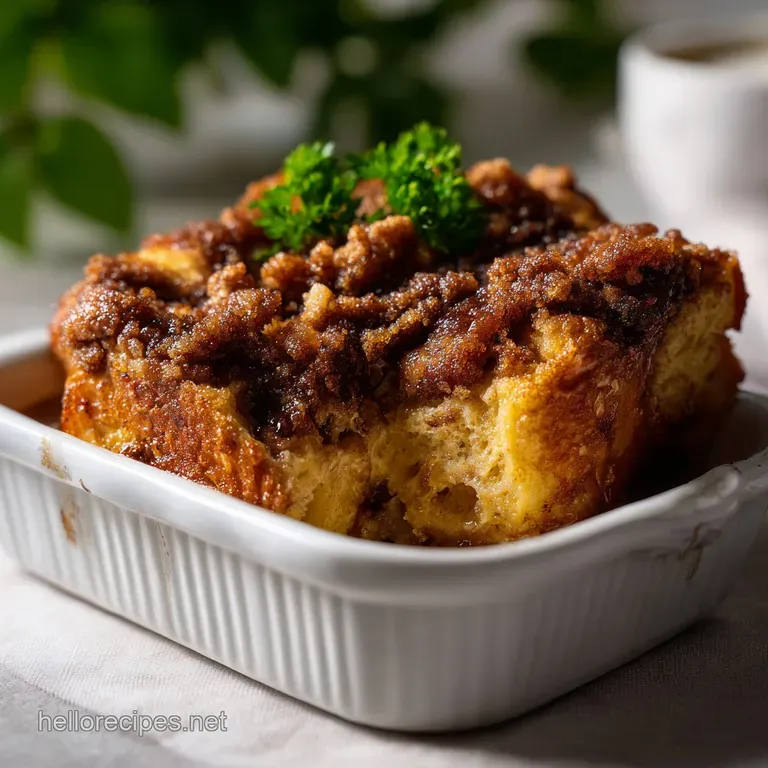
This is a two-day process, but the active time is only about 20 minutes! This make-ahead capability is why the french toast casserole recipe overnight is the absolute best way to make this dish.
Step 1: Crafting the Streusel Topping
We make the streusel first because it needs to stay cold. In a medium bowl, combine your flour, brown sugar, and cinnamon. Then, cut in the cold, cubed butter. Use your fingers or a pastry blender until the mixture looks like coarse sand mixed with small pea-sized clumps. Stop there.
Cover it and toss it straight into the fridge.
Step 2: Assembling the Layers and Custard Soak
First, grease your 9x13 dish with softened butter. Now, spread your prepared, cubed brioche bread evenly into the dish. Try not to pack it down too tightly. In a separate large bowl, whisk the eggs until they are slightly frothy you need to break down the proteins fully.
Then add the milk, cream, sugar, vanilla, cinnamon, nutmeg, and salt. Whisk vigorously for a full minute to dissolve the sugar completely. Pour this rich custard slowly and evenly over the bread cubes, making sure every corner is saturated. Gently press down on the bread pieces to encourage them to absorb the liquid.
Cover the dish tightly with plastic wrap. Refrigerate this beautiful Over Night French Toast Casserole for a minimum of 8 hours.
Step 3: Baking to Golden Perfection (and the Doneness Test)
Preheat your oven to 375°F (190°C). Remove the chilled dish from the fridge. Unwrap it, and then sprinkle the chilled streusel topping evenly over the surface. Now, here is a non-negotiable step: Cover the casserole loosely with aluminum foil.
Bake for 30 minutes with the foil on. This traps the steam and ensures the custard cooks without the top burning. After 30 minutes, remove the foil and bake for another 15- 20 minutes uncovered, until the topping is golden brown and crispy.
The ultimate test? Insert a knife near the center. If it comes out mostly clean (maybe a few damp crumbs, but not raw liquid), your French Toast Casserole is ready! Let it rest for 10 minutes before slicing.
Troubleshooting and Expert Tips for a Flawless Brunch
Preventing a Soggy Bottom: The Overnight Rule
Soggy bottoms happen when the bread hasn't had time to absorb the liquid properly before baking, causing the custard to settle and steam the bottom layer. The overnight soak is the cure.
If you absolutely must bake immediately, use slightly less liquid and gently press down the bread several times during the 30 minutes before baking to manually encourage absorption.
Dealing with Underbaked Centers
If your edges look perfect and the center is still runny, you rushed it! Cover the casserole back up with foil and reduce the oven temperature slightly (to 350°F/175°C). Continue baking in 10 minute increments until the internal temperature reaches 200°F (93°C).
Patience is the key to mastering this toast recipe casserole .
When to Add the Streusel Topping
Always add the streusel topping right before baking. If you add it the night before, the moisture from the custard will seep into the streusel, turning it into a wet paste that won't crisp up properly. Keep it chilled and dry until the last possible moment!
Elevate Your Spread: Suggested Pairings and Toppings
The beauty of a hearty French Toast Casserole is how versatile it is. It’s rich, sweet, and begs for sharp, tart, or savory counterparts.
The Ultimate Maple Syrup Upgrade
Please, ditch the fake stuff. A great casserole deserves Grade A Dark Robust Maple Syrup. To elevate it further, heat the syrup slightly and stir in a splash of vanilla extract and a pinch of cinnamon before serving. It deepens the flavor wonderfully.
Fresh Fruit and Compote Combinations
You need brightness to cut through the richness of the brioche. A simple mixed berry compote (made with raspberries and blueberries) is ideal. Alternatively, serve with fresh banana slices or roasted peaches. If you’re making this for Christmas, a tart cranberry sauce works wonders!
Savory Side Dishes to Balance the Sweetness
Since the French Toast Casserole is extremely sweet, you absolutely need savory balance. Think crispy bacon, high-quality breakfast sausages, or even a smaller, simpler savory bake like the Whole30 Breakfast Casserole: Sweet Potato Sausage Bake if you have some guests who prefer salty over sweet.
Making the Most of Leftovers: Storage and Reheating Guide
But does it freeze well? You bet.
Can You Freeze French Toast Casserole?
Yes! You can freeze it baked or unbaked, though I prefer freezing it after baking. Allow the cooled French Toast Casserole to chill completely. Cut it into individual serving squares, wrap each square tightly in plastic wrap, and then foil. Freeze for up to 3 months.
To reheat, unwrap the portion and bake at 350°F (175°C) until warmed through (about 20 minutes).
Safely Storing the Unbaked Casserole
If you can’t bake your prepared casserole right away after the overnight soak, it can stay unbaked in the fridge for up to 24 hours total ( 8 hours soak + 16 more hours). Just remember that the longer it sits, the softer the bread gets.
If storing longer than 12 hours, save the streusel completely for the morning, and do not add it until just before the oven.
Best Way to Reheat Individual Portions
The microwave is fine for speed, but it will soften the crust. To bring back the crunch, wrap individual slices of the French Toast Casserole loosely in foil and reheat them in a toaster oven or a standard oven at 300°F (150°C) for about 10– 15 minutes.
This ensures a hot, fluffy center and a crispier edge. This specific french toast recipe casserole is designed to hold up beautifully for next day breakfasts, making those busy mornings just a little bit sweeter.
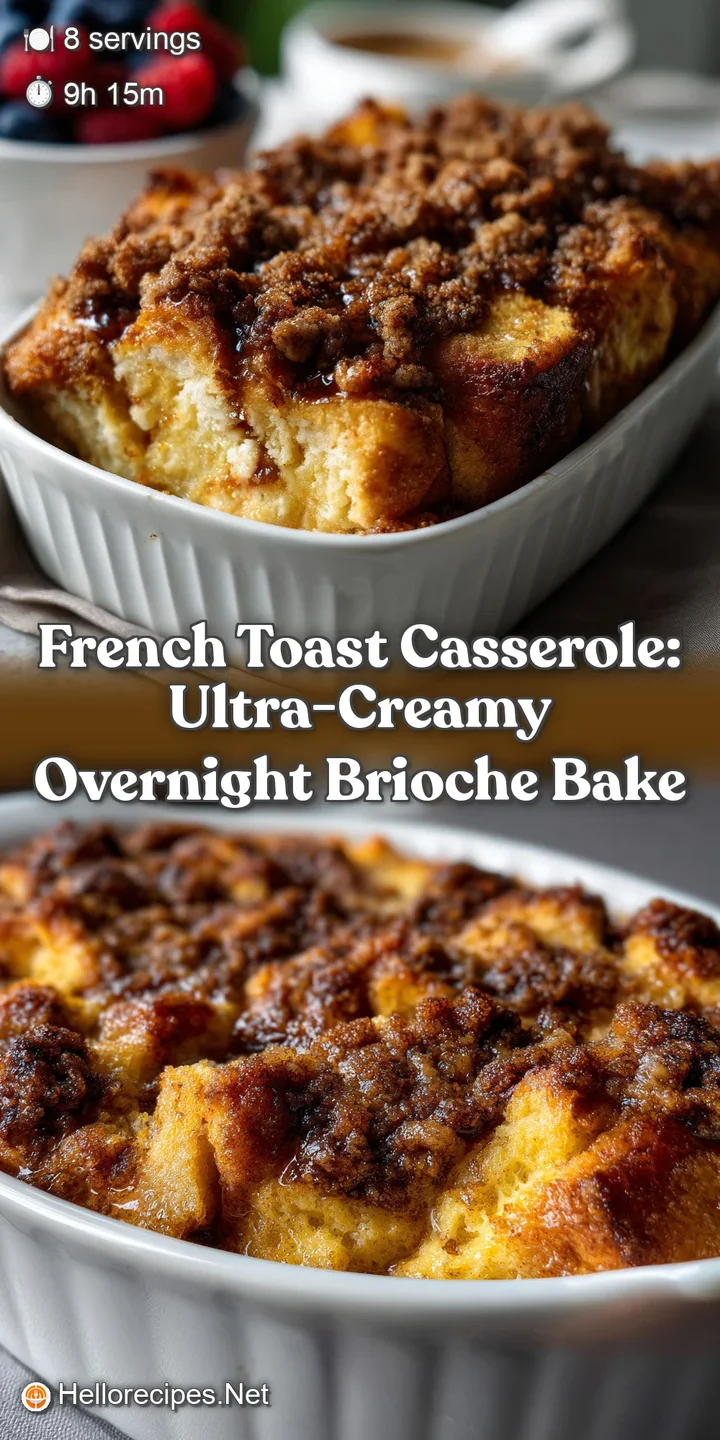
Recipe FAQs
Why is my French Toast Casserole soggy in the middle?
Sogginess usually occurs if the bread slices were too thick, or if the casserole did not bake long enough to reach the proper internal temperature. Ensure the center reaches at least 200°F (93°C) and always use day-old or slightly stale bread, which holds its structure better after absorbing the custard.
Can I use a different type of bread instead of brioche?
Absolutely. The best substitutes are Challah or a dense, thick cut sourdough loaf, as they both have a sturdy crumb and soak up custard beautifully without disintegrating. Avoid standard sandwich bread, as it tends to break down entirely during the overnight soak.
How long is the overnight soak truly necessary, and can I skip it?
The overnight rest (8-12 hours) is highly recommended for achieving the best texture; it allows the brioche to fully absorb the spices and custard. If you are extremely rushed, allow a minimum of 4 hours of rest, but note that the final texture may be less creamy and uniform.
How can I make this recipe dairy-free or use non-dairy milk?
You can easily substitute the dairy milk with full fat canned coconut milk or a high-quality oat milk, which provide the richness necessary for the custard. Be sure to also substitute butter with a plant based butter alternative for the streusel topping.
Can I prepare and freeze the French Toast Casserole?
Yes, you can freeze the casserole after it has been fully baked and cooled completely. Wrap it tightly in plastic wrap, then aluminum foil, and store it for up to 3 months. Thaw overnight in the refrigerator before reheating gently in a 350°F (175°C) oven.
When should I add the cinnamon streusel topping to prevent it from getting soggy?
Always add the streusel topping immediately before placing the casserole in the oven, regardless of whether you soaked it overnight or not. If you prepare the streusel ahead of time, store it separately in the refrigerator to maintain its dry, crumbly consistency.
What is the best way to reheat leftover French Toast Casserole?
The best way to reheat leftovers is in a conventional oven or toaster oven set to 300°F (150°C) until thoroughly warmed through, about 15 minutes. This method ensures the streusel remains crisp and prevents the casserole from drying out, which can happen in a microwave.
Ultimate Overnight French Toast Casserole
Ingredients:
Instructions:
Nutrition Facts:
| Calories | 806 kcal |
|---|---|
| Protein | 21.3 g |
| Fat | 37.6 g |
| Carbs | 82.6 g |
