Gluten Free Thanksgiving Recipes: the Ultimate Sage and Caramelized Apple Stuffing

- The Ultimate gluten-free Thanksgiving Recipes Kickoff: Perfect Stuffing Without Compromise
- Essential Components for Your gluten-free Thanksgiving Stuffing
- The Science of Superior Stuffing: Achieving Perfect Texture and Depth of Flavor
- Mastering the Method: Step-by-Step Instructions for Your Stuffing Success
- Pro Chef's Secrets: Troubleshooting and Perfecting Your gluten-free Dressing
- Planning Ahead: Storage, Freezing, and Reheating Your Stuffing
- Recipe FAQs
- 📝 Recipe Card
The Ultimate gluten-free Thanksgiving Recipes Kickoff: Perfect Stuffing Without Compromise
Picture this: the oven is blasting heat, the turkey (or whatever your centrepiece is) is resting, and the kitchen air is thick with the sweet, heady aroma of sage, melted butter, and spiced apple. That, my friend, is the smell of a perfect holiday. That is the promise of this stuffing.
For years, Thanksgiving stuffing was a tragedy for anyone needing gluten-free Thanksgiving Recipes . You had to choose between flavourless cardboard bread or a sad, gummy loaf soaked in stock. Forget that!
This recipe is a genuine lifesaver because it’s so easy, and it uses GF sourdough, which stands up beautifully to all the moisture. It brings back the traditional, comforting flavour we all crave during the holidays.
If you’re hosting friends who are celiac or Gluten dairy-free Thanksgiving Recipes are your reality, this is the first dish you should prep. I swear, even my grandma who insists only white bread can make stuffing asked for this recipe.
Let’s crack on and guarantee your gluten-free Thanksgiving Dinner is epic.
Why gluten-free Sourdough is the Best Bread Base for Stuffing
The core problem with most GF bread is that it tends to be dense and crumbly, turning to mush the moment it hits stock. Sourdough, even the gluten-free versions, usually has a firmer crust and a more stable structure thanks to the fermentation process. It simply holds its shape better than standard GF loaves.
This structure allows the cubes to toast up crunchy on the outside and stay just slightly chewy inside, which is exactly what we want. We’re not aiming for a baked bread pudding here; we want texture. It’s the superior choice for preventing the dreaded soggy bottom.
The Role of Sage and Caramelised Apple in Flavor Architecture
Thanksgiving flavour is basically defined by the intense savoury hit of sage and the herbaceous brightness of thyme. We aren't being shy here; we use fresh herbs, and lots of them. Fresh sage mixed with melted butter and caramelized onions creates the ultimate savoury foundation.
The Granny Smith apples are crucial because they cut through the richness of the sausage and butter. That little bit of tartness prevents the stuffing from feeling too heavy or greasy. Trust me, the sweet caramelization of the apple combined with the sausage makes this dish wildly complex.
What Makes This Stuffing a Must Have for Your Holiday Table
This recipe is simple, but it relies on three non-negotiable steps that ensure success. First, drying the bread properly (I use the oven method, it’s fast). Second, balancing the fat (butter/sausage) with the moisture (stock).
Third, we bake it covered and then uncovered, giving you that beautiful, golden brown crust everybody fights over. It makes preparing gluten-free Holiday Recipes totally stress free.
Essential Components for Your gluten-free Thanksgiving Stuffing
Ingredient Deep Dive: Choosing the Right gluten-free Sourdough Loaf
A sturdy, crusty loaf is your friend here. Look for brands that specialise in artisan style GF breads, which often results in a denser product. Avoid the airy, spongy sandwich loaves entirely. They simply won't work!
If you can’t find a good GF sourdough, a crusty GF French baguette or ciabatta will also work well. I always use a whole 1.5 lb loaf, because everyone wants seconds.
Herb Notes: Fresh vs. Dried Sage and Thyme Ratios
Use fresh herbs! This is a huge, game changing tip. Dried herbs especially dried sage tend to taste dusty and muted in a dish this rich. We need that vibrant, pungent freshness to compete with the sausage fat and the apple sweetness.
I typically use three times more fresh sage than dried would call for; it should smell powerfully aromatic when you chop it. For those looking to master their flavor basics, check out my tips on achieving bold flavor using homemade blends, like those in my Seasoning Mix Blends: 3 Essential Homemade Recipes for Fresh Flavor post.
Smart Swaps: Alternative Fats and gluten-free Stock Options
We are using a generous amount of butter and fat from the sausage, but if you have dairy issues, don't worry. This is easily adaptable for Gluten dairy-free Thanksgiving Recipes .
| Ingredient | Viable Substitute | Notes |
|---|---|---|
| Unsalted Butter | Refined Coconut Oil (non-flavour) or Vegan Butter Stick | Use the same quantity. Fat is critical for crisping. |
| Chicken Stock | Low-Sodium Vegetable Stock | Ensure it’s flavourful, especially if omitting the sausage. |
| Italian Sausage | Diced Pancetta or Smoked Ham | Or omit entirely and add 1/2 cup extra melted butter for moisture. |
| Large Eggs | Flax Eggs (2 Tbsp ground flax + 6 Tbsp water) | Helps bind the mixture, though the GF bread needs less binder than traditional stuffing. |
The Science of Superior Stuffing: Achieving Perfect Texture and Depth of Flavor

The secret weapon here is the sequential layering of ingredients. We start with the fat (butter/sausage), then sweat the aromatics gently to soften the celery and onion without browning them too much. This releases their volatile compounds slowly. Then we add the apples and the garlic, caramelizing them slightly.
This process ensures that every single piece of bread is coated in flavoured fat before the stock hits it. This barrier the fat prevents the liquid from immediately soaking into the porous GF bread structure, giving us that fantastic texture contrast: creamy interior, crunchy edges.
Chef's Note: Don't forget to deglaze the pan with a splash of stock after the apples cook. Those browned bits stuck to the bottom are pure, concentrated flavour, and we want them in our stuffing!
Mastering the Method: step-by-step Instructions for Your Stuffing Success
The Crucial Step: Drying Out the Sourdough Cubes (The Anti Sog Factor)
Please, please, do not skip the drying step . This is the difference between an incredible dressing and a sticky, unpleasant brick. Cut your bread into consistent 1 inch cubes so they dry evenly.
I like to toss them with olive oil and salt and bake them at a low temperature (300°F) for about 20 minutes until they feel genuinely crunchy. If you're busy, leaving them uncovered on the counter overnight works too, but the oven method is faster and more reliable, especially if you live somewhere humid.
Balancing Acidity and Sweetness: Mastering the Apple Caramelization
When sautéing the apples, you want them to just begin softening. They should still have a little bite, because they will continue cooking in the oven later. You're aiming for a gentle caramelization on the edges of the onion and apple, giving a nutty, slightly sweet counterpoint to the salty sausage.
This stage is also when you add the fresh herbs and cook them for just a minute. Cooking the herbs briefly wakes up their essential oils, infusing the butter with maximum holiday flavour.
Stage 1: Prepping the Bread and Infusing the Butter
- Cube the GF sourdough and toast it until dry; set aside in your largest mixing bowl.
- In a skillet, cook the sausage, drain the fat (leaving just a tablespoon or two), and add it to the bread bowl.
- Melt the 6 Tbsp of butter in the same pan, then cook the onions and celery until they are soft and smelling sweet, about 8– 10 minutes.
- Add the apples, garlic, sage, and thyme, cooking for 3 minutes until fragrant. Scrape all that beautiful fat and flavour mixture over the bread and sausage.
Stage 4: Achieving the Golden Crust and Setting the Interior
- In a separate bowl, whisk together the eggs and the 2 cups of stock, seasoning well.
- Pour this liquid over the bread mixture. Use your hands to toss gently until the bread is coated, but stop immediately when you see the liquid absorbed.
- Transfer lightly to a buttered baking dish. Pressing it down is a rookie mistake; leave it airy.
- Bake covered at 375°F for 25 minutes. Then, remove the foil and bake uncovered for 20– 25 minutes until the top is deeply golden brown and crispy.
Pro Chef's Secrets: Troubleshooting and Perfecting Your gluten-free Dressing
Solving the 'Too Dry' Disaster: Quick Fixes During Baking
If you peek at the stuffing halfway through the covered bake time and it looks dry, don't panic. The easiest fix is adding more fat, not stock. Melt 1/4 cup of butter, pour it evenly over the top, and quickly cover it back up.
If it looks incredibly dry even after the full covered time, add 1/4 cup of warm stock by drizzling it slowly around the edges of the dish. This prevents the stock from directly saturating the centre and turning it gummy.
Preventing a Soggy Bottom: The Importance of Pan Selection and Covering
A metal baking dish conducts heat faster than a ceramic dish, which helps set the bottom crust quickly. If you are worried about the stuffing getting too wet, place the baking dish on the upper middle rack in the oven.
Crucial tip: Always cover the stuffing tightly for the first phase of baking. This steams the interior, ensuring the eggs set and the stuffing becomes fluffy. Uncovering it later allows the top to crisp beautifully, giving you that essential textural contrast.
Planning Ahead: Storage, Freezing, and Reheating Your Stuffing
Freezing Baked Stuffing for Maximum Convenience
Stuffing is one of those fantastic gluten-free Thanksgiving Recipes Easy to make-ahead. You can fully bake the stuffing, let it cool completely, and then wrap the entire dish tightly in foil followed by plastic wrap. It will freeze perfectly for up to three months.
When you are ready to serve, thaw it overnight in the fridge. Reheat, covered, at 350°F (175°C) for 25– 35 minutes until piping hot throughout. Then, remove the foil for the last 5 minutes to re-crisp the top.
Ideal Gravy Pairings (GF Specific Gravy)
Since this stuffing is already so rich and layered, you want a simple, silky gravy that won't overwhelm it. You must use a gluten-free gravy base , usually thickened with cornstarch or a high-quality GF flour blend (like rice flour).
A classic GF turkey gravy that incorporates drippings, sage, and perhaps a splash of white wine works best. Avoid anything overly heavy or dark, like a red wine reduction, which might clash with the apple and sage profile.
Presentation Tips for the Holiday Table (More gluten-free Thanksgiving Recipes Ideas)
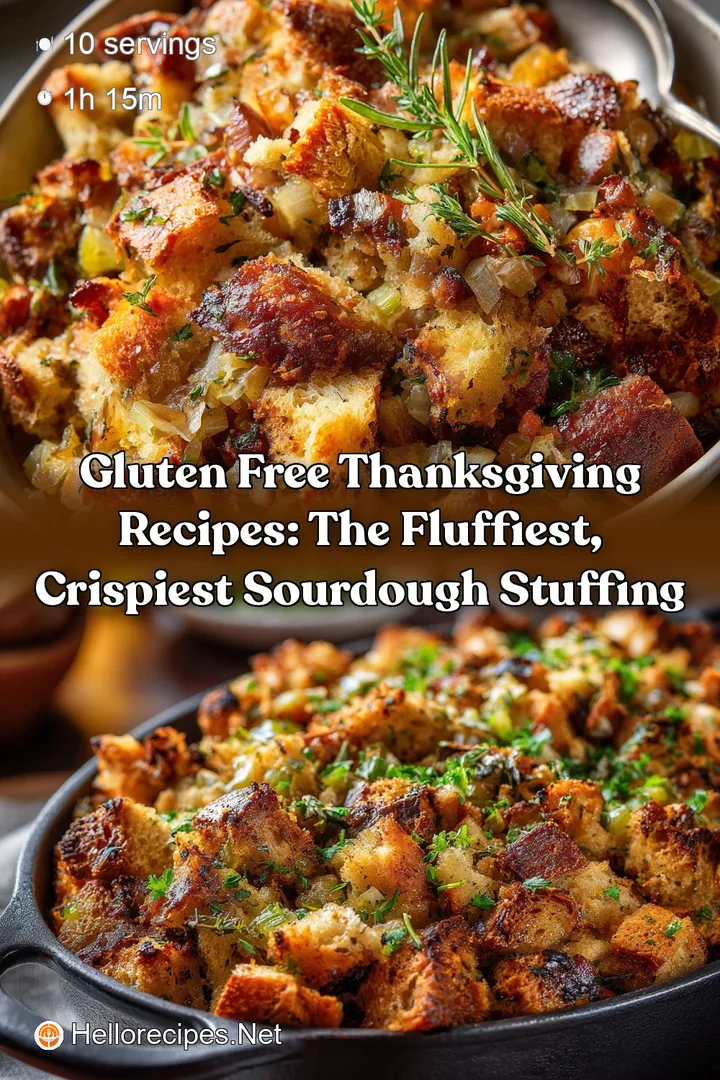
Serve the stuffing directly from the baking dish; the golden crust looks rustic and amazing. Garnish the top with a few whole sage leaves before serving for a vibrant pop of colour and a fresh scent.
If you are looking for other Celiac Thanksgiving Recipes to round out the meal, think about things that are naturally GF. I always make mashed sweet potatoes and a simple green bean almondine.
For dessert, if you’re sick of pie, my gluten-free Pop Tarts: Flaky Homemade Strawberry Pastries are a fun, decadent alternative that everyone loves. They feel very festive and comforting.
This gluten thanksgiving recipes stuffing is truly the star of the show. Enjoy!
Recipe FAQs
Why is my gluten-free stuffing tasting dry or crumbly?
gluten-free bread is notorious for absorbing moisture rapidly, so the dryness is often due to insufficient broth. Ensure you generously soak the bread cubes in the liquid mixture until they are saturated but still hold their shape.
Baking the dressing covered for most of the duration also helps trap steam and moisture, yielding a tender interior.
Can I prepare the stuffing mix ahead of time to save time on Thanksgiving Day?
Yes, absolutely. You can chop all the vegetables and fully cook the apple and sausage mixture 1 2 days in advance. Assemble the dry ingredients, but only add the broth/butter binder right before placing the dish into the oven to prevent the GF bread from disintegrating prematurely.
I don’t have GF sourdough; can I use a different type of gluten-free bread?
Any dense, high-quality GF bread will work, provided it is properly dried out first. However, GF sourdough is highly recommended as its firmer structure prevents sogginess and it provides a lovely, tangy contrast to the sweet apples. If using a standard white loaf, toast the cubes fully before assembly.
How can I make this Ultimate Stuffing suitable for vegan guests?
To make this recipe vegan, replace the traditional butter with a high-quality, plant based vegan butter substitute for sautéing. You must also substitute the chicken broth with a rich, savory vegetable broth and omit the optional sausage component entirely, perhaps adding toasted pecans for texture.
Should I bake the stuffing inside the turkey or in a separate dish?
For optimal texture and food safety, we strongly recommend baking the stuffing separately in a casserole dish (a method often referred to as "dressing"). Stuffing baked inside the turkey often fails to reach a safe internal temperature quickly, and its texture tends to become unpleasantly compressed and soggy.
What is a good substitute for apples if I want a purely savory stuffing?
If you prefer a strictly savory profile, excellent alternatives to caramelized apples include adding caramelized shallots or sautéed wild mushrooms. These options maintain the necessary moisture and robust flavor complexity without introducing sweetness, pairing beautifully with the sage and thyme.
How long will leftover stuffing last, and can I freeze it?
Leftover stuffing should be cooled quickly and stored tightly sealed in the refrigerator, where it will remain safe and delicious for 3 to 4 days. Yes, stuffing freezes very well; wrap tightly or place in a freezer safe container for up to three months, ensuring it is reheated thoroughly to 165°F (74°C) before serving.
Ultimate gluten-free Thanksgiving Stuffing

Ingredients:
Instructions:
Nutrition Facts:
| Calories | 1011 kcal |
|---|---|
| Protein | 44.0 g |
| Fat | 44.1 g |
| Carbs | 109.7 g |
