Crispy Hash Browns: the Golden Standard (No Soggy Bottoms Here!)
- Mastering the Diner Classic: The Ultimate Crispy Hash Browns
- The Science of the Shatter: Why Aggressive Moisture Removal is Key
- Essential Ingredients for Golden-Crusted Hash Browns and Substitution Notes
- Step-by-Step Method for Proper Crispy Hash Browns
- Troubleshooting and Chef's Secrets for Flawless Hash Browns
- Preparation, Storage, and Reheating Your Diner Favorites
- The Ultimate Brunch Plate: Serving Suggestions for Crispy Hash Browns
- Recipe FAQs
- 📝 Recipe Card
Mastering the Diner Classic: The Ultimate Crispy Hash Browns
You know the feeling. You’re aiming for that deeply golden, shattering crust you get at the best greasy spoons, but you end up with a pale, soggy potato pancake that barely holds together. I’ve been there a hundred times.
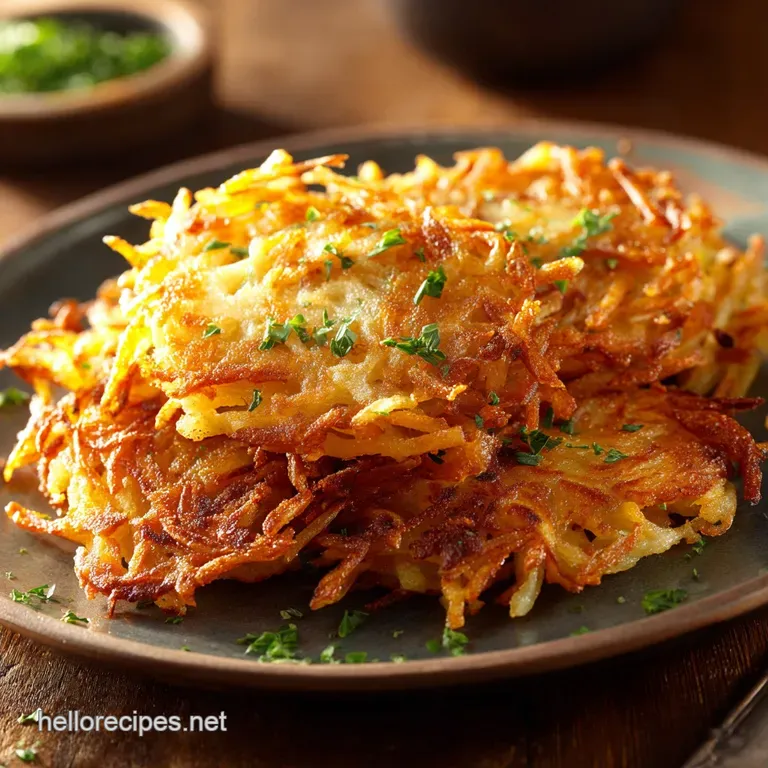
A perfect, deeply golden hash brown should sound like glass when you tap it and smell richly of browned butter and roasted potato goodness.
This humble breakfast staple is actually a technical marvel. It’s incredibly cheap, relies on basic pantry ingredients, and only takes about an hour from grating to glorious plate. Stop settling for freezer aisle compromises when you can make something this sensational at home.
It’s the kind of cooking victory that sets your whole weekend right.
After years of trial and error (and many frustrating attempts that turned into flavorless mash), I finally cracked the code for homemade, diner style crispy hash browns. Forget fancy techniques; this is pure, aggressive moisture removal and heat management. Let's get these things crispy!
The Science of the Shatter: Why Aggressive Moisture Removal is Key
Most hash brown fails boil down to one simple enemy: water. Potatoes are 80% water. When that water hits a hot pan, it turns to steam, and steam cooks your food rather than frying it. You end up steaming a potato clump, preventing the starches from fusing and forming that beautiful, unbreakable crust.
Defining the 'Golden Standard' of Hash Brown Crispiness
The golden standard demands a specific texture profile. We want a crust that shatters under the fork, a deep mahogany color, and an interior that is still tender and yielding. This is only possible if the outer layer is dehydrated before it meets the fat. Dry potatoes fry; wet potatoes steam.
Hash Browns vs. Potato Latkes: Understanding the Technical Differences
This is crucial for texture. Latkes use eggs or flour as a binder to hold the mixture together. Homemade hashbrowns from scratch rely solely on the potato’s natural starch. Once you rinse and squeeze the starch, you activate its stickiness, allowing the shreds to bind together naturally under heat and pressure.
Starch Selection: Choosing the Best Potato Variety for Texture
You absolutely must use starchy potatoes, like Russets (Idaho) or Maris Pipers. These varieties contain the highest starch content, which acts like glue when compressed and heated.
Avoid waxy varieties like new potatoes or fingerlings; they simply won't release enough starch to create a cohesive patty and will remain floppy.
The Role of Fat: High Heat vs. Smoke Point Considerations
You can’t just use butter. Butter tastes great, but its low smoke point means it burns long before your hash browns are truly golden. The trick is using a blend: high smoke point neutral oil (like canola or grapeseed) allows you to achieve the necessary high temperature for crisping.
The added butter brings that classic rich, nutty flavor we crave.
Essential Ingredients for Golden Crusted Hash Browns and Substitution Notes
Making homemade hashbrowns requires surprisingly few ingredients. This recipe is mostly about technique!
Measuring Potatoes: How Much Grated Volume Do You Actually Need?
Remember that two large Russets (about 1.5 lbs) will drastically reduce in volume once squeezed. Don't worry if your bowl looks huge initially; you need that much raw material to make four substantial servings once the liquid is gone.
Fat Selection Showdown: Butter, Oil, or Clarified Ghee?
| Ingredient | Role | Substitution |
|---|---|---|
| Russet Potatoes | Starch and Structure | Yukon Golds (Less crisp, but acceptable) |
| Neutral Oil | High Heat Frying Base | Vegetable oil, Grapeseed oil, or Avocado oil |
| Unsalted Butter | Flavor and Color | Clarified butter (Ghee) for higher smoke point |
| Kosher Salt | Seasoning and Moisture Draw | Fine sea salt (Use slightly less) |
Salt Timing: When to Season for Maximum Crunch
I always sprinkle a tiny bit of salt on the shreds while they are draining in the sieve. Salt is a hydrator; it actively pulls moisture out of the potato cells. However, the bulk of the seasoning happens after the squeezing step.
If you season a watery potato clump and let it sit, the salt will just make it weep more, totally reversing your hard work.
Necessary Equipment: Choosing Your Grater and Skillet
A standard box grater with the large holes works perfectly. Don't grate them too fine! The shreds need some structure. The skillet, however, must be heavy bottomed. Cast iron or a very sturdy non-stick pan is mandatory because they hold heat evenly, preventing hot spots that cause scorching.
step-by-step Method for Proper Crispy Hash Browns
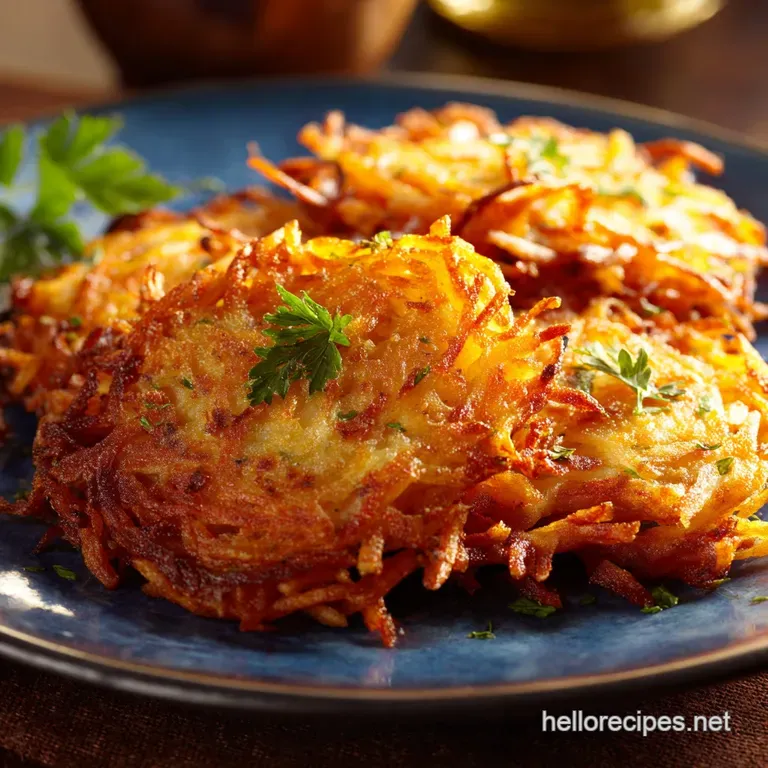
This method is the result of years of testing. Do not skip the drying steps!
Grating and Rinsing: Preparing the Raw Potatoes
- Peel and Grate: Peel your Russets and grate them on the coarse side of a box grater. Immediately drop the shreds into a large bowl of ice-cold water.
- Rinse the Starch: Swish the shreds vigorously in the water to release the surface starch. Drain and rinse them under cold running water until the water streaming off the potatoes is perfectly clear. This stops the potato from going grayish and removes the excess starch that prevents crisping.
The Critical Squeeze: Methods for Removing Every Drop of Water
- Initial Drain and Salt: Let the potatoes drain for five minutes in a sieve. Sprinkle with a quarter teaspoon of salt.
- Wring Them Dry: Transfer the damp shreds to the middle of a clean, thick kitchen towel. Gather the four corners of the towel and twist, twisting it like a vice over the sink. Squeeze until you genuinely think you can't squeeze another drop. The towel must be soaked.
Chef's Note: You must use a sturdy towel here a thin paper towel will tear, and you'll end up with paper bits in your hash browns. Squeeze harder than you think is necessary; this single step dictates whether your hash browns are crispy or soggy.
- Season: Place the bone dry shreds into a clean, dry bowl. Mix in the remaining salt and all the pepper.
Skillet Strategy: Achieving and Maintaining Perfect Frying Temperature
- Heat the Fat: Heat your 10 inch skillet over medium high heat. Add the oil and butter. Wait until the butter stops foaming and the oil begins to shimmer. This indicates ideal frying temperature.
The Compression Technique: Forming the Perfect Diner Patty
- Form and Press: Immediately dump the seasoned potato shreds into the hot pan. Using your spatula, press them down hard into a single, dense cake. Reduce the heat slightly to medium.
- The First Cook (Setting the Crust): Do not touch the hash brown for 7 to 8 minutes. Seriously, resist the urge. Cook until the edges are deep, nutty brown and the whole cake slides freely when you gently shake the pan.
Troubleshooting and Chef's Secrets for Flawless Hash Browns
Common Mistake: Why Are My Hash Browns Soggy?
They are soggy because you didn't squeeze hard enough. Simple as that. You introduced a cold potato mass full of water into hot oil, causing the oil temperature to drop instantly, and steaming them instead of frying them. Next time, squeeze them dryer than the Sahara.
Mastering the Flip: How to Turn Without Breaking the Crust
This is the moment of truth. Slide your sturdy spatula under the entire hash brown, making sure it’s completely released. Turn off the heat briefly. Place a large plate over the skillet, hold them tightly together, and invert the whole thing swiftly and confidently.
Slide the hash brown, uncooked side down, back into the hot pan. Don't use two spatulas; you’ll break it.
Temperature Triage: Adjusting Heat During the Cooking Process
If the hash brown is browning too quickly, your heat is too high; reduce it to medium low. If it’s not browning after 6 minutes and the sizzle is soft, crank the heat back up a bit. Maintain a constant, aggressive sizzle, but watch the edges carefully to prevent scorching the butter.
Preparation, Storage, and Reheating Your Diner Favorites
Can I Prepare the Potato Mixture Ahead of Time?
Yes, but only by about an hour. Once the potatoes are shredded, squeezed, and seasoned, they start oxidizing quickly. If you need to prep further in advance, skip the seasoning step. Store the wrung out potatoes tightly sealed in the fridge, then season just before frying.
Best Practice for Freezing Pre-Shaped Hash Brown Patties
This is a great meal prep hack! Follow steps 1 through 10 (cook the hash brown completely). Let the patty cool completely on a wire rack. Slice it into wedges or individual patties, and freeze them on a baking sheet until solid. Transfer to a freezer safe bag. They keep well for about three months.
Reheating Methods to Preserve Maximum Crispness
Never, ever microwave these. That will ruin the crust you worked so hard for! The best way to restore that shatter is the Air Fryer (400°F/200°C for 5- 7 minutes) or a Hot Oven (425°F/220°C for 8- 10 minutes).
A quick blast of high, dry heat brings them back beautifully.
The Ultimate Brunch Plate: Serving Suggestions for Crispy Hash Browns
These hash browns are so good they can stand alone, but they truly shine when paired with other breakfast classics.
- The Brunch Centerpiece: Serve wedges alongside thick cut bacon, perfectly poached eggs, and maybe some roasted cherry tomatoes.
- The Holiday Table Side: These are a fantastic counterpoint to heavier, creamier dishes. Try serving them with a scoop of our famous Sausage Stuffing: The Ultimate Recipe for Moist, Crispy Holiday Tables . If you are serving something savory and creamy like our Green Bean Casserole from Scratch: Ultimate Creamy Crispy Recipe , the crispness of the hash brown provides a welcome textural break.
- Steakhouse Starter: Replace boring baked potatoes with a side of these alongside a well seasoned medium rare steak and a simple salad. They are truly the king of breakfast side dishes.
Recipe FAQs
Why are my hash browns soggy in the middle, even after pressing out the water?
Sogginess often occurs due to residual starch or moisture that released after the initial pressing, or because the heat was too low. Ensure you rinse the grated potatoes thoroughly after grating, and then squeeze them extremely dry using a clean kitchen towel or cheesecloth just before cooking.
Also, avoid overcrowding the pan, which rapidly lowers the oil temperature and causes the potatoes to steam instead of crisping.
What is the best type of fat to use for achieving that authentic diner flavor?
For the truest, deepest flavor, use clarified butter (ghee) or rendered animal fat, such as bacon grease or duck fat. These fats have a high smoke point, which allows you to cook the potatoes long enough at high heat to achieve a deep golden crust without the fat burning.
If using standard unsalted butter, mix it with a high smoke point neutral oil like grapeseed or canola.
My hash browns keep falling apart when I try to flip them. What am I doing wrong?
The structure relies entirely on proper binding and a fully developed crust. Make sure you press the potato mixture very tightly into the pan before frying to create a solid cake structure.
Crucially, wait until you see deep, golden brown edges form (usually 5-7 minutes) before attempting the flip, as the fully formed crust provides the necessary structural integrity.
Can I prepare the grated potatoes ahead of time?
Yes, you can grate the potatoes up to 12 hours in advance, but proper storage is vital to prevent oxidation. After rinsing and aggressively drying the strands, place them in an airtight container in the refrigerator.
Just before cooking, give the potatoes one final pat down with a paper towel to remove any moisture condensation that has occurred during chilling.
What type of potato should I use for maximum crispness?
Russet potatoes (Idaho potatoes) are superior for crispy hash browns because they are high in starch and low in inherent moisture compared to waxy varieties. This high starch content helps the shredded strands bind together tightly and achieves a lighter, superior crisp texture when fried thoroughly.
Can I freeze cooked hash browns, and how should I reheat them?
Cooked hash browns freeze exceptionally well. Once they are fully cooled, arrange them on a baking sheet to flash freeze for two hours, and then transfer them to a freezer bag or airtight container.
To reheat, place them directly from frozen onto a rack in a 400°F (200°C) oven or air fryer until they are shatteringly crisp again.
How can I achieve a uniform, perfectly flat golden bottom crust?
Use a heavy bottomed pan, such as cast iron, to ensure even heat distribution across the surface. Once the hash browns are placed in the hot fat, use a sturdy spatula to press down firmly and continuously for the first minute of cooking.
This pressure maximizes contact between the potato and the pan, guaranteeing a uniform, golden crusted bottom.
Ultimate Crispy Hash Browns Secret

Ingredients:
Instructions:
Nutrition Facts:
| Calories | 255 kcal |
|---|---|
| Protein | 3.6 g |
| Fat | 13.2 g |
| Carbs | 31.9 g |
