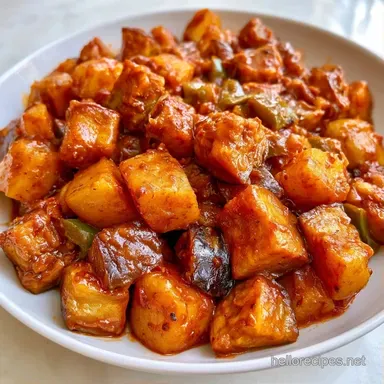
Hearty Turkish Eggplant Stew
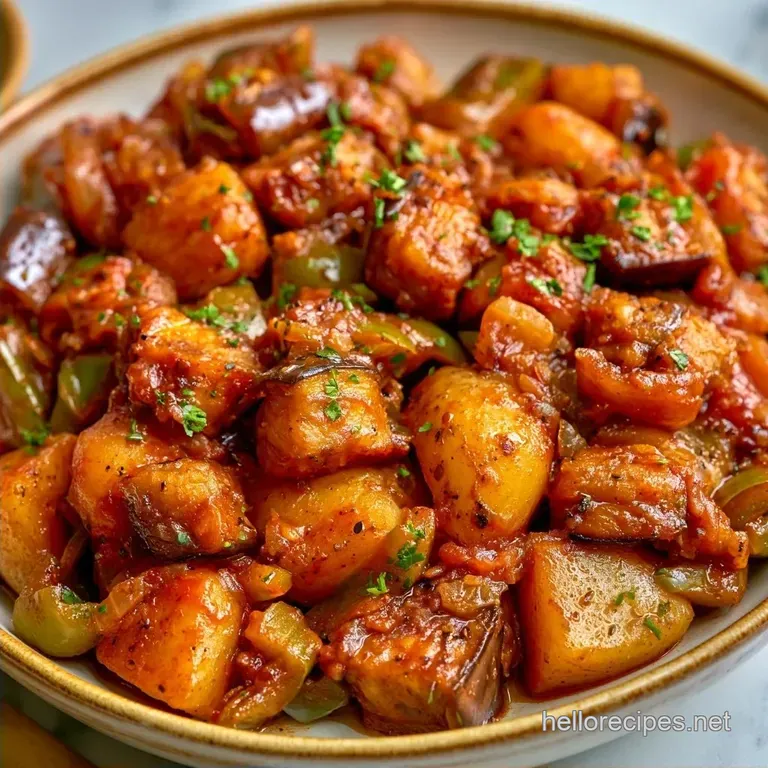
- Time: 20 min active + 60 min cooking + 20 min salting
- Flavor/Texture Hook: Deep mahogany vegetables with a smoky edge in a thick tomato sauce
- Perfect for: A filling vegetarian meal or weekly meal prep
Whenever I smell cumin and onions sautéing, I'm reminded of a tiny kitchen I discovered in Istanbul. The cook relied on the sizzle of the pan and the hue of the oil rather than a timer. This recipe represents a tradition of transforming simple garden produce into a truly satisfying feast.
Many people find eggplant tricky to handle; it often becomes a gray paste or an oil-soaked sponge. However, once you achieve the perfect sear, the vegetable gains a savory, meat like richness that perfectly complements the garlic and tomato.
This Turkish Eggplant Stew is thick, cozy, and hearty. Rather than a soup, it is a rich braise that coats every piece of aubergine and potato. It's a reliable winner for weeknight dinners, whether you follow a strict plant based diet or are just exploring new flavors.
Turkish Eggplant Stew
The main trick here is treating the eggplant like a sponge. If you just toss it in a pan, it drinks up every drop of olive oil, leaving you with a greasy mess. By salting the cubes first, you draw out the excess water and tighten the cell walls, so the oil stays on the surface and creates a proper sear.
Hearty stews like Proper Homemade Pozole Rojo rely on long simmering to build depth, and this dish does the same. The combination of tomato paste and crushed tomatoes creates a base that reduces down into a concentrated, savory glaze.
- The Salt Draw
- Salt pulls out bitterness and moisture, ensuring the eggplant doesn't turn gummy.
- The Two Stage Sear
- Browning the eggplant and potatoes separately prevents steaming, which is how you get those mahogany edges.
- The Low Simmer
- A slow bubble allows the potatoes to release starch, which naturally thickens the sauce.
Ingredient Deep Dive
The type of eggplant you choose significantly impacts the final result. I recommend larger globe varieties for this stew, as they maintain their structure better throughout the long braising process.
High-quality olive oil is the foundation of the flavor. I use a good extra virgin oil because it serves as a key ingredient rather than just a way to grease the pan. The real magic happens the moment the eggplant hits the hot oil and begins to sizzle.
| Component | Purpose | Substitute Notes |
|---|---|---|
| Eggplant | Main body and smokiness | Zucchini: Softer texture, cooks faster |
| Potatoes | Heartiness and thickness | Sweet potato: Sweeter, breaks down more |
| Tomato Paste | Concentrated umami | Extra crushed tomatoes: Thinner result |
| Greek Yogurt | Tangy contrast | Coconut yogurt: Great vegan swap, slightly sweeter |
In my experience, substituting fresh cloves with garlic powder dulls the vibrancy of the meal. Fresh garlic provides a sharp, pungent bite that balances the heavy olive oil.
| Fresh Ingredient | Shortcut Version | The Trade off |
|---|---|---|
| Fresh Garlic | Garlic Powder | Loses the aromatic punch and depth |
| Fresh Parsley | Dried Parsley | Lacks the bright, grassy finish |
| Crushed Tomatoes | Tomato Sauce | Often too sweet or too thin |
The Recipe Specs
This recipe serves four people comfortably. It's a heavy dish, so you don't need a massive amount of it to feel full.
The prep involves a bit of chopping and a mandatory 20 minute resting period for the eggplant. Don't skip the salt step. It's the difference between a dish that tastes professional and one that tastes like oil soaked vegetables.
The total time is 1 hour 40 mins, but most of that is passive. While the eggplant salts and the stew simmers, you can actually get other things done around the house.
The Gear You Need
While you can keep it simple, a heavy bottomed pot is essential. A Dutch oven or a deep stainless steel skillet is ideal, as these options distribute heat uniformly and prevent the tomato paste from scorching.
You will need a large colander during the salting step. This allows the eggplant cubes to drain efficiently, removing the bitter juices.
Lastly, use a wooden spoon or sturdy spatula to deglaze the pot after searing. Scraping up those caramelized deposits ensures you capture the most concentrated flavor.
From Prep to Plate
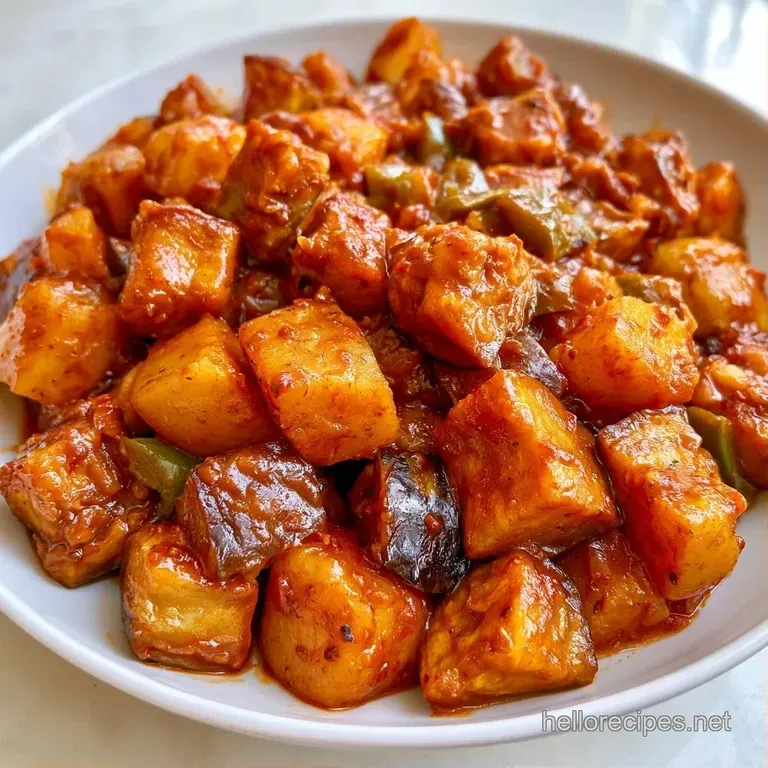
Time to start this Turkish Eggplant Stew. Be patient during the searing stage; avoid overcrowding your pan so the vegetables brown instead of steaming.
Phase 1: The "Sweat"
- Mix the eggplant cubes with 1 tbsp of salt in a colander. Let them rest for 20 minutes Note: This draws out bitterness and stops them from soaking up too much oil.
- Wash the eggplant thoroughly to clear away the salt and pat them completely dry with paper towels.
Phase 2: The Sear
- Warm 3 tbsp of olive oil in a large, heavy bottomed pot over medium high heat. Arrange the eggplant in a single layer and sear for 8-10 mins until mahogany colored and slightly charred on all sides. Set aside.
- Add another 2 tbsp of oil to the pot and sear the potato cubes for 5-7 mins until the edges are golden brown. Set aside.
Phase 3: The Braise
- In the same pot, sauté the green pepper and onion for 5 mins until translucent. Stir in the garlic, smoked paprika, and cumin, cooking for 60 seconds until fragrant.
- Mix in the crushed tomatoes, tomato paste, and vegetable broth. Bring the mixture to a simmer.
- Return the browned eggplant and potatoes to the pot. Cover and simmer on low for 40-50 mins until vegetables are tender and the sauce has thickened.
Phase 4: The Finish
- Top with fresh chopped parsley and serve with a scoop of Greek yogurt.
Chef's Note: If you have a few extra minutes, try grating a pinch of fresh nutmeg into the sauce right at the end. It won't make the dish taste like dessert, but it adds a subtle warmth that pairs perfectly with the cumin.
Fixing Common Issues
When making Turkish Eggplant Stew, the most common gripe is the consistency. If you've ended up with something that looks more like a soup than a stew, you just need to adjust the evaporation.
Another issue is the eggplant texture. If it's still spongy, you likely didn't sear it long enough or didn't dry it well enough after rinsing. The eggplant needs to be almost "fried" before it goes into the liquid.
And if the sauce tastes too sharp or acidic, it's usually because the tomato paste didn't cook enough. Sautéing the paste for a minute before adding the broth mellows out the raw tomato flavor.
Sauce is Too Thin
Remove the lid for the last 10-15 mins of simmering. This lets the steam escape and thickens the liquid into a rich glaze.
Eggplant is Spongy
Ensure you pat the cubes bone dry after rinsing. If they go into the oil damp, they steam instead of searing.
Taste is Too Acidic
Stir in a pinch of sugar or a teaspoon of butter at the end. This balances the acidity of the canned tomatoes.
| Problem | Fix |
|---|---|
| Watery sauce | Simmer uncovered for 15 mins |
| Greasy eggplant | Salt for full 20 mins and pat dry |
| Bitter aftertaste | Rinse salt off thoroughly |
Storage and Reheating
The flavors of this Turkish Eggplant Stew deepen overnight, making it even more delicious the following day as the potatoes soak up more of the rich tomato base.
Store the stew in an airtight plastic container or glass jar in the refrigerator for a maximum of 4 days. While the potatoes might get a bit softer, the eggplant maintains its shape quite well.
When reheating, use a small saucepan on medium low heat. If the sauce has thickened during storage, stir in a bit of vegetable broth or water. I recommend skipping the microwave to prevent the eggplant from becoming rubbery.
This meal freezes well for up to 3 months. Be sure to omit the parsley and yogurt before freezing. Let it thaw in the refrigerator overnight, then warm it up on the stovetop.
Reduce waste by collecting green pepper scraps and onion skins in a freezer safe bag. When you have enough, simmer them in water to create a simple vegetable stock to use when preparing this stew again.
What to Serve With
To balance the richness of the stew, a dollop of Greek yogurt is the traditional choice; its cool, creamy texture perfectly offsets the heat from the paprika.
Pair this dish with warm pita or crusty sourdough to ensure every drop of the sauce is captured. For those preferring a grain, fluffy basmati rice or a buttery pilaf are excellent options.
A simple salad of red onions, sliced cucumbers, and a splash of lemon juice provides a refreshing contrast. The lemon's acidity helps cleanse the palate between spoonfuls of the hearty Turkish Eggplant Stew.
| Goal | What to change |
|---|---|
| Lighter meal | Skip the potatoes and add extra peppers |
| Spicier kick | Add 1 tsp of Aleppo pepper or red chili flakes |
| Thicker sauce | Simmer uncovered for the final 15 mins |
Easy Ways to Vary
To create a vegetarian version of this dish, simply use vegetable broth and ensure your tomato paste is vegan. Because the recipe is already plant forward, it is very easy to adapt.
If you prefer a meatier stew, brown some ground beef or lamb in the pot before sautéing the onions. The distinct, gamey taste of lamb works exceptionally well with the cumin and eggplant.
For a different style of eggplant, you might enjoy this Garlic Sauce for 4 recipe, which is quicker to prepare and uses a soy-based glaze rather than a tomato braise.
You can also transform this into a Turkish eggplant casserole by pouring the simmered mixture into a baking dish, adding slices of feta or mozzarella, and broiling for 5 minutes until the cheese is bubbly.
For additional protein, try adding chickpeas. Stir them in with the crushed tomatoes and let them simmer with the vegetables to give the stew a more filling, nutty texture.
To make a low-carb version, substitute the potatoes with cauliflower florets. While they won't thicken the sauce as much as potatoes do, they absorb the flavors just as effectively.
Finally, add a tablespoon of pomegranate molasses for extra depth. This introduces a sweet and sour element common in Eastern Mediterranean cuisine, making the flavor profile more complex.
The Eggplant Myth
There is a common belief that you must peel the eggplant to remove bitterness. This is a myth; the bitterness resides in the flesh, not the skin. Leaving the skin on helps the cubes hold their shape throughout the simmering process.
The Searing Myth
You may hear that boiling all the ingredients together is a great time saver. Avoid this. Without searing, you lose the charred flavor and mahogany color that define an authentic Turkish eggplant stew, resulting in a bland, mushy texture.
The Oil Myth
Some suggest skipping the oil to make the dish "healthier." However, eggplants are biologically prone to absorbing fat. Using too little oil causes the eggplant to stick and tear, and you'll miss the luscious mouthfeel that makes this a classic comfort food.
Recipe FAQs
Why should I salt the eggplant first?
Salting removes bitterness and excess moisture. This step ensures the cubes maintain their structure during the searing process.
Can I replace the potatoes with another root vegetable?
Yes, carrots or parsnips are great alternatives. They provide a similar heartiness while adding a subtle sweetness.
Is it true that eggplants must be peeled before stewing?
No, this is a common misconception. Leaving the skin on helps the vegetable hold its shape and adds visual appeal.
How to achieve a deep mahogany sear?
Sear the eggplant cubes in a single layer over medium high heat. Avoid overcrowding the pot so the moisture evaporates quickly.
What side dishes pair best with this stew?
Serve this with crusty bread or steamed rice to soak up the sauce. A side of creamy gyro sauce also complements the earthy flavors.
Does reheating the stew affect the flavor?
The flavor actually improves after a day. The potatoes absorb more of the tomato broth as the spices meld together.
Turkish Eggplant Stew