Steak Fajita Bombs: Crisp Texture
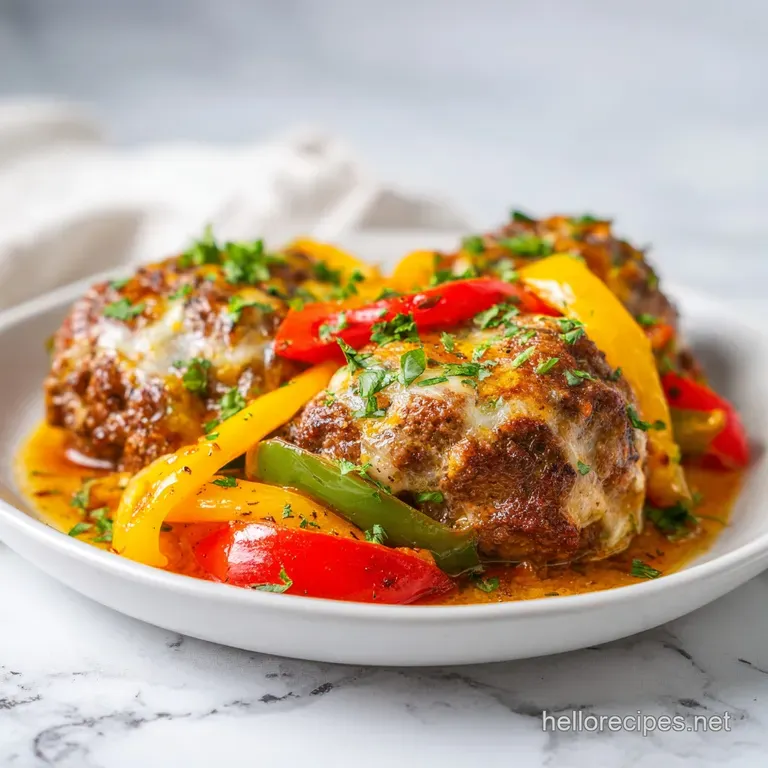
- Time: Active 20 minutes, Passive 15 minutes, Total 35 minutes
- Flavor/Texture Hook: Shatter crisp center with velvety nacho cheese and tender, citrus marinated steak.
- Perfect for: High energy weeknight dinners or a modern take on social gathering food.
- Achieving the Ultimate Crunchy Steak Fajita Bombs
- Critical Timing and Serving Numbers
- Quality Components and Smart Substitutions
- Necessary Kitchen Gear for Success
- Detailed Assembly and Cooking Steps
- Solving Common Prep and Finish Issues
- Innovative Flavor and Dietary Swaps
- Smart Storage and Reheating Methods
- Optimal Presentation and Side Pairings
- Very High in Sodium
- Recipe FAQs
- 📝 Recipe Card
Achieving the Ultimate Crunchy Steak Fajita Bombs
The first time I heard the distinct shatter of a tostada shell buried inside a warm, soft tortilla, I knew I could never go back to basic tacos. There is something about that specific sensory contrast - the sizzle of the steak against the cooling crunch of lettuce - that makes the brain light up.
I spent months trying to replicate that specific "bomb" structure at home, but my first few attempts were, frankly, a disaster. The tortillas would tear, the grease from the steak would turn the crisp center into a sad, damp mush, and I'd end up eating the whole thing with a fork.
It wasn't the gastronomy experience I was looking for.
After experimenting with temperature control and moisture barriers, I finally cracked the code for these Steak Fajita Bombs. The secret isn't just in the seasoning; it's in the technology of the build. You have to treat the assembly like a structural engineer would.
We are creating a waterproof seal with cheese and a heat shield with fresh vegetables. This ensures that every bite gives you that satisfying, audible crack from the tostada shell while the steak remains tender and juicy.
We're going to focus on a thin sliced sirloin that cooks in seconds, ensuring we don't overwork the meat or the tortilla. This recipe isn't just about feeding people; it's about the innovative way we layer textures to create a professional grade result in your own kitchen.
Let's get into the specifics of why this method works so much better than the shortcut versions you might see elsewhere.
Critical Timing and Serving Numbers
Before we start heating the pan, let's look at the metrics. Precision is the difference between a soggy wrap and a structural masterpiece. If your steak is too thick, it won't cook fast enough to keep the juices inside the muscle fibers.
If your tortillas are cold, they will snap like dry parchment instead of folding like silk. I've learned that timing the "flip" is just as important as the marinade itself.
| Cooking Method | Active Time | Resulting Texture | Best Utility |
|---|---|---|---|
| Cast Iron Pan | 15 mins | Charred & Crispy | Peak Flavor |
| Air Fryer | 12 mins | Uniformly Gold | Low Oil |
| Griddle | 10 mins | Even Searing | Large Groups |
The chemistry of the steak depends on the Maillard reaction, which only happens if your pan is hot enough to cause immediate evaporation of surface moisture. If you crowd the pan, the temperature drops, and the meat boils in its own juices. We want a sear, not a stew.
This is why we work in small batches, maintaining that high energy environment for the protein to transform.
- Heat Management: Use a high smoke point oil like avocado oil (30 ml) to ensure the steak sears without the oil breaking down and becoming bitter.
- Moisture Control: Pat the steak strips with a paper towel before they hit the pan. This is non negotiable for a good crust.
- Resting Phase: Allow the steak to rest for 3 minutes before assembly. This prevents carryover juices from leaking into the tostada shell.
Quality Components and Smart Substitutions
The soul of this dish lies in the sirloin. I prefer a lean, sustainable cut that has been sliced against the grain. This physical change to the meat's structure ensures that when you bite into the bomb, the steak yields easily rather than pulling out in one long, chewy string.
It's a small detail that fundamentally changes the eating experience.
- Sirloin Steak (450g): Lean and fast cooking. Why this? It offers the best balance of beefy flavor and tenderness for quick searing.
- Extra Large Flour Tortillas (4 units): Use 30cm (12 inch) wraps. Why this? You need the extra surface area to complete the "bomb" fold without gaps.
- Nacho Cheese Sauce (240ml): The liquid gold. Why this? It acts as a culinary glue and a moisture barrier for the tostada.
- Tostada Shells (4 units): The structural core. Why this? Provides the essential internal crunch that defines the dish.
- Monterey Jack Cheese (150g): High melt factor. Why this? It creates a "seal" when it hits the pan for the final fold.
| Original Ingredient | Substitute | Why It Works |
|---|---|---|
| Sirloin Steak | Flank Steak | Similar lean profile, but must be sliced very thin against the grain. |
| Nacho Cheese Sauce | Thick Queso | Provides the same creamy "glue" factor. Note: Ensure it is thick enough to hold. |
| Monterey Jack | Pepper Jack | Same melting point with an added kick of capsaicin for heat. |
If you are looking for a different flavor profile, you might want to try the technique used in my Steak Bite Tortellini recipe where garlic butter is the star. However, for these fajita bombs, we are leaning into the bright acidity of lime and the warmth of cumin.
Necessary Kitchen Gear for Success
You don't need a lab full of technology to make this, but a few specific tools will make the process much smoother. A heavy bottomed skillet, preferably cast iron, is the best choice for the steak because it holds heat like a battery. When you drop cold meat into a thin pan, the temperature plummets.
In a cast iron, the heat remains steady, giving you that beautiful brown crust.
- Cast Iron Skillet (30cm): Essential for heat retention and achieving a professional sear.
- Chef's Knife: Sharpness is key for slicing the peppers (1 large) and onion (1 small) into uniform strips.
- Tongs: Better than a spatula for flipping steak strips and holding the "bomb" in place during the first few seconds of searing.
- Mixing Bowls: You'll need one for the marinade (lime juice, cumin, paprika, garlic powder) and others for your prepped toppings.
Chef's Tip: Freeze your steak for 15 minutes before slicing. This firms up the fat and muscle, allowing you to get those paper thin, restaurant style strips that cook in a flash.
Detailed Assembly and Cooking Steps
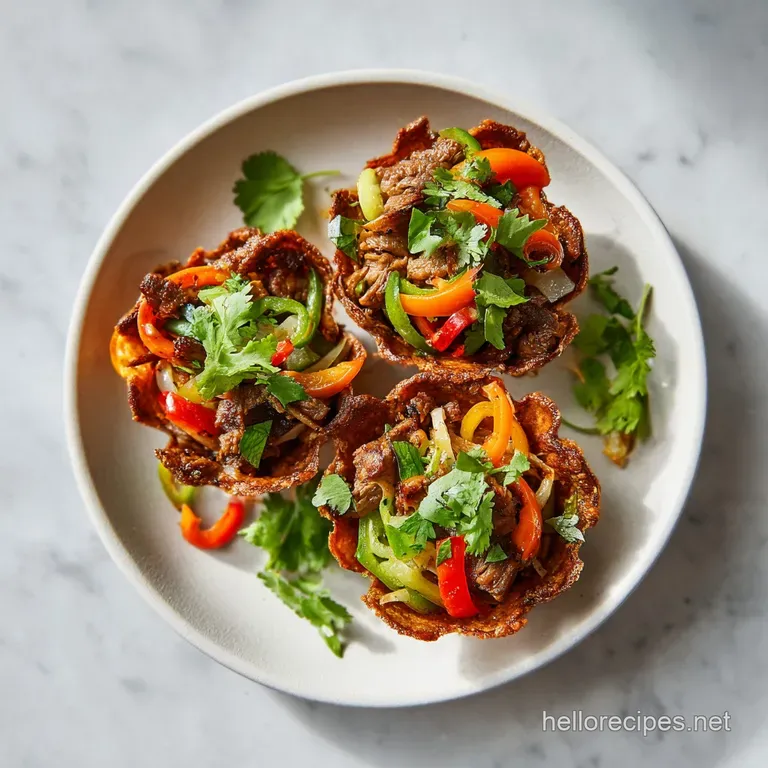
Let's break down the process. We are going to move from marinating to searing, then into the delicate architecture of the assembly.
- Marinate the Protein. Toss the sliced sirloin with 15 ml avocado oil, 15 ml lime juice, and the spice blend (cumin, smoked paprika, garlic powder, salt, pepper). Note: The acid in the lime juice begins to break down the muscle fibers immediately.
- Flash Sear. Heat the remaining oil in the skillet until it shimmers. Add the steak in a single layer. Cook for 2-3 minutes until browned and sizzling. Remove and set aside.
- Sauté the Aromatics. In the same pan, toss the sliced bell peppers and white onion half moons. Cook for 5 minutes until edges are charred and centers are soft.
- The Base Layer. Lay an extra large flour tortilla flat. Spread 60ml of nacho cheese sauce in the very center, keeping it to the size of your tostada shell.
- The Meat Foundation. Pile a portion of the steak and the pepper onion mix directly onto the cheese.
- The Crunch Layer. Place one tostada shell directly on top of the steak. This is your "shield."
- The Cool Toppings. Spread a thin layer of sour cream (15 ml) on the tostada, then add shredded lettuce and diced Roma tomatoes. Note: Keeping the cold items on top of the tostada prevents them from wilting.
- The Seal. Sprinkle Monterey Jack cheese over the lettuce. Place a small 15cm (6 inch) tortilla on top of everything.
- The Folding Technique. Fold the edges of the large tortilla up and over the small tortilla, creating a pleated hexagon. It should look like a tightly wrapped package.
- The Final Toast. Place the bomb seam side down in a clean, hot skillet. Press down for 2 minutes until the seam is fused and golden brown. Flip and toast the other side for 1 minute.
The chemistry of the final step is fascinating. The heat from the pan melts the Monterey Jack cheese, which acts as a protein based adhesive, "welding" the tortilla folds together. This ensures the bomb doesn't explode when you take your first bite. If you're a fan of traditional steak dishes, you'll recognize this searing technique from my Salisbury Steak recipe, though here we use it to seal a wrap rather than finish a sauce.
Solving Common Prep and Finish Issues
Even with the best intentions, things can go sideways. The most common issue I see is the "structural blowout," where the tortilla simply can't handle the volume of the filling.
Avoiding Tortilla Tears
If your tortilla is cold, it lacks the elasticity needed for the pleating process. The starches in the flour need to be slightly hydrated and warm to move without snapping. Microwave the stack of tortillas for 20 seconds under a damp paper towel before you start assembling.
Solving Soggy Bottoms
If you notice liquid pooling at the bottom of your wrap, it's likely from the tomatoes or the steak. Tomatoes should be deseeded and drained on a paper towel before being added. Similarly, if your steak wasn't seared at a high enough temperature, it will continue to "weep" liquid during the assembly process.
| Problem | Root Cause | Solution |
|---|---|---|
| Folding edges won't stay down | Tortilla is too dry or cold | Lightly brush the edges with a tiny bit of water or cheese sauce to "glue" them. |
| Center is soft, not crunchy | Steam trapped inside | Ensure all sautéed vegetables are drained and the steak has rested for 3 minutes. |
| Tortilla burns before cheese melts | Heat is too high | Reduce heat to medium and use a weight (like a heavy plate) to press the bomb down evenly. |
Common Mistakes Checklist:
- ✓ Pat the steak completely dry before searing to ensure a crust instead of steam.
- ✓ Never skip the "seam side down" first step; it’s what locks the whole thing together.
- ✓ Use extra large tortillas; 10 inch wraps are usually too small for a full "bomb" build.
- ✓ Drain your diced tomatoes thoroughly to prevent internal moisture buildup.
- ✓ Let the steak rest; cutting into hot steak immediately releases all the juices into your wrap.
Innovative Flavor and Dietary Swaps
The beauty of this architecture is that it's a vessel for whatever you crave. While the steak version is the gold standard for me, you can adapt this for different dietary needs without losing that iconic crunch.
- The "Habanero Heat" Bomb: Add sliced pickled jalapeños and use Pepper Jack cheese for a significant capsaicin boost.
- The Low Carb Swap: While difficult to make truly "keto" due to the tortillas, you can use high fiber, low carb wraps and replace the tostada shell with a disc of fried provolone cheese for a similar texture.
- The Shortcut Version: If you're short on time, use pre cooked rotisserie chicken and a store-bought fajita seasoning mix. It won't have the same sear as fresh sirloin, but it works in a pinch.
| Component | Fresh Method | Shortcut Method | Impact on Flavor |
|---|---|---|---|
| Steak | Hand sliced sirloin | Pre cooked steak strips | Fresh has better "snap" and juice. |
| Veggies | Fresh sautéed peppers | Frozen fajita mix | Fresh has more structural integrity. |
| Cheese | Freshly shredded Jack | Pre shredded bag | Fresh melts much more smoothly. |
If you want a different take on steak entirely, you could look at how we handle protein in my Quick Pepper Steak Recipe, which focuses on a savory soy based sauce rather than the lime cumin profile we use here.
Smart Storage and Reheating Methods
Steak Fajita Bombs are best eaten immediately to experience the maximum contrast between the hot wrap and the cold center. However, if you have leftovers, you need a strategy to revive that crunch.
Storage: Store leftovers in the fridge for up to 2 days. I don't recommend freezing the fully assembled bombs because the lettuce and sour cream will turn to mush when thawed.
Reheating: Never use the microwave! It will turn the tortilla into rubber and the tostada into a damp sponge. Instead, use a dry skillet over medium heat or an air fryer at 180°C (350°F) for about 5-7 minutes.
This helps crisp up the exterior and warms the center without completely destroying the interior textures.
Zero Waste Tip: If you have leftover steak and peppers but ran out of tortillas, chop them up and toss them with the remaining shredded lettuce and tomatoes for a "Fajita Deconstructed Salad." You can even crush the leftover tostada shells to use as croutons.
Optimal Presentation and Side Pairings
To really make these stand out, I like to slice them on a diagonal. This reveals the beautiful layers of steak, cheese, and the crisp tostada shell inside. It’s a very "gastronomy forward" presentation that makes a simple wrap look like an intentional masterpiece.
- Dipping Sauces: Serve with a side of extra nacho cheese or a bright, fresh salsa verde. The acidity of the salsa cuts through the richness of the beef and cheese.
- Side Dishes: A simple side of cilantro lime rice or a grilled corn salad (elote style) complements the heavy, savory nature of the bomb.
- Drink Pairing: A cold, crisp lager or a sparkling lime water helps cleanse the palate between those rich, cheesy bites.
Ultimately, the Steak Fajita Bombs are about the joy of the build. It's a recipe that rewards patience and precision. When you get that perfect fold and hear that first crunch, you'll realize why this has become a staple in my kitchen.
It's innovative, it's sustainable for a family meal, and it’s just plain fun to eat. Trust me, once you master the "bomb" fold, you'll be looking for reasons to wrap everything this way. Right then, let's get that skillet hot and start cooking!
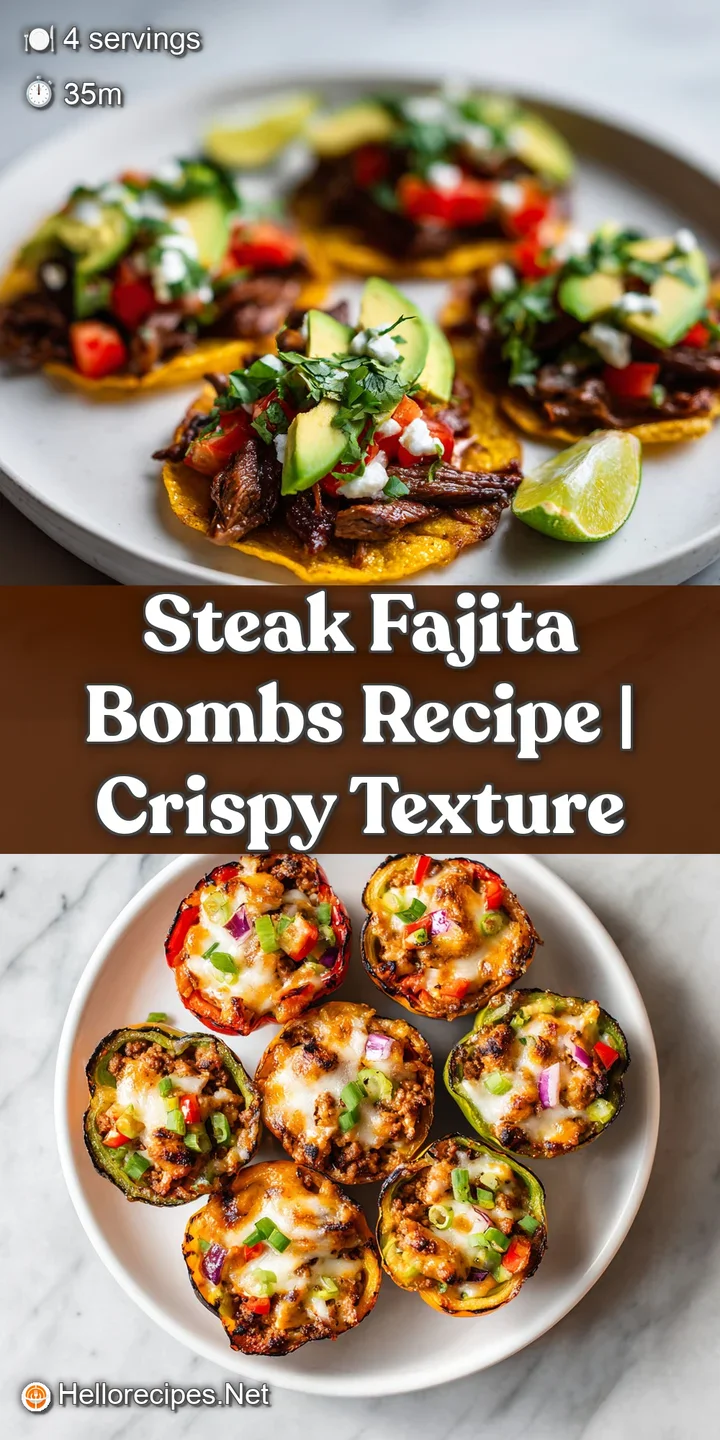
Very High in Sodium
1580 mg mg of sodium per serving (69% % of daily value)
The American Heart Association recommends limiting sodium intake to about 2,300mg per day for overall health.
Sodium Reduction Tips for Your Recipe
-
Low-Sodium Cheese-15%
Replace the regular Monterey Jack cheese with a reduced sodium or low-sodium Monterey Jack cheese. This simple swap can significantly cut down on sodium. Look for options labeled “low sodium” or “reduced sodium” on the packaging.
-
Reduce Added Salt-25%
Reduce the amount of added salt. Start by halving the amount specified in the recipe (0.5 tsp instead of 1 tsp) and adjust to taste. Remember you can always add more, but you can't take it away. Try using a salt substitute.
-
DIY Cheese Sauce-20%
Instead of using store-bought nacho cheese sauce, make your own using a combination of milk, low-sodium cheese, and spices. store-bought cheese sauces are typically loaded with sodium. By making your own you can control how much salt is added and improve flavor.
-
Fresh Tomatoes-10%
Draining diced Roma tomatoes helps, but replace them with freshly diced tomatoes and skip the draining step. Canned tomatoes tend to have more sodium than fresh ones.
-
Salt Free Seasoning-10%
Create your own taco seasoning blend. Replace the garlic powder, smoked paprika and cumin with a salt free taco seasoning blend. Many pre-mixed blends are heavy on salt, so making your own gives you complete control.
-
Herb & Spice Boost
Enhance flavors with fresh herbs and spices. Experiment with herbs like cilantro, oregano, or chili powder to amplify taste without adding sodium. Use herbs & spices that are salt free.
Recipe FAQs
Can I substitute flank steak for the sirloin, and how does it affect the cooking time?
Yes, you can substitute flank steak, but you must slice it extremely thin against the grain. Flank is slightly tougher, so ensure your slices are no more than 1/8th of an inch thick to maintain tenderness during the flash sear.
How do I prevent the crispy tostada shell inside from getting soggy from the steak juices?
Use a cheese barrier and allow the steak to rest fully. After searing, rest the steak for a full 3 minutes so carryover cooking stops releasing liquid; the melted cheese acts as the essential waterproof layer between the moist filling and the crunch element.
How to fold the large tortilla around the filling to ensure it seals securely?
Layer the fillings, place a small tortilla over the center ingredients, then fold the edges of the large tortilla up and over the small one. This overlapping technique creates pleats, and finishing the assembly seam side down in a hot pan fuses the edges shut with melted cheese.
Is it true that freezing the steak for 15 minutes before slicing is necessary for success?
Yes, briefly firming the steak in the freezer is critical for presentation. Freezing the meat for 15 minutes slightly hardens the muscle fibers, allowing you to achieve the paper thin slices needed for quick, even cooking and better texture.
What is the best way to reheat these bombs to restore the crisp exterior texture?
Use a dry cast iron skillet or an air fryer set to 180°C (350°F). Avoid the microwave entirely, as it turns the tortilla soft and causes the internal shell to steam and become mushy.
Can I substitute the nacho cheese sauce with another liquid component, like a thinner queso dip?
No, a thin queso will likely lead to a structural failure and sogginess. You need the high viscosity of a thick nacho cheese sauce, which acts as both an adhesive and a moisture shield, much like the initial binding layer in our Mini Beef Wellington Bites recipe uses fat to encapsulate ingredients.
Why must I use high heat when searing the steak strips initially?
High heat ensures the Maillard reaction occurs immediately, creating a flavorful crust. If the temperature is too low, the moisture on the meat surface will cause it to steam rather than sear, resulting in pale, chewy meat.
Steak Fajita Crunch Bombs
Ingredients:
Instructions:
Nutrition Facts:
| Calories | 1054 kcal |
|---|---|
| Protein | 44 g |
| Fat | 47 g |
| Carbs | 77 g |
| Fiber | 4 g |
| Sugar | 6 g |
| Sodium | 1580 mg |
