Smoked Ribs: the Best Sticky, Slow-Smoked Method
- The Secret to Fall-Off-The-Bone Tenderness
- Mastering the Smoke: Why Our 3 Stage Method Guarantees Success
- Gathering Your Arsenal: Essential Ingredients for Legendary Ribs
- Prepping Your Rack: Essential Steps Before the Smoke Begins
- From Prep to Plate: Detailed Instructions for Pitmaster-Quality Ribs
- Elevating Your BBQ Game: Pro Tips and Troubleshooting
- Practical Guide to Storing Leftover Smoked Barbecue
- Pairing Perfection: What to Serve Alongside Your Sticky Ribs
- Recipe FAQs
- 📝 Recipe Card
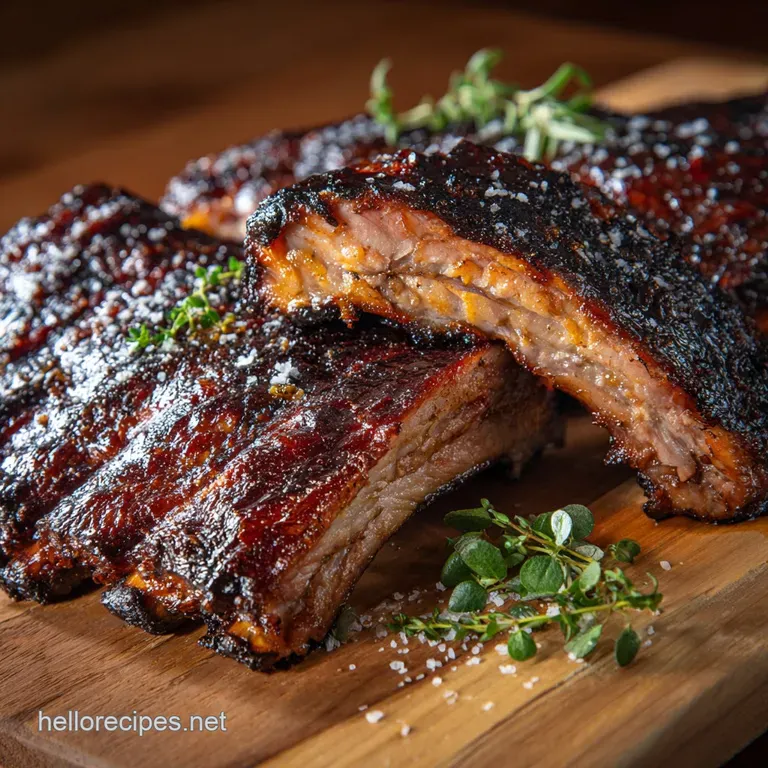
The Secret to Fall Off-The-Bone Tenderness
Listen, if you haven’t tried proper, low and slow Smoked Ribs , you are truly missing out on a fundamental life experience. That aroma, the moment the lid lifts on the smoker, is pure magic sweet, savoury, and deeply smoky.
The perfect bark gives way to meat so tender it practically sighs off the bone.
For years, I struggled, creating tough, dry mistakes that I optimistically called "barbecue." But learning this simple, three stage process changed everything. This method guarantees juicy meat, a gorgeous smoke ring, and the kind of sticky, glorious crust that makes people forget their manners.
Making the absolute best Smoked Ribs at home is easier than you think, provided you have the patience to let the smoke do its job.
We are diving deep into the science and the secrets. We’re going past the basic rub and into the specific temperature controls and wrapping techniques that make this the ultimate, fool proof recipe for delicious Smoked Ribs .
Let’s crack on and elevate your pitmaster status right now.
Mastering the Smoke: Why Our 3 Stage Method Guarantees Success
The process of making truly incredible Smoked Ribs isn't complicated; it's just timed perfectly. We don't just rely on heat; we rely on three distinct environments that treat the meat differently, achieving that elusive combination of flavourful bark and supreme tenderness.
This method ensures that we tackle rendering fat, building flavour, and achieving moisture simultaneously.
The Philosophy of Low and Slow Smoking
Why 225°F (107°C)? That temperature is critical because it sits squarely in the zone where two crucial things happen: the meat won't dry out, and the tough collagen tissue begins to dissolve into gelatin.
This transformation takes time several hours, in fact but it’s what turns rubbery muscle into tender, melt-in-your mouth perfection. If you try to rush it above 275°F (135°C), you skip the gelatinization process, leaving you with dry, stiff Smoked Ribs .
What Makes Baby Back Ribs Ideal for Smoking?
Baby Backs, or loin ribs, are cut from the high part of the hog, near the loin. They are shorter, leaner, and naturally more tender than their spare rib cousins, meaning they cook faster and absorb smoke efficiently.
Because they are leaner, they benefit significantly from the moisture trapping wrap stage, ensuring you end up with glorious, Fall Off The Bone Smoked Ribs .
Defining the Perfect Smoky Bark
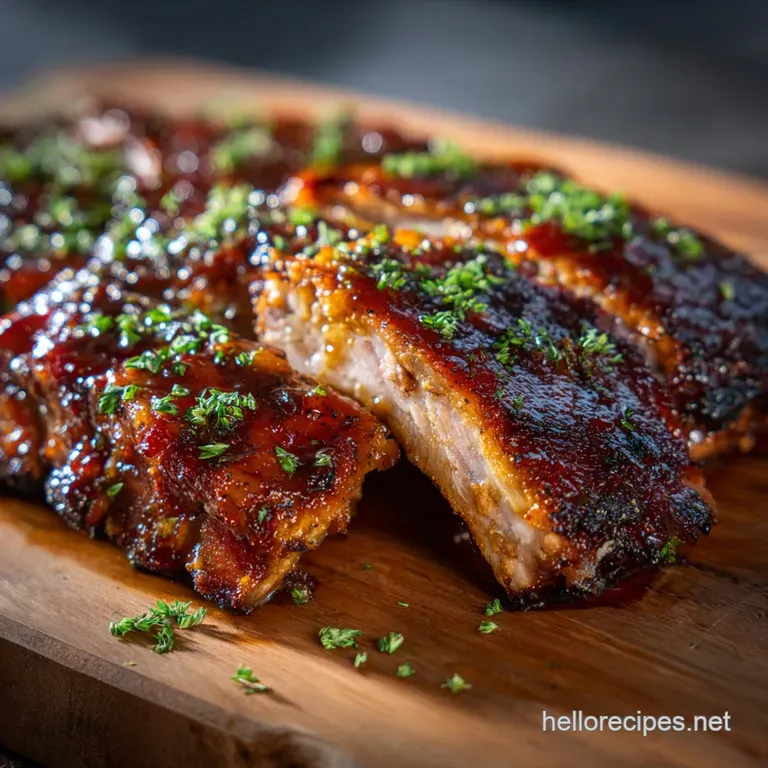
The bark is that dark, crusty exterior that forms during the initial smoke phase. It’s not burnt, but a delicious concentration of rendered fat, spices, and smoke compounds. This is the first 2- 3 hours.
We use a sugar rich rub and spritz the surface periodically; this combination allows the smoke to adhere while creating a chewy, savoury exterior that protects the juicy interior.
The Science of Smoke Ring Formation
That beautiful pink ring just beneath the bark is a chemical signature of great barbecue. It’s caused by nitrogen dioxide, a compound in wood smoke, reacting with the myoglobin (the protein that gives meat its red colour).
For a deep smoke ring on your Smoked Ribs , you need clean, efficient combustion in your smoker and a meat surface that is cold and moist when it first goes in.
Stage 2 Explained: Achieving Maximum Moisture (The Texas Crutch)
The Texas Crutch is just a fancy name for wrapping the meat tightly in foil (or butcher paper) once the bark is set. This stage is key for maximum tenderness. Wrapping the Smoked Ribs traps the moisture released by the meat, effectively steaming them and dramatically accelerating the breakdown of connective tissue.
This helps push the internal temperature past that tough 170°F (77°C) barrier, reducing overall cook time and ensuring super juicy results.
Setting the Glaze: The Final over High heat Kiss
Once the ribs are tender (around 195°F/90°C), they come out of the foil. We then paint them with a glaze, usually a mix of BBQ sauce and honey, and return them unwrapped to the smoker. This final stage is brief, designed only to dry out the surface and caramelize the sugars in the glaze.
This creates the signature sticky texture and locks in that final layer of flavour on the ultimate Smoked Ribs .
Gathering Your Arsenal: Essential Ingredients for Legendary Ribs
Building amazing Smoked Ribs starts with choosing the right components. Don't skimp here; the dry rub is 90% of your flavour foundation.
| Ingredient | Role | Viable Substitution |
|---|---|---|
| Baby Back Ribs | Primary Protein | St. Louis Cut Spare Ribs (adjust cook time!) |
| Yellow Mustard | Binder (Sticks the rub) | Hot sauce (Vinegar base) or neutral cooking oil. |
| Smoked Paprika | Colour and Deep Flavour | Regular paprika + extra pinch of Cumin. |
| Dark Brown Sugar | Sweetener & Caramelization | Maple sugar or coconut sugar (adjust quantities carefully). |
| Apple Cider Vinegar | Spritz/Moisture | White wine vinegar or even pickle juice. |
Crafting the Ultimate Dry Rub Blend
I can't stress this enough: skip the pre-made mixes. When you make your own rub, you control the salt level and the balance of sweet and heat. My signature rub uses plenty of dark brown sugar for that deep mahogany colour and richness, countered by cayenne pepper for a subtle warming spice.
This blend penetrates the meat deeply during the dry brining stage, setting up the incredible flavour of the final Smoked Ribs .
Glaze vs. Sauce: Which Finisher to Use?
A glaze is usually thinner and sweeter than a thick sauce; it's designed to set quickly and lightly coat the ribs. I prefer a glaze made of my favourite BBQ sauce thinned slightly with honey or maple syrup.
Crucial tip: Don't apply a thick sauce until the very end, or the high sugar content will scorch and ruin your precious bark.
Wood Selection: The Best Smoke Flavor Profiles
The wood choice defines the flavour of your Smoked Ribs . Avoid overpowering woods like Mesquite unless you truly love an aggressive, intense smoke flavour. I recommend Pecan or Apple wood; they offer a mild, fruity smoke that complements pork beautifully without masking the rub.
If you want a more traditional BBQ taste, Hickory is always a reliable winner.
Prepping Your Rack: Essential Steps Before the Smoke Begins
The preparation determines how the smoke adheres and how the meat contracts during cooking. A few minutes here saves hours of disappointment later.
Selecting the Right Cut of Pork
Look for racks that are evenly marbled and similar in size to ensure consistent cooking. Avoid racks where the meat looks ragged or has excessive loose fat flaps. A good rack of Baby Backs should weigh around 2 pounds each.
Removing the Silvery Membrane (The Debate Settled)
This is non-negotiable for tender Smoked Ribs . The silvery membrane on the bone side is tough collagen that will not render. It turns into a leathery layer, blocking flavour penetration and making the rack difficult to eat.
Use a paper towel to grip a corner of the membrane and peel it off cleanly. Trust me, if you leave it on, you’ll regret it.
Applying the Binder and Dry Rub Properly
The binder (yellow mustard, in this case) acts like glue. Rub it on sparingly just enough to make the surface tacky. Then, apply the rub liberally and pat it gently into the meat.
Don't rub it so hard that you wipe the mustard off; just make sure every surface of those future Smoked Ribs is coated deeply.
Chef's Note: After applying the rub, let the ribs rest in the fridge for at least two hours. This process, known as dry brining, helps the salt draw out moisture, dissolve the sugar and spices, and then pull that seasoned liquid back into the meat. This is a crucial step for achieving deep flavour in Smoker Ribs Recipes.
From Prep to Plate: Detailed Instructions for Pitmaster Quality Ribs
This is the real roadmap to glorious, perfectly cooked Smoked Ribs . Follow these steps, manage your fire, and you’ll succeed.
Dialing in the Smoker Temperature and Fuel
Stabilizing your smoker at 225°F (107°C) is the single most important task. Use a reliable temperature probe near the ribs, not just the gauge on the smoker lid. Keep your wood chunks small and replenish them every 45- 60 minutes to maintain a clean, blue smoke.
Don't chase the smoke; focus on the temperature.
Phase 1: Developing the Initial Bark (The First Smoke)
Place the rubbed ribs directly on the grate, bone side down. Let them smoke untouched for the first 90 minutes. This is where the smoke sets the initial flavour and creates the beautiful bark.
After that, spritz the ribs every 30 minutes with your vinegar/juice mix to keep the surface cool and moist, aiding smoke adhesion. Continue this initial smoke until the internal temperature hits about 155°F (68°C) and the bark is dark mahogany.
This is the foundation for outstanding Easy Smoked Ribs.
Phase 2: The Foil Steam (The Crutch)
Lay the ribs meat side down on the heavy duty foil. Add a splash of apple juice or vinegar in the foil pouch before sealing it completely. Return the wrapped package to the smoker and crank the temperature up to 250°F (121°C). Cook for 1.5 to 2 hours.
This stage ensures we get that true Smoked Ribs Internal Temp for tenderness.
I once forgot to crimp the foil tightly and all the liquid leaked out. The resulting ribs were noticeably drier! Always seal the foil like you are preparing for a nuclear winter.
Phase 3: Glazing and Final Temperature Check
Carefully unwrap the ribs. They should be floppy, and the bones should be starting to pull back. Brush them with your glaze mixture and put them back on the grate, unwrapped. Cook for 30 minutes until the glaze is sticky and tacky.
They are done when a probe slides in like soft butter, usually between 200°F and 205°F (93°C 96°C). These are the perfect Smoked Ribs Temp and Time targets.
Elevating Your BBQ Game: Pro Tips and Troubleshooting
Even the best pitmasters mess up sometimes. Here are the secrets to making sure your Smoker Ribs Recipes come out perfect every time.
Avoiding "Rib Stall" (Why Your Temp Gets Stuck)
The temperature stall happens when the meat's internal temperature hovers stubbornly around 150°F 160°F (65°C 71°C). This is caused by "evaporative cooling" as moisture escapes the meat's surface. The best solution is simply to wrap them (Phase 2, the Crutch).
Wrapping stops the cooling effect and pushes the temperature quickly past the stall, getting you closer to those delicious 3 2 1 Smoked Ribs results.
How to Test for Perfect Doneness
Forget sticking rigidly to time; temperature and feel are key. The "bend test" is the gold standard. Pick up the rib rack in the centre with a pair of tongs. If the meat bends deeply and the surface cracks (but doesn't break entirely), they are perfect.
If they break, you’ve gone slightly too far, resulting in ultra Fall Off The Bone Smoked Ribs . If they remain stiff, they need more time.
Fixing Dry Ribs: Common Mistakes and Corrections
Dry Smoked Ribs are usually the result of rushing the cook time or running the smoker too hot. If you find your ribs are dry post cook, immediately wrap them tightly in foil with a splash of liquid (apple juice or broth) and let them rest in a cooler for an hour.
If you absolutely need a recipe that guarantees moisture quickly, you might try my recipe for [Slow Cooked Oven Baked BBQ Short Ribs: Melt-in-Your Mouth Recipe] which uses a braising liquid.
Practical Guide to Storing Leftover Smoked Barbecue
Don't let those beautiful leftovers go to waste. Smoked foods store exceptionally well, preserving that smoky flavour.
Best Practices for Refrigeration
Once cooled, wrap leftover Smoked Ribs tightly in foil or place them in an airtight container. Properly stored, they will last safely in the refrigerator for 3 to 4 days. I like to slice them right before storage, as they reheat faster that way.
Freezing Ribs for Long Term Storage
But does it freeze well? You bet it does. Wrap individual portions of Smoked Ribs first in plastic wrap, then a layer of aluminum foil, and finally place them in a freezer safe zip-top bag, removing as much air as possible. They maintain peak quality for up to 3 months in the freezer.
Reheating Without Sacrificing Tenderness
Never reheat your Smoked Ribs directly in the microwave unless you want jerky. The best method is low and slow. Preheat your oven to 250°F (121°C). Wrap the ribs tightly in foil with a tablespoon of water or apple juice added to create steam.
Heat for 20– 30 minutes, or until warmed through. This brings them back to life, retaining all that crucial moisture.
Pairing Perfection: What to Serve Alongside Your Sticky Ribs
No plate of Smoked Ribs is complete without perfect sides. You need sides that offer coolness and acidity to cut through the richness of the pork and the glaze.
A classic creamy coleslaw is a must for texture contrast. I also always recommend a good batch of baked beans; if you want to kick your sides up a notch, check out my recipe for [Recipes featuring Beans and Lentils: Hearty Smoked Sausage Ragout]. That depth of flavour is incredible next to this savory pork.
And for the carb side? Skip the plain bread. Try my recipe for [Foolproof Crockpot Breakfast Potatoes Crispy Smoked Paprika Recipe], using the same smoked paprika from the rib rub for a fantastic thematic match.
These sides complete the experience, ensuring your Smoked Ribs dinner is truly legendary.
Recipe FAQs
How do I know when the ribs are truly done and not tough?
The best indicator is the “bend test” lift the rack with tongs in the center; if they crack cleanly across the top without breaking apart, they are ready. For a reliable measurement, the internal temperature should be between 195°F and 203°F (90°C and 95°C), which ensures connective tissues have fully rendered.
Is the foil wrapping stage (the 'crutch') really necessary for this 3-stage method?
While optional, the "crutch" (wrapping in foil with liquid) is highly recommended as it dramatically speeds up the cooking process and locks in moisture via steaming. This step helps push the ribs past the temperature stall and achieves the sought after tender, juicy texture far more reliably than cooking unwrapped the entire time.
Why did my ribs come out dry and slightly chewy?
Dry ribs are usually caused by cooking at too high a temperature or inadequate moisture management during the slow cook. Ensure your smoker maintains a stable temperature (ideally 225°F or 107°C) and verify that the foil wrapping stage was sufficiently long to tenderize the meat.
What is the best type of wood to use for smoking pork ribs?
Fruit woods like apple and cherry provide a milder, sweeter smoke flavor that beautifully complements pork, while also creating a rich mahogany color on the bark. If you desire a stronger, classic BBQ flavor, hickory works well but should be used sparingly to avoid overpowering the delicate taste of the baby back ribs.
Can I use Spareribs or St. Louis cut ribs instead of Baby Back ribs?
Yes, you can substitute other cuts, but the total cooking time will need adjustment, typically requiring 6 to 7 hours due to the thicker muscle and bone structure. Maintain the same temperature and 3-stage ratio, extending the foil phase until the ribs are adequately tender before the final glaze application.
My bark is soft and mushy, not sticky and crisp. What went wrong?
A soft bark usually results from applying the foil wrap too early or applying the sauce too liberally during the foil stage. Ensure the initial unwrapped smoking phase allows the bark to fully dry and set before wrapping, and only apply the final sticky glaze during the last 30 minutes.
How should I store leftover smoked ribs and reheat them properly?
Cool leftovers quickly, then wrap them tightly in aluminum foil and store in the refrigerator for up to 4 days. To reheat without drying them out, wrap the ribs in fresh foil with a tablespoon of apple juice or broth, and warm them slowly in a 250°F (120°C) oven until heated through.
Smoked Ribs Fall Off Bone
Ingredients:
Instructions:
Nutrition Facts:
| Calories | 600 kcal |
|---|---|
| Fat | 40 g |
| Fiber | 2 g |
