Charcuterie Board: Sensory Contrast Platter
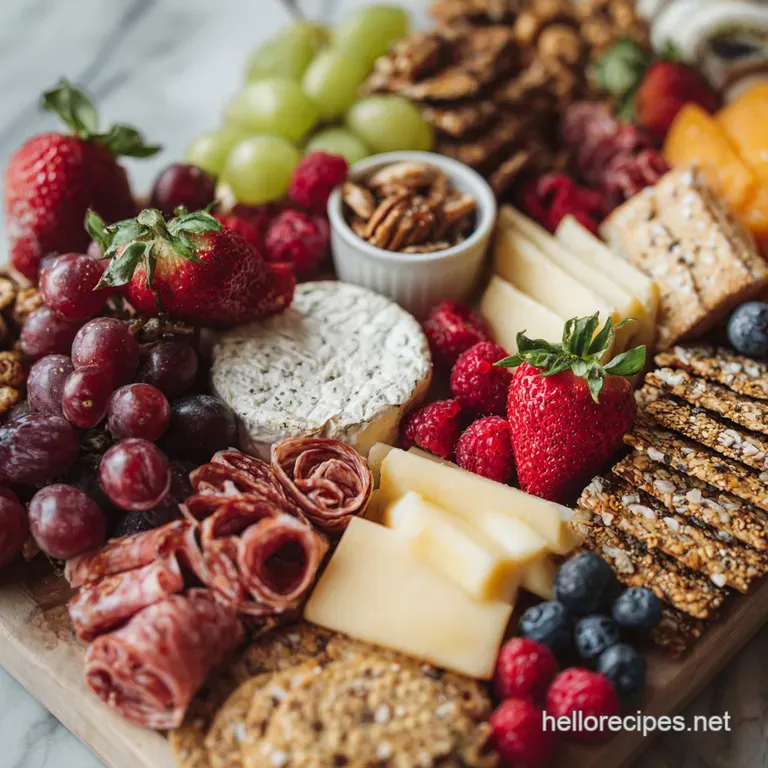
- Time: Active 20 minutes, Passive 0 minutes, Total 20 minutes
- Flavor/Texture Hook: Velvety Brie paired with the sharp shatter of aged Manchego
- Perfect for: Upscale entertaining or a sophisticated date night
- Master the Innovative Charcuterie Board
- Why This Flavor Logic Works
- Component Analysis: The Ingredient Deep Dive
- Sustainable Shopping List Breakdown
- Essential Tools for Assembly
- Strategic Step-by-Step Assembly
- Troubleshooting Common Layout Disasters
- Scaling for Intimate Dates or Parties
- Creative Flavor Variations
- Intelligent Storage and Preservation
- Innovative Pairing and Presentation
- Very High in Sodium
- Charcuterie Board FAQs
- 📝 Recipe Card
Master the Innovative Charcuterie Board
I still remember the first time I tried to host a gathering with what I thought was a "fancy" spread. I’d spent a fortune on imported cheeses, but I made the rookie mistake of pulling them straight from the fridge and piling them haphazardly next to some soggy crackers. The result?
A cold, sweating mess where the flavors were muted and the guests were confused. It was a total gastronomy fail that taught me my first big lesson: temperature and texture are everything.
Since that day, I’ve experimented with the physics of the platter, learning how a room temperature Brie becomes almost liquid gold and why a specific "Salami River" isn't just for looks it's about airflow and accessibility. Now, I approach every board like a puzzle of sweet, savory, and sharp.
We’re moving beyond just "meat and cheese" and into a space where the snap of a Marcona almond meets the deep, jammy funk of Gorgonzola.
Trust me, once you understand the logic behind the layout, you’ll never go back to basic snacking. We are going to build something that doesn't just look like a magazine cover but actually tastes like a high end tasting menu.
Let’s get into the science of why this specific combination of ingredients creates such a memorable experience.
Why This Flavor Logic Works
- The Umami Bridge: Cured meats like Prosciutto di Parma provide intense salinity that amplifies the subtle nutty notes in the Aged Manchego.
- Fat Emulsification: The high fat content in 7 oz of Double Cream Brie acts as a palate cleanser when followed by the bright acidity of Castelvetrano olives.
- Textural Contrast: Combining the "shatter" of water crackers with the "velvety" spread of Gorgonzola creates a sensory feedback loop that keeps the palate engaged.
| Component | Optimal Temp | Resting Time | Visual Cue |
|---|---|---|---|
| Soft Cheese | 21°C | 30 minutes | Slightly bulging sides |
| Hard Cheese | 20°C | 20 minutes | Natural oils appearing |
| Cured Meats | 18°C | 10 minutes | Fat looks translucent |
The "Slicing Guide" above ensures your fats are at the exact point of melting on the tongue. When cheese is too cold, the fat molecules are locked tight, hiding the complex flavors you paid for.
By letting your 7 oz of Brie rest, you allow the interior to become supple and spreadable against the crusty 0.5 inch baguette rounds.
Component Analysis: The Ingredient Deep Dive
| Ingredient | Science Role | Pro Secret |
|---|---|---|
| Double Cream Brie | High fat emulsifier | Score the top lightly to guide the "ooze" direction. |
| Prosciutto di Parma | Salt cured protein | Drape loosely to increase surface area for better melting. |
| Castelvetrano Olives | Acidic counterbalance | Pat dry before plating to prevent brine from soaking crackers. |
| Marcona Almonds | Structural crunch | Use the oil roasted variety for a richer mouthfeel. |
Sustainable Shopping List Breakdown
- 5 oz Aged Manchego: Look for a 6 month or 12 month age for that signature crystalline crunch. Why this? Provides a firm, nutty contrast to softer elements.
- 7 oz Double Cream Brie: Ensure it feels slightly soft to the touch through the packaging. Why this? It acts as the "butter" of the board.
- 4 oz Gorgonzola: A dolce (sweet) version is often more approachable for groups. Why this? Adds a necessary punch of funk and creaminess.
- 4 oz Prosciutto di Parma: Ask for "paper thin" slices at the deli counter. Why this? The thinness allows it to melt instantly.
- 4 oz Genoa Salami: A reliable, mildly spiced option that everyone loves. Why this? Provides a sturdy, savory bite.
- 3 oz Mortadella: Look for versions with pistachios for extra texture. Why this? Offers a silky, delicate protein variation.
- 1 cup Grapes: Red or black grapes provide better visual depth than green. Why this? Acts as a fresh, hydrating palate cleanser.
- 0.5 cup Dried Apricots: Organic versions are often darker but taste more like honey. Why this? Concentrated sweetness to pair with the blues.
- 0.5 cup Marcona Almonds: These are the "queen of almonds" for a reason. Why this? Their buttery texture is superior to standard almonds.
- 0.5 cup Castelvetrano Olives: These are mild, buttery, and not overly salty. Why this? The bright green color pops against the meats.
- 3 tbsp Fig Jam: A classic pairing for both Brie and Manchego. Why this? Adds a deep, earthy sweetness.
- 1 box Water Crackers: Keep these neutral so the cheese can shine. Why this? Provides a clean, crisp "shatter" texture.
- 1 small Baguette: Sliced into 1.25 cm rounds for easy grabbing. Why this? Necessary for the softer, spreadable cheeses.
Essential Tools for Assembly
Building a great board requires more than just a flat surface; it’s about managing the "geography" of your ingredients. I always use a large wooden board (maple or walnut is great) because it doesn't dull my knives and stays cool.
You'll also want separate knives for each cheese trust me, nobody wants Gorgonzola veins in their Brie.
Small ceramic ramekins are your best friend here. They hold the "wet" ingredients like olives and jam, preventing the liquid from migrating and turning your crackers into a soggy mess.
I also keep a pair of kitchen shears handy to trim grape clusters into smaller, "grab and-go" portions so guests don't have to awkwardly pick through a giant vine.
Strategic step-by-step Assembly
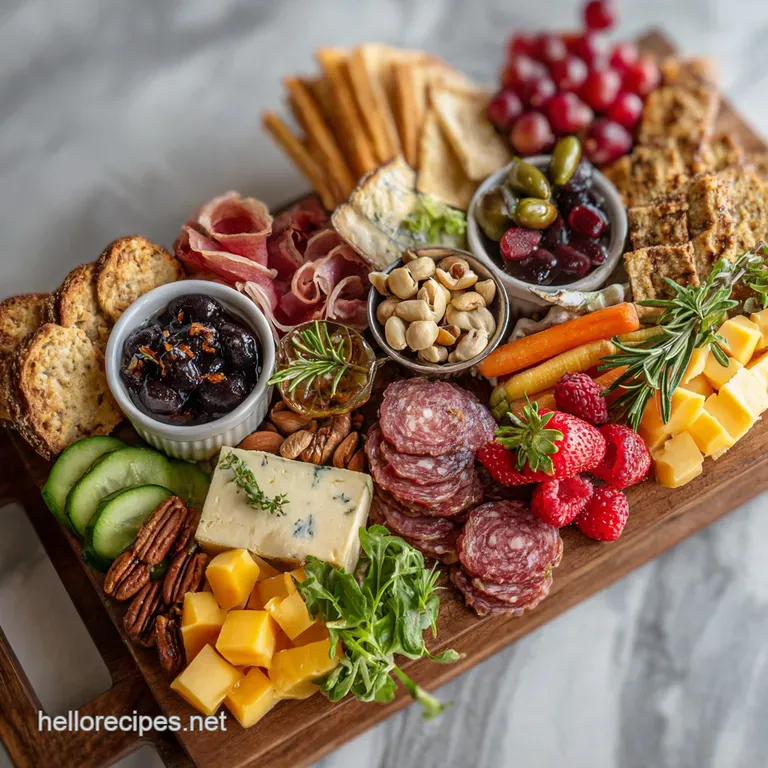
- Tempering the elements. Take your 5 oz Manchego, 7 oz Brie, and 4 oz Gorgonzola out of the fridge 30 minutes before serving. Note: This allows the fats to soften for better flavor release.
- Placing the anchors. Position two small bowls for the 3 tbsp fig jam and 0.5 cup Castelvetrano olives on opposite sides of the board.
- Positioning the cheeses. Place the Manchego, Brie, and Gorgonzola in a triangular formation around the bowls.
- Folding the prosciutto. Ribbon the 4 oz Prosciutto di Parma by folding each slice into thirds and "bundling" them together. Note: This creates height and makes them easy to pick up.
- Creating the Salami River. Lay the 4 oz Genoa Salami in a curving line that snakes through the center of the board.
- Adding the vessels. Fan out the water crackers and 1.25 cm baguette slices in the larger remaining gaps.
- Filling with fruit. Place the 1 cup of grapes and 0.5 cup dried apricots near the Gorgonzola and Brie.
- Tucking in the crunch. Sprinkle the 0.5 cup Marcona almonds into the tiny "dead spaces" between the larger items.
- Slicing the bresaola. Roll the 3 oz Mortadella or Bresaola into tight cylinders and tuck them near the Manchego.
- Final garnish. Drizzle a tiny bit of extra honey over the Gorgonzola if you want to really impress.
Troubleshooting Common Layout Disasters
Why Your Cheese Looks Oily
If your Manchego or Cheddar starts to look "sweaty" or develops a shiny coat of oil, the room is likely too warm or the cheese has been out for several hours. This is the fat separating from the solids. While it's still safe to eat, it can affect the texture.
To fix this, simply use a clean paper towel to gently blot the surface. For your next Holiday Cheese Board recipe, try to keep the board away from direct sunlight or heat sources like an oven.
| Problem | Root Cause | Solution |
|---|---|---|
| Soggy Crackers | Moisture migration | Use bowls for olives and fruit; add crackers last. |
| Muted Flavor | Ingredients too cold | Remove from fridge 30-45 mins before serving. |
| Cluttered Look | No focal point | Start with "anchor" bowls to create a visual path. |
Common Mistakes Checklist
- ✓ Never place wet fruit (like sliced grapes) directly touching dry crackers.
- ✓ Avoid pre slicing all the Brie - it will lose its shape and "ooze" too much.
- ✓ Don't overcrowd the board; leave tiny gaps so guests can actually use the knives.
- ✓ Ensure you have a separate "discard" bowl if using olives with pits.
Scaling for Intimate Dates or Parties
When scaling down for a romantic evening for two, I usually cut the cheese quantities in half but keep the variety. You still want that contrast, just in smaller portions. If you’re looking for a themed twist, you could even adapt these quantities for a Valentine s Day recipe by using heart shaped cutters for the Manchego.
For massive parties (doubling or tripling the recipe), don't just buy a bigger board. It’s often better to create two identical boards or one "meat and cheese" board and a separate "fruit and vessel" board. This prevents a traffic jam at the table and ensures the crackers stay far away from any moisture.
Creative Flavor Variations
If you want to move away from the traditional European profile, you can swap the fig jam for a spicy pepper jelly to add a "kick." For a plant based crowd, I’ve had great success following a How to Make recipe for vegan spreads, replacing the Brie with a cashew based camembert and using mushroom pate instead of mortadella.
- The Mediterranean
- Replace apricots with dried figs and add roasted red peppers.
- The Orchard
- Swap grapes for thinly sliced honeycrisp apples and use walnuts.
- The Smoked
- Use a smoked gouda and spicy chorizo instead of salami.
Intelligent Storage and Preservation
Storage: If you have leftovers, store the cheeses separately from the meats. Wrap the Brie in parchment paper (not plastic wrap, which suffocates it) and place the Manchego in a reusable beeswax wrap. The meats should go into an airtight container and be consumed within 3 days.
Zero Waste: Don't throw away those cheese rinds! The rinds from the Manchego or any hard cheese are flavor "bombs" for soups. Toss them into a simmering minestrone or a stock pot to add a rich, salty depth.
Leftover salami can be diced and fried up with eggs the next morning for a quick gastronomy style breakfast.
Innovative Pairing and Presentation
To truly elevate the experience, consider the "technology" of your beverage pairings. A crisp, acidic sparkling wine or a dry cider works beautifully because the carbonation acts like a "scrubbing bubble" for your tongue, cutting through the heavy fats of the 7 oz Brie and 4 oz Gorgonzola.
Chef's Tip: If you really want to go the extra mile, freeze your grapes for 20 minutes before serving. They act as little edible ice cubes that stay chilled on the board without watering anything down.
For a final touch, use fresh herbs like rosemary or thyme tucked into the gaps. They aren't just for decoration; the aroma of the fresh herbs mingles with the scent of the cured meats, creating a multi sensory environment that makes even a simple cracker feel like a gourmet event.
Enjoy the process it's as much about the assembly as it is about the eating!
Very High in Sodium
1062 mg mg of sodium per serving (46% % of daily value)
American Heart Association recommends limiting sodium intake to about 2,300mg per day.
Tips to Reduce Sodium in Your Charcuterie Board
-
Swap Prosciutto-25%
Prosciutto di Parma is very high in sodium. Substitute with thinly sliced roast beef or cooked chicken breast for a significant sodium reduction.
-
Choose Lower Sodium Cheeses-15%
Hard and aged cheeses tend to be higher in sodium. Replace the Manchego and Gorgonzola with fresh mozzarella or ricotta salata. Opt for a lower sodium Brie if possible.
-
Rinse or Reduce Olives-10%
Castelvetrano olives contribute a significant amount of sodium. Try reducing the amount of olives on the board or rinse them thoroughly with water before serving.
-
Sodium Free Crackers-10%
Water crackers can be surprisingly high in sodium. Choose unsalted crackers or sliced cucumber/bell pepper instead.
-
Lower Sodium Meats-10%
Genoa Salami and Mortadella are high in sodium. Reduce the portion sizes of these meats and consider adding some fresh shrimp to the board.
-
Cut Back on Fig Jam-5%
While delicious, fig jam contains added sugar which can hide added salt. Use a smaller amount or replace with a homemade fruit compote with no added salt.
-
Flavor with Herbs & Spices
Enhance the flavors of the cheese, meats, and other components with fresh herbs and spices like black pepper, rosemary, or thyme instead of relying on salt.
Charcuterie Board FAQs
What is the 3 3 3 3 rule for charcuterie board?
This rule isn't standard, but a common guideline suggests 3 meats, 3 cheeses, 3 starches, and 3 accompaniments. This framework ensures sufficient variety in flavor and texture to keep the board balanced and engaging for guests.
What does charcuterie mean literally?
It literally translates from French as "cooked flesh" or "pork butcher shop." Historically, it referred strictly to prepared meat products like pâtés, cured sausages, and terrines, though modern usage includes cheeses and fruits.
What are 5 things to avoid on a charcuterie board?
Avoid pre-slicing soft cheeses, serving ingredients straight from the fridge, using too many identical textures, overcrowding the board, and serving wet items next to dry crackers. Serving cheese cold mutes its flavor profile; aim for room temperature for optimal tasting.
What is usually on a charcuterie board?
Typically, you include cured meats (salami, prosciutto), assorted cheeses (soft, hard), something crunchy (nuts, crackers), something sweet (fruit, jam), and something acidic (olives, pickles). This combination creates the necessary sensory contrast for an excellent tasting experience, much like balancing flavors in our White Christmas Sangria recipe.
How should I arrange the meats to look professional?
Fold or ribbon the prosciutto and salami to create height and movement across the board. Gently folding prosciutto into thirds maximizes its surface area and makes it visually appealing; think of creating "rivers" or "piles" rather than flat laying everything down.
Is it true that hard cheese needs more time out of the fridge than soft cheese?
No, soft cheese generally requires more tempering time than hard cheese before serving. While both benefit from warming, the high fat content in soft cheeses like Brie melts significantly faster; let soft cheeses rest for 30 minutes while hard cheeses like Manchego might only need 20 minutes.
How do I make sure my crackers don't get soggy before guests arrive?
Keep all wet items, like jams and olives, contained in small ramekins placed far from the starches. Place crackers and bread components on the edges of the board last; if you are preparing far in advance, store the bread separately and add it just before serving to ensure a perfect snap, similar to the precise structure required in our Crusty gluten-free recipe.
Simple Charcuterie Board Guide
Ingredients:
Instructions:
Nutrition Facts:
| Calories | 597 kcal |
|---|---|
| Protein | 27.5 g |
| Fat | 34.7 g |
| Carbs | 44.4 g |
| Fiber | 2.8 g |
| Sugar | 15.6 g |
| Sodium | 1062 mg |
