The Ultimate Mashed Potatoes Silky Smooth Never Gluey and Perfect for a Sunday Roast
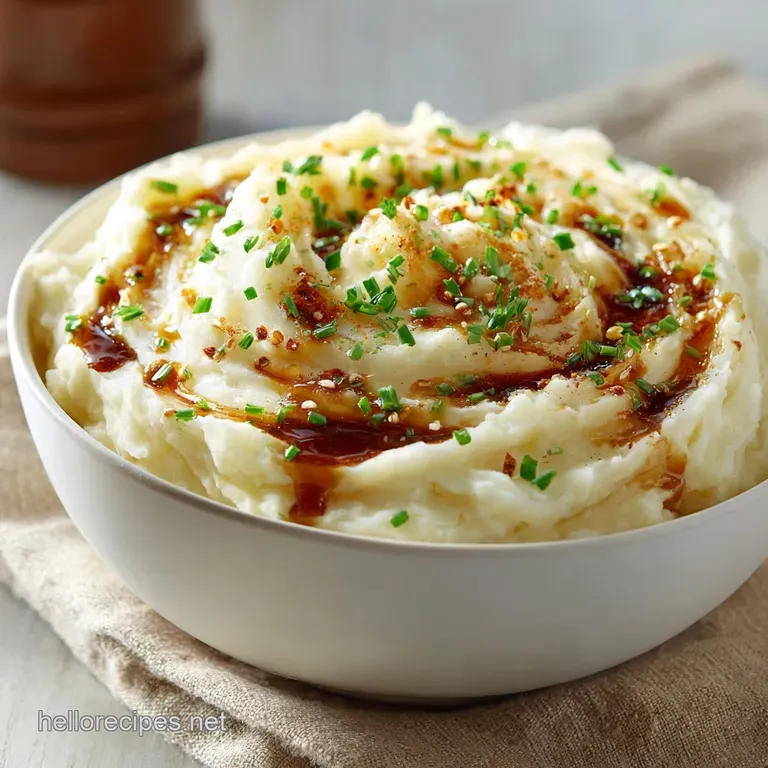
Elevating Mashed Potatoes from Side Dish to Star
Mashed potatoes are often viewed as a culinary afterthought, but when executed flawlessly, they transition from a simple side dish to the main event. Our aim is to move beyond the lumpy, dense variety and achieve an exceptional texture that defines true comfort food.
This process, culminating in Silky Smooth Mashed Potatoes , requires a commitment to technique, resulting in a purée so luxurious it feels like it melts on the tongue.
The Science Behind Silky Smooth Texture
The secret to a beautifully light mash lies in minimizing the release and development of starch molecules. Potatoes, particularly the high starch varieties we prefer, contain long starch chains.
When these chains are broken and agitated especially in the presence of liquid they swell and bind together, creating a thick, stretchy, and ultimately gluey texture. Our method focuses on gently processing the potato flesh while ensuring the temperature remains high enough for the warm, fatty additions to be absorbed instantly, rather than sitting on the surface and necessitating excessive mixing.
How to Ensure Your Mash is Never Gluey
The fundamental difference between airy, Restaurant Style Mashed Potatoes and disappointing paste is the tool used. Aggressive mechanical mashing (such as with a hand mixer or food processor) is the quickest way to release starch. Instead, we advocate for a potato ricer or food mill.
These tools push the cooked potato flesh through small holes, effectively separating the individual starch grains without breaking them down completely, thereby preserving that desired lightness and helping you achieve the Best Mashed Potato Recipes result possible.
Why This Recipe Requires Medium Effort
While boiling potatoes is simple, creating this caliber of mash requires focused attention to three critical details, classifying the recipe at a medium difficulty level. First, precise draining and drying is non-negotiable.
Second, the fats 8 ounces (2 sticks) of high-quality butter and 1 cup of full fat double cream must be warmed thoroughly before incorporation. Finally, using specialized equipment (the ricer) is essential.
Totaling about 50 minutes from start to finish, the careful execution of these steps ensures the final product lives up to its promise of being light and velvety.
Essential Building Blocks for Luxurious Mashed Potatoes
The foundation of truly exceptional Homemade Mashed Potatoes is built on premium ingredients, starting with the right variety of spud.
Choosing the Right Spud: Russets vs. Yukon Golds
For the fluffiest, lightest texture, a high starch potato is paramount. We specify using Russet, Maris Piper, or King Edward varieties. Their dry, mealy composition means they break down beautifully when cooked, creating the perfect foundation for a fine purée.
While Yukon Golds offer a naturally buttery flavour and a waxier profile (requiring less fat), they ultimately produce a slightly denser, less airy mash than their starchy counterparts. For this particular recipe targeting Silky Smooth Mashed Potatoes , starchy Russets are the top choice.
Clarified Butter and Cream: The Secret to Richness
Richness in mash comes not just from the quantity of fat, but its quality and warmth. This recipe calls for a substantial 8 ounces of unsalted butter and 1 cup (240 ml) of full fat double cream.
Before mixing, these components are gently warmed together in a small saucepan until the butter is completely melted and the mixture is hot to the touch. This high temperature is vital, as cold dairy will instantly cool the potatoes, making them denser and more difficult to mix smoothly without overworking the starch.
Specialty Equipment for Achieving Fine Potato Purée (Ricer/Mill)
To underscore a point, the selection of equipment is as important as the ingredients. To ensure we avoid the gluey fate mentioned earlier, a potato ricer or food mill is necessary.
Unlike a standard hand masher, which smashes and ruptures the starch cells, the ricer gently extrudes the cooked potato flesh, creating delicate strands that are perfectly prepared to absorb the warm fats without releasing excessive starch.
This tool is the lynchpin for truly Restaurant Style Mashed Potatoes .
Related Recipes Worth Trying
- Proper Easy Cheesy Potatoes The Ultimate Creamy Casserole Recipe — The ultimate Quick and Easy Cheesy Potatoes Casserole This ovenbaked classic uses frozen hash browns for zero prep delivering a rich velvety sauce and...
- Ultimate Smashed Asian Cucumber Salad Recipe Crunchy Spicy Easy — This easy Asian Cucumber Salad recipe uses the smashing technique for maximum crunch and flavor Dressed in a punchy soy sauce dressing with chili and sesame...
- Golden Cheesy Mashed Potato Pancakes The Ultimate Leftover Mash Fix — Turn leftover mash into crispy fluffy Cheesy Mashed Potato Pancakes This easy panfried potato cake recipe delivers a golden exterior and soft centre every time
Mastering the Technique for Perfect Mashed Potatoes
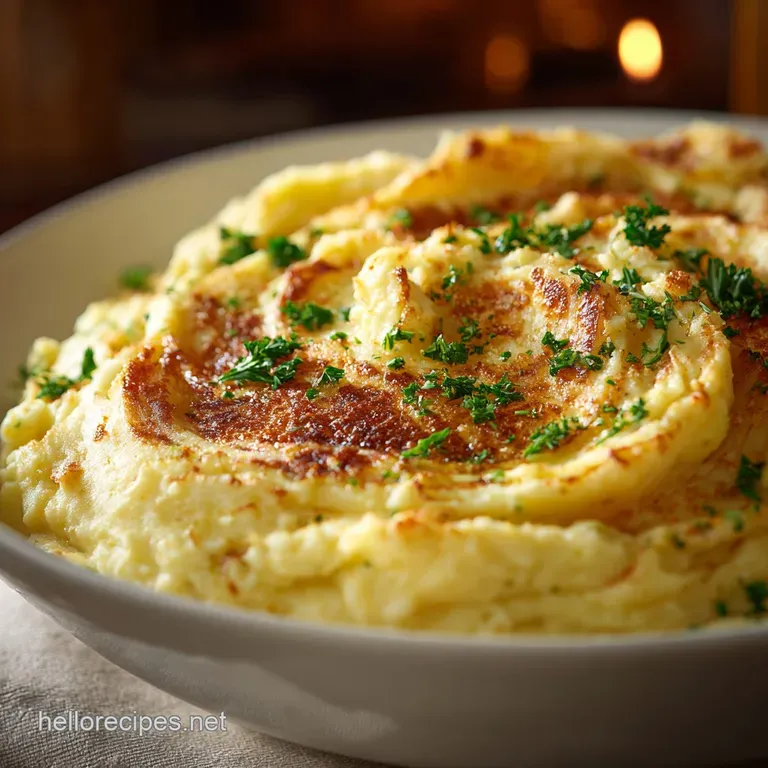
Following these precise stages guarantees a successful result, transitioning the raw ingredients into a culinary masterpiece.
Preparing and Boiling the Potatoes to the Ideal Tenderness
Begin the process by peeling the 2.5 lbs (1.2 kg) of high starch potatoes and cutting them into evenly sized 2 inch chunks. This uniform size ensures even cooking throughout. Place the pieces in the large stockpot and cover them with cold water.
It is absolutely crucial to start cold, as this allows the potato centre and exterior to cook at the same rate. Add 2 tablespoons of coarse sea salt to the water, ensuring the potatoes are seasoned from the inside out.
Bring the pot to a rolling boil, then reduce the heat to a simmer, cooking for approximately 20– 25 minutes until the potatoes are fork tender and starting to flake apart.
The Non-Negotiable Step: Ensuring Zero Excess Moisture
Once cooked, immediately drain the potatoes using a colander. To guarantee a fluffy, non-watery mash, return the hot, drained potatoes to the empty stockpot and place the pot back on the stove, off the heat. Leave the lid slightly ajar and allow the potatoes to steam dry for 5 to 10 minutes.
This residual heat evaporates any surface moisture clinging to the spuds, laying the groundwork for a light purée that is ready to absorb the rich dairy.
Warming the Fats and Gently Folding Them In
While the potatoes are drying, ensure your cream and butter mixture is heated until hot and melted. Working quickly, pass the piping hot potatoes through the ricer directly into the stockpot or a clean, heat retaining bowl. Pour approximately two-thirds of the warm fat mixture over the riced potatoes.
Using a sturdy wooden spoon or rubber spatula, gently fold the liquids into the potatoes, working in wide, sweeping motions. Avoid aggressive stirring or whipping. The goal here is gentle incorporation, not aeration, which safeguards the Silky Smooth texture.
Final Adjustments and Achieving Optimal Seasoning
Continue to fold, gradually incorporating the remaining warm cream mixture until the desired consistency is reached it should be loose, luxurious, and completely uniform. Finish the dish by stirring in fine sea salt to taste and the recommended half teaspoon of white pepper.
White pepper provides a subtle warmth without introducing the black flecks that can disrupt the clean aesthetic of perfectly Creamy Holiday Mashed Potatoes . Taste and adjust seasoning generously, as potatoes absorb a surprising amount of salt.
Expert Tips and Troubleshooting Your Mash
Achieving potato perfection relies on mastering a few fundamental, yet often overlooked, principles that secure the best results every time.
The most important technique is the "Start Cold, Salt Heavily" rule; placing potatoes in cold, well salted water ensures even cooking and internal seasoning a flavour boost you cannot replicate later.
Next is the "Steam Dry Rule": never, under any circumstance, skip the 5– 10 minutes of steaming after draining. Excess moisture is the enemy of fluffy mash.
Finally, always adhere to the "Keep it Hot" principle; adding cold dairy to hot potatoes immediately lowers their temperature, increasing the likelihood of density and gumminess when mixing.
By strictly adhering to the potato ricer rule, and keeping your hands off any electric mixer, you prevent starch breakdown and guarantee a velvety finish.
Creative Twists and Flavour Enhancements
Once you master the base technique for Homemade Mashed Potatoes , there are endless opportunities to customize the flavor profile.
Saving Over Mixed or Watery Mashed Potatoes
If disaster strikes and you accidentally over mix the mash, turning it gluey, or if the mash is watery due to insufficient steaming, there is no quick fix for returning the texture to its silky state. The best solution is to pivot: allow the mash to cool completely, then repurpose it.
It works wonderfully as a thickener for potato soup, or as the topping for a shepherd's or cottage pie, where its density actually serves a functional purpose.
Best Practices for Storing and Warming Up Leftovers
Mashed potatoes inherently stiffen when cooled due to the starch retrograding. To store, place the mash in an airtight container in the refrigerator for up to three days. To reheat, the key is low and slow heat with added moisture.
Place the leftovers in a saucepan over low heat, stirring frequently, or reheat in a microwave using short bursts. Crucially, stir in a splash of warm milk or cream (or even chicken stock) before serving to restore the luxurious, creamy texture.
Infusing Garlic or Herbs into the Mashed Potatoes Base
To transform your mash into something truly special, consider infusion. For a subtle, savory note, add three cloves of whole, peeled garlic to your butter and cream mixture while it warms. For a more intense flavour, mash a full head of roasted garlic directly into the riced potatoes before incorporating the fats.
Alternatively, for a Creamy Holiday Mashed Potatoes offering, gently brown the butter and fry a tablespoon of fresh sage leaves until crisp, stirring the sage and brown butter through the finished mash.
For an extra tang and richness, some experts fold in a dollop of high-quality crème fraîche or even a touch of cream cheese for a luxurious depth.
Pairing Your Silky Mash with Classic Roasts and Gravies
This specific Mashed potatoes recipe is designed to be the ultimate comforting companion. Its intense richness stands up beautifully to bold main courses. Pair the Silky Smooth Mashed Potatoes with rich, slow braised cuts of meat, such as classic beef short ribs or a traditional roast leg of lamb.
The smooth texture is the perfect vehicle for copious amounts of deeply flavored red wine or pan drippings, making the combination of Mashed potatoes and gravy the perfect pairing for any holiday table.

Recipe FAQs
Why do my Mashed Potatoes always turn out like wall paper paste?
Ah, the dreaded gluey mash! This happens when you overwork the potatoes, which ruptures the starch cells and releases sticky amylose. To avoid this kitchen tragedy, you absolutely must use a potato ricer or food mill, and crucially, make sure to ‘steam dry’ the cooked potatoes before mixing.
Finally, mix gently with a wooden spoon or spatula, keeping your hands off the electric whisk!
Can I make this ultimate silky mash the day before the big Sunday Roast?
You can certainly prep them ahead of time, but for the best, silkiest results, it's spot-on to finish them just before serving. If you must prep early, cool the finished mash completely, store it in an airtight container in the fridge, and reheat it slowly either in a saucepan over very low heat or in a heatproof bowl set over simmering water (a bain marie).
You will likely need to whisk in an extra splash of hot cream or milk upon reheating to restore the texture.
Crikey, that's a lot of butter and double cream! Can I use less and still get that silky texture?
It is indeed a luxurious recipe, but the generous amount of hot fat and dairy is key to creating that rich, silky mouthfeel, as the fats coat the starch granules. If you need to cut back, try substituting the double cream for warm whole milk, but keep the butter quantity high, as this is where the majority of the flavour and necessary moisture comes from.
Using cold or low-fat dairy will compromise both the flavour and the consistency.
Do I really need a potato ricer, or can I just use my electric whisk?
You absolutely need a ricer or a food mill for this level of smoothness it's non-negotiable! These tools break the potato down gently without activating the starch. Using an electric whisk or food processor is the quickest way to turn a beautiful Maris Piper potato into an elastic disaster, so please, leave the fancy gadgets in the cupboard for this recipe.
I've got loads leftover what's the best way to use them up?
Leftover mash is a cracking thing to have! The classic choice is to use it as a fluffy topping for a proper Shepherd’s or Cottage Pie it crisps up beautifully under the grill.
Alternatively, mix it with a little egg, flour, and cheese to form quick potato cakes or croquettes, which are perfect fried in butter and served with bacon and a runny egg for breakfast. Bob’s your uncle!
Silky Smooth Restaurant Mashed Potatoes
Ingredients:
Instructions:
Nutrition Facts:
| Calories | 228 kcal |
|---|---|
| Protein | 1.9 g |
| Fat | 14.1 g |
| Carbs | 12.2 g |
| Fiber | 4.4 g |
| Sodium | 13142 mg |
