Double Stuffed Sheet Pan Pizza
- Time: Active 40 mins, Passive 1 hours 5 mins, Total 1 hours 45 mins
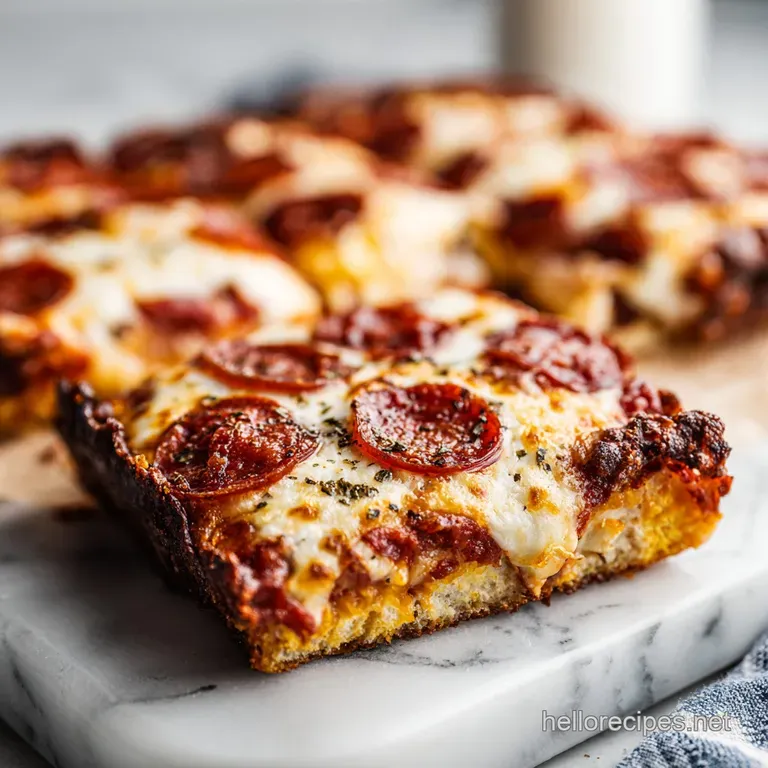
- Flavor/Texture Hook: A shatter crisp golden bottom with a velvety, stringy core and charred pepperoni edges.
- Perfect for: Game day gatherings, hungry families, or anyone who thinks "too much cheese" is a myth.
- Why This Double Stuffed Sheet Pan Pizza Rocks
- Technical Specs for Massive Pan Pizza
- Essential Ingredients for Stuffed Crusts
- Required Tools for Sheet Pan Success
- Steps to Build Your Stuffed Pizza
- Fixes for Common Stuffed Pizza Problems
- Flavor Swaps for Your Pizza Creation
- Storing and Reheating Your Leftovers
- Serving Suggestions for Pizza Night
- Critical Level of Sodium
- Recipe FAQs
- 📝 Recipe Card
Why This Double Stuffed Sheet Pan Pizza Rocks
The scent of yeast and garlic oil hitting a 400°F (200°C) oven is something I’ll never tire of. I first stumbled onto the idea of a double stuffed sheet pan pizza during a particularly rainy Tuesday when my kitchen felt more like an experimental gastronomy lab than a home.
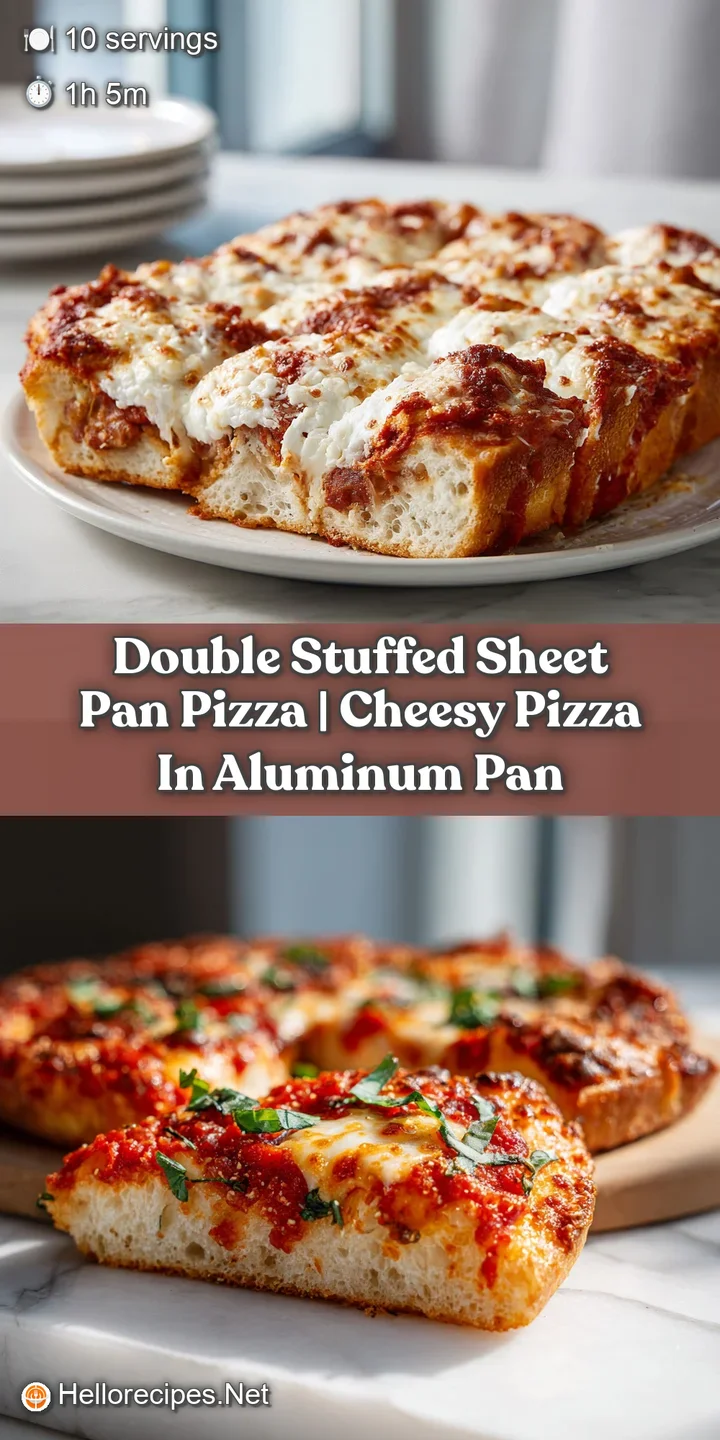
I had two balls of dough and a massive amount of mozzarella, and instead of making two separate pizzas, I decided to stack them. The result was a revelation a crust that felt like a savory pastry but packed the punch of a deep dish classic.
Trust me, once you hear the literal shatter of the bottom crust as you slice through it, you’ll understand why we’ve moved past the single layer life. This isn't just about volume; it’s about the technology of heat distribution.
When you sandwich fillings between two layers of dough, the interior ingredients steam in their own juices while the exterior fries in olive oil. It’s a texture contrast you just can't get with a standard pie.
Honestly, don't even bother with low-fat cheese here we want that full fat, molten flow that only a high-quality mozzarella can provide.
1. The Maillard Floor
The heavy coating of extra virgin olive oil on the pan doesn't just prevent sticking; it essentially shallow fries the bottom dough layer. This triggers the Maillard reaction across the entire surface area, creating a deep golden brown color and a nutty, complex aroma that defines the "pan pizza" experience.
2. The Steam Pocket Effect
Hydration Control: The ricotta cheese acts as a moisture regulator inside the dough "sandwich." As it heats, it releases just enough steam to puff the top layer of dough from the inside, creating an airy, light interior despite the heavy fillings.
3. The Edge to Edge "Frico"
Protein Denaturation: By pushing the shredded mozzarella all the way to the rim of the sheet pan, the cheese proteins denature and caramelize against the hot metal. This creates a "frico" crust a lacy, crispy cheese border that is arguably the best part of the whole meal.
| Method | Time | Texture | Best For |
|---|---|---|---|
| Standard Oven | 25 mins | Uniformly crispy and airy | Consistent results and easy cleanup |
| Convection Oven | 20 mins | Aggressively browned top | Achieving a wood fired "char" aroma |
| Stovetop + Oven | 30 mins | Extra thick bottom crust | When you want a serious crunch |
One thing I've learned through trial and error: the pan choice matters. A dark, heavy duty rimmed baking sheet (around 13x18 inches) absorbs and holds heat much better than a thin, shiny aluminum one. If you use a thin pan, you might find the top is done before the bottom has had a chance to fully crisp up.
Technical Specs for Massive Pan Pizza
Before we get our hands floury, let's look at the "how" behind this massive build. This isn't just a recipe; it's a structural engineering project for your taste buds. We are using two full pounds of dough to ensure both the floor and the ceiling of our pizza have enough substance to hold the weight of a pound of cheese.
| Component | Science Role | Pro Secret |
|---|---|---|
| Pizza Dough | Starch structure | Use room temp dough to prevent "snap back" during stretching |
| Low Moisture Mozzarella | Fat/Protein ratio | Shred it yourself to avoid anti caking starches that hinder melting |
| Extra Virgin Olive Oil | Thermal conductor | Use more than you think; it's the "frying" medium for the crust |
| Ricotta Cheese | Moisture buffer | Dollop, don't spread, to create distinct pockets of creamy texture |
If you are looking for a more traditional crust style to practice your dough handling, my Irresistible Homemade Pan recipe is a fantastic starting point for understanding how oil and dough interact in a hot pan.
Essential Ingredients for Stuffed Crusts
Selecting high-quality fats and proteins is the sustainable way to ensure maximum flavor without needing excessive salt. For this double stuffed sheet pan pizza, we are looking for ingredients that can withstand high heat without breaking.
- 2 lbs pizza dough: Divided into two 1 lb balls. Why this? Provides the necessary structural integrity for the double layer stack.
- Substitute: store-bought bread dough (though it's slightly sweeter).
- 0.25 cup extra virgin olive oil: For the pan and brushing. Why this? Acts as a heat transfer medium for a crispy bottom.
- Substitute: Avocado oil for a higher smoke point, though less flavor.
- 1 tsp garlic powder & 1 tsp dried oregano: For the aromatics. Why this? Infuses the dough with classic pizzeria scents.
- Substitute: Fresh minced garlic and chopped fresh oregano.
- 1 lb low moisture mozzarella cheese: Shredded. Why this? Melts beautifully without releasing excess water like fresh mozz.
- Substitute: Provolone or Muenster for a sharper flavor profile.
- 6 oz sliced pepperoni: The classic savory punch. Why this? Releases fats that season the dough from the inside.
- Substitute: Thinly sliced salami or spicy capicola.
- 0.5 cup ricotta cheese: For creamy contrast. Why this? Creates "lava" pockets of cooling creaminess inside.
- Substitute: Small curd cottage cheese (strained) or cream cheese.
- 1.5 cups pizza sauce: Use a thick, crushed tomato base. Why this? Adds the necessary acidity to cut through the fat.
- Substitute: Marinara sauce or a simple crushed tomato and basil mix.
- 0.5 cup freshly grated Parmesan cheese: For the salty finish. Why this? Adds a savory umami crust to the top layer.
- Substitute: Pecorino Romano for a saltier, funkier bite.
Required Tools for Sheet Pan Success
You don't need a high tech gastronomy kit, but a few specific tools make the difference between a soggy mess and a professional grade bake.
- 13x18 inch Rimmed Baking Sheet: Often called a "half sheet" pan. A dark finish is better for browning.
- Rolling Pin or Large Glass Bottle: Necessary for getting that second layer of dough thin enough to drape.
- Box Grater: For that 1 lb of mozzarella. Trust me, freshly shredded cheese is a non negotiable for the "pull."
Chef's Tip: Freeze your block of mozzarella for 15 minutes before grating. It makes the cheese firmer and prevents it from turning into a clump of mush in your hands.
Steps to Build Your Stuffed Pizza
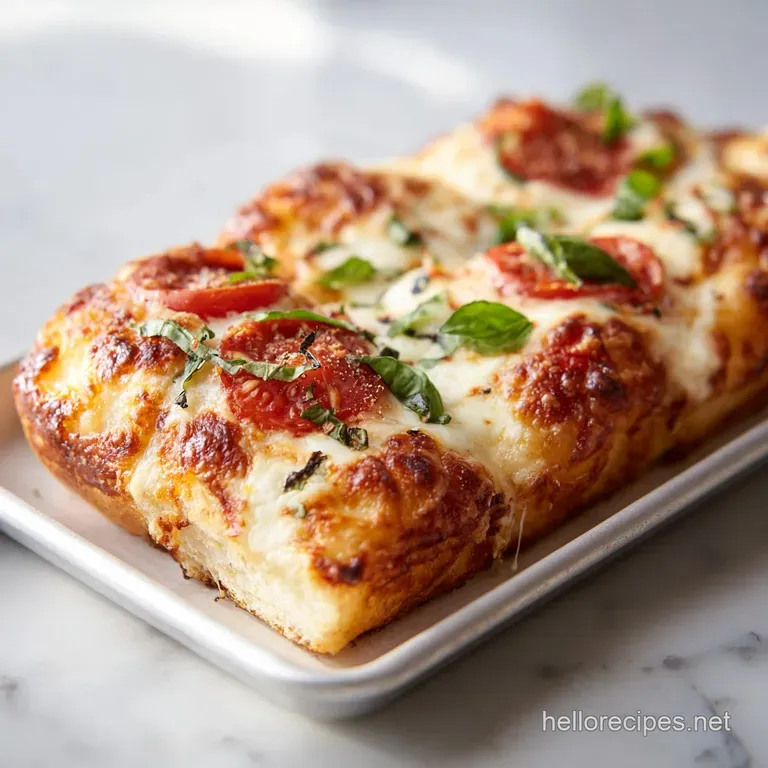
Achieving that restaurant quality finish at home is easier than you think with The Homemade Pizza recipe techniques, but for this specific "double stuff" method, follow these precise steps.
- Prep the Pan: Pour 0.125 cup of olive oil into the sheet pan. Spread it corner to corner. Note: This ensures the dough "fries" rather than just bakes.
- Stretch the Foundation: Take one 1 lb ball of dough and stretch it to the edges of the pan. If it snaps back, let it rest for 10 minutes before trying again.
- Layer the Cheese: Distribute 0.75 lb of shredded mozzarella across the bottom dough. Leave a 1 inch border so we can seal the edges later.
- Add the "Stuffing": Lay 4 oz of pepperoni over the cheese and add dollops of the 0.5 cup ricotta cheese. Sprinkle with half the garlic powder and oregano.
- Roll the Ceiling: On a floured surface, roll the second 1 lb ball of dough into a rectangle slightly larger than your pan. Note: You want it thin enough to see light through it.
- Seal the Structure: Carefully drape the second dough over the fillings. Pinch the edges of the top and bottom dough together firmly until a tight, braided seam forms.
- Scented Oil Topping: Brush the top with the remaining olive oil and sprinkle with the rest of the garlic powder and oregano. Poke a few small holes with a fork to let steam escape.
- The over High heat Bake: Slide into a preheated 400°F (200°C) oven. Bake for 15 minutes until the dough begins to turn a pale gold.
- The Crown & Finish: Remove the pan and spread the 1.5 cups pizza sauce over the top. Sprinkle with the remaining mozzarella, Parmesan, and pepperoni.
- The Final Sizzle: Return to the oven for 10 minutes until the cheese is bubbling and the crust is dark mahogany. The aroma should be intensely savory with a hint of toasted grain.
Fixes for Common Stuffed Pizza Problems
Even with a detailed plan, the physics of dough can sometimes be tricky. The most common hurdle I've faced is the "soggy middle," which usually happens when the sauce is too watery or the internal steam can't escape.
1. The Soggy Middle Syndrome
This happens when the bottom layer of dough steams instead of fries. It’s usually because the oven wasn't hot enough or there wasn't enough oil. Ensure your oven is fully preheated for at least 20 minutes before the pan goes in.
2. The Dough Snap Back
If your dough feels like a rubber band and won't stay in the corners, the gluten is too tense. Stop touching it. Walk away for 10 minutes. When you come back, the proteins will have relaxed, and you’ll be able to stretch it with ease.
3. The Leakage Issue
If you don't seal the edges tightly, the melting mozzarella will find a way out, creating a sticky mess. Use the "crimp and fold" method like you would with a pie crust.
| Problem | Root Cause | Solution |
|---|---|---|
| Bottom is pale | Insufficient oil or thin pan | Move pan to the bottom rack for the last 5 mins |
| Top dough is raw | Steam trapped inside | Poke more vent holes with a fork before baking |
| Filling is cold | Pizza too thick | Let dough sit at room temp longer before assembly |
Common Mistakes Checklist:
- ✓ Ensure the dough is at room temperature (at least 1 hour out of the fridge).
- ✓ Don't skimp on the olive oil; it's the "crunch" factor.
- ✓ Always vent the top layer of dough to prevent a "balloon" effect.
- ✓ Let the pizza rest for 5-10 minutes before slicing to let the cheese set.
Flavor Swaps for Your Pizza Creation
The beauty of this sheet pan pizza is how easily it adapts to what you have in the fridge. I'm a big fan of sustainable cooking using up those last few bits of produce to create something innovative.
| Original Ingredient | Substitute | Why It Works |
|---|---|---|
| Pepperoni (6 oz) | Roasted Mushrooms (8 oz) | Provides an earthy umami. Note: Sauté them first to remove moisture |
| Pizza Sauce (1.5 cups) | Pesto (1 cup) | Adds a bright, herbal punch. Note: Use less oil elsewhere as pesto is fatty |
| Ricotta (0.5 cup) | Goat Cheese (4 oz) | Offers a tangy, velvety finish that pairs well with honey |
1. The Garden Double Stuff
If you want to go meatless, swap the pepperoni for thinly sliced bell peppers and onions. Just make sure to sauté them briefly beforehand; raw veggies release a lot of water inside the dough "pocket," which can lead to that dreaded sogginess.
2. The gluten-free Pivot
You can use a gluten-free pizza dough mix, but keep in mind that GF dough doesn't have the same elasticity. You’ll likely need to "press" it into the pan and onto the top layer rather than rolling it. It will be denser but just as tasty with all that cheese.
Storing and Reheating Your Leftovers
Leftover double stuffed sheet pan pizza is actually a treasure. The flavors of the pepperoni and garlic oil seep deeper into the crust overnight.
- Fridge: Store in an airtight container for up to 4 days.
- Freezer: Wrap individual slices in foil and then place in a freezer bag. They stay good for up to 2 months.
- Zero Waste Tip: If you have dough scraps left over from trimming the edges, roll them in cinnamon sugar and bake them alongside the pizza for "pizza fries" dessert.
Reheating is a science. Avoid the microwave if you want to keep the crunch. The best way is to place a slice in a dry skillet over medium heat for 3 minutes to crisp the bottom, then add a teaspoon of water to the pan and cover with a lid for 1 minute to melt the cheese.
Serving Suggestions for Pizza Night
When you’re serving something this heavy and decadent, you need a high acid counterpoint to balance the palate.
- The Acidic Counterpoint: A crisp arugula salad with a lemon tahini dressing. The bitterness of the greens and the sharpness of the lemon cut right through the richness of the double cheese.
- The Classic Dip: A side of spicy hot honey or a creamy garlic herb dip. Gastronomy is often about the "dip ability" factor, and this thick crust is built for it.
If you’re hosting a larger crowd and want to offer different styles, consider making a batch of The Crispy Crust recipe dough for a lighter, single layer option alongside this behemoth. It gives people choices and keeps the dinner interesting.
1. The "Frico" Edge Myth
Some people think you need a special "Detroit style" pan to get crispy cheese edges. That’s a myth. You can achieve this in any standard sheet pan by simply ensuring your cheese layer goes all the way to the metal. The fat from the cheese will fry itself against the rim regardless of the pan's shape.
2. The Dough Piercing Myth
You might worry that poking holes in the top dough will make the pizza dry. Actually, it's the opposite. If you don't poke holes, the steam builds up and makes the interior dough gummy. Letting that steam escape allows the heat to cook the dough evenly from both sides.
Right then, your oven should be preheating by now. Grab that dough, be generous with the oil, and let's get baking! Trust me on this the first bite of that stuffed center is going to make you a legend in your own kitchen.
Critical Level of Sodium
1348 mg 1348 mg of sodium per serving (59% 59% of daily value)
The American Heart Association recommends limiting sodium intake to no more than 2,300mg per day for overall cardiovascular health.
Tips to Reduce Sodium in Your Pizza
-
Lower Sodium Pepperoni-25%
Choose pepperoni with a lower sodium content. Look for labels that specify reduced sodium or no salt added varieties to significantly cut down on sodium intake.
-
Reduced Sodium Cheese-15%
Opt for low-sodium mozzarella and Parmesan cheese. Many brands offer lower sodium options that can greatly reduce the overall sodium in your pizza.
-
Low-Sodium Sauce-20%
Select a pizza sauce labeled as low sodium or no salt added. Alternatively, make your own sauce from scratch using fresh tomatoes and herbs to control the sodium content.
-
Skip Parmesan-10%
Consider omitting the Parmesan cheese entirely or using it very sparingly. This will provide a significant reduction in sodium.
-
Flavor with Herbs
Enhance the flavor of your pizza with fresh herbs and spices instead of relying on salt. Experiment with basil, oregano, red pepper flakes, or garlic for added taste.
Recipe FAQs
Should I pre-bake sheet pan pizza crust?
No, avoid pre-baking the bottom layer. The high olive oil content in the pan effectively "shallow fries" the bottom dough layer during the bake, leading to the characteristic crispness.
What temperature to cook stuffed pizza?
Start baking at 400°F (200°C). This medium high heat is ideal for developing the Maillard reaction on the crust while ensuring the thick, sandwiched fillings cook through without burning the exterior.
What's the difference between a stuffed pizza and a pan pizza?
A pan pizza is single layered; a stuffed pizza has a top dough layer sealing the fillings. The stuffing creates a steam pocket inside, yielding a unique texture contrast between the saucy interior and the fried base.
Can I use a sheet pan for pizza?
Yes, sheet pans are the required tool for this style. For the best results, use a dark, heavy duty 13x18 inch rimmed baking sheet to maximize heat absorption and crust crisping.
How do I prevent the middle of my thick stuffed pizza from being soggy?
Poke several small vents in the top layer of dough before baking. This allows internal steam created by the heating fillings to escape, preventing gummy, undercooked dough in the center.
Is it true that using less sauce keeps the crust from getting soft?
No, this is a common misconception for stuffed styles. The primary defense against sogginess here is the oil-fried bottom and sealing the edges tightly, not minimizing sauce volume.
What is the best way to reheat leftover stuffed pizza to retain crunch?
Use a skillet on medium heat for three minutes to crisp the bottom crust first. If you enjoyed mastering the dough handling for this recipe, you can apply similar heat control principles to our Garlic Butter Bread Rolls recipe for perfectly heated leftovers.
Sheet Pan Stuffed Pizza
Ingredients:
Instructions:
Nutrition Facts:
| Calories | 559 kcal |
|---|---|
| Protein | 24.6 g |
| Fat | 28.2 g |
| Carbs | 48.1 g |
| Fiber | 2.2 g |
| Sugar | 4.3 g |
| Sodium | 1348 mg |
